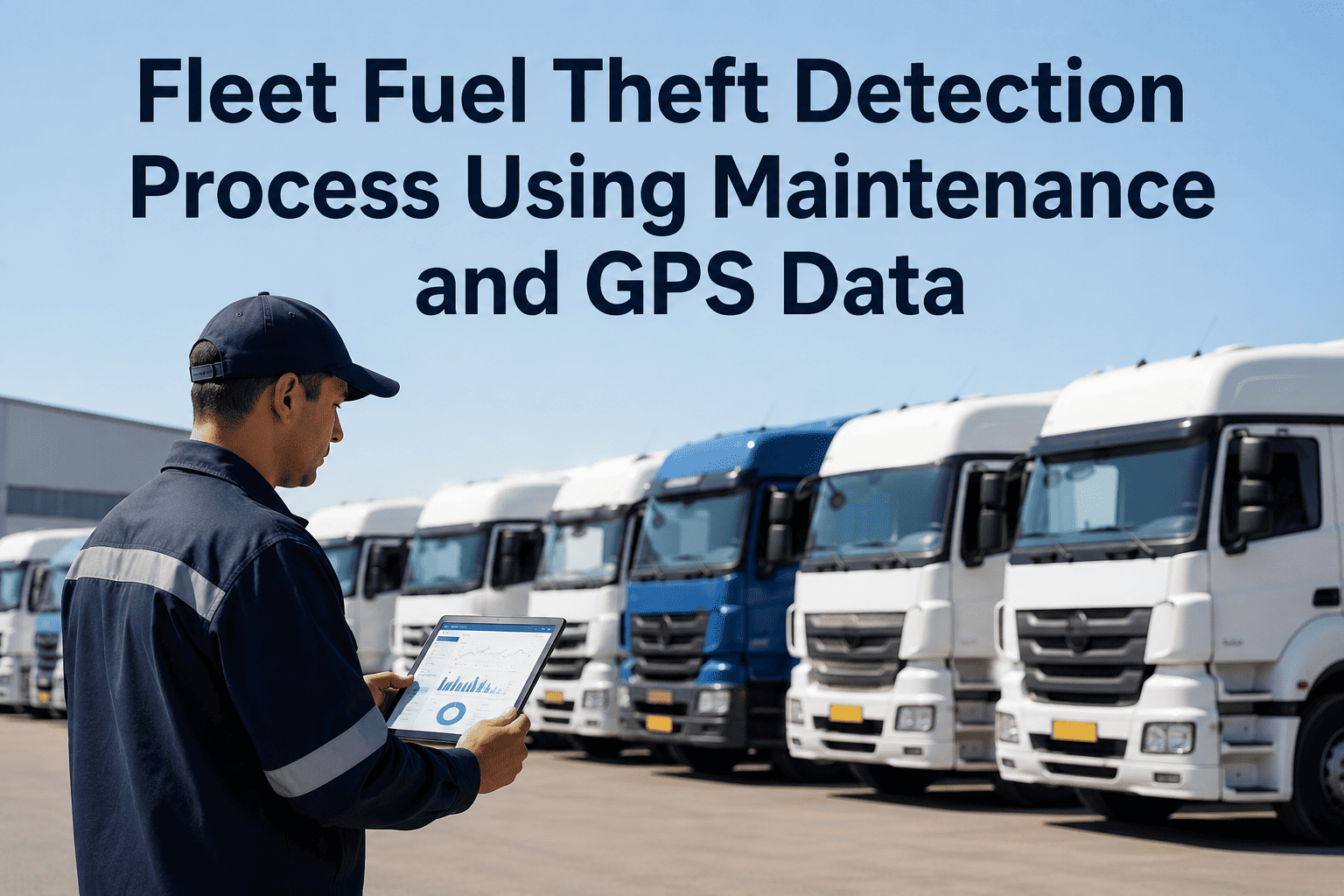
Fuel System Monitoring And Theft Detection for Fleet Vehicles
By Alex Jordan on April 1, 2026
Fuel is typically a fleet's second largest operating cost after labour — and it is also the operating cost most vulnerable to both mechanical inefficiency and deliberate theft. AI fuel system monitoring addresses both problems simultaneously: detecting injector degradation, fuel contamination, and consumption anomalies that signal mechanical issues, while also identifying the statistical signatures of fuel siphoning, ghost fills, and route deviation that indicate theft.This guide covers how AI fuel monitoring works, the failure modes and theft patterns it detects, the technologies powering it including OBD-II integration, digital twin fuel modelling, and SAP workflow sync, and how Oxmaint's platform gives fleet managers a complete fuel intelligence dashboard.
FLEET FUEL INTELLIGENCE · ARTICLE · 2026
AI Fuel Monitoring: Detect System Failures & Theft in Real Time
Oxmaint AI monitors fuel consumption patterns, injector performance, fuel quality, and level anomalies — generating alerts for both mechanical failures and suspected theft events within minutes of detection.
What AI Fuel Monitoring Detects — Two Categories, One Platform
AI fuel monitoring operates across two distinct detection categories. Mechanical anomalies develop over days or weeks and show up as consumption drift. Theft events are sharp and sudden — statistically distinguishable from normal operation within minutes. Oxmaint's AI processes both simultaneously from the same sensor data, with separate alert workflows for each.
Mechanical Failure Detection
Injector Degradation
High Risk
Fuel consumption per mile rising 3–5% above baseline indicates failing injectors or fuel pressure loss. AI detects the trend 3–5 weeks before the driver reports any symptom.
Fuel Quality Contamination
High Risk
Water or particulate contamination causes consumption spikes and misfires. Sensor data detects quality issues at fill-up — before contaminated fuel damages injectors or fuel pumps.
Fuel Pump Pressure Drop
High Risk
Reduced pump output pressure correlates with lean fuel delivery and engine efficiency loss. AI identifies pressure trend degradation and schedules replacement before complete failure.
Filter Restriction Build-Up
Medium Risk
Increasing pressure differential across the fuel filter signals blockage. AI triggers filter replacement based on actual restriction level — not a fixed mileage interval.
Theft & Fraud Detection
Fuel Level Drop — No Engine Running
High Risk
Fuel level reduction while the engine is off and the vehicle is parked is the primary indicator of siphoning. AI detects drops above 10 litres within 5 minutes of occurrence.
Ghost Fill Detection
High Risk
Fuel card transactions not matched by a corresponding tank level increase indicate a ghost fill — fuel purchased on the card but not delivered to the vehicle. AI cross-references within seconds.
Unauthorised Fuelling Location
Medium Risk
Fill events at locations outside the approved supplier network trigger automatic alerts — flagging potential card misuse or driver-arranged discounts not going through the fleet account.
Consumption vs Route Mismatch
Medium Risk
Actual fuel consumption significantly above what the documented route and load would predict signals either mechanical waste or undocumented diversions. AI flags the statistical outlier.
Technologies Powering AI Fuel System Monitoring
Accurate fuel anomaly detection requires sensor data, route data, and behavioural baseline models working together. Book a demo to see how Oxmaint fuses all data streams into a single fuel intelligence dashboard — no additional software platforms required.
AI Camera Vision
Camera-based fuel cap inspection detects tampered or improperly sealed caps — a common precursor to siphoning — during pre-trip walkarounds.
AI Digital Twin
A virtual fuel consumption model per vehicle predicts expected consumption for any given route and load — making deviations from normal statistically unambiguous.
OBD-II & ECM
Engine control module fuel trim, injector pulse width, and mass airflow data stream directly into the AI — enabling injector efficiency scoring without additional hardware.
PLC & SCADA
Depot fuel dispensing equipment data feeds exact fill volumes into Oxmaint — enabling precise ghost fill cross-referencing without relying on driver-reported figures.
SAP & ERP
Fuel spend data from SAP Finance is cross-referenced against actual fuel delivered per vehicle — making financial discrepancies visible at the asset level in real time.
Preventive + AI Hybrid
Scheduled fuel filter replacements continue on fixed intervals. AI adds condition-triggered alerts between cycles — replacing filters when restriction data justifies it, not the calendar.
Fuel Theft — The Numbers Fleet Managers Don't See
Fuel theft is rarely a dramatic event — it is a slow, consistent drain that appears as a slightly higher fuel cost per mile until someone specifically looks for it. Oxmaint's fuel theft module makes that anomaly visible from day one of deployment — not after a manual audit six months later.
Fleet Fuel Theft — Industry Benchmarks
Published data from fleet operator surveys — USA, UK, Germany, Australia, 2024
3–8%
of total fuel spend lost to theft annually in unmonitored fleets
$640K
average annual fuel theft loss — 50-truck fleet, $800K fuel spend
72%
of theft incidents involve internal actors — not external siphoning
6 min
average time for Oxmaint AI to detect and alert on a siphoning event
"Within three weeks of deploying Oxmaint's fuel monitoring, we identified a pattern of small-volume siphoning events across four vehicles at one depot. We had not suspected any issue. The platform recovered $18,000 in the first quarter alone."
— Operations Director, Distribution Fleet, Manchester UK · 2025
Oxmaint Fuel Monitoring Platform — Features
Real-Time Level Monitoring
LIVE TRACKING
Fuel level updated every 30 seconds. Abnormal drops while stationary trigger theft alerts within 6 minutes — before the event is complete.
Consumption Pattern AI
ANOMALY DETECTION
Route-adjusted consumption benchmarks per vehicle. Deviations above 5% from predicted trigger investigation alerts — separating mechanical waste from theft.
Ghost Fill Cross-Reference
FRAUD PREVENTION
Fuel card transaction volumes cross-referenced against tank sensor data. Mismatches above 10 litres trigger an automatic fraud alert within minutes of the fill event.
Injector Health Scoring
DIAGNOSTICS
Each injector scored daily from OBD fuel trim and pulse width data. Degraded injectors flagged for replacement 3–5 weeks before they cause measurable fuel economy loss.
Fleet Fuel Cost Dashboard
REPORTING
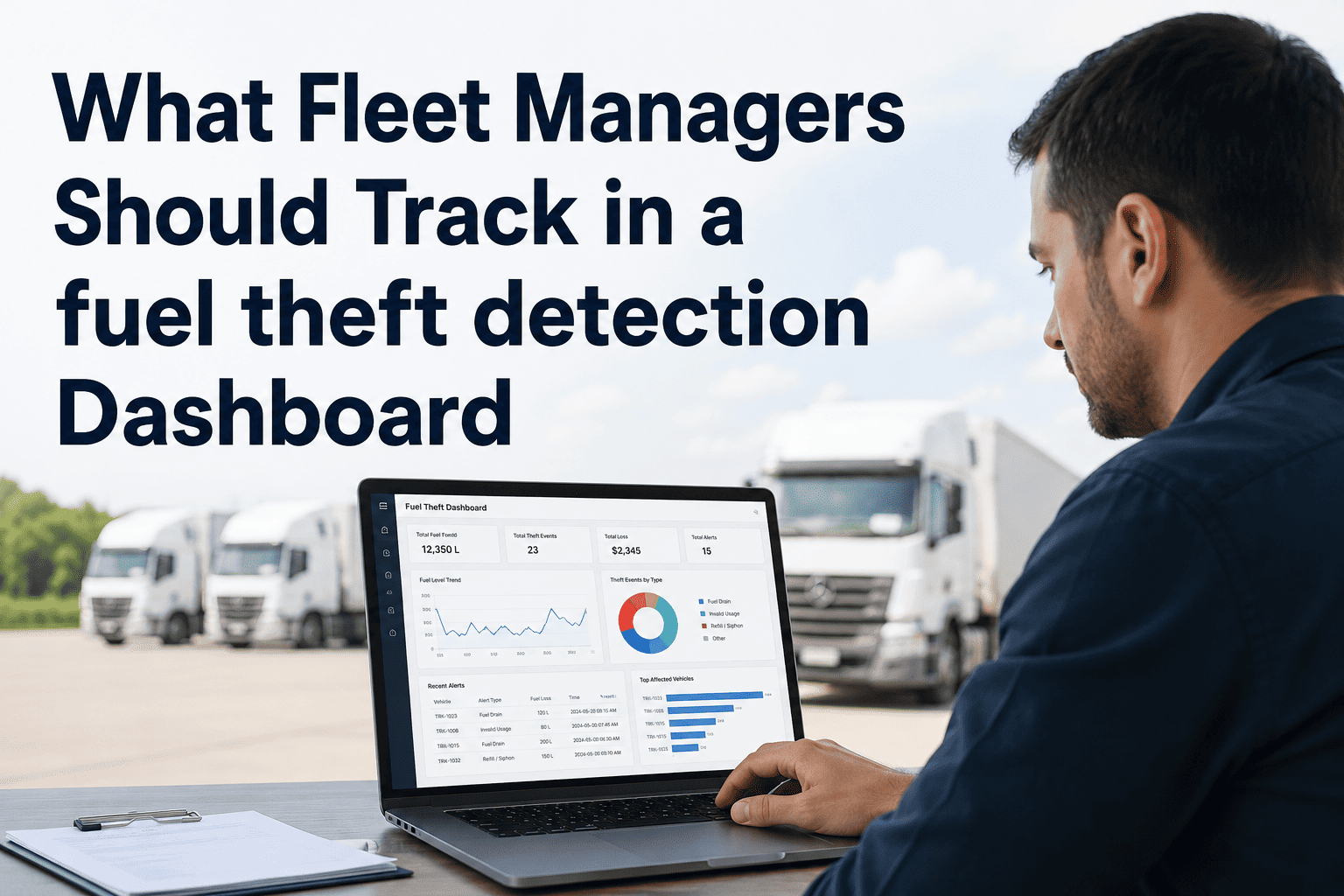
Cost-per-mile by vehicle, cost variance by depot, and theft recovery amounts — all visible on one screen and exportable for CFO reporting in one click.
SAP & Audit Integration
COMPLIANCE
Every fuel event, alert, and theft investigation is stored with timestamp and vehicle ID — satisfying internal audit requirements and providing evidence for disciplinary or legal proceedings.
Monitor Fleet Fuel Systems on Oxmaint
Oxmaint tracks fuel consumption, injector health, fill accuracy, and theft events — alerting your team in real time and generating work orders for mechanical issues automatically.
Frequently Asked Questions — AI Fuel System Monitoring
How quickly does Oxmaint detect a fuel siphoning event?
Oxmaint detects abnormal stationary fuel level drops within 6 minutes and sends alerts to fleet managers immediately — typically before a siphoning event is complete.
Can Oxmaint detect ghost fills from fuel card fraud?
Yes. Fuel card transaction volumes are cross-referenced against tank sensor data in real time. Mismatches above 10 litres trigger automatic ghost fill alerts regardless of which driver or card was used.
Does AI fuel monitoring require new hardware on every vehicle?
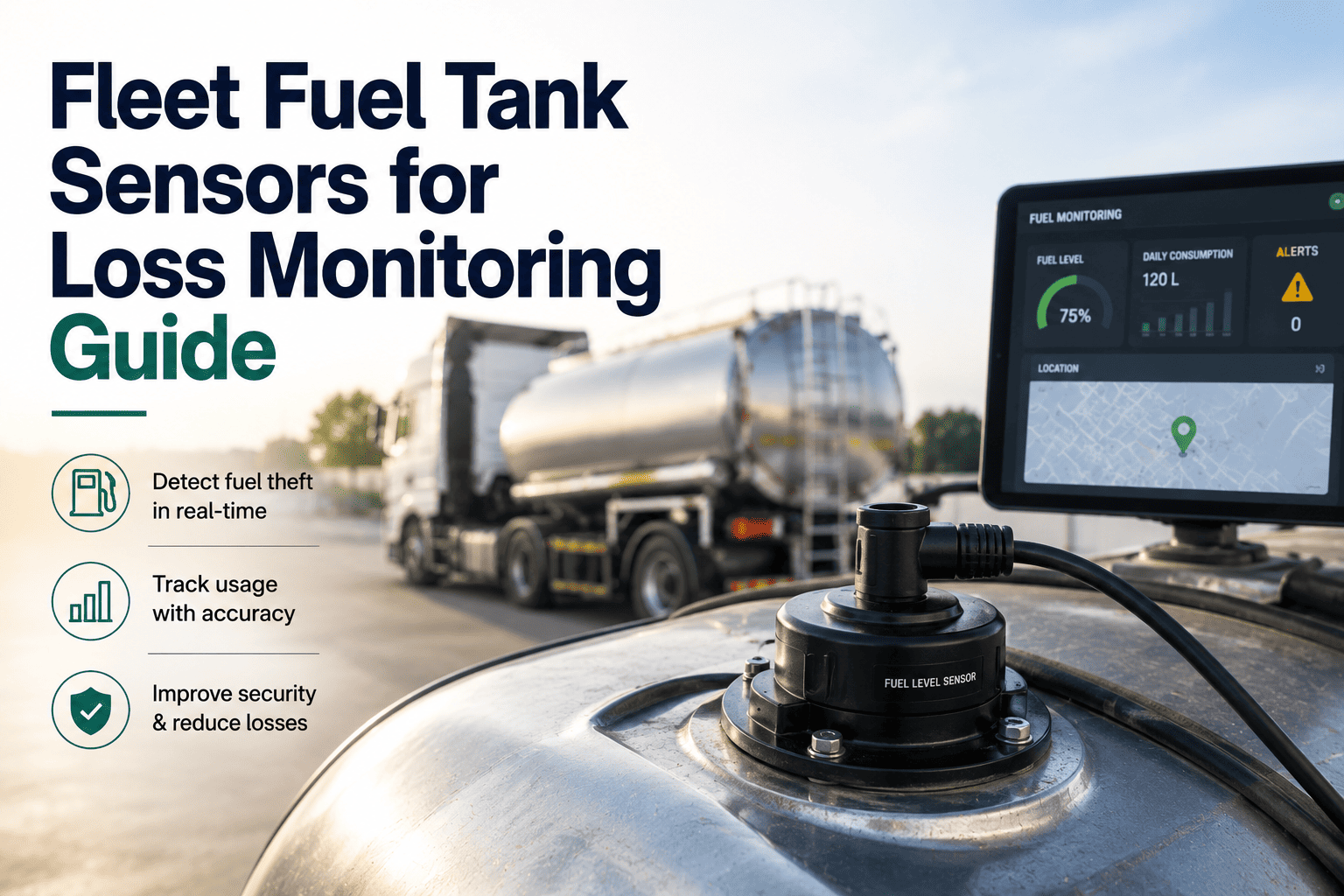
For vehicles with existing telematics or OBD-II, basic consumption monitoring requires no new hardware. High-resolution level monitoring uses retrofit tank sensors that install in under 90 minutes per vehicle.
How does AI distinguish mechanical fuel waste from theft?
Mechanical waste shows as gradual consumption drift correlated with engine run hours. Theft shows as sudden level drops with no engine correlation. The AI models both signatures separately and alerts on each independently.
Can this integrate with our SAP Finance system for fuel spend tracking?
Yes. Oxmaint's SAP connector reconciles fuel card spend against actual sensor-verified fuel delivery per vehicle — surfacing cost variances automatically without manual finance reconciliation.
What ROI should I expect from AI fuel monitoring?
On a 50-truck fleet with $800,000 annual fuel spend, recovering 3–5% theft ($24,000–$40,000) plus 2–4% mechanical efficiency gains ($16,000–$32,000) delivers $40,000–$72,000 in Year One — typically 5–10× platform cost.
Detect Fuel Theft & System Failures in Real Time
Start monitoring fleet fuel systems with Oxmaint AI — free trial, no card required.