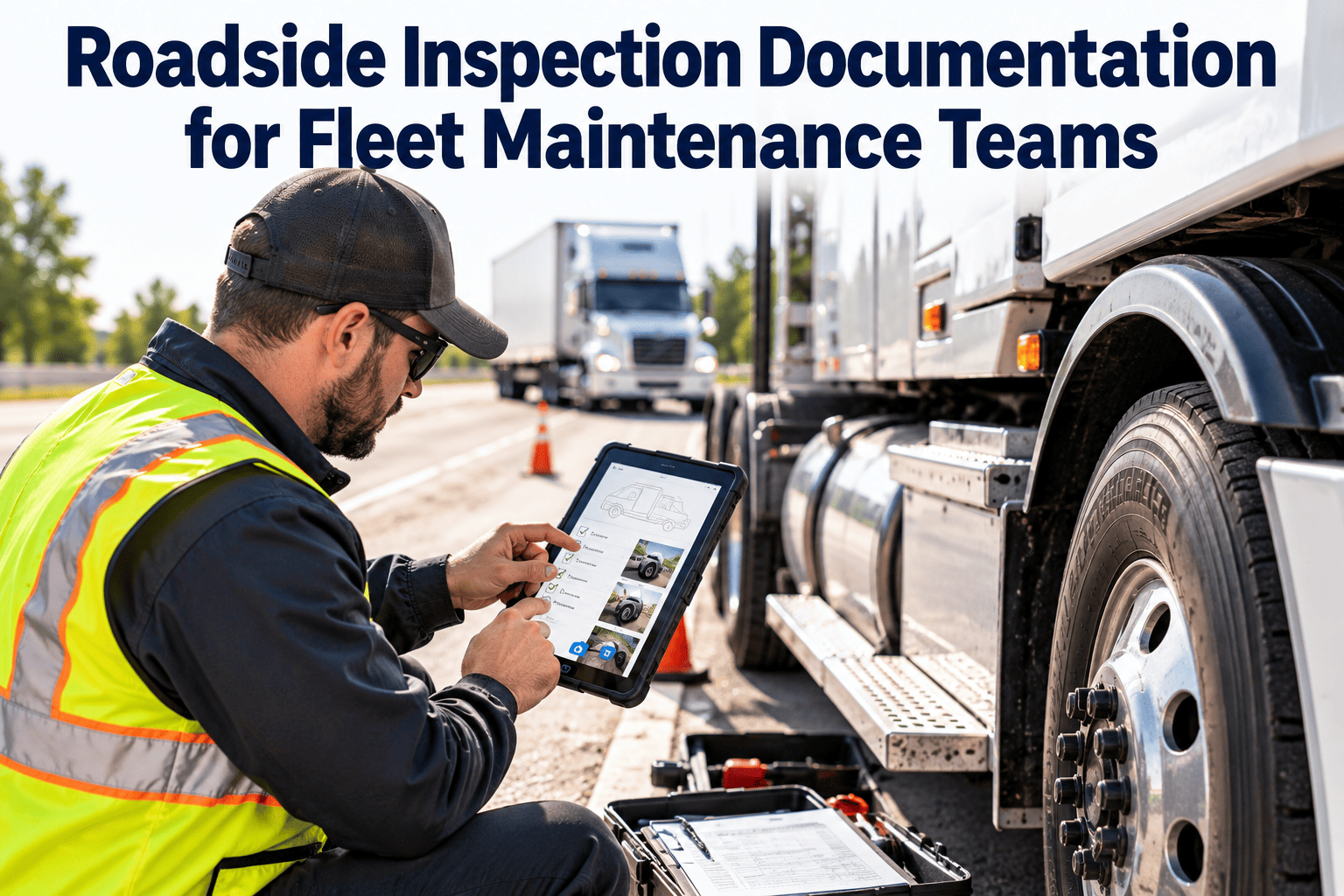
Brake system failures are not just a maintenance headache; they are a critical safety risk that can lead to catastrophic accidents, legal liabilities, and massive operational downtime. For specialized brake teams in the fleet industry, the challenge lies in managing a high volume of inspections and repairs while ensuring 100% compliance with safety standards. A fragmented workflow leads to missed warning signs and reactive "firefighting" that drains your budget. Implementing a standardized Asset Master Workflow for Brakes Teams is the most effective way to synchronize your technicians, centralize your safety data, and transform your braking system maintenance from a cost center into a reliability powerhouse. By digitizing these critical safety procedures, you can start a free trial of our advanced maintenance suite or book a demo to see our specialized brake reporting framework in action.
Asset Master Workflow for Brakes Teams
Eliminating Safety Blind Spots with Digital Workflows
In a heavy-duty fleet, brake components are among the highest-wear assets. Without a centralized workflow, it is easy for a thinning rotor or a leaking pneumatic valve to be missed during a busy shift change. Transitioning to a digital Asset Master workflow ensures that every inspection is guided by professional standards, every fault is documented with photographic evidence, and every repair is verified by a senior supervisor. This level of oversight is critical for maintaining DOT compliance and ensuring driver safety across thousands of miles. To secure your fleet's safety standards and eliminate human error in the bay, you can start a free trial of our maintenance platform or book a demo to explore our digital brake inspection templates.
Standardize Your Safety Protocols
Eliminate guesswork in the bay with guided digital workflows. Ensure every technician follows professional standards, captures photographic evidence, and completes repairs with full supervisor verification.
Diagnostic Excellence and Compliance Tracking
Brake maintenance is one of the most highly regulated aspects of commercial fleet operations. A standard workflow must generate an immutable audit trail that proves every component—from the master cylinder to the slack adjusters—was inspected to manufacturer specifications. By utilizing a centralized digital workflow, fleet managers can monitor wear patterns across different vehicle makes and models, identifying which friction materials provide the best ROI. This data-driven approach allows for more accurate budgeting and prevents the "pencil-whipping" of inspection forms. To gain full visibility into your brake team's compliance and operational excellence, please start a free trial of our platform or book a demo to see our real-time compliance dashboards.
The Economics of Systematic Brake Maintenance
The financial impact of a systematic brake workflow is undeniable. While a preventative pad replacement costs only a few hundred dollars in labor and parts, a reactive "metal-on-metal" failure often requires new rotors, calipers, and potentially a roadside tow, costing thousands. Beyond the direct repair costs, the liability associated with a brake-related accident can be devastating to a company's bottom line and insurance premiums. By digitizing your brake workflow, you ensure that every unit is serviced at the optimal interval, maximizing the life of your components without compromising safety. You can start a free trial today to begin building your safety-first asset history or book a demo to see the financial impact of our Asset Master workflow.
Stop Reactive Breakdowns
Transform maintenance data into a strategic asset. Analyze failure patterns, optimize component lifecycles, and scale your operations with a platform designed for elite fleet reliability.