Tire underinflation is the single most preventable cause of fleet breakdowns, yet it continues to drain profits from operations of every size. Industry data reveals that 95% of all tire failures trace back to low pressure, and a fleet of 100 trucks can lose over $100,000 annually in fuel waste, premature tire replacements, and emergency road calls alone. Every 1 PSI drop below the recommended level reduces fuel economy by 0.2%, while tires running 20% underinflated generate dangerous heat buildup that accelerates blowout risk by up to 300%. For fleet managers and drivers who want to eliminate these costly and dangerous issues, this checklist delivers a proven, step-by-step tire pressure inspection protocol. Pair it with Oxmaint's digital inspection platform to automate tracking, receive instant low-pressure alerts, and keep every tire record audit-ready for DOT compliance.
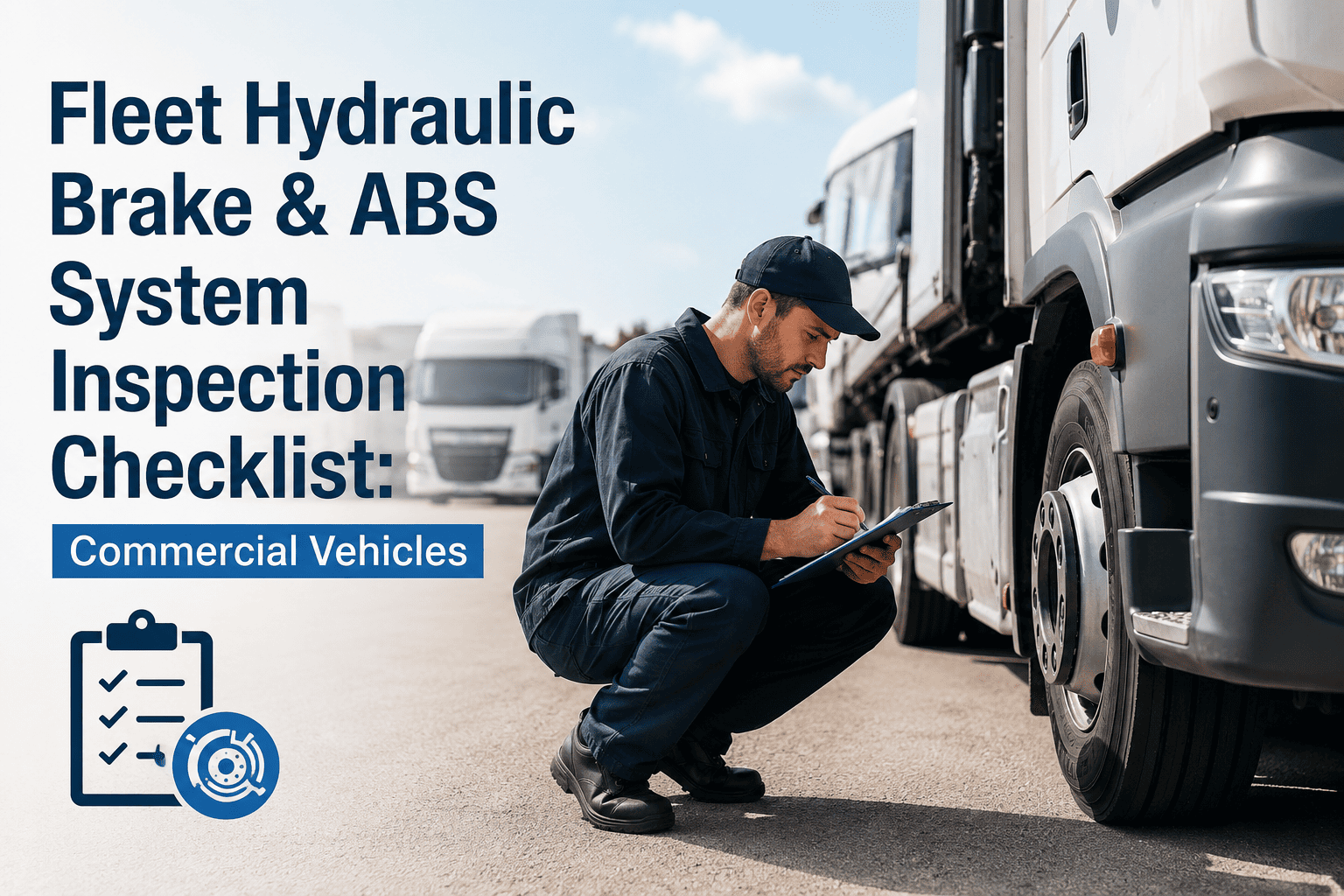
Tires Low Pressure Inspection Checklist
Catch underinflation before it becomes a blowout. Save up to 3% on fuel, extend tire life by 25%, and stay DOT-compliant with this field-tested tire pressure inspection protocol.
The Real Cost of Low Tire Pressure
Underinflated tires silently erode your bottom line every single mile. Here is exactly what the numbers look like for an average commercial fleet — and why signing up for Oxmaint pays for itself within weeks.
Daily Pre-Trip Visual Tire Check
Complete this visual scan before every trip. It takes under 5 minutes and catches the warning signs that prevent 80% of tire-related breakdowns. Log every check digitally through Oxmaint so your records are always audit-ready.
Stop Losing Money to Underinflated Tires
Fleets using Oxmaint catch low-pressure issues 3x faster with automated digital checklists, photo documentation, and instant maintenance alerts.
Weekly Pressure Measurement Protocol
Visual checks catch emergencies, but only a calibrated gauge reveals the slow pressure drops that silently destroy tires and fuel economy. Follow this weekly protocol and book a demo to see how Oxmaint tracks every reading automatically.
Measure Cold Tires Only
Always check pressure before driving or after the vehicle has been parked for at least 3 hours. Driving heats tires and inflates readings by 4-6 PSI above actual cold pressure, masking true underinflation.
Use a Calibrated Digital Gauge
Digital gauges provide accuracy within 0.5 PSI. Stick gauges and dial gauges lose calibration over time. Verify your gauge against a known reference quarterly to ensure reliable readings.
Reference the Vehicle Placard — Not the Tire
The correct pressure specification is on the driver's door jamb placard or in the vehicle manual. The number molded on the tire sidewall is the maximum pressure, not the recommended operating pressure.
Record Every Position, Every Time
Document the PSI reading for each tire position individually. Tracking position-specific trends over time reveals slow leaks, valve issues, or mounting problems before they become failures.
6 Warning Signs Your Tires Are Underinflated
Trained drivers spot these symptoms between scheduled checks. If you notice any of these while driving, pull over safely and inspect immediately.
Vehicle Pulling to One Side
When one tire runs significantly lower than the others, the vehicle drifts during straight-line driving. This uneven drag also accelerates wear on the low tire.
Sluggish or Heavy Steering
Low front-tire pressure increases rolling resistance and makes the steering wheel feel heavy and unresponsive, especially at low speeds and during parking maneuvers.
Thumping or Flapping Sounds
A rhythmic thumping while driving indicates a severely underinflated tire whose sidewall is flexing dangerously. This is an emergency — pull over and inspect immediately.
Sudden Fuel Economy Drop
If your MPG drops noticeably without a change in load or route, underinflated tires are often the culprit. Even 10% underinflation across all tires can reduce fuel economy by 0.5-1%.
Edge-Heavy Tread Wear
Excessive wear on the outer edges of tread while the center remains intact is the classic fingerprint of chronic underinflation. This pattern shortens tire life dramatically.
Longer Braking Distances
Underinflated tires have less grip and reduced contact patch stability, which significantly increases the distance needed to stop — especially in wet or emergency braking conditions.
DOT Compliance Quick Reference
FMCSA regulation 49 CFR 393.75 requires commercial motor vehicles to maintain tire pressure appropriate for the load carried. Tire violations consistently rank among the most common CVSA citations. Keep your fleet compliant with Oxmaint's automated compliance tracking — sign up now.
Critical Rule: Any tire operating at 20% or less of its normal pressure is classified as run flat. It must be removed from service, dismounted, and professionally inspected before it can return to the road. Violations result in immediate out-of-service orders and negatively impact your CSA scores.
Inspection Frequency Guide
| Inspection Type | Frequency | What to Do |
|---|---|---|
| Pre-Trip Visual Check | Every Trip | Walk-around scan for damage, bulges, leaks, TPMS status, and dual spacing |
| Cold Pressure Reading | Weekly | Measure and record PSI for every tire position using a calibrated digital gauge |
| Tread Depth Measurement | Monthly | Gauge tread depth at multiple points, assess wear patterns, flag alignment needs |
| Full Tire Audit | Quarterly | Comprehensive inspection, rotation scheduling, replacement budget planning |
| Temperature Swing Check | As Needed | Re-verify pressure when ambient temperature changes by 10°F or more (1-2 PSI shift per 10°F) |
Corrective Action Levels
Not all underinflation is equal. Use these severity tiers to determine the right response, and log every action in your Oxmaint maintenance system — book a demo to get started.
5-10 PSI Below Specification
Inflate to recommended pressure, document the adjustment, and recheck within 48 hours for recurring loss. No operational restriction required.
10-20 PSI Below Specification
Inspect for punctures, valve stem damage, or bead leaks before inflating. Recheck within 24 hours. If pressure continues to drop, schedule a professional tire service.
Below 20 PSI or Run Flat Condition
Do not move the vehicle. The tire must be removed, dismounted, and inspected by a qualified technician. Running a severely underinflated tire causes irreversible internal damage even at low speeds.
Frequently Asked Questions
How often should fleet vehicles have tire pressure checked?
FMCSA requires a visual tire inspection during every pre-trip check. Actual PSI measurement with a calibrated gauge should happen weekly at minimum. Fleets hauling heavy loads or operating in extreme temperatures benefit from checking pressure two or three times per week.
What PSI level is considered dangerously low for commercial trucks?
Any tire below 20 PSI is considered dangerously low and must not be driven. Most commercial truck tires operate between 80-120 PSI depending on tire type and load. A tire at 20% or less of its rated pressure must be removed from the vehicle and professionally inspected before returning to service.
Can I rely only on TPMS instead of manual pressure checks?
No. TPMS is a valuable supplement but not a replacement for manual inspections. Most TPMS systems only trigger a warning at 25% below the recommended level, meaning your tires could already be significantly underinflated before any alert appears. TPMS sensors also have a limited lifespan of 5-10 years and can lose calibration or fail without notice.
How does temperature change affect tire pressure?
Tire pressure shifts approximately 1-2 PSI for every 10°F change in ambient temperature. A cold snap can drop pressure across your entire fleet overnight, while hot summer pavement can temporarily inflate readings above actual cold pressure. Fleet managers should increase inspection frequency during seasonal temperature swings.
What happens if my vehicle fails a DOT tire inspection?
A flat tire or audible leak during a DOT or CVSA inspection results in an immediate out-of-service order — the vehicle cannot move until the defect is corrected. These violations also damage your CSA safety scores, which can trigger more frequent compliance audits and increase your insurance premiums over time.
How does maintenance software improve tire pressure management?
A digital CMMS platform like Oxmaint automates inspection scheduling, lets drivers capture pressure readings on mobile devices with timestamps and photos, tracks pressure trends across every tire position over time, and flags recurring issues with automated alerts. All records are stored centrally and ready for DOT audits at any moment.
Digitize Your Tire Inspections Today
Thousands of fleet managers already use Oxmaint to prevent tire-related breakdowns, cut fuel waste, and pass every DOT inspection with confidence. Join them in under 5 minutes.
-for-commercial-fleets.png)