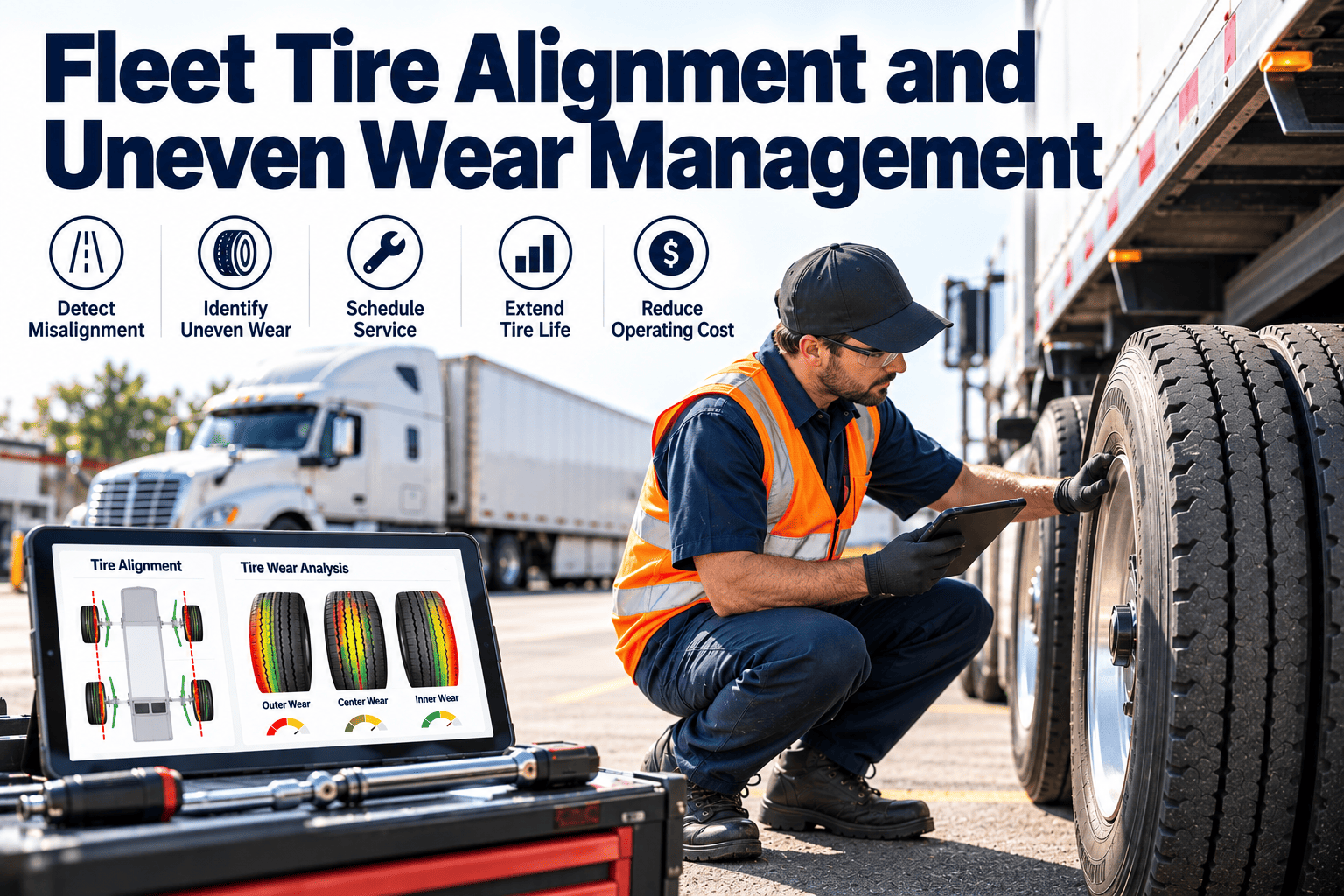
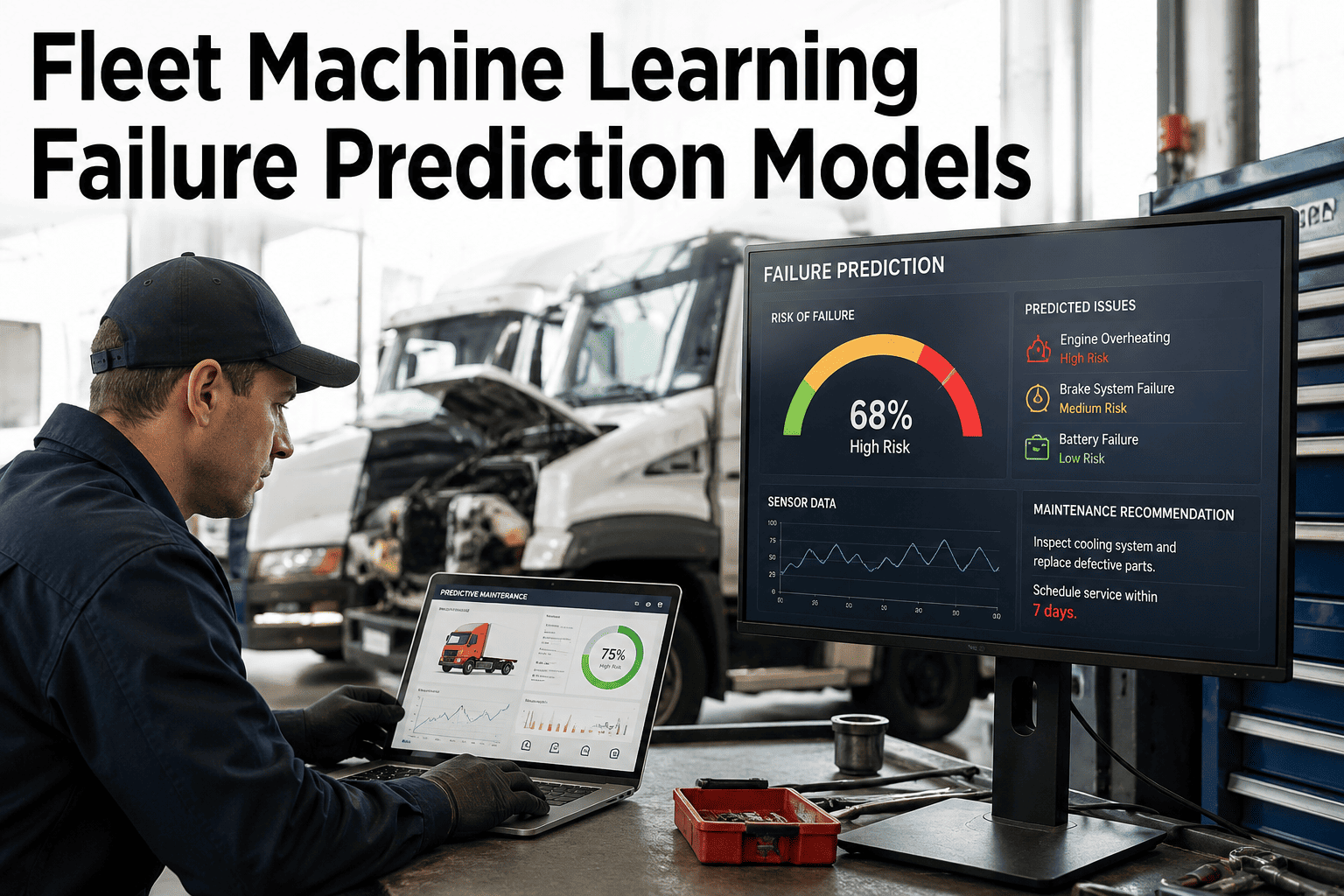
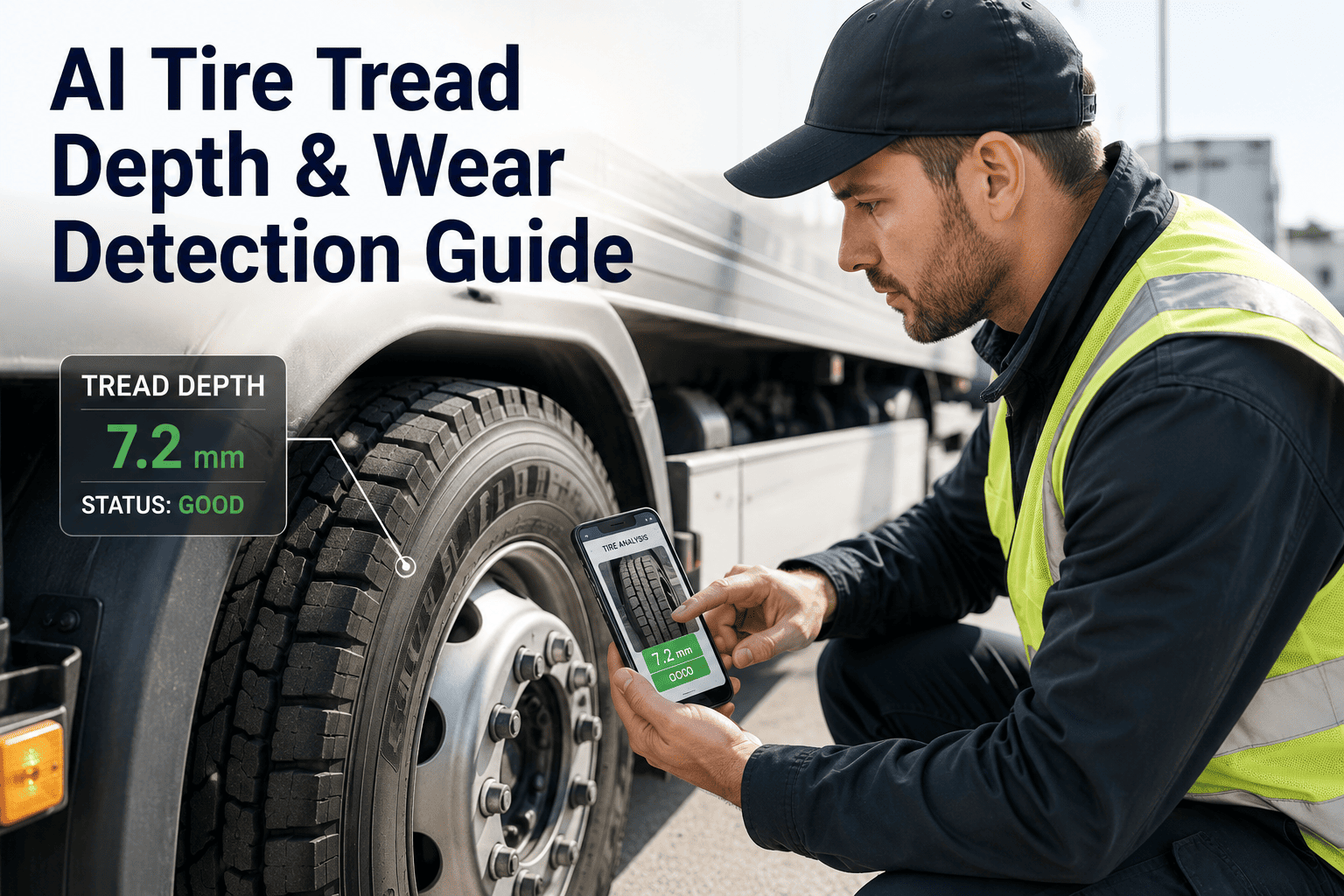
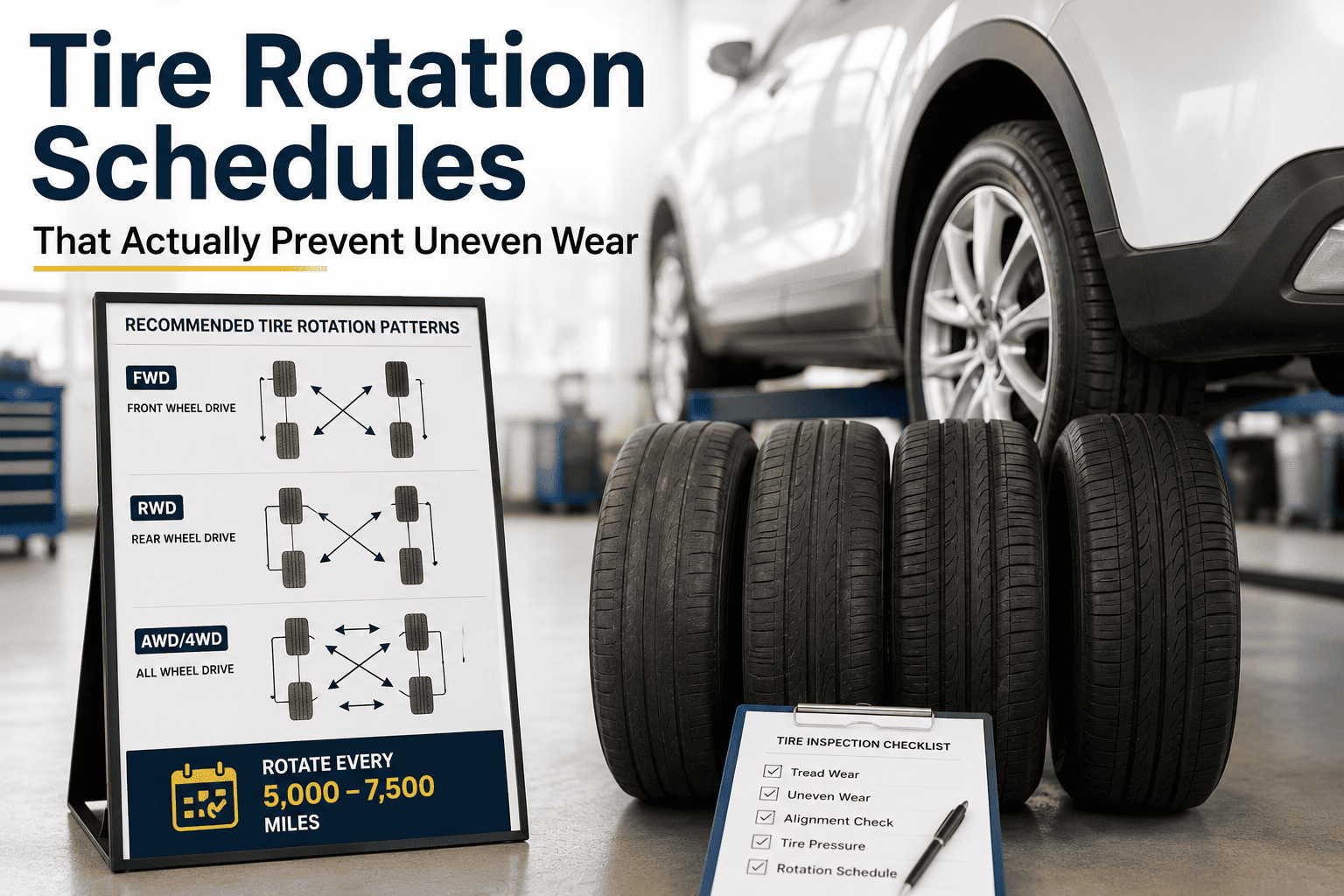
Uneven tire wear costs commercial fleets millions of dollars annually through premature replacements, increased fuel consumption, and unexpected breakdowns. Traditional inspection methods catch wear patterns only after significant damage has occurred, missing the early indicators that reveal alignment problems, suspension issues, or load distribution faults. Artificial intelligence is changing this equation by detecting subtle wear anomalies weeks or months before they become visible to the human eye.
Computer vision algorithms trained on millions of tire images can now identify developing wear patterns with over 94% accuracy, giving fleet managers the insight they need to address root causes rather than symptoms. This guide explores how AI-powered wear detection works, what patterns it identifies, and how Oxmaint's predictive maintenance platform helps fleets extend tire life by up to 50% through proactive intervention.
Predictive Maintenance for Tires: AI Detection of Uneven Wear
Identify alignment issues, suspension problems, and load imbalances before they destroy your tires. AI-powered pattern recognition that sees what manual inspections miss.
How AI Tire Wear Detection Works
Modern AI systems utilize a multi-layered approach to tire monitoring that combines hardware sensors, computer vision, and machine learning algorithms. This technology continuously analyzes tire condition data to predict failures before they occur.
The 6 Wear Patterns AI Detects Early
AI algorithms analyze tire surface data to identify specific wear patterns, each indicating different underlying problems. Early detection allows corrective action before tires need premature replacement.
Center Wear
AI detects accelerated wear in the tire center through tread depth variation analysis, identifying pressure issues before visible damage occurs.
Edge Wear
Sensors detect shoulder-heavy contact patterns, triggering alerts when pressure drops create uneven load distribution across the tread.
One-Sided Wear
Computer vision identifies asymmetric tread depth, indicating wheel angle problems that cause tires to ride on inner or outer edges.
Feathering
AI detects directional tread edge variations where ribs are smooth on one side and sharp on the other, signaling alignment correction needs.
Cupping/Scalloping
Vibration analysis identifies high and low spots around the tread circumference, indicating shock absorber or strut failures.
Diagonal Wear
Pattern recognition spots angled wear across the tread, often indicating torque or braking imbalances in drive axles.
AI Detection Accuracy by Wear Type
Deep learning models trained on millions of tire images achieve accuracy that exceeds traditional manual inspection capabilities.
ROI Impact: Quantifiable Fleet Savings
Implementing AI-driven tire wear detection delivers measurable financial returns across multiple cost centers. Fleets typically see full ROI within the first quarter of deployment.
Advance Warning Timelines
AI systems provide different lead times depending on tire position and the type of wear pattern detected. This advance notice allows fleet managers to schedule corrective maintenance during planned service windows.
Implementation Timeline
Deploying AI tire wear detection is straightforward and integrates seamlessly with existing fleet management systems. Most fleets achieve full operational status within 30 days.
Sensor Installation & Calibration
Wireless sensors mounted on each tire position. System calibration to your specific vehicle types and load profiles.
Baseline Data Collection
AI establishes normal operating parameters for your fleet. Initial wear pattern baselines recorded for comparison.
Alert Threshold Configuration
Customize warning levels based on your maintenance schedules and risk tolerance. Integration with CMMS platforms.
Full Predictive Deployment
System goes live with real-time monitoring. Team training on alert interpretation and corrective action protocols.
Frequently Asked Questions
How does AI detect uneven tire wear patterns?
AI systems combine multiple data sources including vibration sensors, TPMS readings, and computer vision analysis to identify wear patterns. Machine learning algorithms trained on millions of tire images recognize subtle variations in tread depth, surface texture, and wear distribution that indicate developing problems. Vibration analysis detects the frequency signatures associated with cupping and scalloping, while pressure monitoring identifies the load distribution issues that cause edge or center wear.
What accuracy can AI achieve in wear pattern detection?
Modern AI tire inspection systems achieve over 94% accuracy in detecting wear patterns and surface defects, with some systems reaching 99.5% accuracy for specific defect types like cracks and bulges. Steer tire predictions typically reach 96% accuracy due to consistent steering forces, while drive tire predictions achieve around 94%. Accuracy improves continuously as the AI learns from your fleet's specific operating conditions and maintenance outcomes.
What is AI-based detection of uneven tire wear?
AI-based detection of uneven tire wear uses machine learning algorithms to analyze data from images, sensors, or vehicle telemetry to identify abnormal wear patterns on tires. These systems can recognize issues such as camber wear, toe wear, or cupping earlier than manual inspections, enabling proactive maintenance.
Can AI detect the root cause of uneven tire wear?
Yes, advanced AI systems can correlate wear patterns with factors such as misalignment, improper inflation, suspension issues, or aggressive driving behavior. While AI provides strong diagnostic insights, final confirmation may still require physical inspection by a technician.
What are the benefits of using AI for tire predictive maintenance?
AI-driven tire maintenance reduces unexpected tire failures, extends tire lifespan, improves fuel efficiency, and enhances vehicle safety. For fleet operators, it also lowers maintenance costs, minimizes downtime, and enables data-driven scheduling instead of fixed inspection intervals.
Stop Replacing Tires Too Early or Too Late
AI-powered wear detection helps you replace tires at exactly the right time, maximizing value while maintaining safety and compliance.