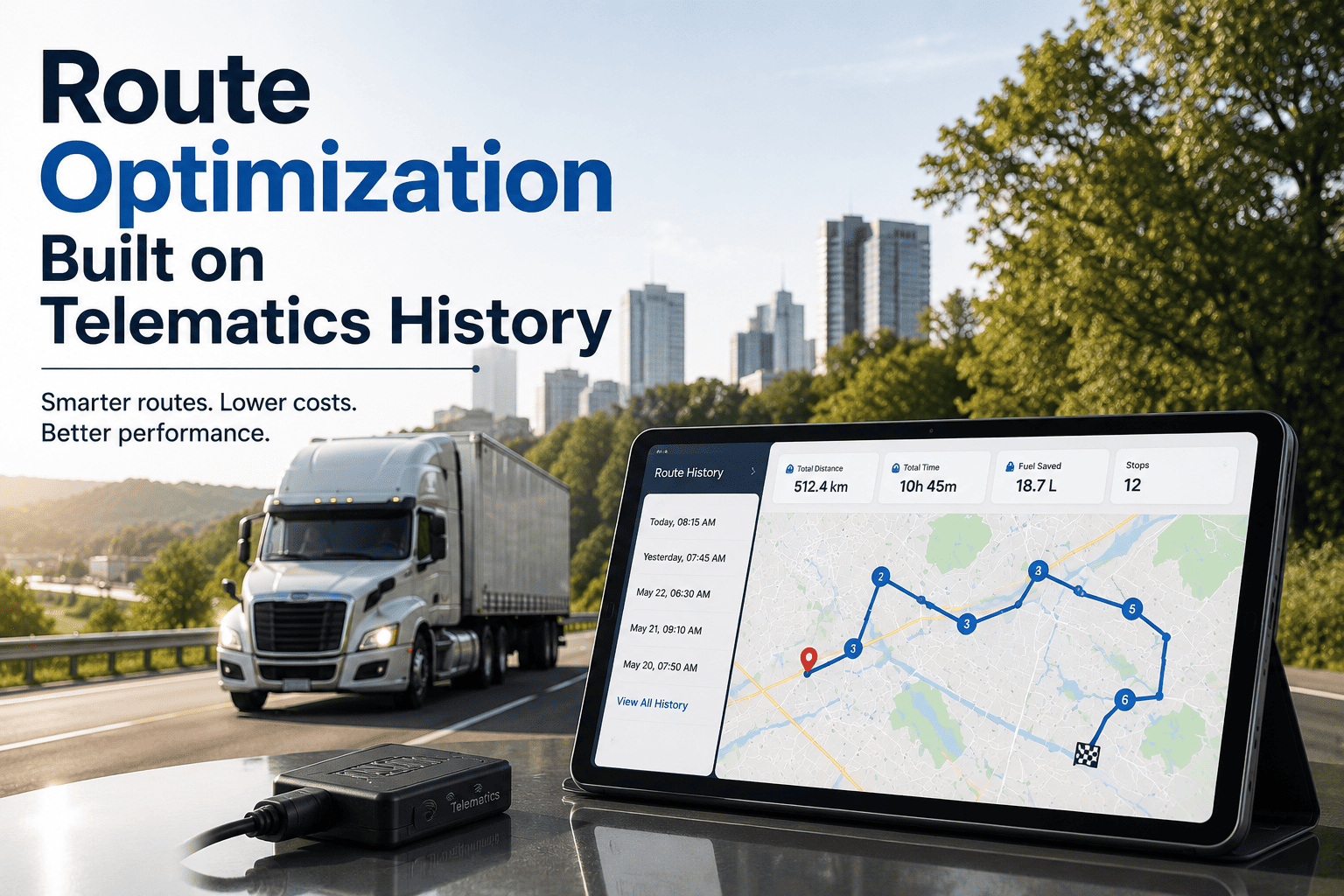
When Meridian Freight Solutions — a 120-vehicle regional logistics carrier operating out of three distribution hubs in the U.S. Midwest — ran the numbers on their 2024 fuel spend, the results were alarming. Fuel consumed $1.73 million of their $4.8 million annual operating budget, a 36% share that was climbing every quarter. Excessive idling burned an estimated 42 gallons per truck per month. Route inefficiency added 11% more miles than optimal routing would require. And deferred maintenance meant 23 vehicles were running with degraded fuel injectors, underinflated tires, or clogged air filters — each quietly wasting fuel on every mile driven. Within 90 days of deploying OxMaint as their centralized CMMS platform, Meridian cut annual fuel costs by 22% — a $380,000 savings — with a full payback period of just 4.5 months. This case study details how they did it, what tools drove each percentage point of savings, and the exact implementation timeline your fleet can follow. Start your free trial to see these results in your own operation.
Case Study 2026
How a Logistics Company Reduced Fuel Costs 22% with OxMaint
120-vehicle regional carrier. Three distribution hubs. $1.73M annual fuel spend. One CMMS platform. 90 days to $380,000 in verified annual savings through idle reduction, maintenance-driven efficiency, and route optimization intelligence.
Total Annual Fuel Savings
$380,000
22% reduction in 90 days of implementation
90 DaysFull implementation timeline
4.5 MoComplete payback period
120Vehicles Under Management
$1.73MPrevious Annual Fuel Spend
36%of OpEx Consumed by Fuel
3 HubsDistribution Centers
The Problem: Six Hidden Fuel Drains
Meridian's fleet manager knew fuel was their biggest cost — but assumed price volatility was the primary driver. A diagnostic audit during OxMaint onboarding revealed that the real problem was operational: fuel was being wasted through six distinct and measurable channels, most of which were invisible without a centralized maintenance and operations platform. Fuel costs make up 30-40% of total fleet expenses across the logistics industry, and most of that overspend is controllable.
01
Excessive Idling
42 Gal
Per truck per month burned while stationary. Dock waits, warm-ups, and break-time idling wasted an estimated $168,000 annually across the fleet.
02
Route Inefficiency
11%
More miles driven than optimal routing required. Dispatchers used legacy software that did not factor traffic, fuel stops, or delivery clustering.
03
Deferred Maintenance
23 Units
Running with degraded fuel injectors, clogged air filters, or underinflated tires. Each vehicle consuming 5-15% more fuel than a properly maintained unit.
04
Aggressive Driving
18%
Of drivers exhibited hard acceleration, rapid braking, and sustained speeding — behaviors that increase fuel consumption by up to 33% per trip.
05
Tire Pressure Neglect
-3%
MPG loss from underinflated tires fleet-wide. No automated tracking; checks depended on driver memory. Every 1 PSI drop costs 0.2% fuel efficiency.
06
No Fuel Analytics
Zero
Visibility into per-vehicle fuel consumption trends. Fuel cards tracked spend, but no system correlated fuel use with routes, loads, or maintenance status.
The Solution: OxMaint 90-Day Implementation
Meridian deployed OxMaint as their central CMMS and operations intelligence platform, integrating it with existing telematics hardware and fuel card data within the first two weeks. The implementation followed a phased approach — quick wins in the first 30 days, systematic improvements through day 60, and full optimization by day 90. Initial savings from reduced emergency repairs and idle reduction were visible within the first month.
1
Days 1-14: Platform Setup + Diagnostic Audit
Asset RegistryTelematics SyncFuel Card Integration
All 120 vehicles onboarded with maintenance history, fuel card data linked, and telematics feed established. Baseline fuel consumption benchmarked per vehicle, route, and driver.
2
Days 15-30: Quick Wins — Idle + Tire + Filter
Idle AlertsPM SchedulingTire Checks
Automated idle-time alerts deployed. Emergency PM work orders issued for 23 vehicles with overdue maintenance. Tire pressure checks standardized across all hubs. First-month savings: $48,000 annualized.
3
Days 31-60: Driver Coaching + Route Intelligence
ScorecardsEco-DrivingRoute Optimization
Driver fuel efficiency scorecards launched. Eco-driving coaching for top 18% fuel offenders. Route analytics identified 11% excess mileage and delivery clustering opportunities. Month-two savings: $112,000 annualized.
4
Days 61-90: Full Optimization + Predictive PM
Predictive AlertsFuel AnalyticsIncentive Program
Predictive maintenance triggers set for fuel-impacting components (injectors, air filters, tire wear). Fuel anomaly detection flagging vehicles deviating from baseline. Driver incentive program sharing 25% of savings as monthly bonus. Full target: $380,000 annualized.
5
Ongoing: Continuous Improvement Loop
Monthly ReviewKPI DashboardBenchmark
Monthly fuel reviews against baseline. Per-vehicle trend analysis. Quarterly route re-optimization. Annual fleet right-sizing assessment based on utilization data. Savings compound as maintenance maturity increases.
See What 22% Fuel Savings Look Like for Your Fleet
OxMaint's fuel analytics, preventive maintenance scheduling, and driver coaching tools delivered $380,000 in annual savings for a 120-vehicle fleet. Calculate your potential.
Where the 22% Came From: Savings Breakdown
The 22% fuel reduction was not a single initiative — it was the compound effect of five distinct operational improvements, each tracked independently in OxMaint's analytics dashboard. The largest contributor was idle reduction, followed by maintenance-driven efficiency gains. Together, these five levers converted $380,000 of fuel waste into bottom-line savings.
Idle Time Reduction
$114,000 / 30% of savings
Automated alerts when idling exceeds 5 minutes. Dock scheduling to reduce wait times. Anti-idle policy enforcement with real-time monitoring.
Preventive Maintenance
Fuel injector service, air filter replacement, tire pressure automation. Poorly maintained vehicles waste 5-15% more fuel per mile driven.
Route Optimization
Eliminated 11% excess miles. Delivery clustering reduced stop-to-stop distances. Real-time rerouting around traffic and construction.
Driver Behavior Coaching
Eco-driving training improved MPG by 13.6% for coached drivers. Gamified scorecards and monthly incentive bonuses drove sustained adoption.
Remaining 10% ($38,000) from fuel anomaly detection, right-sized vehicle assignments, and load optimization.
Performance Metrics: Before and After OxMaint
The transformation was measured across eight key performance indicators tracked in OxMaint's fleet dashboard. Every metric improved within the 90-day implementation window, with gains continuing to compound as preventive maintenance maturity increased and driver coaching programs reinforced fuel-efficient habits.
Fleet Avg MPG
Before: 6.4 MPG
21.9% improvement in fleet-wide fuel economy
Monthly Idle Hours
Before: 38 hrs/truck/mo
Reduced to 14.4 hours per truck monthly
PM Compliance
Before: 61%
Scheduled maintenance on-time completion
Payback Period
Target: < 12 Months
Full ROI achieved ahead of schedule
The Full Transformation: Before vs. After
Beyond fuel savings, Meridian experienced improvements across their entire operation. Emergency breakdowns dropped, driver retention improved due to the incentive program, and CSA scores strengthened as better-maintained vehicles passed more roadside inspections.
The OxMaint Features That Made It Possible
Meridian's results were driven by specific OxMaint platform capabilities working together as an integrated system. Each feature addressed a different fuel waste vector, and together they created a compound effect that delivered the 22% reduction.
| Feature | Fuel Problem Solved | Savings Impact | Time to Value |
| Idle Monitoring |
42 gal/truck/month wasted idling |
$114,000/yr |
Week 2 |
| PM Scheduling |
23 vehicles with overdue maintenance |
$91,200/yr |
Week 3 |
| Route Analytics |
11% excess miles on delivery routes |
$76,000/yr |
Month 2 |
| Driver Scorecards |
18% of drivers with aggressive habits |
$60,800/yr |
Month 2 |
| Fuel Analytics |
Zero visibility into per-vehicle trends |
$22,000/yr |
Month 1 |
| Tire Pressure Tracking |
Fleet-wide underinflation losing 3% MPG |
$16,000/yr |
Week 2 |
| Predictive Alerts |
Fuel injector/filter degradation undetected |
Embedded in PM |
Month 3 |
| Incentive Mgmt |
No driver motivation for fuel efficiency |
Sustained adoption |
Month 3 |
Your Fleet Has the Same Savings Potential
If fuel is 30-40% of your operating budget, a 22% reduction is achievable within 90 days. OxMaint gives you the maintenance intelligence, driver coaching tools, and fuel analytics to find and eliminate every gallon of waste.
Fleet Manager Perspective
"
We thought fuel was just something you budget for and absorb. OxMaint showed us that 22% of our fuel spend was operationally controllable. The idle alerts paid for the platform in the first month. The maintenance scheduling caught vehicles we didn't even know were bleeding fuel. And the driver scorecards turned our worst fuel offenders into our best performers within 60 days. The $380,000 in annual savings is real, verified, and growing every quarter.
— VP of Fleet Operations, Meridian Freight Solutions
The results Meridian achieved are consistent with industry benchmarks — logistics fleets implementing comprehensive fuel optimization programs typically achieve 15-25% savings within 12 months. The difference with OxMaint was speed: 90 days to full implementation, 4.5 months to complete payback, and savings that compound as the maintenance program matures. Schedule a demo to map your fuel savings potential.
Replicate These Results in Your Fleet
OxMaint delivers the maintenance scheduling, fuel analytics, idle monitoring, and driver coaching tools that turned $1.73M in annual fuel spend into $380,000 in verified savings. Start today and see results within 30 days.
Frequently Asked Questions
Is a 22% fuel reduction realistic for my fleet?
Industry data shows that logistics fleets implementing comprehensive fuel optimization programs achieve 15-25% savings within 12 months. Fleets with lower starting efficiency baselines often see even higher reductions. The key variables are current idle time, maintenance compliance rate, route optimization maturity, and driver behavior. OxMaint's onboarding audit benchmarks your fleet against these variables to project realistic savings before you commit.
How quickly will we see results after implementing OxMaint?
Quick wins — idle reduction alerts, emergency PM for overdue maintenance, and tire pressure standardization — typically deliver measurable savings within 2-3 weeks. Meridian saw $48,000 in annualized savings in the first 30 days alone. Full optimization including route intelligence and driver coaching programs reaches steady state by day 90.
Sign up for free to start your diagnostic audit today.
Does OxMaint integrate with our existing telematics and fuel cards?
Yes. OxMaint integrates with major telematics providers and fuel card systems through standard APIs. The platform correlates fuel card transaction data with telematics data (GPS, idle time, speed) and maintenance records to give you per-vehicle fuel consumption trends that no single system can provide alone. Meridian's integration was completed in the first two weeks of onboarding.
What makes maintenance scheduling impact fuel costs?
Poorly maintained vehicles waste 5-15% more fuel per mile than properly serviced units. Clogged air filters reduce engine efficiency. Degraded fuel injectors spray imprecise fuel patterns. Underinflated tires increase rolling resistance. Misaligned wheels create drag. OxMaint's preventive maintenance scheduling ensures every fuel-impacting component is serviced on time, every time — automatically generating work orders based on mileage, hours, or calendar triggers.
How does the driver coaching program work?
OxMaint generates per-driver fuel efficiency scorecards based on telematics data — tracking acceleration patterns, braking events, sustained speed, and idle time. Drivers see their own scores on the mobile app. Fleet managers identify the top fuel offenders and assign targeted eco-driving coaching. Structured programs deliver an average 13.6% improvement in fuel efficiency for coached drivers. Meridian added a shared-savings incentive paying top performers $100-$300 monthly, which drove 80% adoption within 90 days.