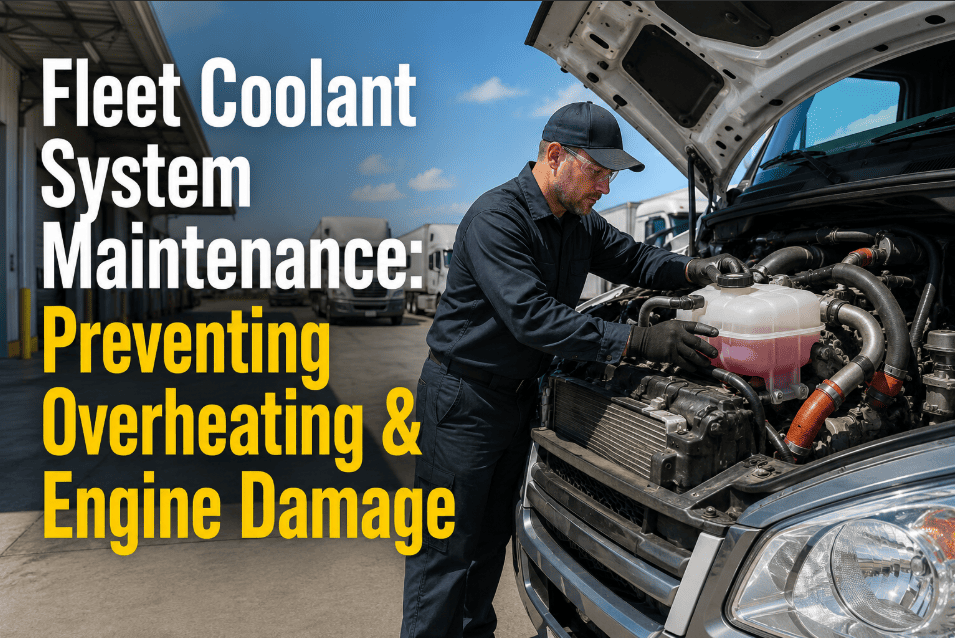
Engine overheating is responsible for 40% of all roadside breakdowns in commercial fleets—and the average repair bill exceeds $15,000 when it leads to catastrophic engine failure. The good news? Nearly 80% of these failures are completely preventable with routine inspections. This engine overheating checklist gives fleet managers and maintenance teams a proven system to catch cooling system problems before they strand vehicles and drain budgets. Whether you manage 5 trucks or 500, implementing these checks can save your fleet thousands in emergency repairs and downtime costs.
Run Engine Overheating Inspections Digitally
Stop relying on reactive fixes after temperature warnings appear. An engine overheating checklist helps your team identify cooling system issues early—before warped heads, blown gaskets, or roadside breakdowns occur. With digital checklists, technicians can inspect coolant levels, hoses, fans, and sensors from any device, while automatic alerts flag critical failures instantly.
Why Engine Overheating Destroys Fleet Profitability
When an engine overheats, the damage cascades quickly. Cylinder heads warp, head gaskets fail, and in severe cases, the entire engine block cracks beyond repair. For fleet operators, this means not just repair costs but lost revenue from vehicles sitting idle, missed deliveries, and damaged customer relationships. Understanding common engine overheating failure patterns helps you prioritize which components need the most attention during inspections. To ensure your cooling system is always monitored, sign up for our maintenance platform today.
Immediate Engine Damage
Temperatures above 240°F can warp aluminum heads in under 5 minutes, causing permanent damage
Escalating Repair Costs
A $50 coolant flush ignored becomes a $15,000+ engine replacement
Vehicle Downtime
Average 7-14 days for major cooling system repairs, plus parts delays
Compliance Risks
DOT inspections flag cooling system failures—putting your authority at risk
The Complete 12-Point Engine Overheating Checklist
This checklist is organized by priority level—start with critical checks that catch the most common failure points, then work through preventive items on a weekly and monthly schedule. For best results, integrate these inspections into your asset management workflow so nothing falls through the cracks. If you need a personalized walkthrough of these steps, schedule a demo with our experts.
Critical Daily Checks
Weekly Inspection Items
Monthly Preventive Checks
Understanding Temperature Danger Zones
Not all temperature readings require the same response. Knowing when to monitor versus when to stop immediately can mean the difference between a minor repair and a destroyed engine. Modern fleet management systems with AI-powered predictive maintenance can automatically alert drivers and dispatchers when temperatures enter warning zones. To automate these alerts, sign up for a free trial.
Engine Temperature Response Guide
Run Digital Inspections From Any Device
Stop using paper checklists that get lost or forgotten. Oxmaint lets your team complete inspections on their phones with automatic compliance tracking and instant alerts for failed items.
The Real Cost of Skipping Inspections
Fleet managers often underestimate how quickly small cooling system problems escalate into major expenses. Here's what happens when preventive maintenance gets deferred. To stop these costs before they start, book a demo to see our preventative maintenance tools in action.
How Digital Checklists Improve Compliance
Paper inspection forms create compliance gaps—forms get lost, handwriting is illegible, and there's no way to verify inspections actually happened. Modern CMMS platforms solve these problems by digitizing the entire inspection workflow.
By centralizing inspection data in your CMMS platform, you create a single source of truth for maintenance history, compliance documentation, and failure trend analysis. This data becomes invaluable for identifying problem vehicles, optimizing PM schedules, and defending against liability claims. To start digitizing your workflow, create your account today.
Frequently Asked Questions: Engine Overheating Checklist
Ready to Prevent Your Next Engine Failure?
Join 500+ fleet operations using Oxmaint to digitize inspections, predict failures before they happen, and keep vehicles on the road.