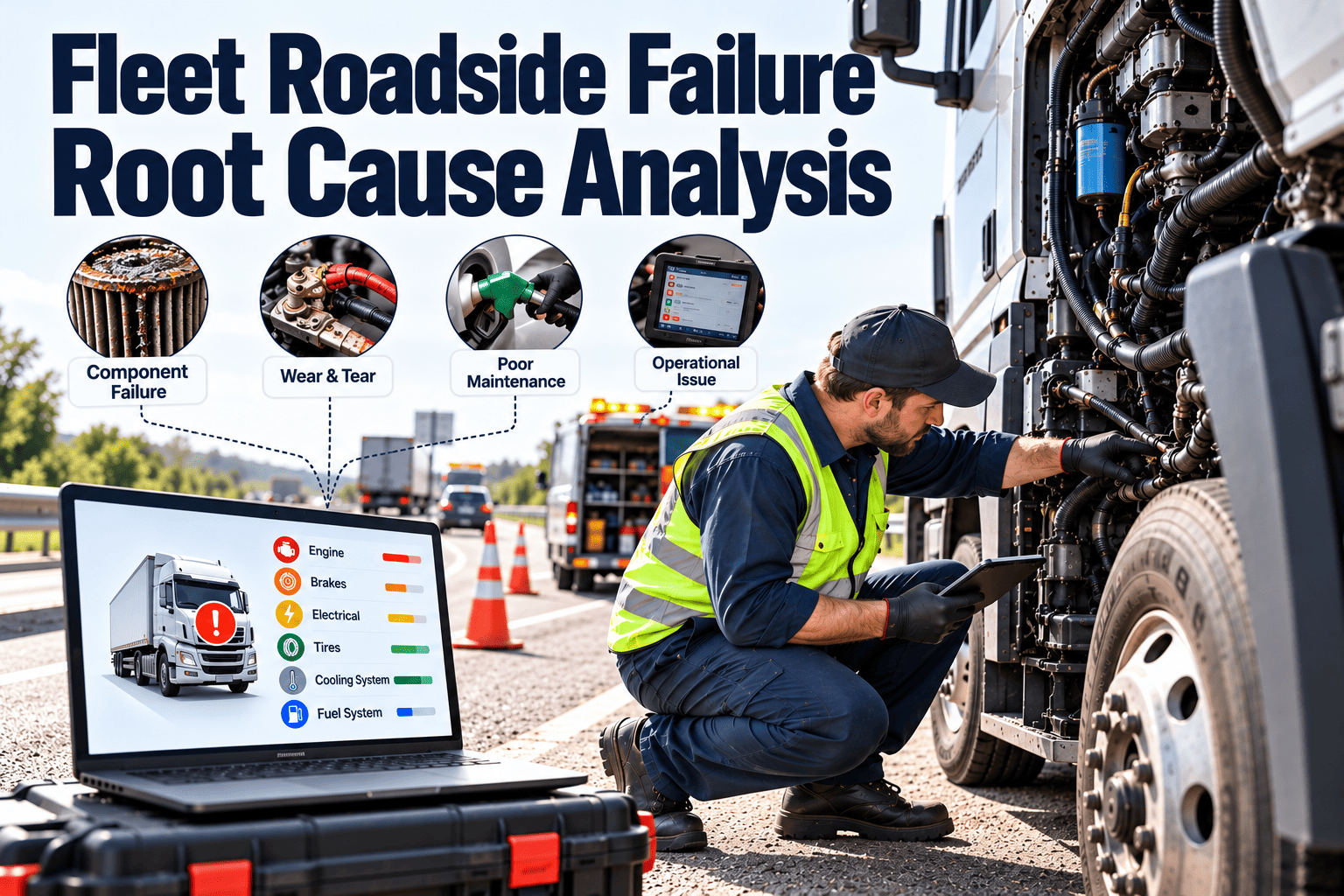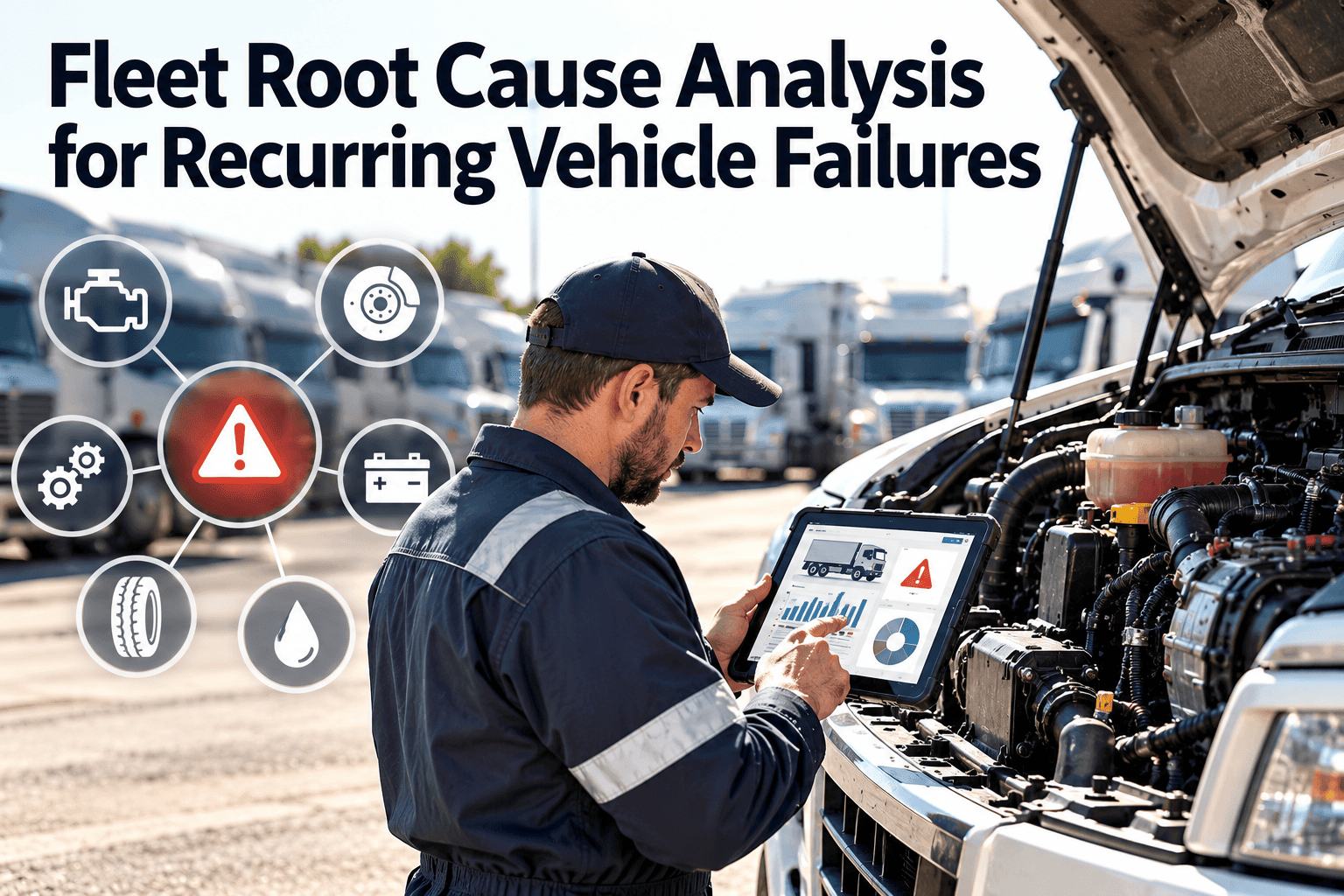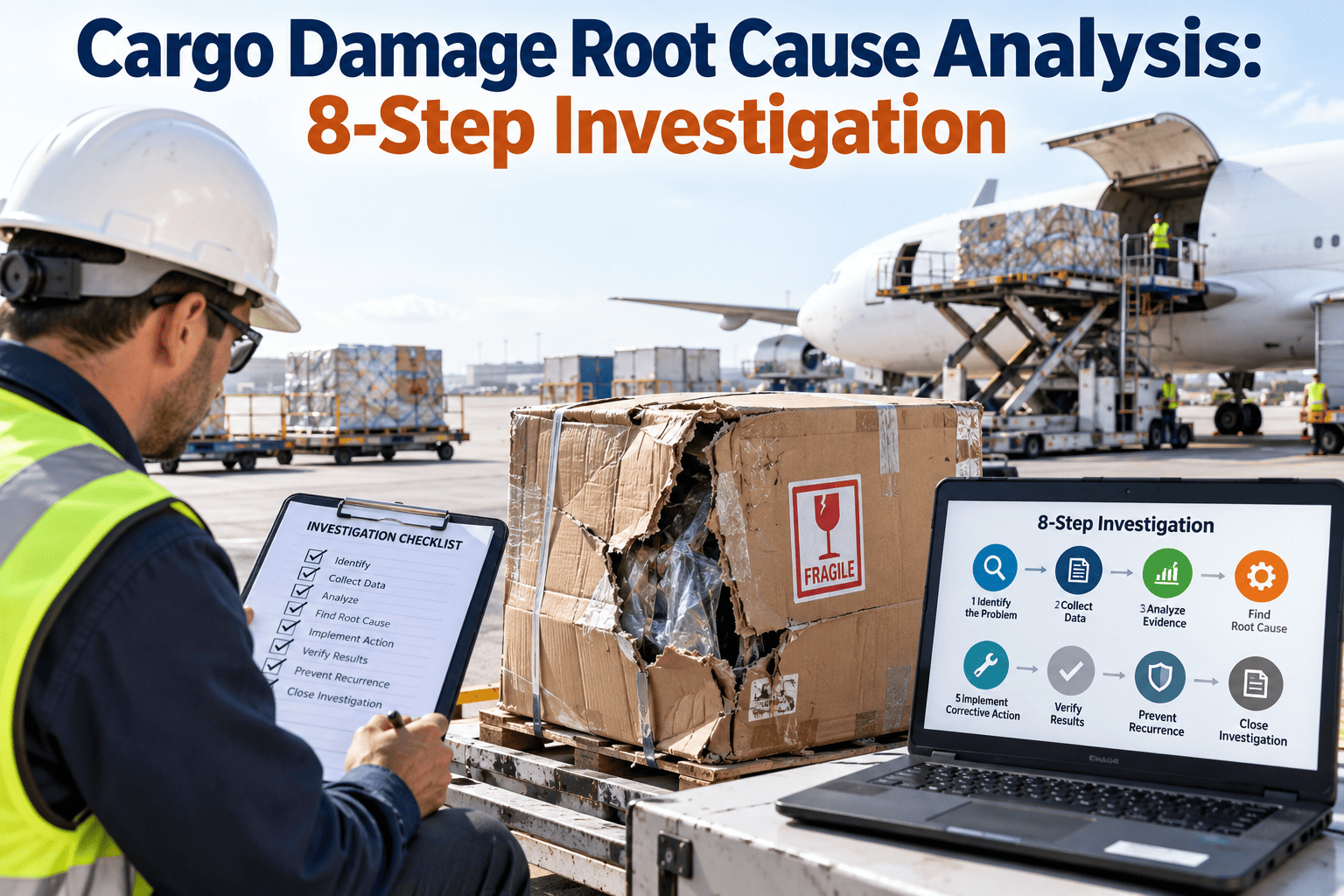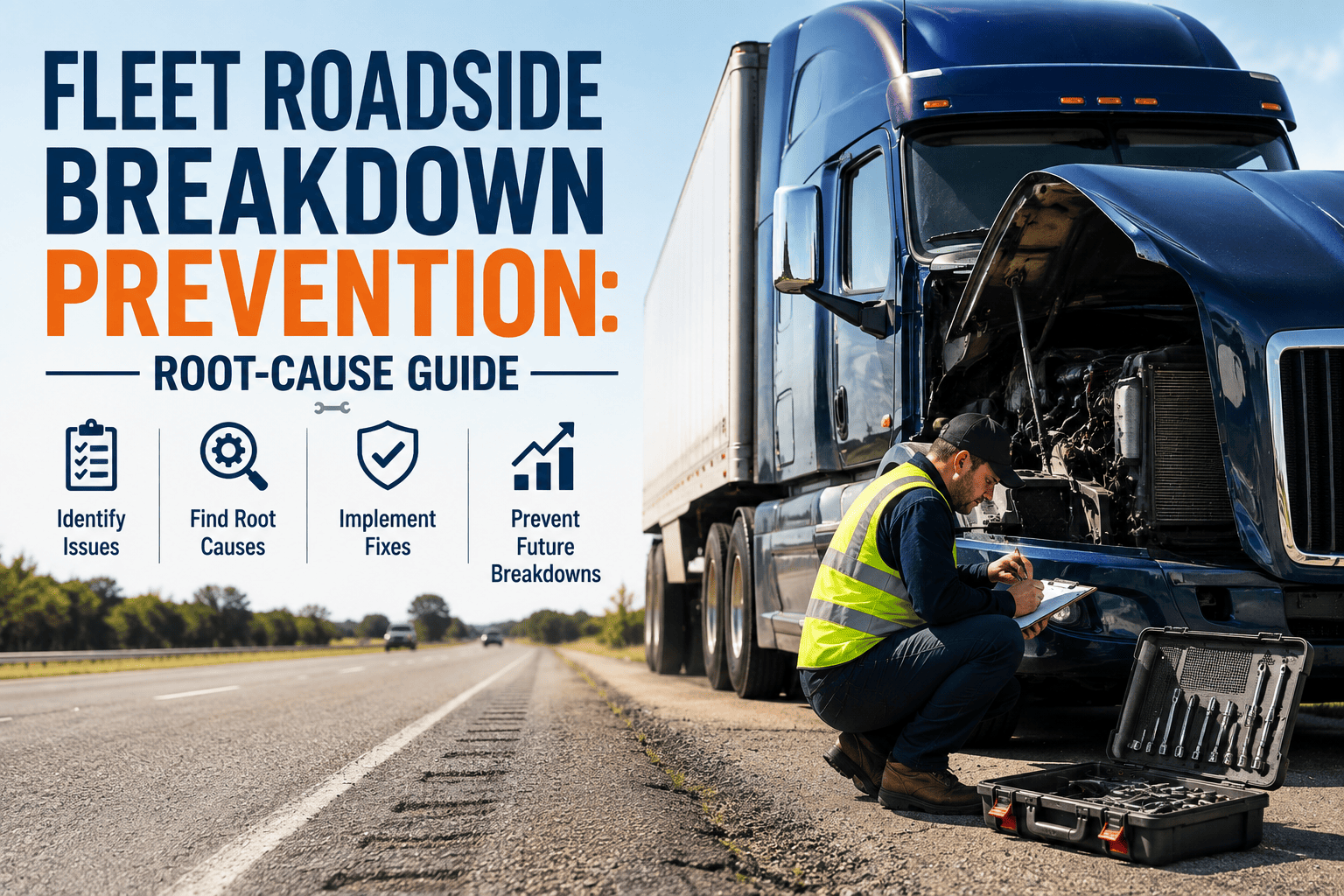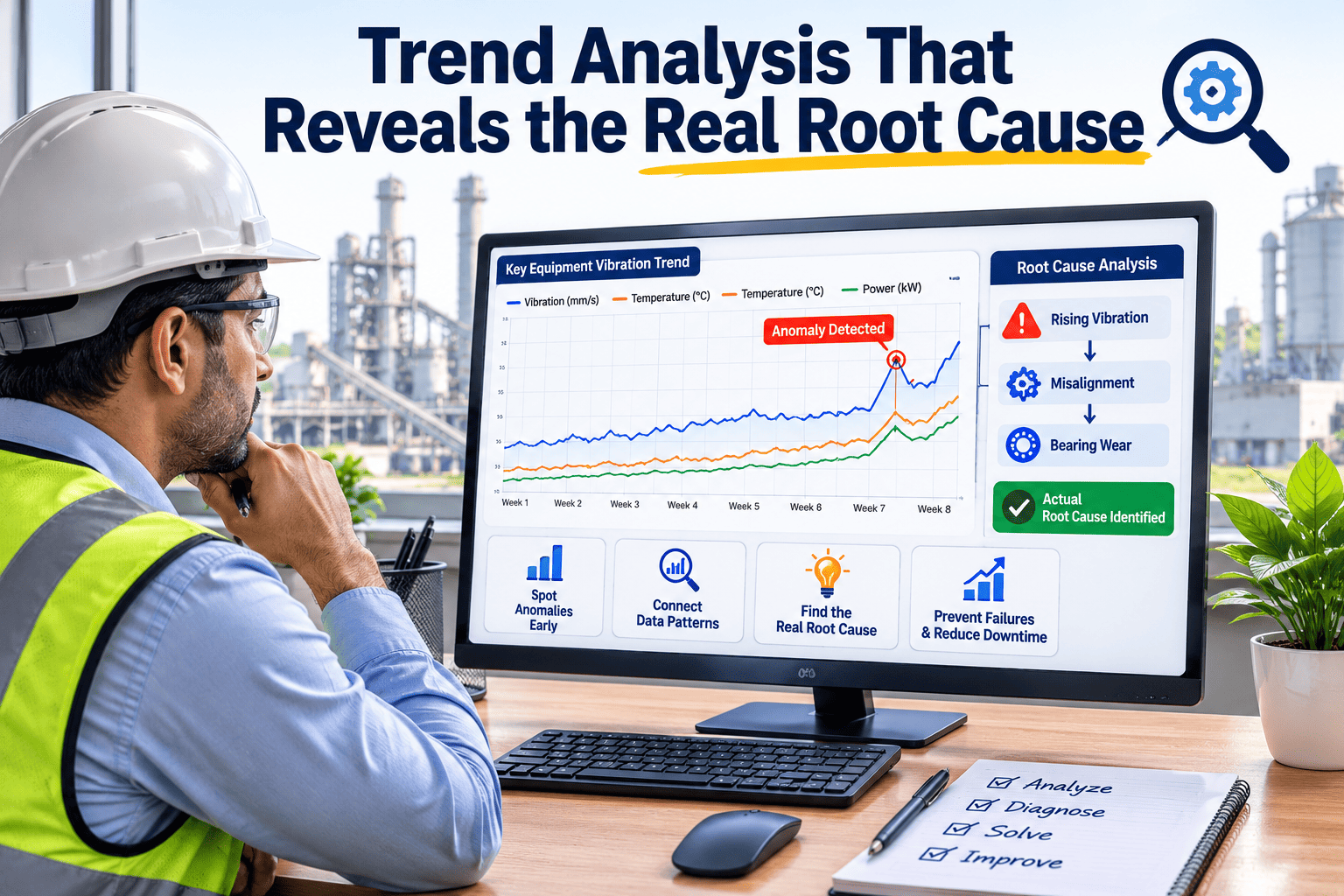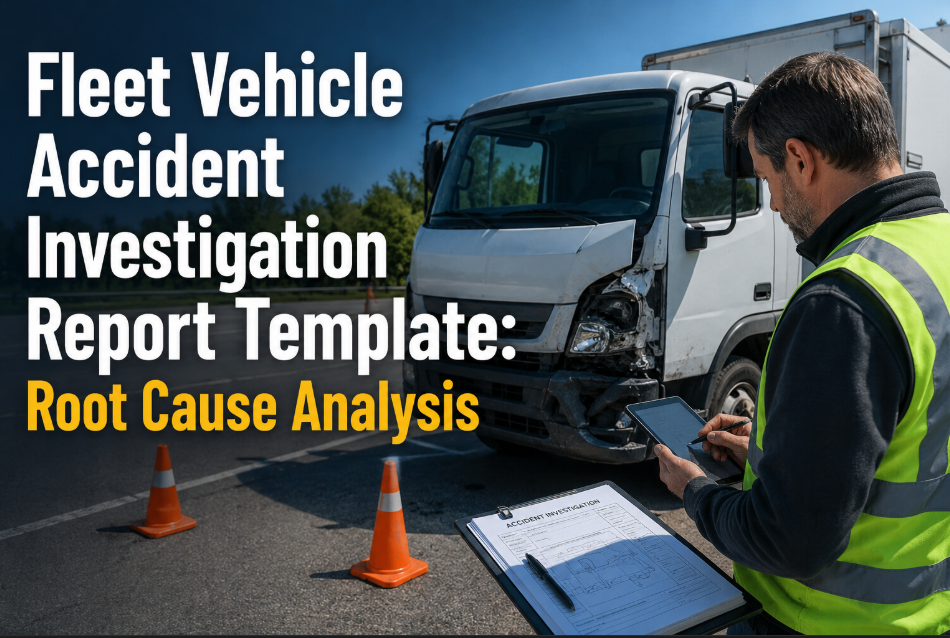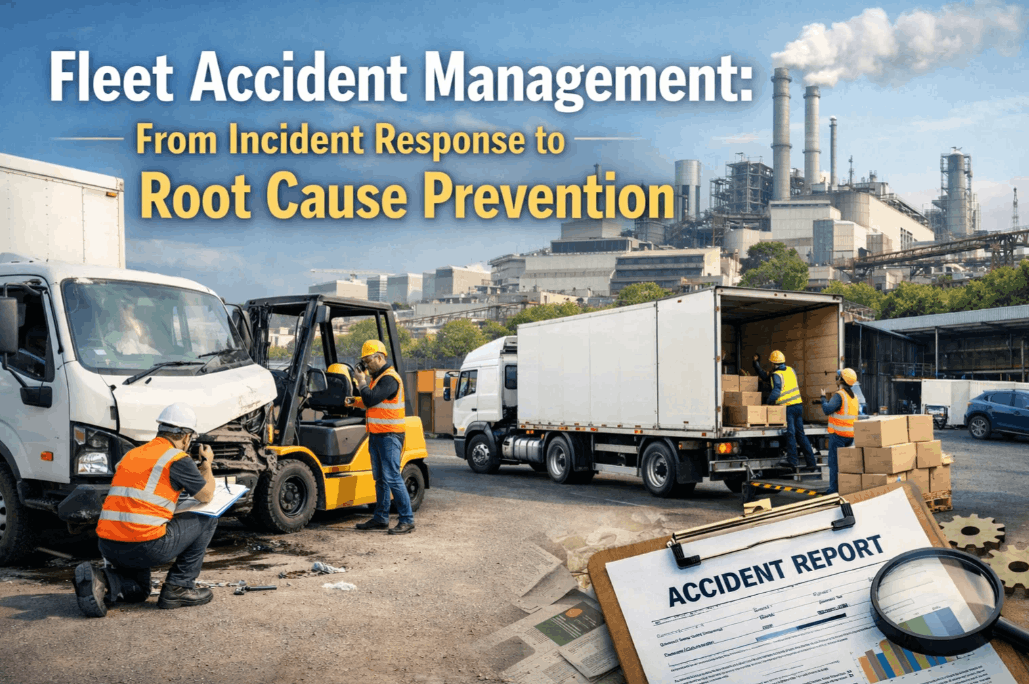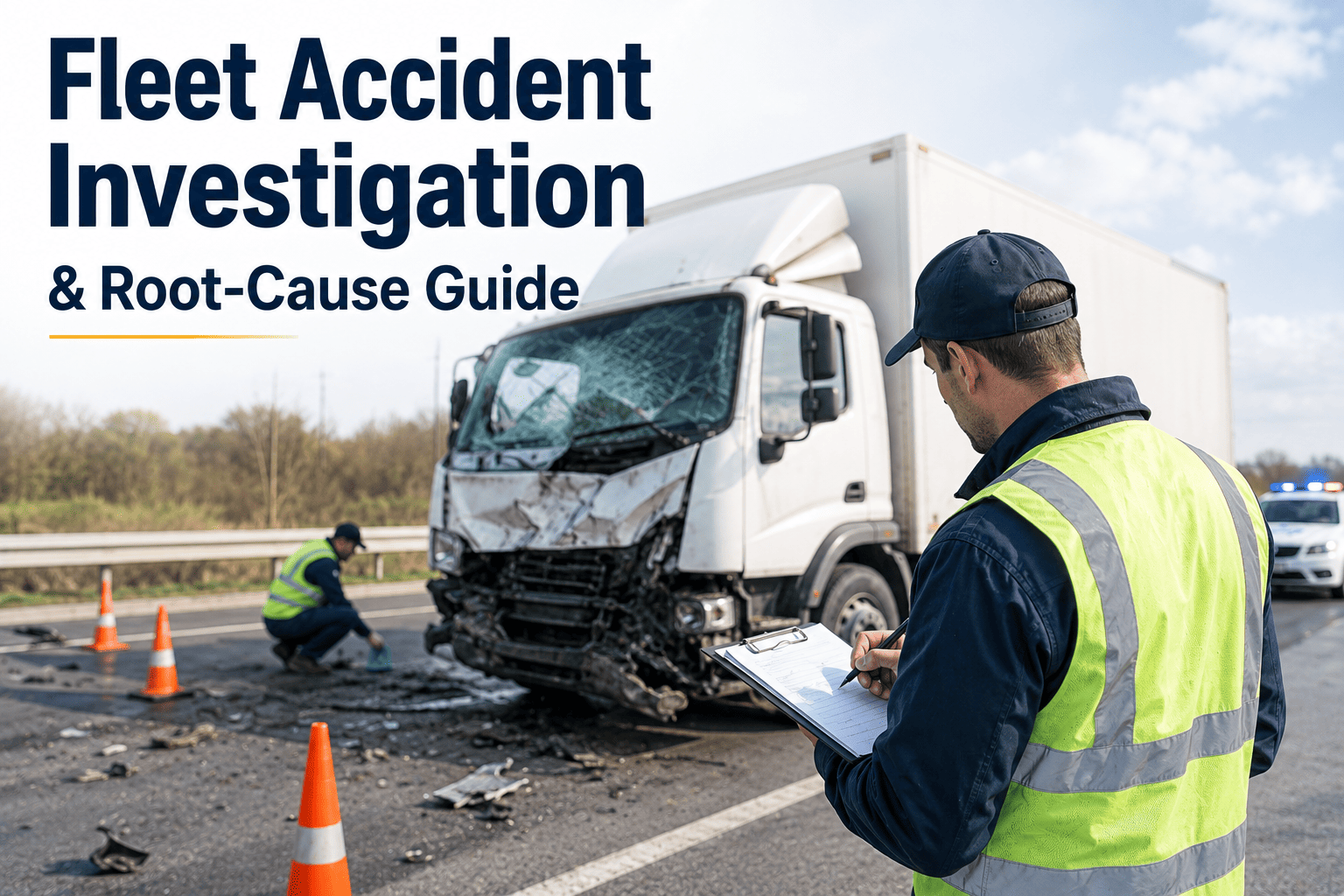
An accident that gets closed the moment the incident report is filed has not actually been investigated — it has only been recorded. Most fleets stop at the first visible cause: the driver was speeding, the brakes failed, the intersection was blind. That answer is rarely wrong, but it is almost always incomplete, because it explains what happened without explaining why the conditions that caused it existed in the first place. Root-cause investigation traces the same accident back through training gaps, maintenance intervals, scheduling pressure, and route design until the actual failure point is found — the one that, left alone, produces the same accident again. Book a demo to see how a structured investigation workflow surfaces causes a standard incident report misses.
Fleet Accident Investigation & Root-Cause Guide
OxMaint gives fleet safety teams a defensible investigation workflow — evidence capture, causal analysis, and corrective action tracking that turns every accident into a permanent fix instead of a repeated one.
Symptom Fixes Don't Prevent the Next Accident
Correcting only the immediate cause of an accident removes a symptom, not the problem. A driver gets a warning for speeding, and the case closes — but the schedule pressure, the fatigue, or the blind-spot route that put them there is still in place, waiting for the next driver.
What Changes When Investigations Go Deeper
| Dimension | Symptom-Level Response | Root-Cause Response |
|---|---|---|
| Investigation Trigger | Only accidents with damage or injury get reviewed | Near misses and close calls are logged and analyzed too |
| Analysis Method | A single conversation with the driver involved | A structured causal chain, such as the 5 Whys method |
| Corrective Action | A verbal warning or a note in the driver's file | A tracked action assigned to a system, not just a person |
| Documentation | A short incident report, filed and forgotten | A searchable case tied to vehicle, driver, and route history |
| Recurrence Risk | High — the underlying condition is still present | Low — the condition that caused it has been changed |
Turn Each Accident Into Evidence, Not Just a Record
OxMaint connects incident reports, maintenance history, and driver data into one investigation workflow, so the root cause of an accident is found in days, not buried in a filing cabinet.
Five Steps From Incident to Permanent Fix
The Measurable Value of Investigating to the Root
Fleet Accident Root-Cause Investigation — Common Questions
An incident report records what happened, while a root-cause investigation asks why the conditions that allowed it existed. Book a demo to see the difference in a real case.
Yes, a near miss is often the same failure chain as a future accident, just without the damage, so it carries the same warning signs. Sign up to start logging near misses today.
Each answer is questioned again with another "why" until the chain stops at a system-level cause instead of a single person's action. Book a demo to see a guided 5 Whys workflow.
A trained safety lead or fleet manager should run the investigation, kept separate from anyone assigning blame, so findings stay objective. Start a free trial to standardize who owns each case.
The same failure pattern is tracked in future incident data — if it stops recurring across the fleet, the corrective action is verified. Book a demo to see verification tracking in practice.
An Accident Not Understood Is an Accident That Repeats.
OxMaint gives fleet safety leaders one workflow for investigation, root-cause documentation, and corrective action tracking — the structure that turns accident data into lasting safety improvement.