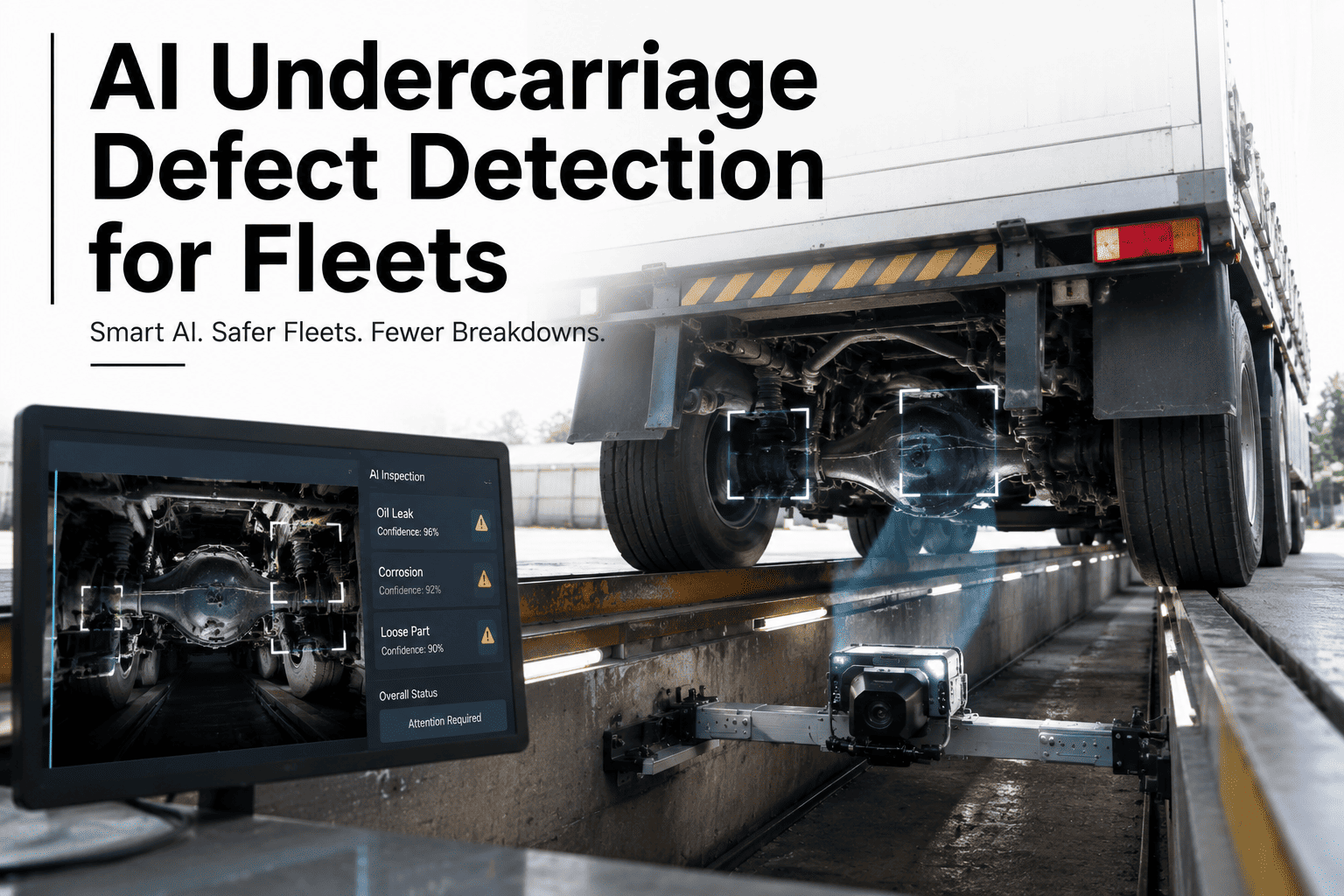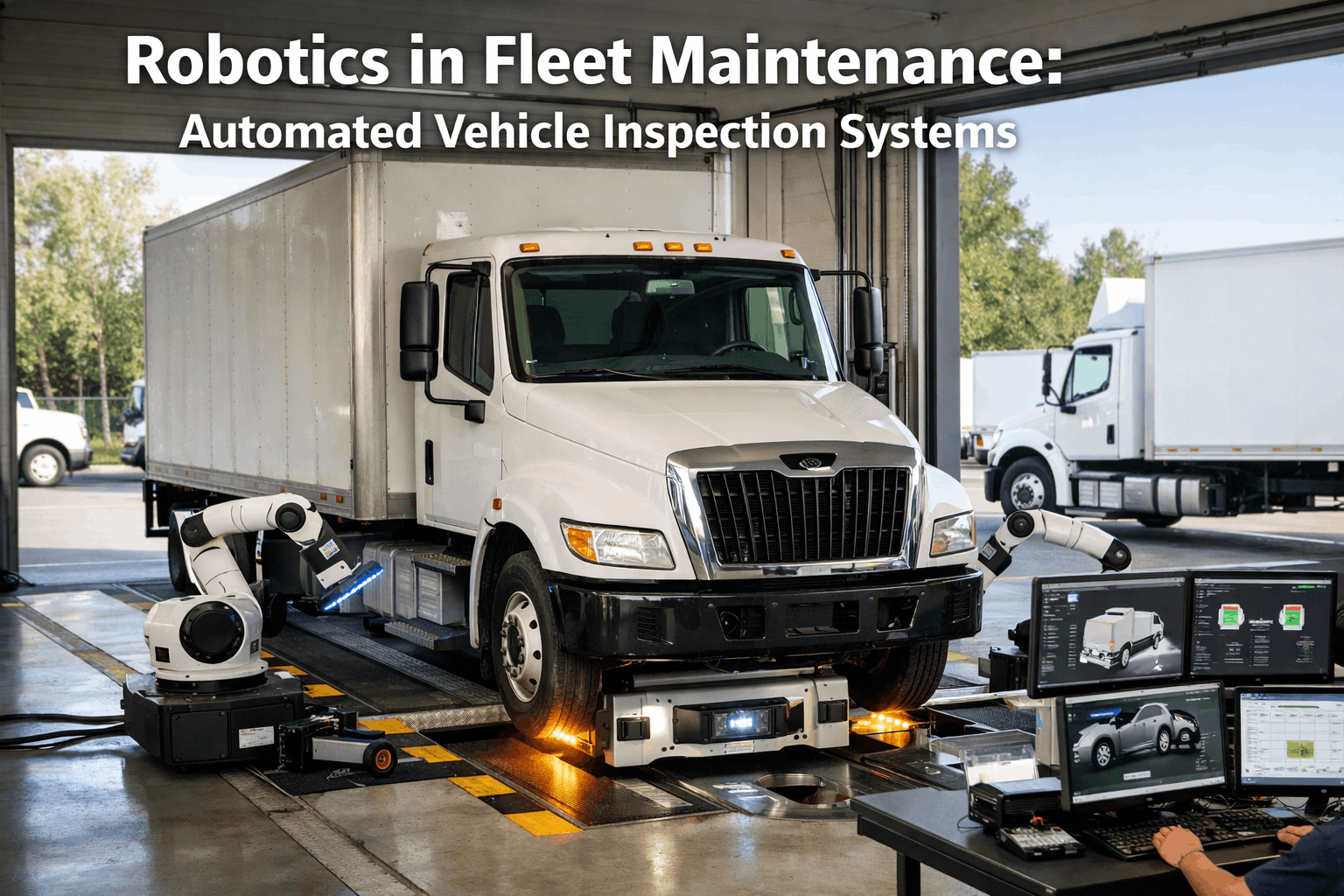
Nobody inspects the underside of a truck properly. Not because inspectors are careless, but because a flashlight and a fifteen-second glance under the frame rail was never going to catch a hairline crack forming where a cross-member meets a mounting bracket. Roughly three in ten roadside breakdowns trace back to a defect that was sitting in plain sight underneath the vehicle the entire time — invisible from a standing walkaround, but obvious the moment a camera looks straight up at it. This page covers how automated underbody scanning finds those defects before they strand a driver, and how Oxmaint turns every scan into a tracked, actionable record.
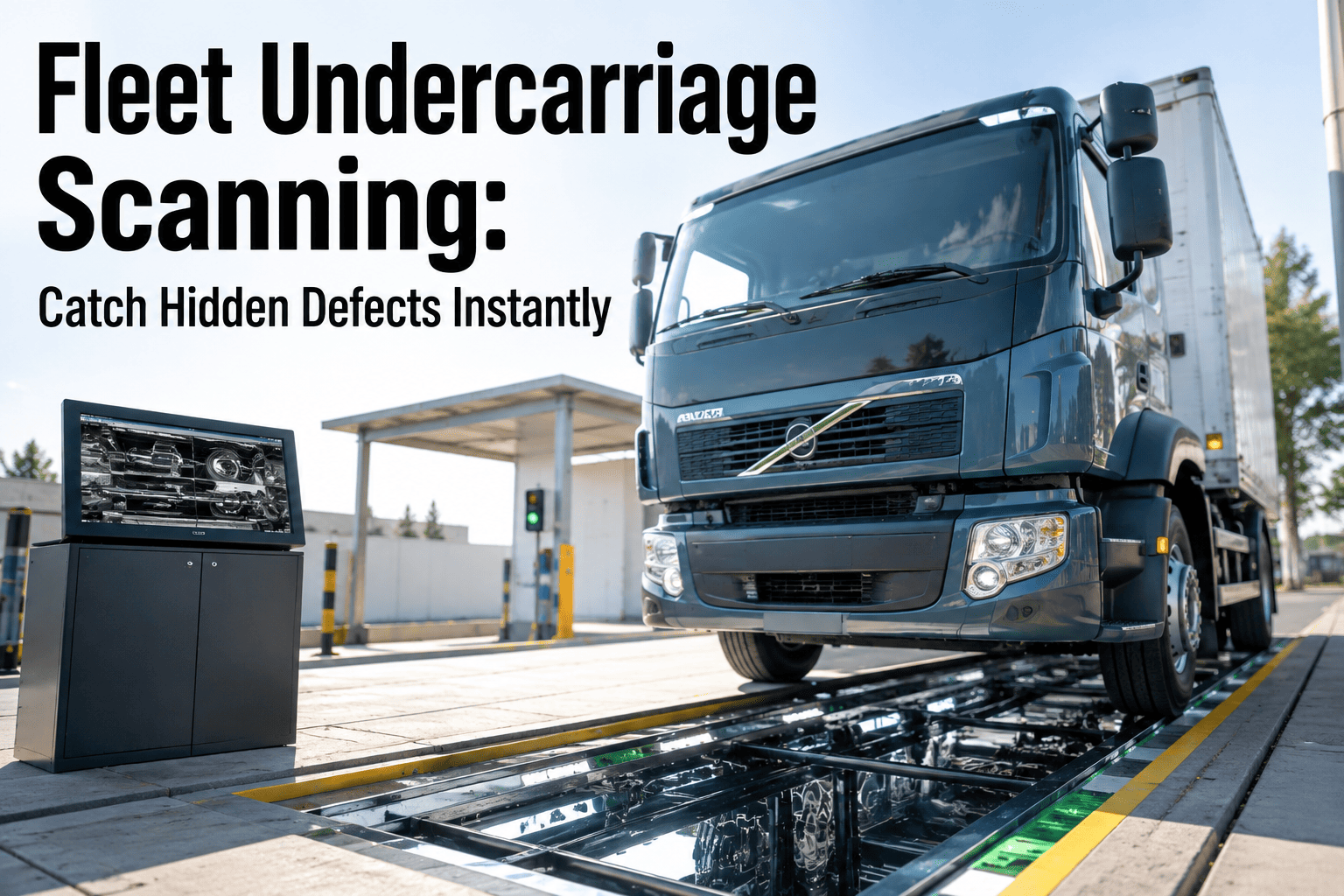
Fleet Undercarriage Scanning: Catch Hidden Defects Instantly
Automated underbody scanning reads every frame rail, axle, brake line, and wiring run in seconds — catching the defects a standing walkaround physically cannot see.
Why the Underside of a Truck Is Where Inspections Fail
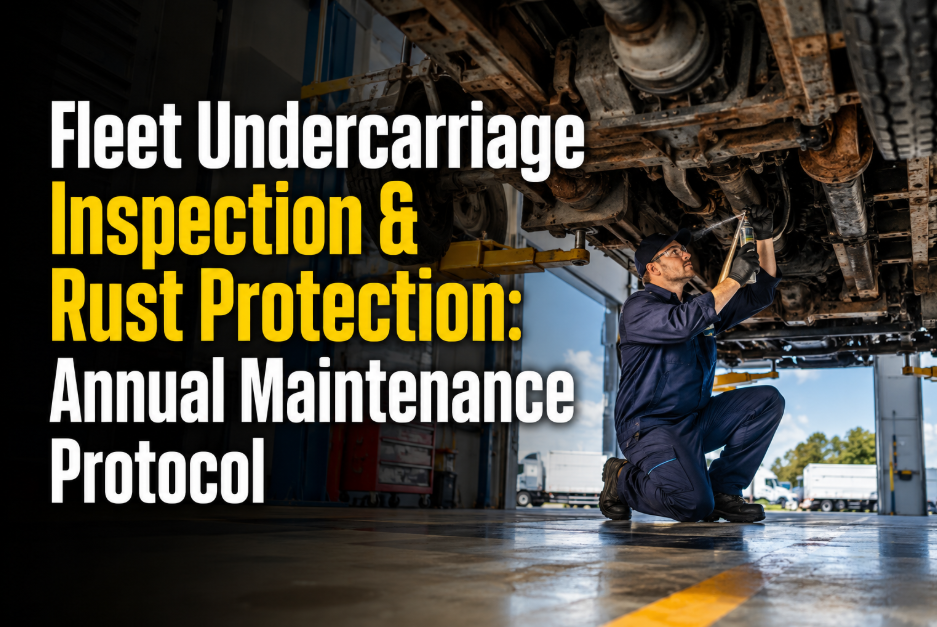
Every other part of a pre-trip inspection happens at eye level. Tires, lights, mirrors, and body panels are all visible from a standing position, so a driver can check them quickly and accurately. The underside is different. It requires crawling underneath, using a flashlight in a space with poor angles and worse lighting, and doing it in under a minute because the driver is on the clock. Almost nobody does this thoroughly, every time, on every vehicle.
That gap matters because the underbody carries the components most likely to cause a sudden, dangerous failure: brake air lines, driveshaft U-joints, leaf spring hangers, and the frame rails holding the whole chassis together. A stress crack that starts small and hidden can propagate for weeks before it becomes a snapped hanger or a brake line failure on the highway. Automated scanning solves the access problem entirely — the camera looks straight up from below, with controlled lighting, on every single pass through the yard.
Six Zones an Automated Underbody Scan Covers
A scan isn't a single photo of the underside — it's a synchronized capture across defined zones, each analyzed for the specific failure modes that occur there.
Reads for stress cracks, bends, and weld failures along the structural backbone of the chassis.
Checks U-joints, housing seals, and driveline components for wear, play, and leak points.
Flags chatter marks, corrosion, and chafing on air lines and brake chamber mounting points.
Identifies fresh fluid drips, staining patterns, and seepage at gaskets, hoses, and fittings.
Detects broken spring leaves, worn bushings, and shifted mounting hangers under load.
Maps rust progression on structural members and chafing damage on ABS and lighting harnesses.
Not Every Flag Means the Same Thing: Severity Classification
A scan is only useful if it tells a fleet manager what to do next. Every finding gets classified by severity so technicians know what needs attention in the next five minutes versus what can wait for the next scheduled service.
| Severity | Example Finding | Required Action | Response Window |
|---|---|---|---|
| Critical | Cracked frame rail, active brake line leak | Vehicle held, immediate repair | Before next dispatch |
| Major | Worn U-joint, corroded mounting bracket | Work order created automatically | Within 48 hours |
| Minor | Early-stage corrosion, minor fluid seep | Logged for next scheduled PM | Next service interval |
| Informational | Surface dirt, cosmetic wear | Recorded, no action required | Monitor on next scan |
Turn Every Underbody Scan Into an Automatic Work Order
Oxmaint routes critical and major findings straight to a technician the moment a scan completes, with the flagged image attached — no manual review queue slowing things down.
Watching a Defect Grow: Why a Single Scan Isn't the Whole Story
A crack that measures two millimeters this month and four millimeters next month tells a fleet manager something a single snapshot never can: how fast a problem is progressing. Repeated scans of the same vehicle, compared against its own scan history, turn underbody inspection from a pass-or-fail checkbox into a running record of exactly how each component is aging.
Without that history, the same vehicle might pass three separate visual walkarounds in a row, because a human inspector has no easy way to compare today's crack to last month's photo from memory.
Flashlight Walkaround vs. Automated Underbody Scan
What Fleets See After Adding Underbody Scanning
Frequently Asked Questions
How long does an underbody scan take per vehicle?
A full scan across all zones typically completes in under two minutes as the vehicle passes over the scanning unit at normal yard speed. Book a demo to see scan timing for your vehicle types.
Does underbody scanning replace the driver's pre-trip inspection?
No. It covers what a driver physically cannot see well from underneath a vehicle, while drivers still confirm items like unusual noises, brake feel, and dashboard alerts that a camera cannot detect.
Can scans track the same defect across multiple visits?
Yes. Each vehicle's scans are compared against its own history, so a growing crack or spreading corrosion patch gets flagged automatically as it changes over time.
What happens when a scan flags a critical defect?
Critical findings can hold the vehicle from dispatch and generate an immediate work order with the flagged image attached, so nothing waits in a manual review queue. Start a free trial to configure severity rules for your fleet.
Is underbody scanning worth it for smaller fleets?
Smaller fleets often see the fastest relative benefit, since a single roadside breakdown avoided can offset a meaningful share of the cost of adding scanning to daily operations.
Stop Guessing What's Underneath — See Every Defect, Every Pass
Oxmaint connects automated underbody scans to work orders, severity triage, and a full scan history per vehicle, so hidden defects get caught and fixed before they turn into a roadside call.