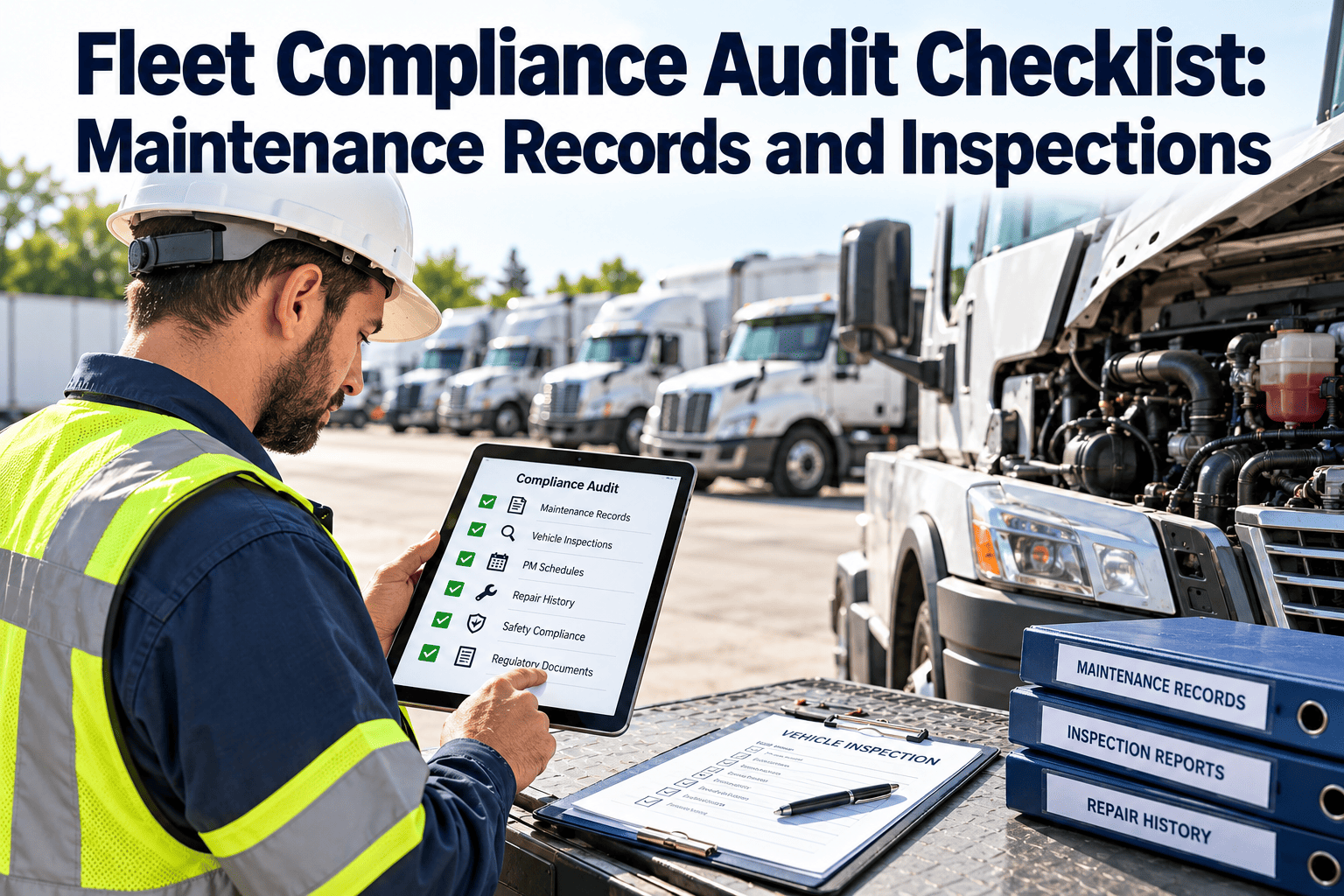
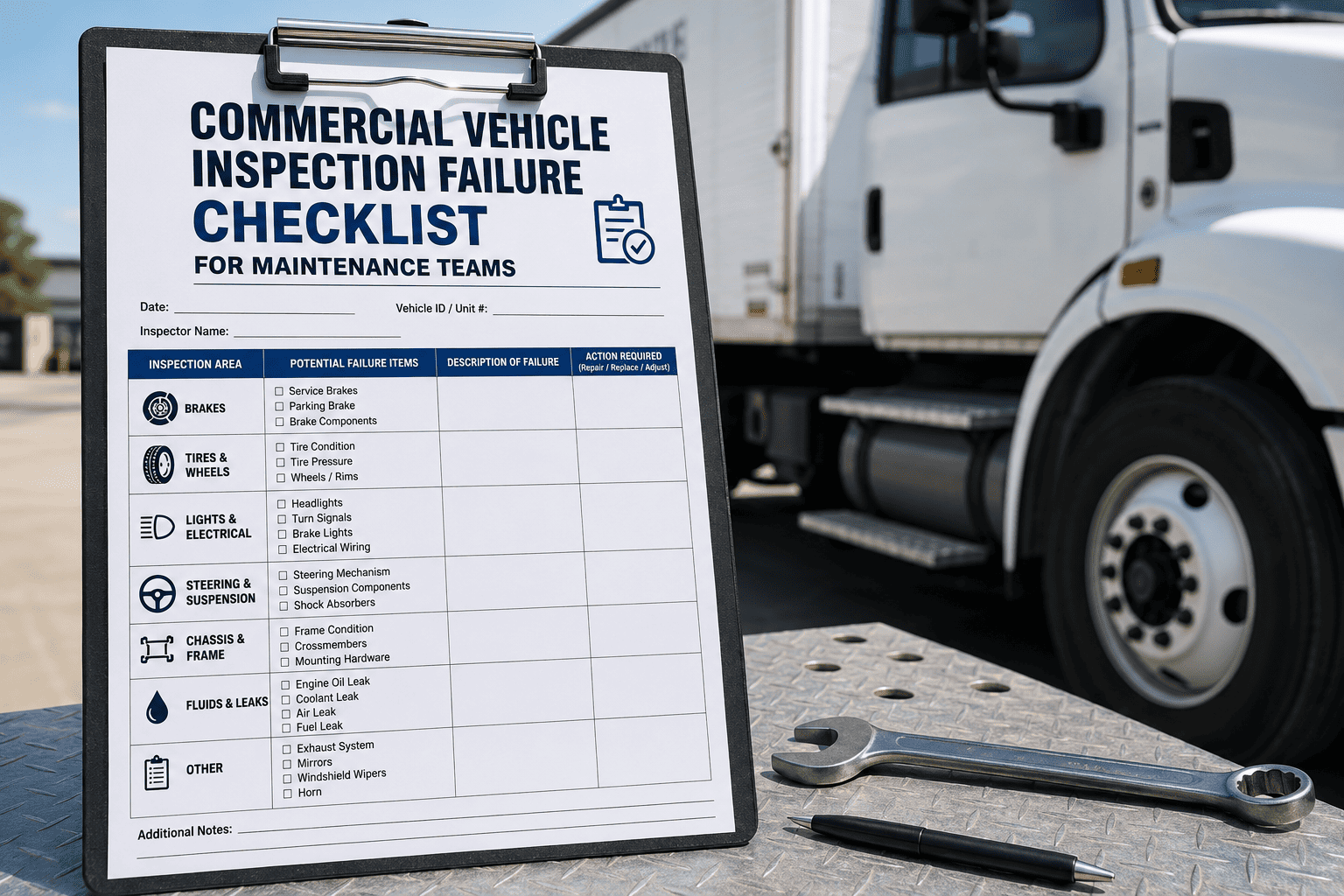
For commercial carriers, fuel system compliance is not just about avoiding fines — it is about maintaining the fundamental license to operate. Under FMCSA Regulation 393.65 and 396.3, a single unsecured fuel line or a weeping tank cap can result in an immediate Out-of-Service (OOS) order, grounding your vehicle and disrupting your entire supply chain. Yet 40% of roadside violations are maintenance-related, often stemming from poor record-keeping rather than actual mechanical failure. The average cost of a single OOS violation event exceeds $14,000 when you factor in fines, towing, emergency repair, lost revenue, and the long-term CSA score impact that increases future inspection frequency. By transitioning to a digital Asset Master strategy, fleet managers can digitize their fuel system inspections, creating an immutable, audit-ready compliance trail that satisfies federal inspectors instantly. If your fleet still relies on paper logs and clipboard inspections for fuel system documentation, now is the time to sign up for OxMaint and eliminate the compliance gaps that put your operating authority at risk.
The Asset Master Compliance Strategy for Fuel Systems
The Asset Master approach shifts fuel system compliance from a reactive scramble to a proactive standard. Instead of digging through filing cabinets for last month's fuel tank inspection report or trying to decipher a driver's handwritten notes about a questionable fuel line connection, a digital CMMS attaches every inspection, repair, and part replacement directly to the vehicle's unique VIN profile. This creates a digital twin of your compliance status that is accessible instantly during a roadside inspection or a scheduled DOT audit.
For fuel systems specifically, this means every fuel tank mounting strap torque check, every fuel line routing inspection, every cap seal verification, and every leak test result is logged with a timestamp, technician ID, and photographic evidence. When a DOT officer asks to see your maintenance records for a specific vehicle, your driver pulls up the complete fuel system history on their mobile device in seconds — not minutes, not hours, and certainly not "I'll have to call the office and get back to you." That level of instant documentation access is what separates fleets that pass inspections from fleets that get grounded.
Understanding 49 CFR 393.65: Fuel System Requirements
Title 49, Code of Federal Regulations, Part 393.65 establishes the federal standards for fuel systems on commercial motor vehicles. This regulation covers every component from the fuel tank itself through the lines, fittings, and connections that deliver fuel to the engine. Understanding each subsection is essential for building inspection checklists that satisfy auditors and protect your fleet from violations.
Section 393.65(b) addresses liquid fuel tank requirements, mandating that tanks must be securely attached to the vehicle frame using mounting hardware that prevents shifting, swaying, or detachment during normal operation or collision forces. The tank body must be free of cracks, pitting, or weld failures that could compromise structural integrity. For diesel fleets, this means regular visual inspection of tank surfaces for corrosion — particularly along the bottom where road debris impact and water accumulation are most severe.
Section 393.65(c) governs fuel line protection, requiring that all fuel lines be routed in a manner that protects them from damage due to vibration, road debris, heat exposure, and contact with moving vehicle components. Lines must not extend below the lowest point of the cab or body unless adequately shielded. This is a frequently cited violation because fuel lines are often rerouted during repairs without attention to the original protected routing path, leaving them exposed to damage that develops over weeks or months of operation.
Section 393.67 covers fuel tank fill pipe and cap requirements, including the safety venting system that prevents tank pressure buildup while ensuring no fuel spillage during transit. A missing, cracked, or improperly sealed fuel cap is one of the simplest violations to detect during a roadside inspection and one of the most preventable with a basic daily check. Ready to build these regulation-specific checks into your daily workflow? Book a demo and see how OxMaint maps every FMCSA requirement to an automated inspection checklist.
FMCSA Fuel System Inspection Checklist
To ensure your fleet meets 49 CFR 393.65 and related regulations, your technicians and drivers must verify specific physical points on the fuel system at every inspection interval. The following checklist covers the critical items that DOT officers evaluate during roadside inspections and compliance audits. Each item maps directly to a federal regulation reference.
DOT / FMCSA Fuel System Compliance Inspection
Fuel Tank Security and Mounting
Verify tank is securely attached to the vehicle frame with no loose straps, cracked brackets, or visible movement when pressure is applied. Check mounting bolt torque against OEM specifications. Inspect strap padding for deterioration that allows metal-to-metal contact with the tank body.
Ref: 393.65(b) — Liquid Fuel Tank RequirementsSystem Integrity — Zero Leak Tolerance
Inspect all fuel lines, connections, fittings, and the tank body for any sign of leakage including active drips, wetness, staining, or fuel odor. Check tank seams, drain plug, and fuel filter housing. Any leak that creates a road hazard or fire risk constitutes an immediate OOS condition.
Ref: 396.3(a)(1) — Safe Operating ConditionFill Pipe and Cap Seal
Ensure fuel cap is present, threads are undamaged, gasket creates a tight seal, and the safety vent functions correctly to prevent pressure buildup. A missing or defective cap that allows fuel spillage during transit is a citable violation and can escalate to OOS if fuel is actively leaking.
Ref: 393.67(c)(7) — Safety Venting SystemFuel Line Routing and Protection
Verify all fuel lines are routed above the lowest point of the cab or body, secured with proper clips and grommets, protected from heat sources (exhaust pipes, turbo housings), and shielded from road debris impact. Check for chafing where lines pass through frame members or body panels.
Ref: 393.65(c) — Fuel Line ProtectionFuel Filter and Water Separator
Inspect fuel filter housing for leaks, verify filter change interval is current per PM schedule, and drain water separator if equipped. Contaminated fuel or a clogged filter can cause engine stalling — creating a safety hazard in traffic that constitutes an unsafe operating condition.
Ref: 396.3(a)(1) — Safe Operating ConditionFuel Crossover Lines (Dual Tank Systems)
For vehicles with dual fuel tanks, inspect crossover lines and selector valve for leaks, proper routing, and secure connections at both tank fittings. Crossover line failures are a common source of fuel leaks that go undetected because the drip originates between the frame rails where it is difficult to see during a walkaround.
Ref: 393.65(b)(c) — Tank and Line RequirementsIs Your Fleet Audit-Ready Today
Digitize your fuel system compliance workflow and eliminate the risk of lost paperwork, missed inspections, and five-figure violation fines. OxMaint maps every FMCSA requirement to an automated checklist your team can complete in minutes.
The Cost of Manual vs. Digital Fuel System Compliance
The financial argument for digital compliance documentation is overwhelming when you examine the true cost of paper-based systems. Manual compliance is not just slower — it is structurally unreliable. Paper forms get lost, coffee-stained, misfiled, or completed with illegible handwriting that an auditor cannot verify. When a DOT inspector requests your fuel system maintenance records for a specific vehicle and you cannot produce them within a reasonable time, the absence of records is itself a citable violation regardless of whether the actual maintenance was performed.
Beyond the direct cost comparison, digital compliance creates compounding value over time. Every fuel system inspection logged in OxMaint builds a historical trend that reveals patterns — which vehicles have recurring fuel line issues, which routes correlate with increased tank strap wear from road conditions, which technicians consistently produce the most thorough inspection documentation. This data transforms compliance from a cost center into a decision-making tool that actively reduces your total maintenance spend. Sign up for OxMaint and start turning compliance data into operational intelligence.
Common Fuel System Violations and How to Prevent Them
Understanding which fuel system violations DOT officers cite most frequently helps fleet managers focus their inspection efforts where they matter most. The following are the highest-frequency and highest-severity fuel system violations encountered during roadside inspections, along with the specific preventive measures that eliminate each risk.
Active Fuel Leak
Any drip, seep, or spray from the tank, lines, fittings, or filter housing that creates a road hazard or fire risk. This is an immediate OOS condition. Prevention: inspect all connection points at every PM service, replace flexible lines at OEM intervals, and use OxMaint to track line age and replacement schedules by vehicle.
Loose or Missing Tank Mounting
Tank straps that are loose, cracked, or missing allow the tank to shift during braking or cornering — creating a catastrophic failure risk. Prevention: include strap torque checks in every 90-day PM, photograph strap condition during inspections, and set automated replacement reminders based on mileage.
Missing or Defective Fuel Cap
A missing cap or one with a damaged gasket that fails to seal properly. Escalates to OOS if fuel is actively splashing or leaking. Prevention: include cap seal check in every daily DVIR, keep spare caps in the cab, and flag cap replacements in OxMaint when gasket wear is noted.
Unprotected Fuel Line Routing
Lines routed below the cab floor without shielding, or lines in contact with exhaust components or moving parts. Prevention: verify line routing after every repair that involves line disconnection, photograph routing paths, and compare against OEM specifications stored in the asset master.
Missing Maintenance Records
Failure to produce fuel system inspection and maintenance records upon request. This is the most frequently cited violation because it is the easiest to detect — either you have the records or you do not. Prevention: digital CMMS eliminates this risk entirely by creating permanent, searchable records automatically.
Tank Body Damage or Corrosion
Visible cracks, deep pitting, failed welds, or corrosion holes in the tank body that compromise structural integrity. Prevention: include tank surface inspection in quarterly PM checklists, document corrosion progression with dated photos, and schedule tank replacement before perforation occurs.
CSA Scores and Fuel System Maintenance Impact
The FMCSA's Compliance, Safety, Accountability (CSA) program tracks every maintenance violation detected during roadside inspections and assigns severity-weighted points that remain on your carrier record for 24 months. Fuel system violations carry some of the highest severity weights in the Vehicle Maintenance BASIC category because of the immediate fire and environmental hazard they represent.
An active fuel leak carries a severity weight of 8 out of 10 — one of the highest possible scores. A loose tank mounting is weighted at 6. Even a missing fuel cap, which seems minor, carries a weight of 3 that accumulates with each occurrence. High CSA scores trigger increased inspection frequency, meaning that a single fuel system violation can lead to more inspections over the next two years, which statistically increases the probability of additional citations being discovered. This compounding cycle is why proactive fuel system maintenance is not just about passing today's inspection — it is about reducing your exposure to future inspections.
Fleets using structured CMMS workflows report an average 35% reduction in CSA point accrual within the first year, primarily because automated PM scheduling and digital DVIRs catch issues in the yard before they reach a weigh station. Book a demo to see how OxMaint's compliance dashboard tracks your CSA exposure in real time and flags vehicles that are overdue for fuel system service.
"The DOT officer does not just want to see that the truck is safe today — they want proof that you have a systematic maintenance program in place. A clean, digital history of fuel system inspections is the fastest way to pass an audit and get your driver back on the road. The fleets that invest in digital compliance documentation are not just avoiding fines; they are building a verifiable safety culture that protects their operating authority, their insurance rates, and their drivers."
Building a Fuel System PM Schedule That Satisfies Auditors
A compliant fuel system preventive maintenance schedule must balance regulatory minimums with practical fleet realities. FMCSA does not prescribe exact PM intervals for fuel systems — instead, regulation 396.3 requires that carriers maintain a "systematic inspection, repair, and maintenance" program. The burden is on the carrier to demonstrate that their chosen intervals are adequate to keep vehicles in safe operating condition. This means your PM schedule must be defensible during an audit, with documented rationale for the intervals you have selected.
For most heavy-duty diesel fleets, industry best practice establishes the following fuel system inspection intervals: daily DVIR checks covering cap seal, visible leaks, and tank security; 30-day technician inspections covering line routing, filter condition, and connection integrity; 90-day comprehensive inspections covering tank surface condition, mounting strap torque, crossover line condition, and fuel sample analysis; and annual deep inspections covering tank removal for underside inspection, strap and bracket replacement assessment, and complete line replacement evaluation.
OxMaint automates this entire schedule by attaching fuel-system-specific PM triggers to each vehicle's asset master record. When a vehicle reaches its 30-day or 90-day milestone based on actual mileage or calendar date, the system automatically generates a work order with the pre-populated fuel system checklist, assigns it to a qualified technician, and notifies the maintenance supervisor for scheduling. No manual tracking required, no milestones missed, no audit gaps. Sign up for OxMaint and build your defensible PM schedule today.
DVIR Requirements for Fuel System Defects
FMCSA Regulation 396.11 requires drivers to prepare a written report (DVIR) at the end of each driving day that identifies any condition of the vehicle that could affect safe operation or result in a mechanical breakdown. Fuel system defects — leaks, loose fittings, damaged caps, fuel odor — fall squarely within this requirement. A driver who notices a fuel stain on the ground under the truck and fails to document it on their DVIR is in violation of 396.11, and the carrier is in violation of 396.13 if the vehicle is dispatched without the reported defect being addressed.
Digital DVIRs through OxMaint solve the three most common problems with paper-based driver inspection reports. First, legibility — digital entries are typed, not scribbled. Second, completeness — the system requires all fields to be filled before submission, eliminating partial or blank reports. Third, response time — when a driver flags a fuel system defect on their digital DVIR, the maintenance team receives an instant notification with the defect description, vehicle location, and photo evidence. The work order is generated before the driver finishes their post-trip routine. This closed-loop system satisfies 396.11 and 396.13 simultaneously while creating the audit trail that proves your fleet has a responsive defect resolution process. Book a demo to see digital DVIRs in action.
Automate Your Fuel System Compliance Today
Secure your operating authority with the industry's most robust Asset Master system. Digitize inspections, automate PM schedules, and give your team instant access to audit-ready records.
Frequently Asked Questions
What are the specific FMCSA requirements for fuel tanks
Under 49 CFR 393.65 and 393.67, fuel tanks must be securely attached to the vehicle frame using mounting hardware that prevents any shifting or detachment. The tank body must be free of cracks, pitting, and weld failures that compromise structural integrity. The fill pipe must have a cap that prevents spillage, and the safety venting system must function correctly. Fuel lines must be routed to protect them from damage and must not extend below the lowest point of the cab or body without adequate shielding.
How long must I keep fuel system maintenance records
FMCSA Regulation 396.3(b) requires that maintenance records be retained for one year while the vehicle is in your service, and for six months after the vehicle leaves your control (sold, transferred, or retired). Records must include the vehicle identification, date of service, nature of inspection or repair performed, and the identity of who performed the work. Digital CMMS storage ensures these records are permanently retained, searchable, and never lost or destroyed.
Can a missing fuel cap cause an Out-of-Service order
Yes. A missing or unsecured fuel cap is a violation of 393.67. While it may sometimes result in a citation only, if fuel is actively leaking, splashing, or dripping from the fill pipe due to the missing cap, the condition becomes an immediate imminent hazard that results in an Out-of-Service order. The vehicle cannot be moved until the defect is corrected.
Does OxMaint generate DVIRs for drivers
Yes. OxMaint provides digital Driver Vehicle Inspection Reports (DVIRs) that drivers complete on their mobile devices. The fuel system section includes specific prompts for cap seal, visible leaks, tank security, and line condition. Any defects noted are instantly flagged for the maintenance team with a notification, photo attachment, and automatic work order generation — satisfying the requirements of 396.11 and 396.13 simultaneously.
What is the penalty for a fuel system violation during a DOT audit
Penalties range from approximately $1,000 to $16,000 per individual violation depending on severity. An active fuel leak that poses fire or environmental risk carries the highest penalties and results in an immediate OOS order. Missing records violations, while lower in per-incident cost, compound quickly across multiple vehicles. Systemic failures — such as no documented fuel system inspection program across your fleet — can result in fines exceeding $50,000 and potential suspension of operating authority.
How does a CMMS specifically help with fuel system compliance
A CMMS automates the three pillars of fuel system compliance: scheduling (PM triggers ensure inspections happen on time), documentation (digital checklists with photo capture create audit-ready records), and response (defects flagged in DVIRs automatically generate work orders with priority routing). This closed-loop system ensures that no inspection is missed, no defect goes unaddressed, and every action is permanently documented with a verifiable audit trail.