Fuel is one of the largest operating costs in any fleet, and it is also one of the easiest to lose without noticing. A card used off-route, a siphoned tank at the yard, a tampered sender or a genuine leak can all look like the same thing on a monthly report: fuel bought but not used. This checklist helps fleet teams separate theft from mechanical loss, build repeatable checks and escalate on evidence. Fleet maintenance software keeps the vehicle history that makes those comparisons possible.
Fleet Inspections and Compliance
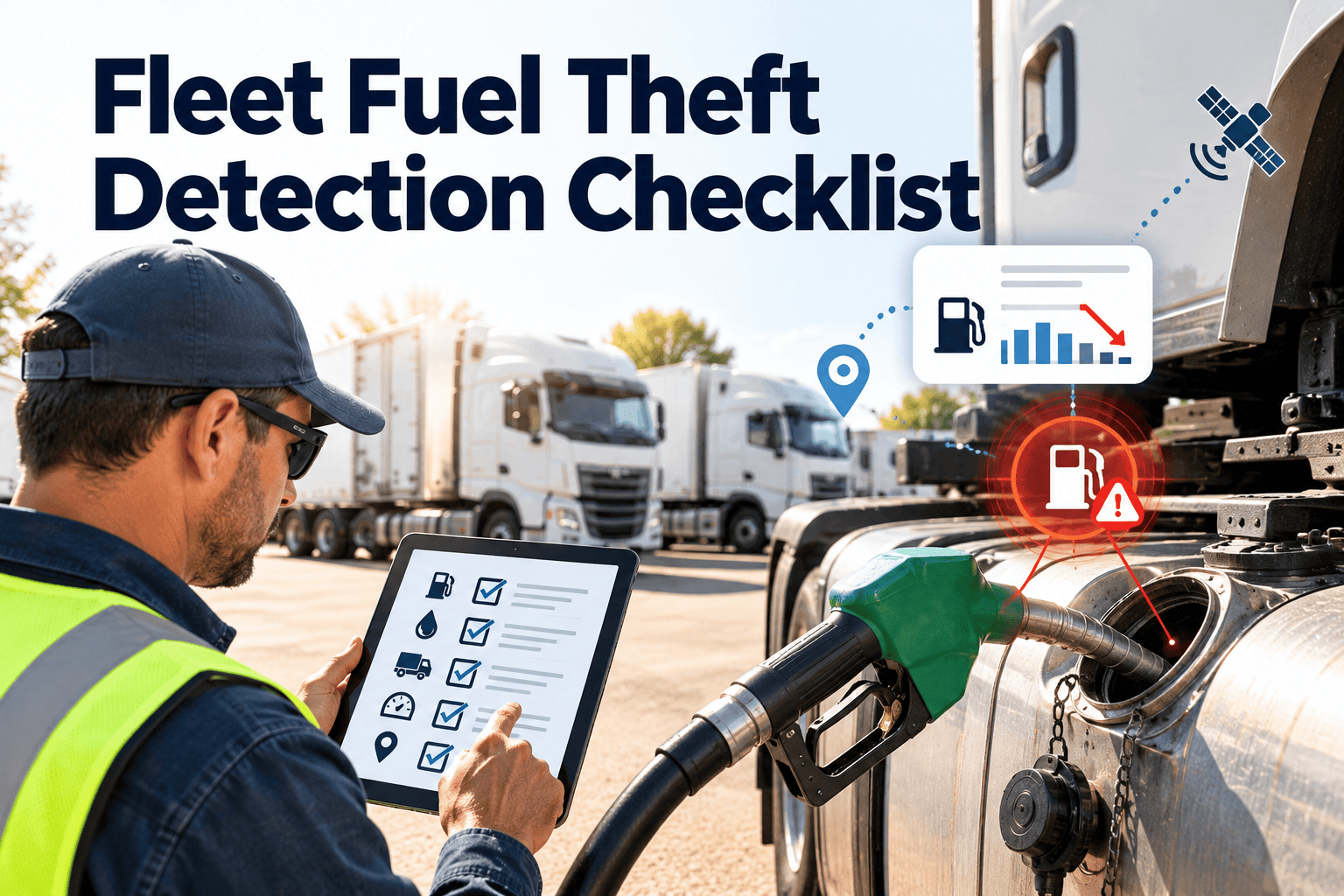
Fleet Fuel Theft Detection Checklist
A structured checklist for spotting fuel loss, checking the vehicle before blaming the driver, and escalating suspected theft with evidence.
1Fuel purchasedCard, receipt, bulk tank issue
2Fuel that fitsTank capacity and gauge change
3Fuel consumedDistance, hours, idle and load
?VarianceInvestigate the gap
Start Here
Theft or Mechanical Loss: Rule Out the Vehicle First
Not every fuel variance is theft. Check the vehicle and the data before raising a concern about a person, and keep any suspicion confidential until evidence supports it.
| Pattern in the data | Possible theft cause | Possible mechanical or data cause |
|---|---|---|
| Fill volume larger than the tank holds | Fuel put into another vehicle or container | Wrong tank size in the record or a shared card |
| Poor fuel economy across many trips | Regular fuel diversion | Injector fault, low tyre pressure, dragging brakes, heavy idling |
| Fuel level drops while parked | Siphoning | Leak, faulty return line or sender error |
| Purchases off the assigned route | Card misuse | Route change or detour not recorded |
| Bulk tank stock does not match issues | Unrecorded withdrawals | Meter error, dip error or temperature effects |
Check frequency key
DDaily
WWeekly
MMonthly
EOn exception
Section 01
Fuel Card and Transaction Review
Every fuel transaction matched to a vehicle, driver, location, time and volume, with cards assigned to one vehicle or one person.
Escalate if: a card is shared or unassigned. Suspend and reissue it.
Fill volume compared with tank capacity. Flag any purchase above what the tank could have held at the time.
Escalate if: volume exceeds capacity. Check the tank record, then the driver's explanation.
Purchase location, day and time compared with the assigned route and shift, including weekends and days off.
Escalate if: purchases fall outside duty. Request trip records.
Multiple fills in a short window, split transactions and fuel type mismatches reviewed.
Escalate if: a pattern repeats. Add the card to a watch list.
Card limits, PIN rules and odometer entry requirements checked for weak points.
Escalate if: odometer entry is optional or often wrong. Make it mandatory.
Section 02
Vehicle Fuel System Inspection
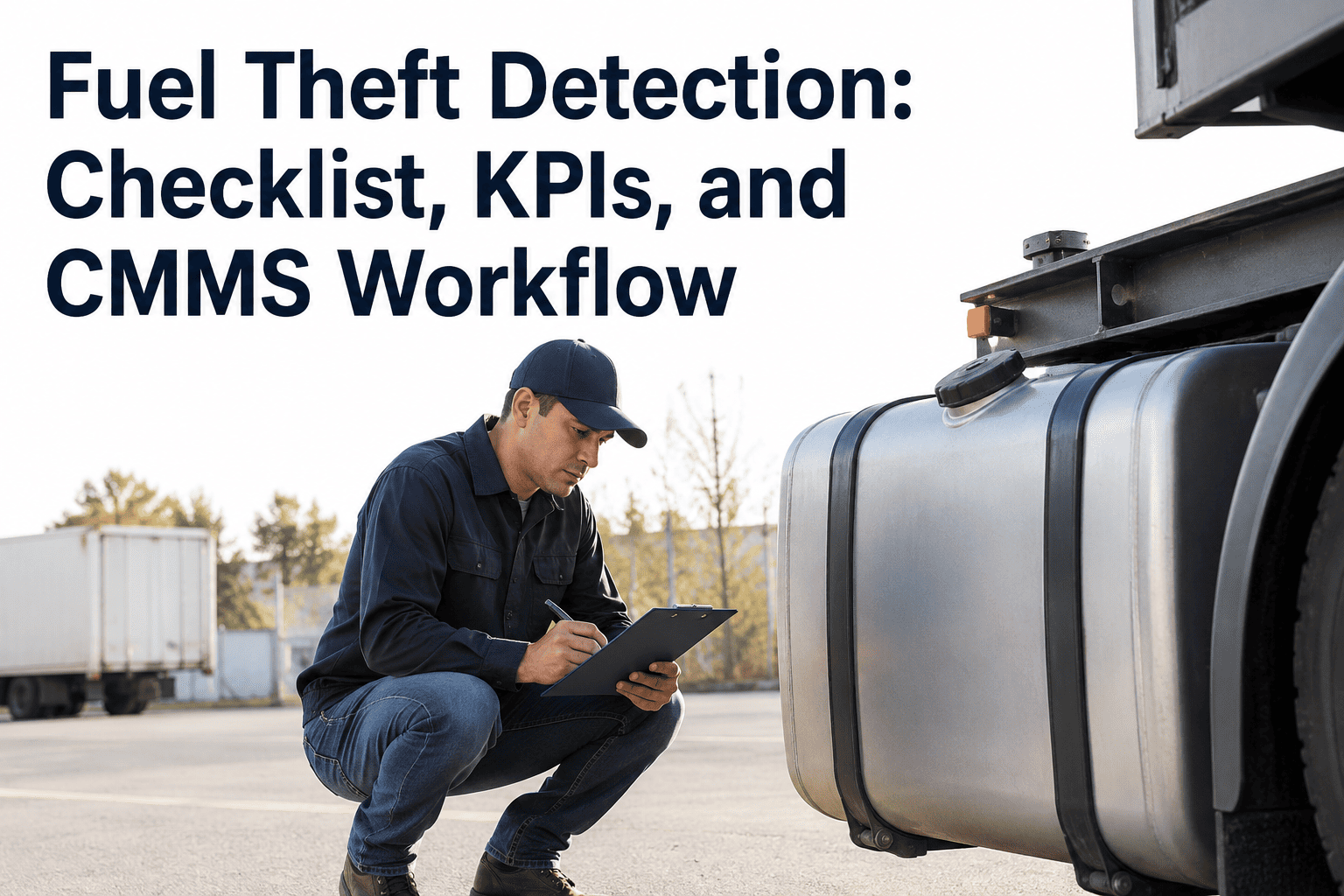
Fuel caps, locks and tank straps inspected for tampering, missing caps or damage. Consider locking caps where risk is high.
Escalate if: a lock or cap shows forced entry. Photograph and report.
Tank, lines, filters and fittings inspected for leaks, drips and staining under the vehicle.
Escalate if: any leak is found. Treat as a safety defect and raise a work order.
Fuel level sender and gauge accuracy checked by comparing gauge change with volume added at a known fill.
Escalate if: gauge and volume disagree. Repair or calibrate the sender.
Engine performance issues reviewed, including injectors, air filters, tyre pressure and brake drag, which raise fuel use without theft.
Escalate if: economy dropped after a repair or a fault code. Review the last work order.
Check the Vehicle History Before You Question Anyone
Oxmaint keeps repairs, inspections and meter readings on each asset, so a fuel variance can be tested against real maintenance history.
Section 03
Consumption and Idle Analysis
Fuel economy calculated per vehicle from distance or hours and compared with its own history and similar vehicles.
Escalate if: a vehicle drops well below its peers. Inspect it and review its fills.
Idle time, PTO and reefer hours included in the analysis, because equipment burns fuel without covering distance.
Escalate if: hours do not explain the usage. Verify meters and logs.
Load, route, weather and driving style considered before flagging a variance.
Escalate if: conditions do not explain it. Move to a formal review.
Telematics location and fuel level data, where installed, reviewed for stops with sudden level drops.
Escalate if: level falls while stopped at an unauthorised place. Preserve the data.
Section 04
Bulk Tank and Yard Controls
Bulk tank levels dipped or read and reconciled with deliveries and dispensed volumes, allowing for meter tolerance.
Escalate if: variance exceeds your tolerance. Recheck meters, then investigate.
Pump access controlled through keys, cards or codes, with each dispense linked to a vehicle and odometer entry.
Escalate if: dispenses have no vehicle attached. Restrict access.
Dispenser meters calibrated and seals intact. Tank vents, hoses and containment inspected for leaks.
Escalate if: a seal is broken or meter drifts. Recalibrate and log.
Delivery quantities verified at receipt against the delivery note, with a witness or camera record.
Escalate if: quantity is short. Report to the supplier the same day.
Section 05
Escalation Path for Suspected Theft
1
Flag the variance and record the data that triggered it.
2
Rule out leaks, sender faults, meter errors and route changes.
3
Collect transaction, telematics and inspection evidence.
4
Hand the case to management or HR under company procedure.
5
Close the control gap: card rules, locks, meters or training.
Every case recorded with data, findings, decision and control change, so the outcome feeds future checks.
Escalate if: cases repeat in one location. Review supervision and access.
Measure It
Fuel Control KPIs
| KPI | How to measure | Direction |
|---|---|---|
| Flagged transactions | Purchases flagged per period, by cause | Trending down |
| Fuel economy variance | Vehicle economy against its own baseline | Within tolerance |
| Bulk tank variance | Reconciled stock against expected stock | Within tolerance |
| Leak defects closed | Fuel leak work orders closed on time | Trending up |
| Cases closed with control fix | Investigations ending in a process change | Trending up |
Oxmaint capabilities for fuel loss checks
- Asset records with tank details, meters and repair history.
- Inspection checklists for caps, leaks and sender accuracy.
- Work orders for leaks, faulty senders and calibration tasks.
- Reports and dashboards for cost per vehicle and repeat defects.
Frequently Asked Questions
What are common signs of fleet fuel theft?
Fills above tank capacity, off-route purchases, sudden economy drops and level drops while parked.
How do we tell theft from a fuel leak?
Inspect the tank, lines and sender first. A leak leaves staining, while siphoning often leaves cap damage.
Does poor maintenance look like fuel theft?
Yes. Injector faults, low tyre pressure and dragging brakes raise fuel use. Try Oxmaint to check service history.
What evidence should be kept?
Transaction records, telematics data, inspection notes and photos, stored against the vehicle.
Can inspections be done on mobile?
Yes. Book a demo to see mobile checklists with photos for fleet vehicles.
Find the Fuel Gap Before It Becomes a Habit
Use Oxmaint to keep vehicle history, inspections and repairs in one record, so fuel variances are checked on facts.