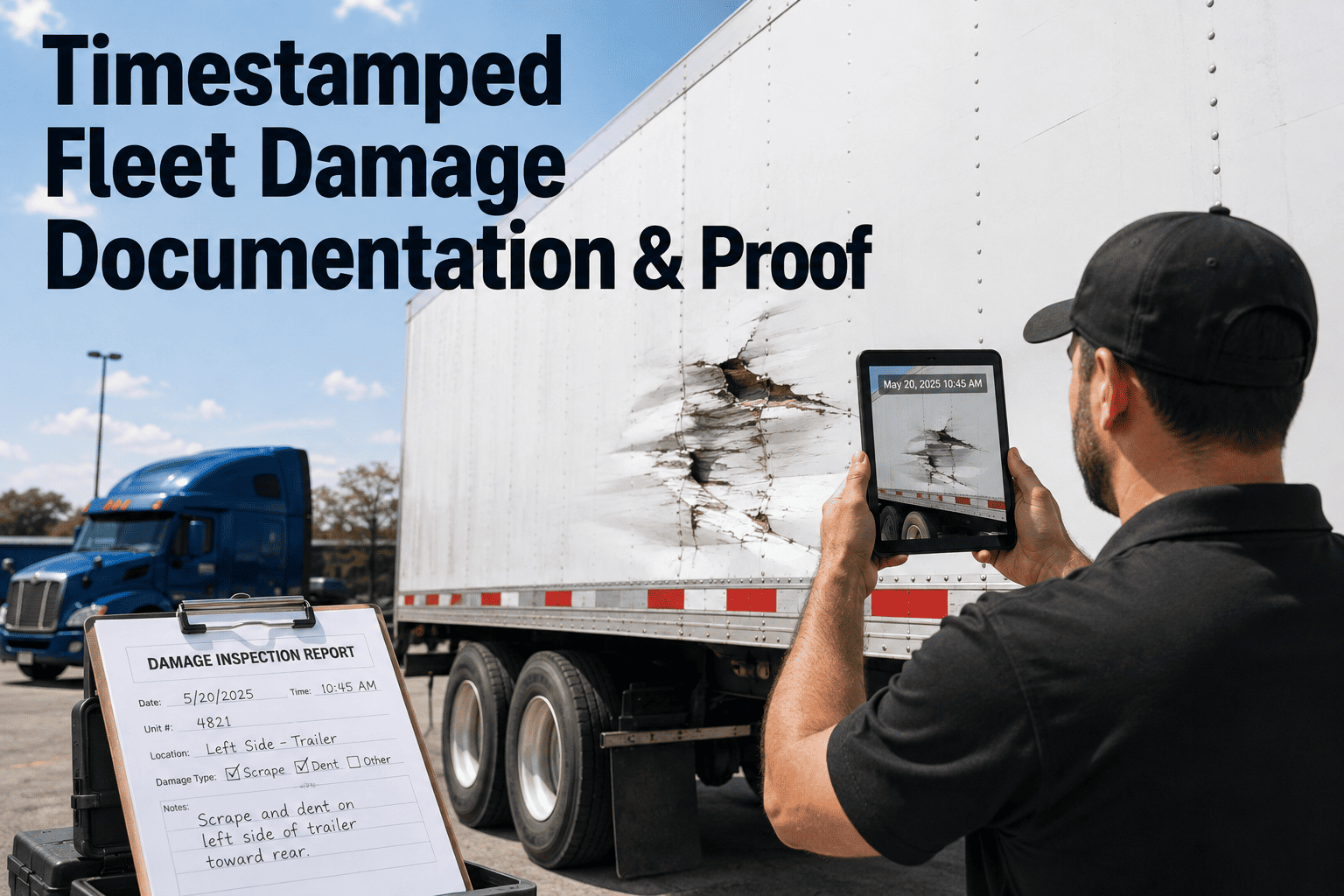
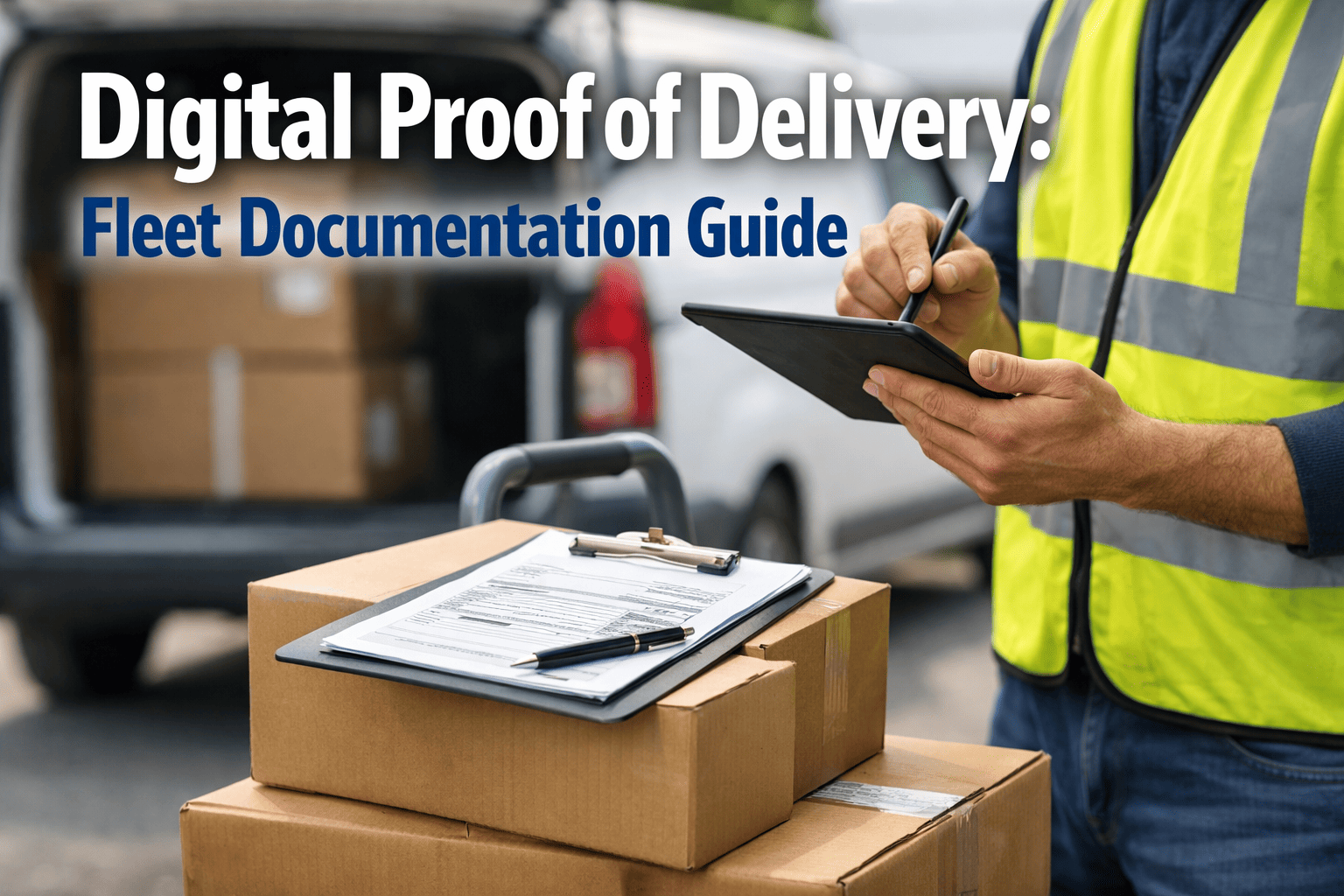
When a fleet vehicle comes back damaged, the first question is never how bad it is — it's when and where it happened, and who had the vehicle at that moment. Liability follows custody, and custody can only be proven with evidence that carries a timestamp, a location, and a chain nobody can quietly break. Fleets that produce a complete evidence package recover more than 80% of a disputed claim's value; fleets missing two or more pieces of that package routinely recover less than 30%, no matter how real the damage was. See how OxMaint timestamps and geotags every damage record automatically.
Damage Documentation
Prove When and Where Damage Happened — Every Time
OxMaint captures timestamped, geotagged photos and a signed chain of custody at every handoff, turning damage disputes from he-said/she-said into evidence your legal and insurance teams can actually use.
80%+
Claim value recovered with a complete, timestamped evidence package
<30%
Typical recovery when documentation is missing two or more pieces
7–14 days
Time to close a dispute with documented evidence, vs 60+ days without
The Five Things You Need to Win a Damage Dispute
Loss adjusters and legal teams do not evaluate a damage claim on the severity of the dent — they evaluate it on the completeness of the record around it. Five specific pieces of evidence determine whether a claim is a fast, defensible resolution or a drawn-out argument nobody can win cleanly.
The Defensible Evidence Package
✓
Timestamped Photos at Handover
Condition photos captured the moment custody changes hands, with the device clock and location embedded automatically.
✓
Signed Chain-of-Custody Log
A record of exactly who held the vehicle at every point in time, closing the gap where liability disputes usually hide.
✓
Pre-Existing Damage Baseline
A documented starting condition proves what damage already existed before the disputed handoff, protecting whoever received the vehicle.
✓
Telematics or GPS Data
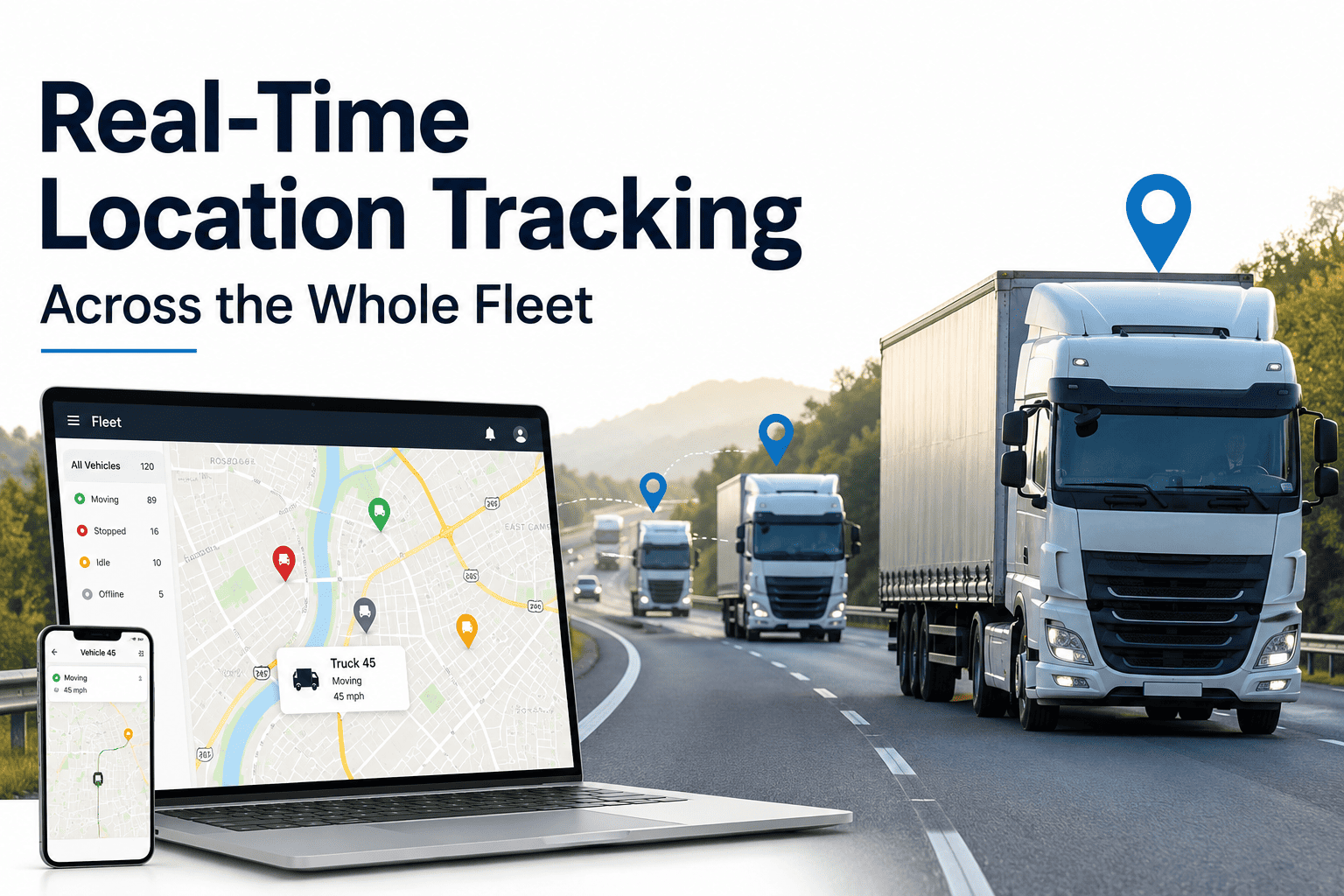
Location and movement data corroborates the photo evidence, confirming where the vehicle actually was at the time in question.
✓
Repair Records
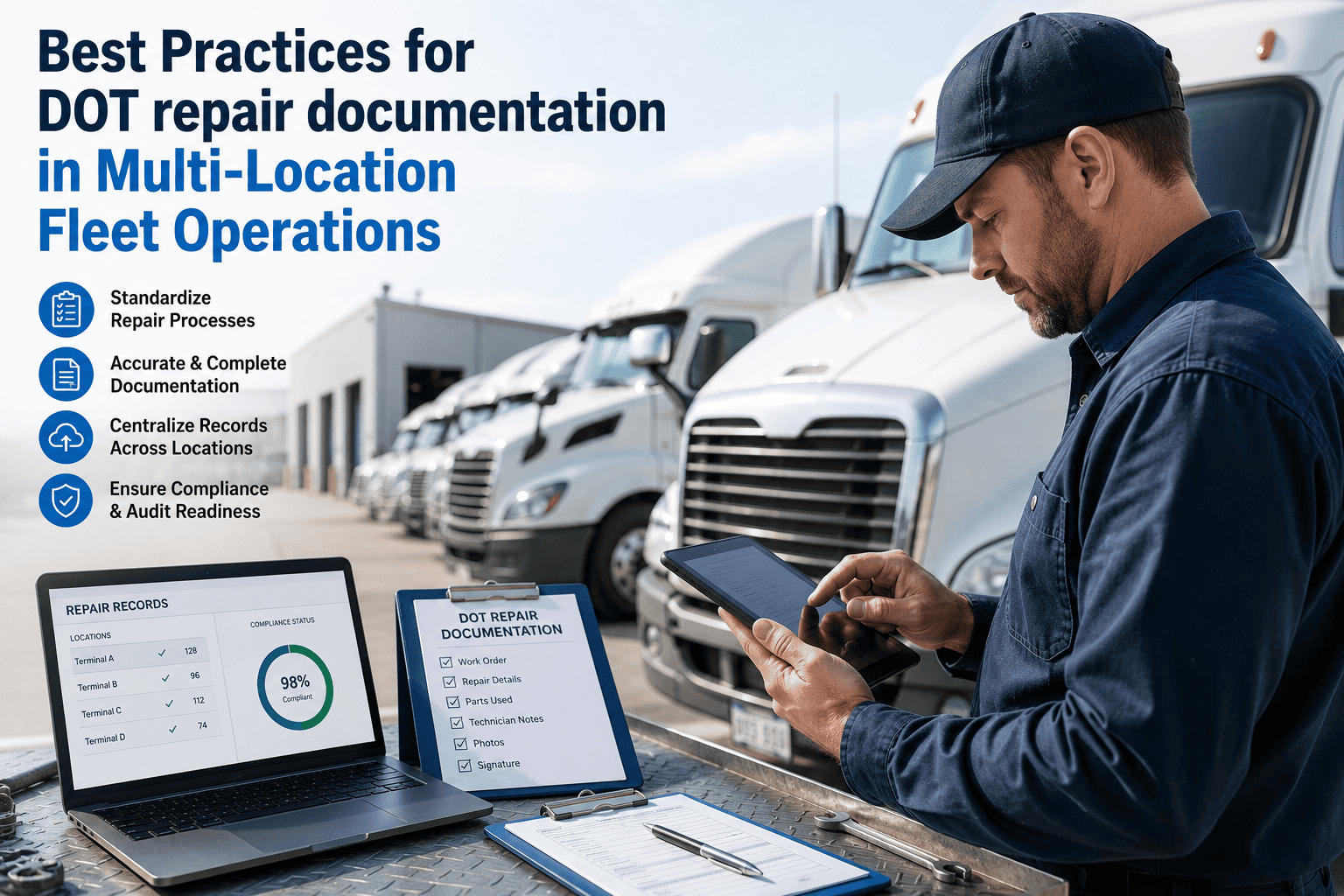
Documented repair cost and cause close the loop between what happened and what it cost, supporting the dollar figure claimed.
Liability Follows Custody — Where "When" Gets Decided
Every handoff between a driver, a yard, a lease return, or a shop is a moment where liability can shift. Without a logged checkpoint at each transfer, a multi-stop vehicle history becomes impossible to narrow down to a single point of fault — and the party without a record at that checkpoint is the one who ends up absorbing the cost.
Chain-of-Custody Checkpoints — Where Evidence Must Exist
1
Check-Out
Baseline condition photo logged before the vehicle leaves the yard
→
2
Driver Handoff
Signature and timestamp captured at every shift or driver change
→
3
Incident Window
GPS and telematics narrow the exact time and location of the event
→
4
Check-In
Condition photo compared automatically against the baseline record
→
5
Custody Confirmed
Liability assigned to the party proven to hold the vehicle at the time
Why a Photo Alone Isn't Proof
Not every photo holds up to scrutiny. A photo texted through a messaging app, forwarded from another phone, or pulled from a screenshot loses the metadata that would have proven when and where it was taken — leaving a claims reviewer nothing but an image with an unknown origin. The strongest documentation is captured inside a structured workflow that preserves the original file, not shared informally after the fact.
Weak Evidence
SourceTexted or screenshotted photo
MetadataStripped by messaging apps
StorageScattered across phones and threads
Custody trailNo verified handoff record
Defensible Evidence
SourceCaptured inside a structured workflow
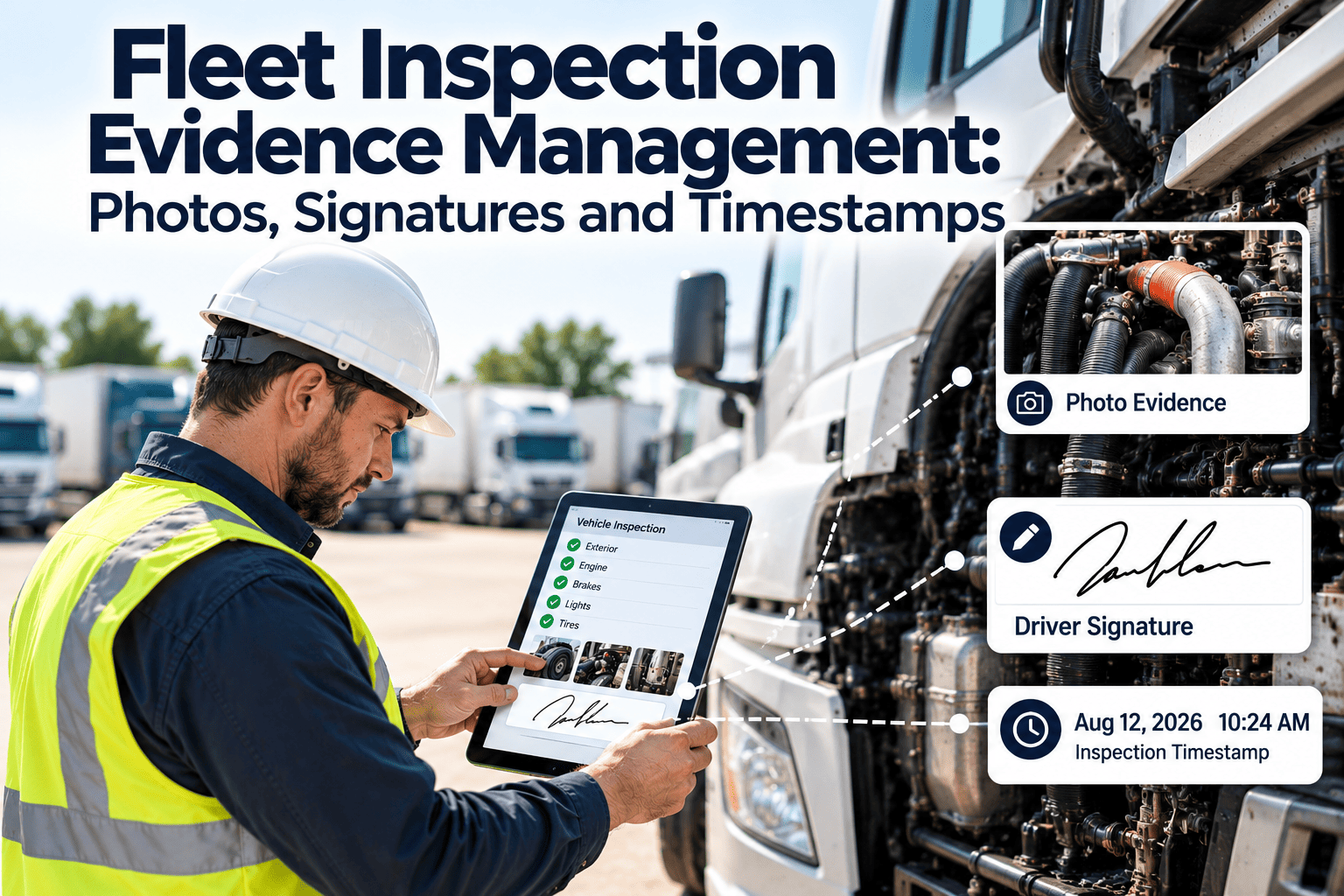
MetadataEmbedded GPS, timestamp, device ID
StorageOne searchable, original-file system
Custody trailSigned record at every checkpoint
A leasing partner disputed a return-condition charge on three vehicles. We pulled the check-out photos, the GPS log, and the signed handoff record in under ten minutes. The dispute closed the same week instead of dragging for two months like the last one did.
Fleet Compliance Lead — Regional vehicle leasing operator, 180 vehicles
Evidence Automation
Every Handoff, Timestamped and Geotagged Automatically
OxMaint captures condition photos, GPS location, and a signed custody record at every checkpoint — so when a damage dispute comes, the evidence is already built, not reconstructed from memory.
60%
Faster insurance claim resolution with digital, timestamped incident reports
35%
More value recovered in liability disputes with documented evidence
31%
Increase in delays typically caused by poor or missing documentation
48 hrs
Window to respond to a dispute with a structured evidence package
Frequently Asked Questions
What makes a timestamped photo legally defensible?
A defensible photo preserves its original file with embedded GPS coordinates, timestamp, and device metadata intact, rather than being screenshotted, forwarded, or re-encoded through a messaging app.
See how OxMaint preserves original evidence files.
Who is liable when a vehicle is damaged during a driver handoff?
Liability generally follows custody — whoever can be proven to have held the vehicle when the damage occurred bears the cost. A signed chain-of-custody log at every handoff is what makes that proof possible.
How fast do damage disputes resolve with proper documentation?
Does GPS data alone prove where damage happened?
GPS data corroborates a claim but is strongest combined with timestamped photos and a custody log — device location settings can be inaccurate, so metadata works best alongside other supporting evidence.
Can OxMaint's evidence system work offline in low-signal areas?
Don't Let a Missing Timestamp Cost You a Claim
OxMaint captures timestamped, geotagged photos and a signed chain of custody at every checkpoint — so the next damage dispute your fleet faces is backed by proof, not memory.