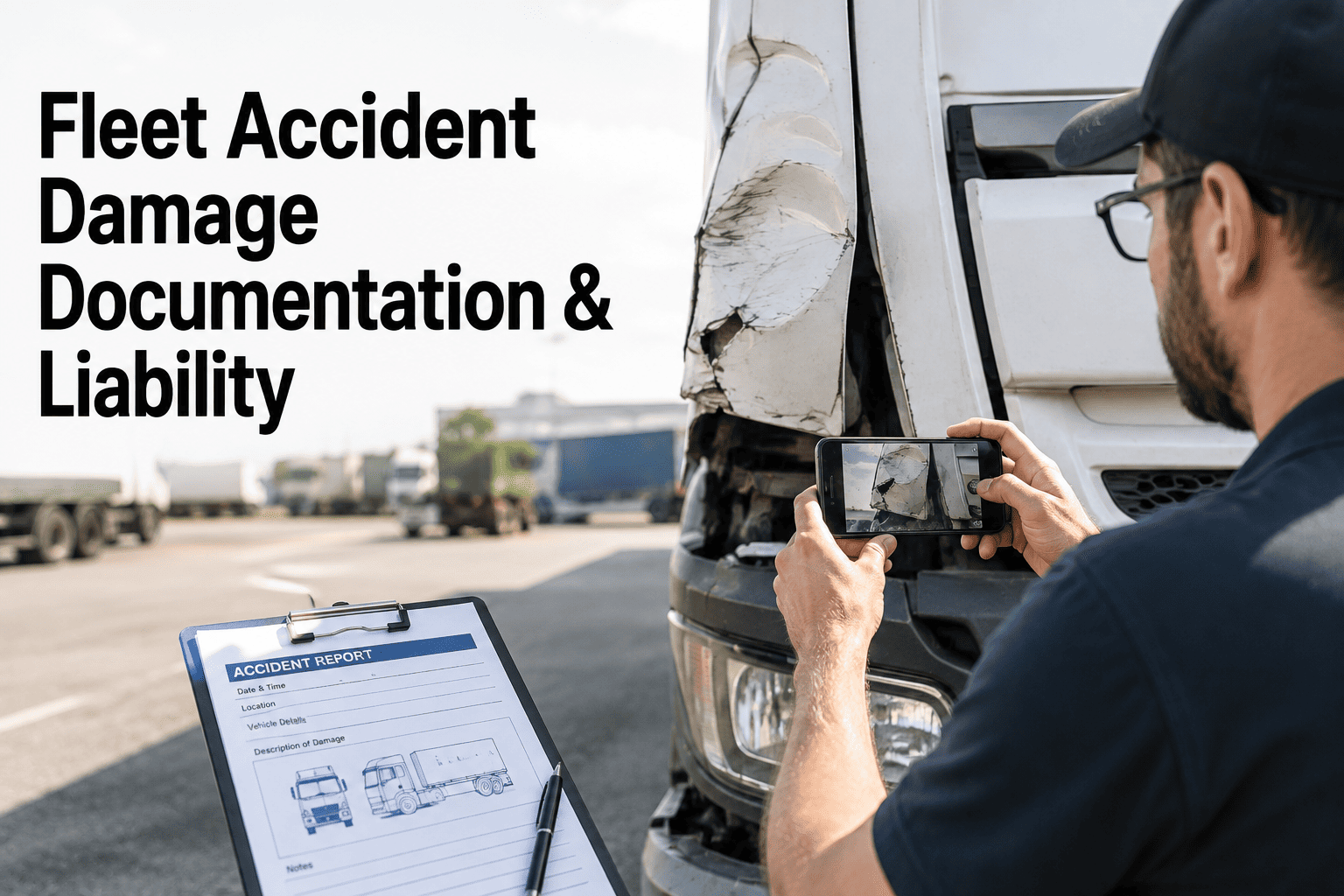
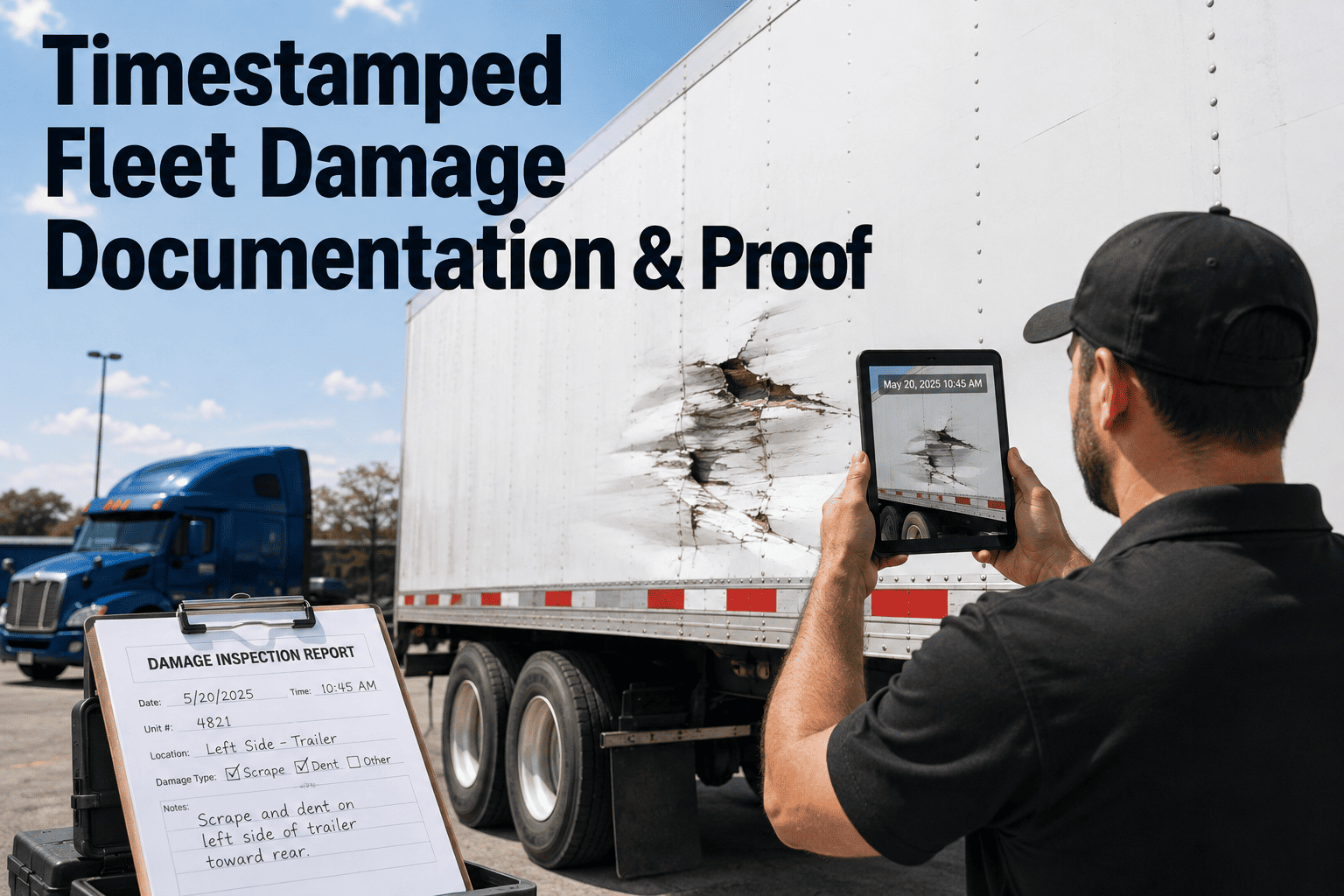
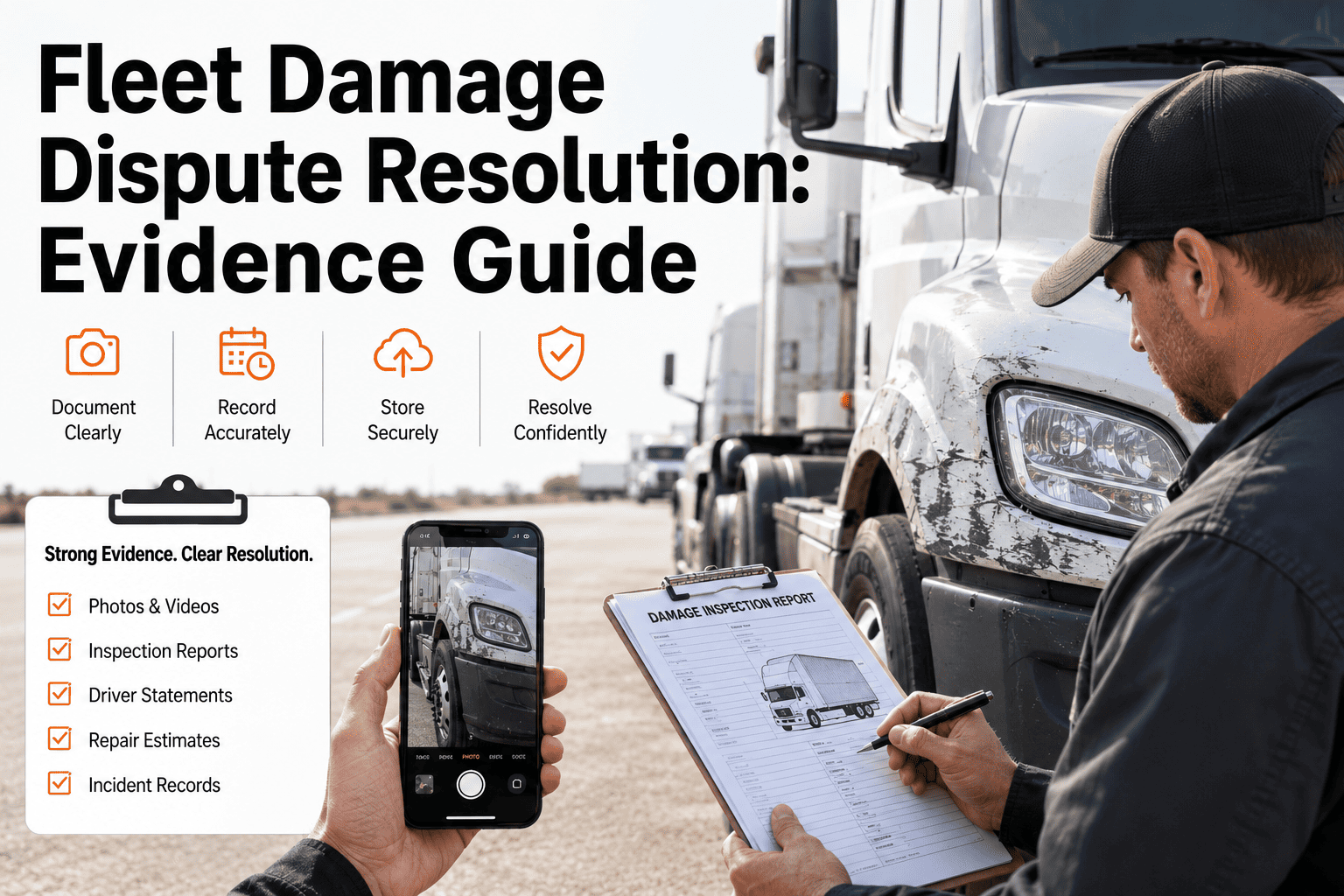
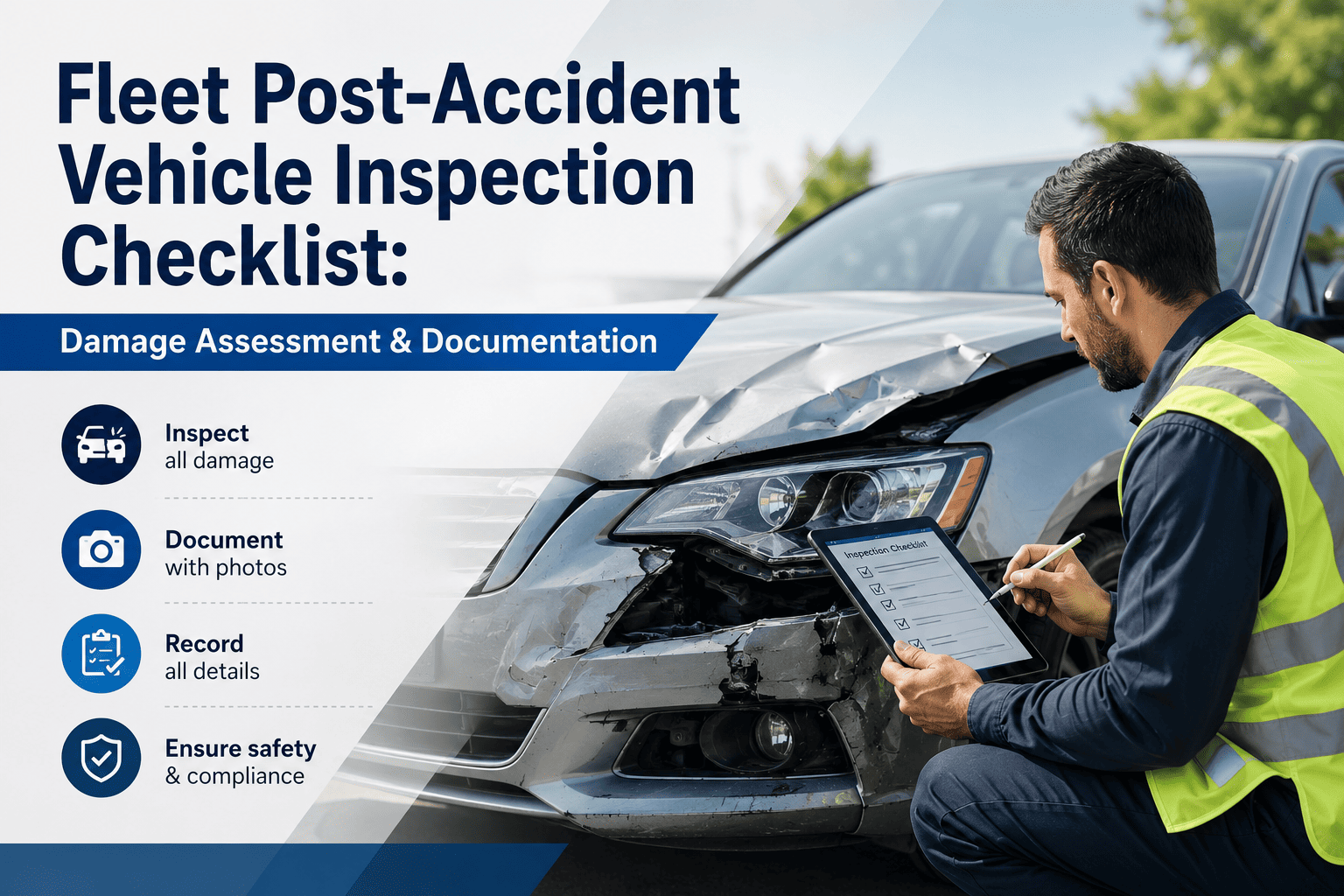
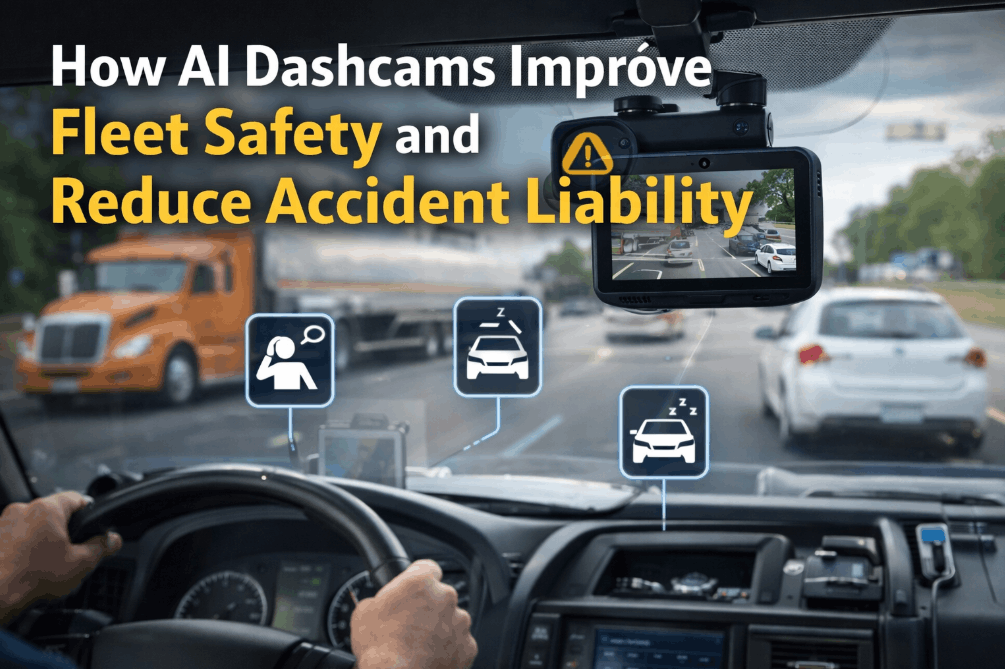
When a fleet vehicle is involved in a collision, the outcome of the liability dispute is usually decided long before any lawyer gets involved — it is decided by what was documented in the first hour. Insurers, opposing counsel, and internal risk teams all work from the same record: photos, timestamps, and statements gathered at the scene, not what anyone remembers a week later. Fleets that treat documentation as an afterthought routinely lose disputes they were factually in the right to win, simply because the paper trail could not support the claim. A mobile-first documentation workflow closes that gap by capturing evidence the moment it happens, not hours later from memory. See how a structured process changes claim outcomes — start a free trial.
FLEET RISK MANAGEMENT · ACCIDENT DOCUMENTATION · LIABILITY PROTECTION
Accident Damage Documentation That Actually Holds Up In A Liability Dispute
The difference between a claim that pays out and one that drags into a dispute usually comes down to five minutes of documentation at the scene. Here is the evidence framework that protects your fleet when a claim is contested.
Claim Outcome Gap
Claims won with full photo evidence
89%
Claims won on verbal report alone
41%
Avg settlement delay, no documentation
34 days
Composite figures from fleet risk operations · individual outcomes vary by carrier
Where Claims Fall Apart
Four Reasons Fleets Lose Disputes They Should Have Won
None of these are about who was actually at fault. They are about whether the record can prove it. Each bar shows how often the gap shows up in contested fleet claims.
1
Reporting Delay
A driver reports the incident at end of shift instead of at the scene. Skid marks fade, other vehicles leave, and the account becomes memory instead of evidence.
2
Missing Photo Coverage
One close-up of the dent, nothing else. No wide shot of the scene, no road position, no angle showing point of impact against the other vehicle.
3
No Witness Capture
A bystander saw the whole thing and was never asked for a name or number. Six weeks later there is no independent account to counter the other driver's version.
4
Inconsistent Statements
The driver's verbal account to dispatch does not match what they tell the adjuster three weeks later, and the inconsistency becomes the entire focus of the dispute.
Scene Protocol
What A Defensible Documentation Record Actually Contains
Every one of these takes under a minute to capture on a phone. Missing even one is usually the exact gap an adjuster or opposing counsel will find first.
Wide Shot
Full Scene Angle
Both vehicles, lane markings, signage, and traffic signals in one frame — establishes position before anything gets moved.
Close-Up
Damage Detail
Every point of impact, from multiple angles, including panels that look untouched — insurers check for damage that does not match the story.
Other Party
Plate, VIN & Insurance
License plate, driver's license, and insurance card photographed on the spot — not written down and transcribed later.
Conditions
Road & Weather
Surface condition, visibility, and time-stamped weather — often the deciding factor in a comparative-fault determination.
Third Party
Witness Contact
Name and number captured in-app while the witness is still standing there, not chased down after they have already left.
Official Record
Police Report Number
Report number and responding officer logged against the work order so the two records can be cross-referenced instantly.
The First Sixty Minutes
The Golden Hour Timeline For Accident Documentation
Evidence quality decays fast after an accident. This is the sequence that keeps the record intact while it still can be.
0–10 min
Secure & Capture
Driver confirms safety, then opens the mobile app to photograph the scene before anything is moved or cleared.
10–30 min
Exchange & Witness
Other party's details and any witness contact are logged in-app, tagged automatically to the incident record.
30–60 min
Report & Route
Incident auto-routes to the safety manager and adjuster with full media attached — no separate email or phone call needed.
After 60 min
Verify & File
Manager reviews the record for completeness the same day, while details are still fresh enough to fill any gap.
One Mobile Workflow For Every Accident Record Your Fleet Files
Oxmaint gives drivers a guided capture flow at the scene and gives safety managers a complete, timestamped record the moment it is submitted — no separate app, no transcription, no gap for a dispute to exploit.
Before vs After
Paper-Based Reporting vs. Mobile Documentation, Element By Element
| Evidence Element | Paper / Verbal Report | Mobile Documentation | Effect On Claim |
|---|
| Scene photos | Taken hours later, if at all | Captured on-site, timestamped | Removes fault ambiguity |
| Witness details | Recalled from memory | Logged in-app on the spot | Independent corroboration |
| Damage assessment | Described verbally to dispatch | Photo-documented with notes | Matches repair estimate |
| Incident report | Filed at end of shift | Auto-submitted within minutes | No memory drift |
| Adjuster review | Requests follow-up details | Full record on first submission | Faster settlement |
Program Metrics
The Metrics Risk Managers Track To Keep Documentation Consistent
Time To First Documentation
Target: under 15 min
Minutes from incident to first photo submitted. The single strongest predictor of whether a claim gets contested.
Evidence Completeness Rate
Target: 95%+
Share of incidents where every checklist item was captured, not just photos of the damage.
Dispute Rate
Target: under 10%
Percentage of claims the other party or insurer formally contests after documentation is submitted.
Documentation FAQ
Common Questions On Accident Documentation And Liability
How soon after an accident does documentation need to happen?+
Ideally within the first ten minutes, while the scene is still intact. Every hour of delay makes photos, witness recall, and road conditions harder to verify. See the workflow by
starting a free trial.
Does the driver need training to document a scene correctly?+
A guided in-app checklist walks the driver through each required shot and field, so no formal training is needed beyond a short walkthrough during onboarding.
Can this documentation be used directly by an insurance adjuster?+
Yes — records are timestamped, geo-tagged, and exportable as a single packet, which is the format most adjusters and legal teams request for review.
What happens if a driver forgets a step at the scene?+
The workflow flags incomplete records immediately, so a safety manager can follow up the same day rather than discovering the gap weeks later during a dispute.
How does this fit with an existing fleet safety program?+
It sits on top of existing driver training and policy — documentation becomes one guided step in the same app drivers already use for inspections.
Book a demo to see it against your current process.
The Record You Build In The First Hour Decides The Dispute You Fight For Months
Oxmaint turns accident documentation into a guided mobile workflow — so every incident produces a complete, defensible record on the first try, not a follow-up request from your adjuster three weeks later.