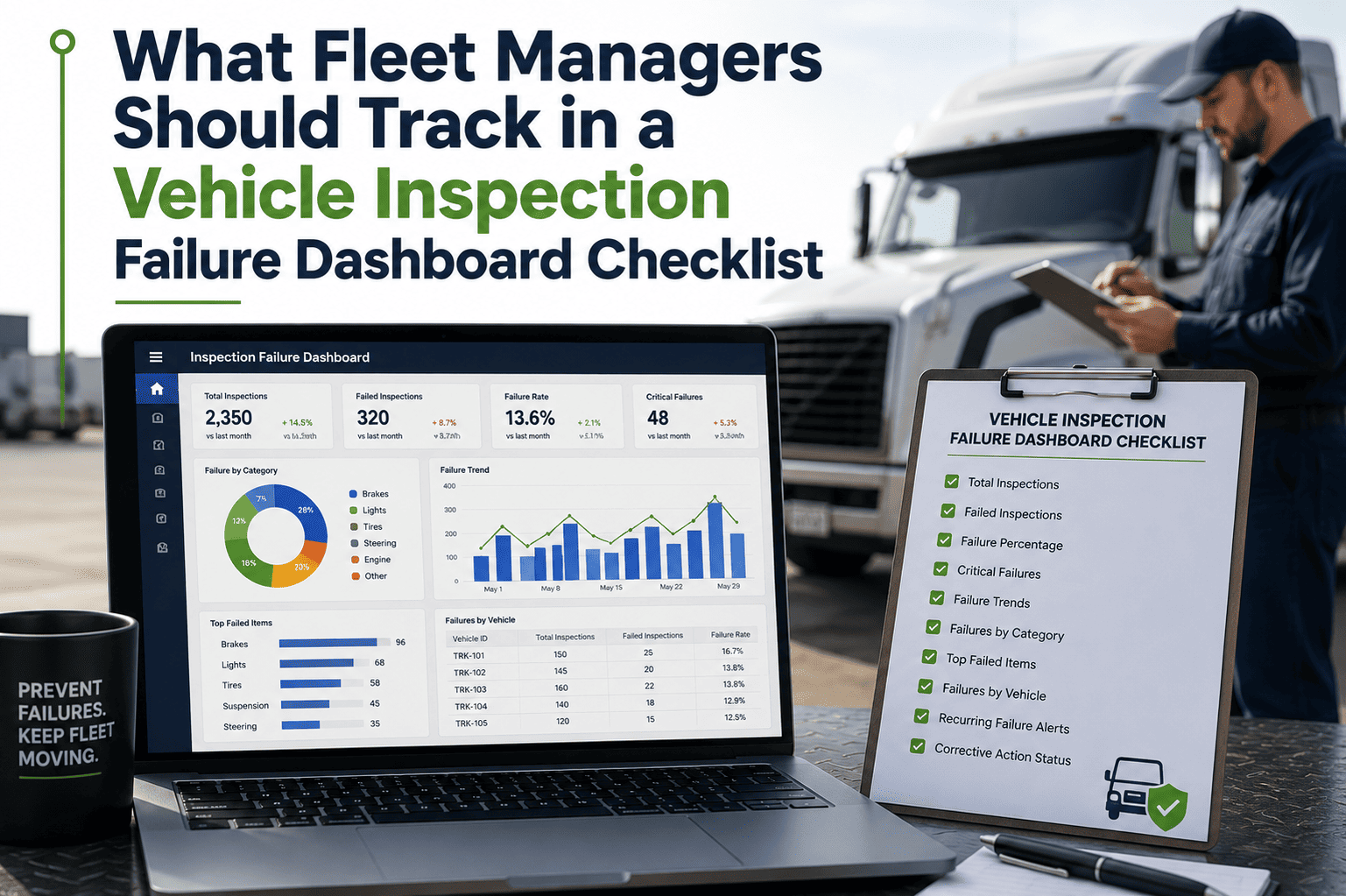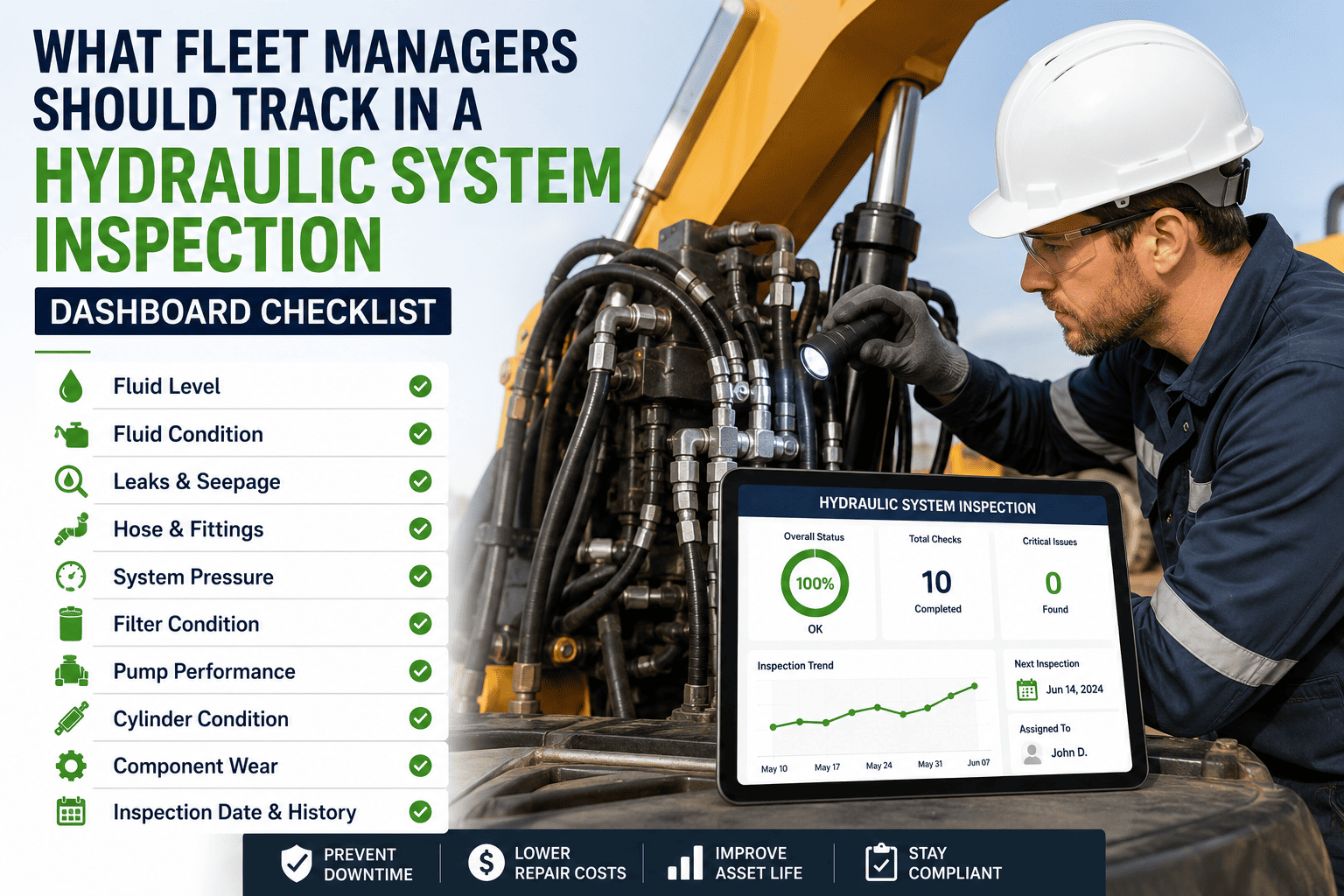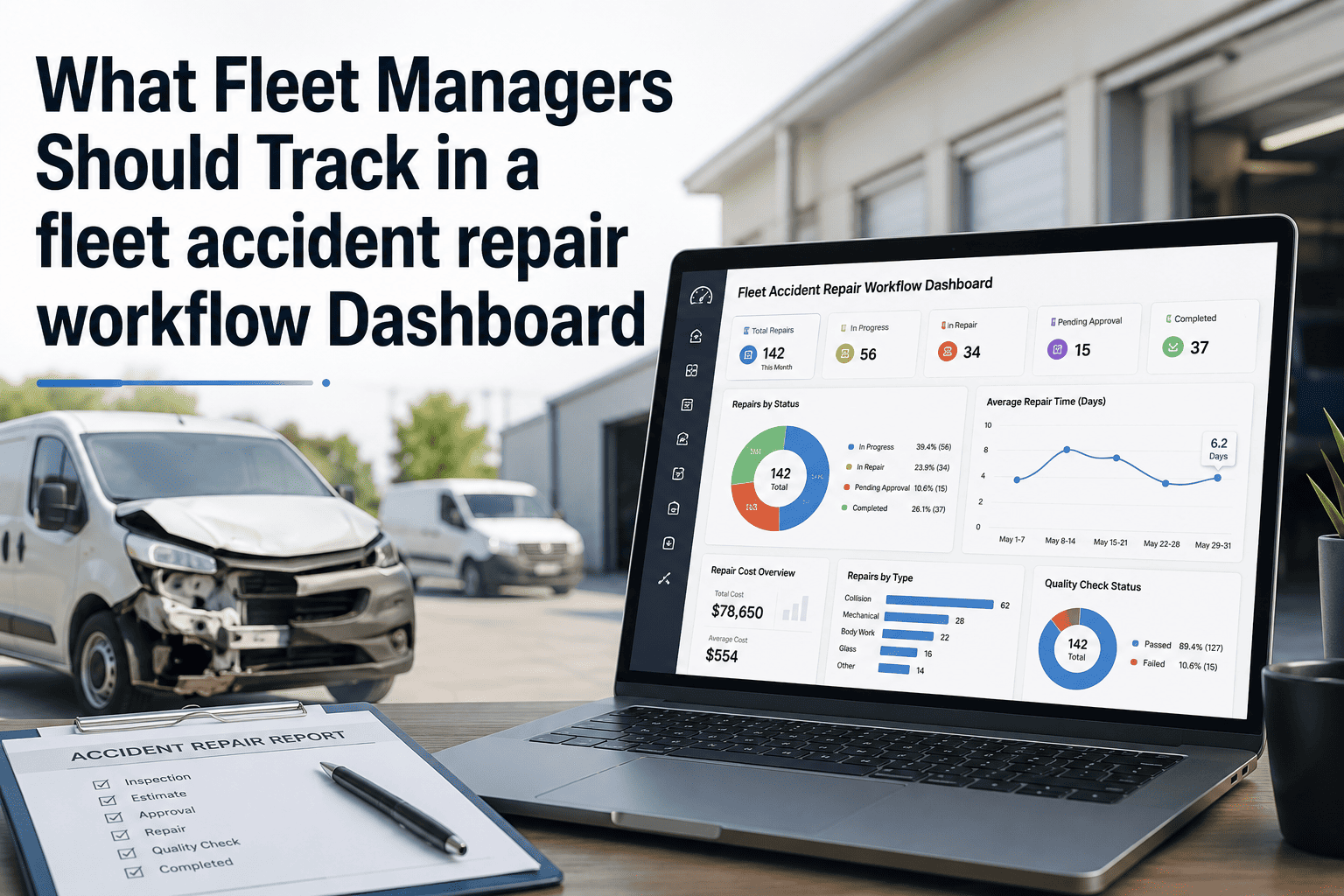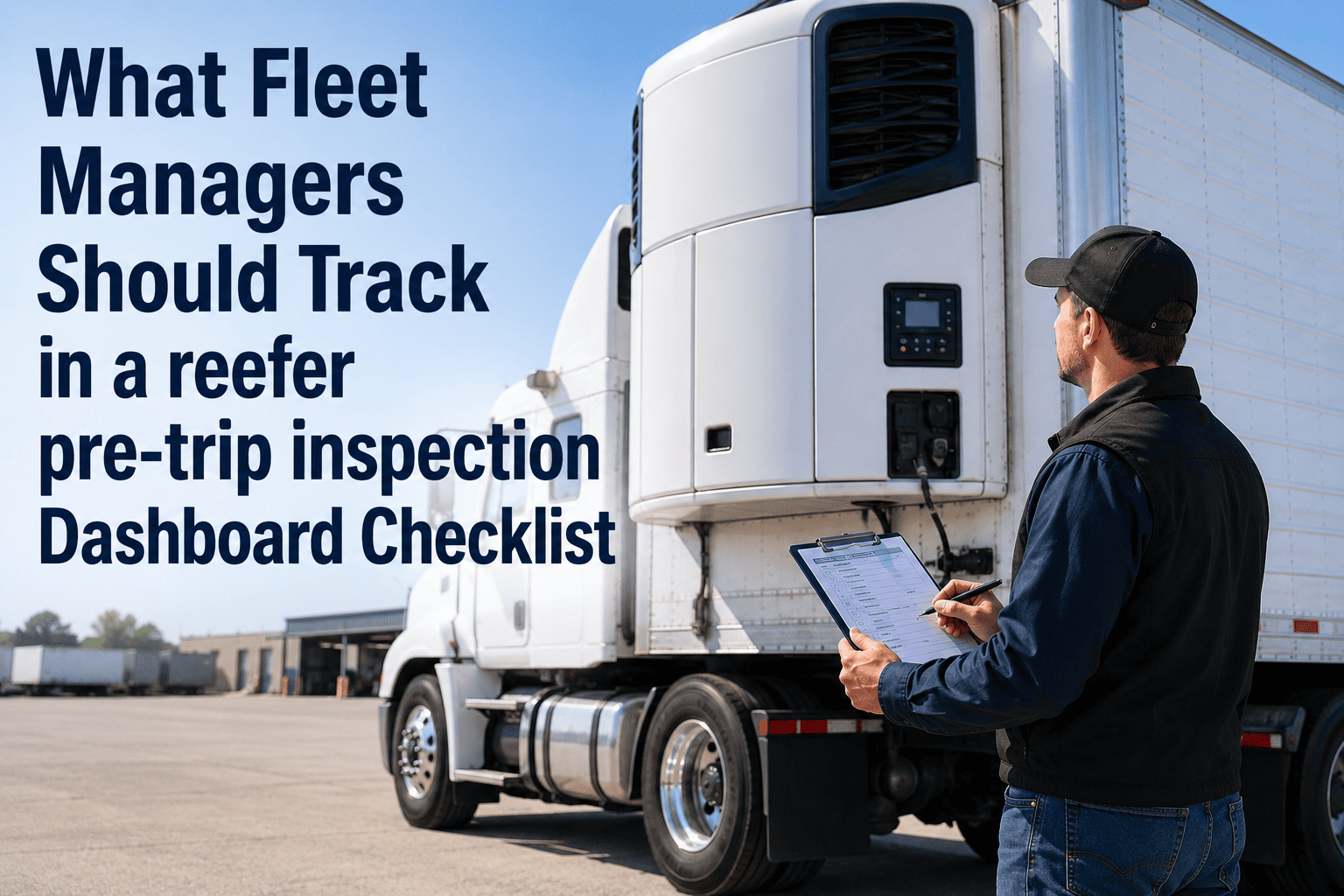
A fleet manager who checks whether inspections happened is doing compliance. A fleet manager who tracks what the inspections revealed — which units departed with low fuel, which compressors cycled abnormally, which setpoints were not locked, and which loggers are approaching calibration expiry — is doing cold chain risk management. The difference between these two is not the inspection itself but what gets measured from it. A reefer pre-trip inspection dashboard gives you the signal layer above the checklist: instead of reviewing 40 completed inspection forms after a temperature excursion, your dashboard shows you the three units that are trending toward failure before they cause one. This page defines exactly what your dashboard should track, how each metric should be calculated, and how OxMaint surfaces these signals automatically so your fleet managers spend time acting on data, not searching for it.
What Fleet Managers Should Track in a Reefer Pre-Trip Inspection Dashboard
A dashboard-first framework for reefer fleet oversight — defining the exact metrics, thresholds, and alert triggers that separate a fleet manager who reacts to temperature excursions from one who prevents them.
Inspection Completion and Compliance Tracking
An inspection completion rate below 100% is not a data anomaly — it is a list of temperature excursions that have not happened yet. Each undocumented departure is a unit that may have left with a fuel level, setpoint, or mechanical condition that no one verified. The dashboard's first job is to make the gap between dispatched units and completed inspections visible in real time, not discoverable after the fact during a quality audit.
Fuel Level Departure Compliance
Reefer fuel management is the cold chain risk that fleet managers underestimate most consistently because the tractor's fuel gauge is always visible and the reefer unit's separate tank is never top of mind. A dashboard that does not track reefer fuel level at departure by unit and driver will discover its low-fuel problem in the worst possible way — through a mid-route refrigeration shutdown.
OxMaint turns your reefer inspection data into a live operations dashboard — fuel levels, setpoint locks, compressor flags, and PM countdowns all in one view, with automated alerts before a field issue becomes a cold chain failure. No manual report building required.
Setpoint Confirmation and Lock Status
A dashboard that shows inspection completion but not setpoint confirmation is missing the single most consequential data point in the reefer pre-trip record. A driver can complete every other inspection item correctly and then depart with the previous load's setpoint still active — and the dashboard will show a green 100% completion rate while a pharmaceutical pallet is warming toward an out-of-spec temperature 30 miles from the depot.
Mechanical Anomaly Flags and Compressor Health Tracking
The value of a mechanical observation at pre-trip is not the observation itself — it is what the fleet manager does with it before the unit is loaded. A compressor anomaly flagged at pre-trip and dispatched anyway is not a missed inspection; it is a management decision that, when it produces a temperature excursion, creates a product liability exposure that the pre-trip record will document clearly.
Logger Calibration and Cold Chain Documentation Currency
A temperature data logger with an expired calibration certificate is a recording device whose data output cannot be used as legal evidence of cold chain compliance. In a fleet of 30 loggers with staggered annual calibration dates, the fleet manager who does not track calibration expiry across the whole fleet will discover an expired logger at the worst possible moment — during an FDA audit of a temperature excursion from three months ago.
PM Schedule Compliance and Hour Meter Tracking
A reefer unit that operates past its scheduled PM due date is a unit whose manufacturer warranty coverage has been voided for failures that occur in the overrun period. In a fleet where each unit accumulates hours at different rates depending on route length and seasonal demand, a PM schedule that exists in a spreadsheet but is not integrated into the dispatch dashboard will produce overrun dispatches regularly.
The Six Numbers Every Fleet Manager Should See Before 8am
| Dashboard KPI | What It Measures | Target Threshold | Alert Trigger |
|---|---|---|---|
| Inspection Completion Rate | Completed pre-trips vs. total dispatches today | 100% | Any rate below 100% |
| Fuel Departure Compliance | Units departing at 75%+ reefer fuel | 100% | Any departure below 75% |
| Setpoint Lock Rate | Trips with setpoint confirmed and locked | 100% | Any unlocked setpoint at dispatch |
| Open Mechanical Flags | Unresolved defect observations across fleet | 0 over 48 hours old | Any flag older than 48 hours |
| Logger Calibration Currency | Active loggers with valid calibration | 100% | Any logger within 30 days of expiry |
| PM Compliance Rate | Units dispatched before PM due date | 100% | Any unit within 10 hours of PM due |
Frequently Asked Questions
What is the most important single metric a fleet manager should track in a reefer inspection dashboard?
Inspection completion rate by depot and driver is the foundational metric — it tells you immediately whether your pre-trip programme is being executed. But the metric with the highest failure-prevention value is the setpoint lock confirmation rate, because a missed setpoint lock is the one error that produces a temperature excursion on an otherwise perfectly inspected unit. OxMaint tracks both as separate real-time KPIs in your fleet dashboard.
How should a fleet manager respond when a reefer pre-trip inspection flags a compressor anomaly?
A compressor anomaly flagged at pre-trip requires a maintenance assessment before the unit is loaded with temperature-sensitive cargo. The fleet manager should log the flag in the CMMS, assign it to a refrigeration technician for same-day assessment, and substitute the unit if the route cannot be delayed. Dispatching a unit with an open compressor flag and no maintenance clearance creates a documented management decision that becomes evidence in any subsequent temperature excursion claim.
How often should fleet managers review the inspection dashboard versus receiving automated alerts?
Automated alerts should handle time-critical signals — missed inspections, below-minimum fuel departures, and compressor flags — so that fleet managers receive notification before the vehicle leaves the yard. Dashboard review is most valuable as a daily morning briefing for open defects and PM countdowns, and as a weekly compliance review for trend analysis across drivers and locations. Book a demo to see how OxMaint structures both alert types for reefer fleet operations.
Can a CMMS dashboard replace a dedicated telematics system for reefer fleet monitoring?
A CMMS dashboard and a telematics system address different monitoring layers. Telematics tracks in-transit temperature, location, and real-time unit status. A CMMS inspection dashboard tracks pre-departure readiness, maintenance history, PM compliance, and calibration currency. Both are needed for a complete cold chain visibility programme; the CMMS dashboard closes the compliance gap that telematics alone cannot address because it captures what was verified before the unit departed.
How should a fleet manager use the temperature excursion rate as a dashboard KPI?
Temperature excursion rate is a lagging indicator — it tells you the inspection programme failed, not where and why. The value of tracking it on the dashboard is to establish a baseline and measure improvement over time as pre-trip compliance rates increase. A fleet that reduces its temperature excursion rate from 2.5% to 0.3% of trips after implementing a complete pre-trip inspection programme has quantifiable evidence of the programme's commercial value.
Stop Finding Cold Chain Problems at the Delivery Dock. Start Seeing Them at Dispatch.
OxMaint gives fleet managers a live inspection dashboard with fuel departure tracking, setpoint lock confirmation, compressor anomaly flags, logger calibration countdowns, and PM compliance alerts — all in one place, updating in real time as your drivers complete pre-trip inspections across every depot.