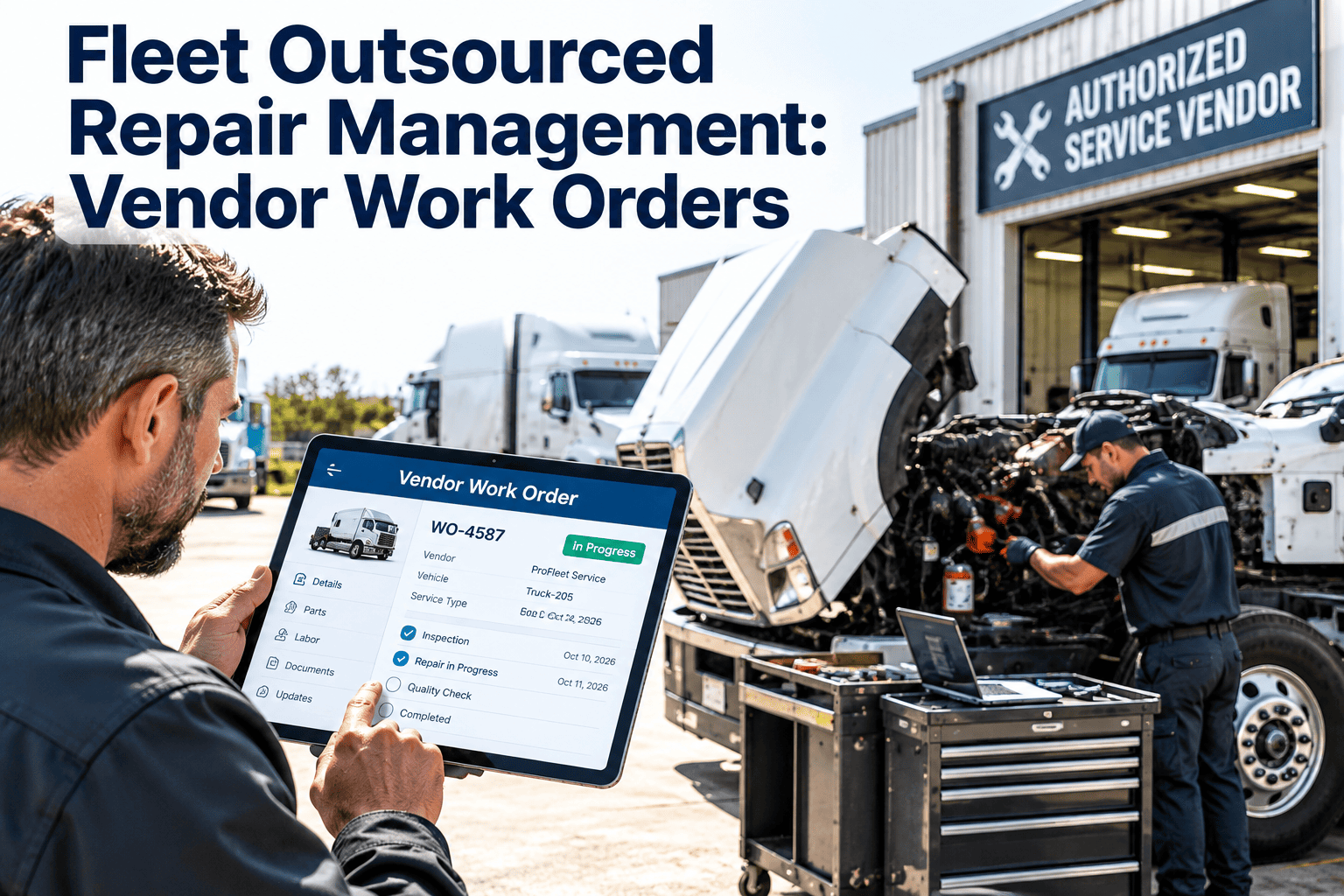
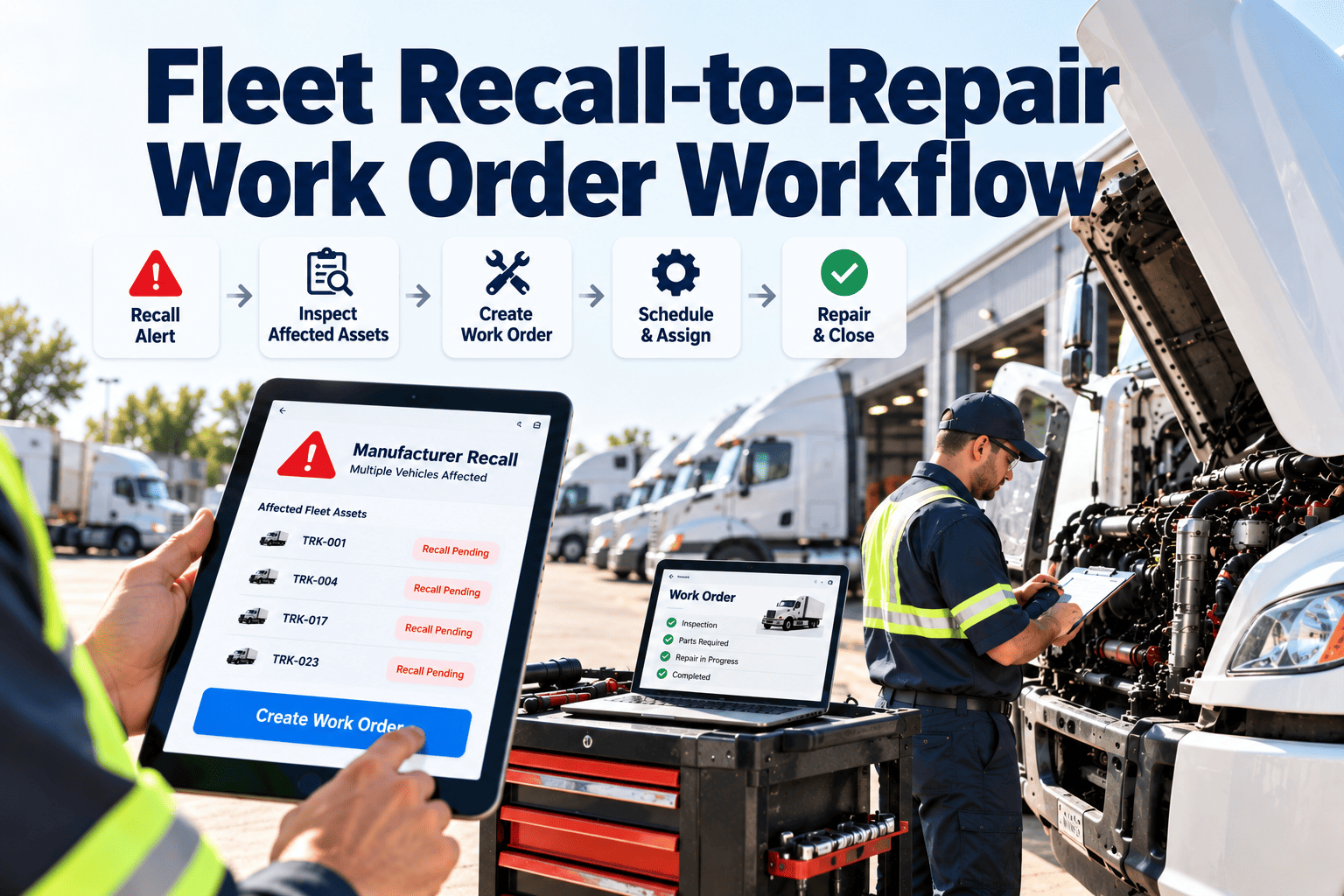
Steering system failures are among the most dangerous and costly breakdowns a fleet can experience. Unlike an engine that loses power gradually or a battery that gives warning signs through slow cranking, a steering failure at highway speed is an immediate safety emergency that puts drivers, cargo, and the public at risk. Under FMCSA regulations (49 CFR Part 396), steering systems are explicitly listed among the critical components that must be maintained in safe operating condition at all times, and steering-related defects remain one of the leading causes of out-of-service violations during DOT roadside inspections. Yet most fleet operations still manage steering maintenance reactively, waiting for a driver to report excessive play in the wheel, a pull to one side, or a grinding noise before generating a work order. By that point, the problem has already progressed from a minor adjustment to a major repair. The answer is a structured work order workflow that moves steering maintenance from reactive firefighting to a proactive, automated, and fully documented system. Sign up for OxMaint to build automated steering work order workflows that protect your drivers and keep your fleet compliant.
Work Orders Workflow for Steering Teams
How a structured CMMS work order workflow transforms fleet steering maintenance from reactive repairs into a proactive, compliant, and fully documented system
Why Steering Systems Demand a Dedicated Work Order Workflow
Steering systems are mechanically complex assemblies with dozens of interconnected components, each with different wear patterns, inspection requirements, and failure modes. A typical heavy-duty vehicle steering system includes the steering gear box, pitman arm, drag link, tie rod ends, idler arm, steering knuckles, king pins, power steering pump, hydraulic lines, fluid reservoir, and the steering column itself. Each of these components wears at a different rate depending on road conditions, load weight, driver behavior, and vehicle alignment. A loose tie rod end can accelerate drag link wear, which in turn stresses the steering gear box, creating a cascade of failures that multiplies repair costs exponentially if not caught early.
A generic work order system that treats all maintenance the same cannot handle this complexity. Steering teams need workflows that understand component interdependencies, trigger follow-up inspections when one part shows wear, automatically escalate safety-critical findings to supervisors, and maintain the documentation chain required for DOT compliance. OxMaint provides exactly this level of specialized workflow capability, allowing fleet managers to build steering-specific work order templates that capture the right measurements, route to the right technicians, and generate the right compliance records every time. Book a demo with OxMaint to see how steering-specific workflows eliminate the gaps in generic maintenance systems.
The Steering Work Order Lifecycle in OxMaint
Work Order Initiation
Steering work orders originate from four sources: scheduled preventive maintenance intervals, driver DVIR submissions reporting steering anomalies, technician findings during related inspections, and automated alerts from telematics data detecting abnormal steering behavior patterns.
Priority Classification
OxMaint automatically classifies steering work orders by severity. Excessive steering wheel free play or fluid leaks are flagged as safety-critical and routed for immediate attention. Minor items like fluid top-off or belt tension adjustment receive standard priority with scheduled completion windows.
Technician Routing
The CMMS assigns steering work orders to technicians with verified steering and alignment certifications. OxMaint tracks technician skill sets, current workload, and shift availability to ensure the most qualified person handles each steering repair without overloading any single team member.
Guided Repair Process
Technicians receive mobile work orders with the steering inspection checklist, vehicle-specific torque specifications, OEM component part numbers, and the full service history for that vehicle's steering system. Photo capture is required at each stage to document conditions before and after repair.
Quality Sign-Off
Completed steering repairs require supervisor verification before the vehicle returns to service. OxMaint enforces a sign-off workflow where the supervising mechanic reviews the work performed, confirms measurements are within spec, and digitally approves the vehicle for dispatch.
Documentation & Compliance
Closing the work order automatically updates the vehicle's maintenance history, logs the repair for DOT audit readiness, adjusts the next preventive maintenance date, and captures total labor hours, parts consumed, and cost for fleet-wide analytics and budgeting.
Steering Components That Drive Work Orders
Understanding which steering components generate the most work orders helps fleet managers allocate resources, stock the right parts, and adjust inspection intervals based on actual failure data. The components that wear fastest and trigger the most maintenance activity vary significantly depending on vehicle class, operating environment, and load profiles. A long-haul Class 8 tractor operating primarily on highways will show different wear patterns than a Class 6 delivery truck making hundreds of stops per day in urban environments with pothole-damaged roads.
The most common steering work order triggers across commercial fleets include tie rod end wear (loose connections creating excessive play), power steering fluid leaks (hose degradation, seal failures, pump gasket deterioration), drag link bushing wear (causing wandering at highway speeds), steering gear box adjustment (lash exceeding manufacturer specifications), king pin wear in older solid-axle configurations, and alignment drift following suspension work or road impact events. A CMMS that tracks failure frequency by component, vehicle type, and operating route gives fleet managers the data they need to shift from calendar-based to condition-based maintenance intervals. Sign up for OxMaint to start tracking steering component failure patterns across your entire fleet.
Steering Component Maintenance Matrix
Automate Your Steering Work Order Workflow
OxMaint gives your steering team structured work orders, automatic priority routing, guided repair checklists, and audit-ready compliance documentation. Stop losing vehicles to preventable steering failures.
DVIR to Work Order: The Driver-to-Shop Connection
Drivers are the first line of defense for steering system health. Every pre-trip and post-trip inspection includes steering checks, and the quality of a fleet's DVIR (Driver Vehicle Inspection Report) process directly determines how quickly steering problems move from detection to resolution. In fleets still using paper DVIRs, a driver's note about steering pulling to the left might sit in a clipboard bin for hours or days before someone reads it, interprets the handwriting, determines the severity, and creates a work order. That delay can mean the difference between a $200 tie rod adjustment and a $3,000 steering gear replacement.
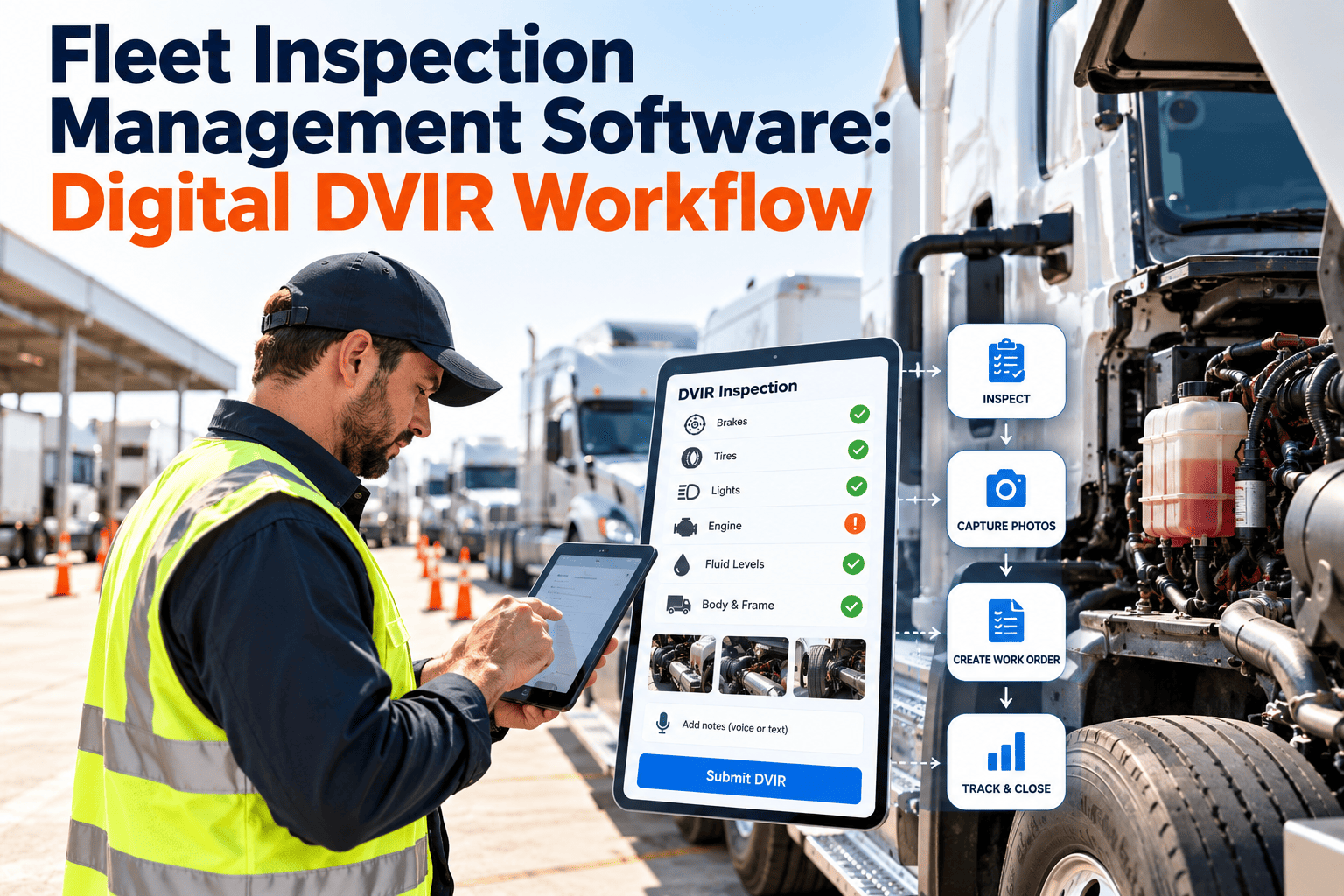
With OxMaint, the DVIR-to-work-order pipeline is fully digital and immediate. When a driver completes a pre-trip inspection on the mobile app and reports any steering deficiency, whether it is excessive play, unusual noise, stiff response, or fluid on the ground, OxMaint automatically generates a work order classified by severity. Safety-critical steering defects flag the vehicle as out-of-service until a qualified technician inspects and signs off on the repair. This closed-loop process ensures that no steering complaint from a driver ever falls through the cracks, and the entire chain of detection, response, repair, and clearance is documented with timestamps and digital signatures for DOT compliance. Book a demo with OxMaint to see how digital DVIRs connect directly to your steering maintenance workflow.
Steering Preventive Maintenance Schedule
Driver Steering Check
Check steering wheel free play before moving the vehicle. Note any stiffness, unusual sounds, or pulling during the first turns. Report any fluid spots under the front axle area. Complete the steering section of the digital DVIR in OxMaint before dispatch.
Fluid & Visual Inspection
Verify power steering fluid level and condition. Inspect all visible hydraulic lines and fittings for leaks or chafing. Check belt tension and condition on belt-driven power steering pumps. Log results in OxMaint with photo documentation.
Linkage Play Measurement
Measure steering linkage play at every connection point with wheels raised. Check tie rod ends, drag link, and pitman arm for looseness. Record measurements in OxMaint against OEM specifications. Auto-generate work orders for any out-of-spec readings.
Comprehensive Steering Audit
Full steering system inspection including gear box lash measurement, king pin or ball joint play with dial indicator, power steering pump pressure test, alignment geometry check, and all fastener torque verification. Typically performed at 20,000-25,000 mile intervals.
DOT Periodic Inspection
Complete DOT annual inspection covering all steering components per FMCSA requirements. Qualified inspector verifies compliance with every federal standard. OxMaint generates the inspection certificate and stores the complete record digitally for audit readiness.
Post-Incident Assessment
After any curb strike, pothole impact, or accident involving the front axle area, a triggered work order requires full steering and alignment inspection before the vehicle returns to service. OxMaint links the incident report to the resulting work order chain.
DOT Compliance and the Steering Documentation Chain
The FMCSA's updated Safety Measurement System now separates vehicle maintenance violations into two distinct categories: issues found during inspections and issues drivers should have observed. Steering violations discovered during a Level I roadside inspection, the most comprehensive type where inspectors physically check components under the vehicle, now carry targeted weight in your fleet's safety profile. A pattern of steering-related violations can trigger focused audits, and in 2025, auditors averaged six violations per carrier with penalties averaging $7,155 per case.
The documentation chain is what protects your fleet during these audits. Every steering work order in OxMaint creates a timestamped record showing when the defect was identified, how it was classified, who was assigned, what repairs were performed, which parts were used, who verified the completion, and when the vehicle was cleared for service. This complete chain of custody, stored digitally and retrievable instantly, demonstrates the systematic inspection and maintenance program that 49 CFR Part 396 requires. Fleets that maintain this documentation consistently face significantly fewer compliance penalties and shorter audit durations. Sign up for OxMaint to build the audit-ready documentation trail your steering maintenance program needs.
From Reactive to Predictive: Steering Maintenance Intelligence
The real power of a structured work order workflow emerges over time as data accumulates. After six months of capturing every steering inspection result, every component replacement, every alignment measurement, and every driver complaint through OxMaint, fleet managers gain access to analytics that were previously impossible. Which routes cause the fastest tie rod wear? Which vehicle models develop gear box lash problems earlier than others? Is there a seasonal pattern in power steering failures? Do certain drivers consistently report steering issues that turn out to be alignment-related rather than component failures?
These insights transform steering maintenance from a fixed-interval schedule into a data-driven strategy. Instead of inspecting every vehicle's steering linkage on the same 90-day cycle, the fleet can adjust intervals based on actual wear rates specific to each vehicle's operating profile. Vehicles running rough urban routes get shorter intervals. Highway tractors with lighter steering loads get extended cycles. Parts procurement shifts from emergency orders to planned bulk purchases based on predicted replacement timing. The work order workflow that started as a compliance tool becomes the fleet's steering maintenance intelligence engine. Book a demo with OxMaint to explore how work order data transforms into predictive steering maintenance insights.
Every Steering Repair Deserves a Complete Workflow
From driver DVIR to technician repair to supervisor sign-off to DOT compliance record, OxMaint manages the entire steering work order lifecycle. Join over 1,000 facilities using OxMaint to keep their fleets safe and compliant.
Frequently Asked Questions
What is a work order workflow for steering teams
A work order workflow for steering teams is a structured, step-by-step process managed through a CMMS that handles every stage of steering system maintenance from initial detection to final documentation. It begins when a work order is triggered by a scheduled inspection, driver report, or automated alert. The workflow then routes the task through priority classification, technician assignment based on certifications, guided repair execution with vehicle-specific checklists, supervisor quality verification, and final closure with complete compliance documentation. Every step is tracked, timestamped, and stored digitally.
How does OxMaint handle steering work order prioritization
OxMaint automatically classifies steering work orders based on the severity of the reported defect. Safety-critical issues like excessive steering wheel free play beyond manufacturer limits, hydraulic fluid leaks, or structural component looseness are flagged for immediate attention and can automatically place the vehicle in out-of-service status until repaired. Lower-severity items like routine fluid top-off, belt adjustment, or scheduled linkage lubrication receive standard priority and are scheduled within normal maintenance windows without pulling the vehicle from service.
What steering components are inspected during a DOT roadside inspection
During a Level I DOT inspection, inspectors physically check the steering wheel and column for looseness, measure steering wheel free play against manufacturer specifications, inspect the steering gear box for leaks and proper mounting, check the pitman arm and drag link for wear and play, examine all tie rod ends for looseness and boot condition, verify king pin or ball joint condition, inspect power steering hoses and fittings for leaks, and assess overall alignment by checking for signs of abnormal tire wear patterns.
How do digital DVIRs improve steering maintenance response time
Digital DVIRs eliminate the delays inherent in paper-based reporting. When a driver submits a steering deficiency through the OxMaint mobile app, the system instantly generates a work order with the defect description, vehicle location, and severity classification. Maintenance supervisors receive immediate notifications, and the vehicle is automatically flagged if the defect is safety-critical. This reduces the detection-to-response time from hours or days with paper forms to minutes with digital workflows, preventing minor steering issues from escalating into major failures.
What documentation does OxMaint maintain for DOT steering compliance
OxMaint maintains the complete documentation chain required by 49 CFR Part 396. This includes every DVIR submission with steering findings, all generated work orders with timestamps and priority classifications, technician assignment records with certification verification, detailed repair documentation including parts used and measurements taken, photo evidence of conditions before and after repair, supervisor sign-off records, and vehicle return-to-service clearances. All records are stored digitally, searchable by vehicle or date range, and instantly accessible during DOT audits.
How often should fleet steering systems be inspected
Steering inspection frequency should be tiered based on component type and operating conditions. Drivers should check steering response and free play during every pre-trip inspection. Power steering fluid levels and visible hose conditions should be inspected monthly. Steering linkage play measurements at all connection points should occur every 90 days. A comprehensive steering audit including gear box lash, king pin play, pump pressure, and alignment geometry should be part of PM-B service intervals, typically every 20,000-25,000 miles. The annual DOT periodic inspection covers all components. Post-incident inspections should occur after any impact event affecting the front axle.
Can OxMaint track steering parts inventory and procurement
Yes. OxMaint links steering component part numbers directly to vehicle asset records and work order templates. When a work order is generated for a specific steering repair, the system checks current parts inventory for the required components, displays availability to the assigned technician, and triggers automatic reorder alerts when stock falls below minimum thresholds. Over time, the CMMS analyzes historical consumption patterns to forecast steering parts demand, enabling fleet managers to shift from emergency procurement to planned bulk purchasing at lower costs.