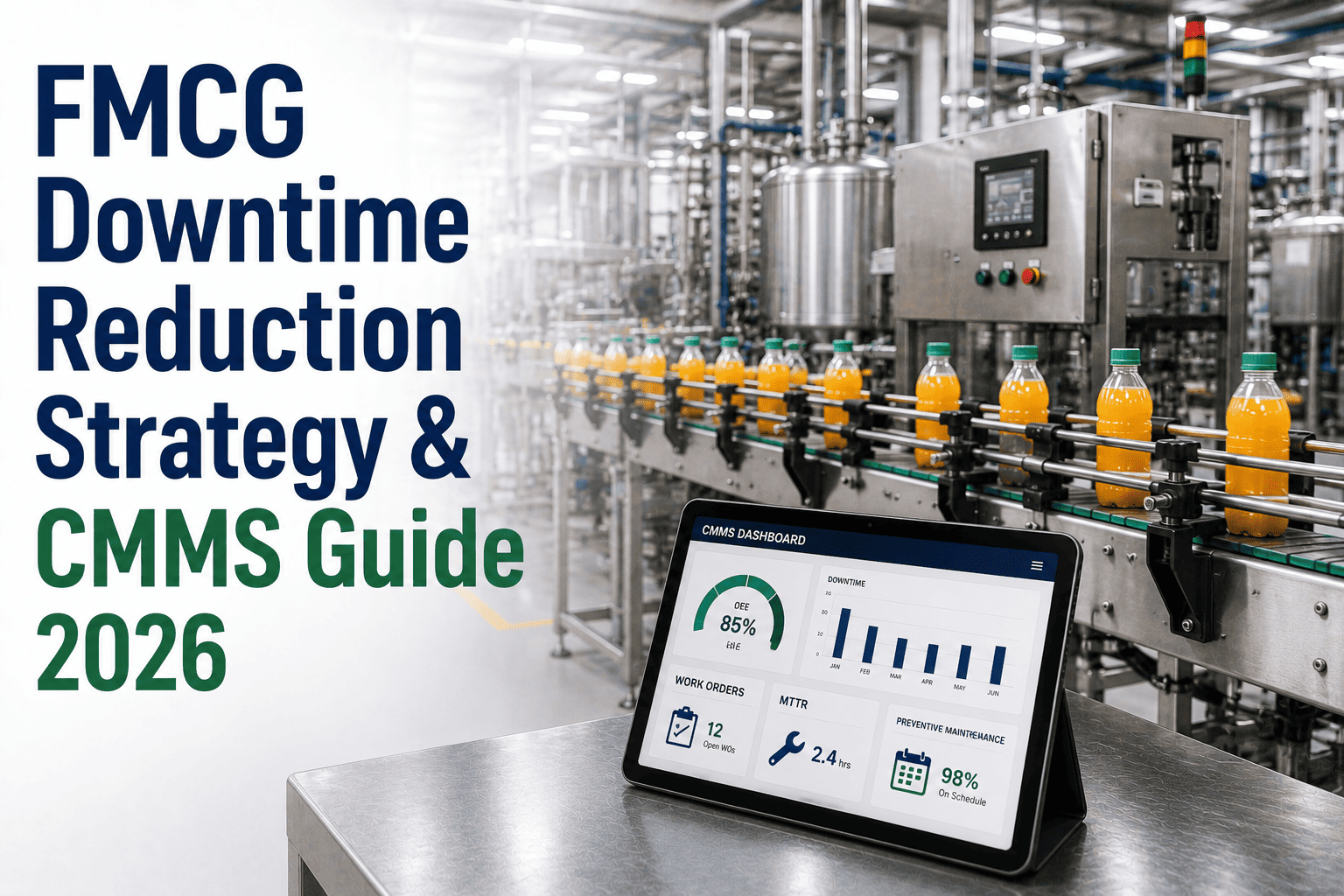
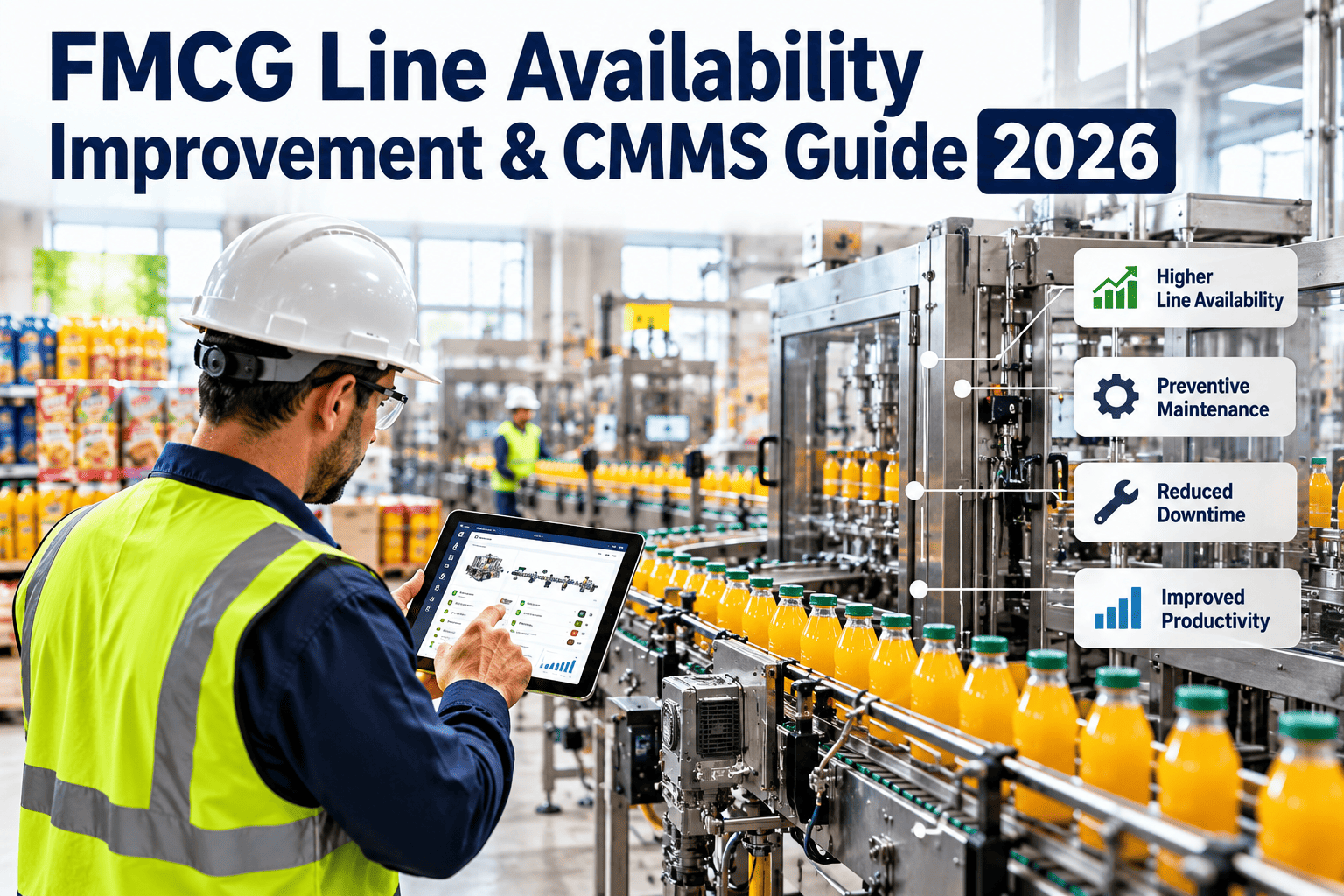
Every unplanned hour on a modern high-speed FMCG line costs somewhere between $36,000 and $50,000 in lost throughput, labor, and recovery time. Multiply that across fillers, cappers, labelers, and case packers running twenty-four hours a day, and downtime stops being a maintenance metric and becomes the single biggest lever on plant margin. Sign up to turn your 2026 downtime reduction plan into a CMMS-driven program instead of a quarterly slide deck.
Why It Matters
Every OEE point recovered on a packaging line is margin recovered, not just an uptime statistic. Plants that reduce downtime through guesswork, tightening PM frequency across the board, adding headcount, chasing the loudest complaint, rarely move the needle. The plants that actually shift line availability start by breaking downtime into categories and attacking the biggest one first.
The Downtime Categories Draining Your Packaging Line
Filler Micro-Stops
Short jams and sensor faults on the filler add up to hours of hidden downtime that never trigger a formal stoppage report
Changeover Overrun
Format and SKU changeovers that run past their target time are one of the largest and most fixable downtime sources
Unplanned Mechanical Failure
Bearing seizures, chain snaps, and drive failures on cappers and labelers that reactive maintenance never saw coming
Starved And Blocked Conditions
Upstream or downstream stations running out of sync, quietly capping the whole line's real throughput
See Which Downtime Category Is Actually Costing You
OxMaint logs every stoppage against a fixed downtime taxonomy, filler, changeover, mechanical, starved and blocked, so you finally see which category is eating your OEE instead of guessing from memory. Sign up for a free trial to start tracking real downtime cause, or book a demo to see the breakdown live on your lines.
Downtime Cause And The 2026 Fix That Actually Moves It
| Downtime Cause |
Typical Root Cause |
Program Fix |
| Filler micro-stops |
Sensor drift, worn seals, uncleaned jam points |
Condition-based PM triggered by micro-stop frequency, not calendar |
| Changeover overrun |
No standard sequence, tools or parts not staged in advance |
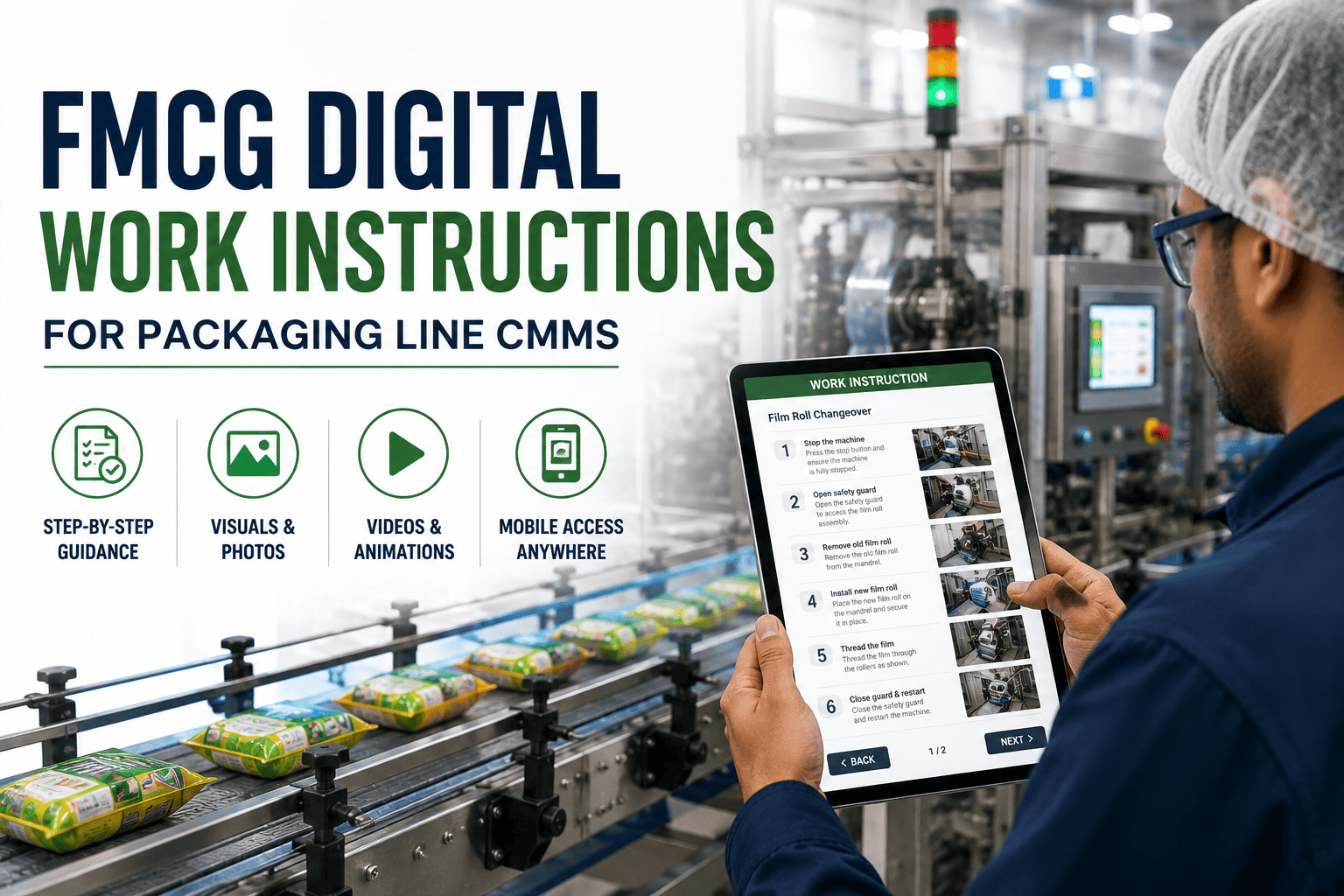
Digital changeover checklist with staged parts and step timers |
| Unplanned mechanical failure |
Reactive-only maintenance with no failure trend data |
PdM sensors on critical assets feeding predictive work orders |
| Starved and blocked line |
Poor buffer sizing and uneven station speeds |
Line-level downtime analytics to rebalance buffer and cycle times |
From Unplanned Stoppage To A Reliable Line
Capture
Log Every Stoppage By Reason Code
Micro-stops, changeovers, and failures all get tagged at the moment they happen, not reconstructed at shift end
Rank
Find The Biggest Downtime Driver
Pareto the logged causes by line to see which single category is actually capping throughput this quarter
Act
Target The Fix, Not Everything At Once
A focused PM, PdM, or changeover fix on the top driver moves OEE faster than a plant-wide overhaul
The Payoff
Plants running a CMMS-driven downtime program don't just reduce stoppages, they reduce the right stoppages first. That focus is what turns a single OEE point into real, recurring margin instead of a one-quarter improvement that fades once attention moves elsewhere.
Frequently Asked Questions
Q
Where should an FMCG plant start a downtime reduction program in 2026?
Start by logging every stoppage against a fixed reason code taxonomy for two to four weeks before changing anything, since most plants are surprised by which category is actually the biggest driver.
Q
Do filler micro-stops really matter if each one only lasts seconds?
Yes, individually small stops rarely trigger a formal report, but summed across a shift they frequently outweigh the visible mechanical failures that get all the attention.
Q
How does changeover time tie into overall downtime reduction?
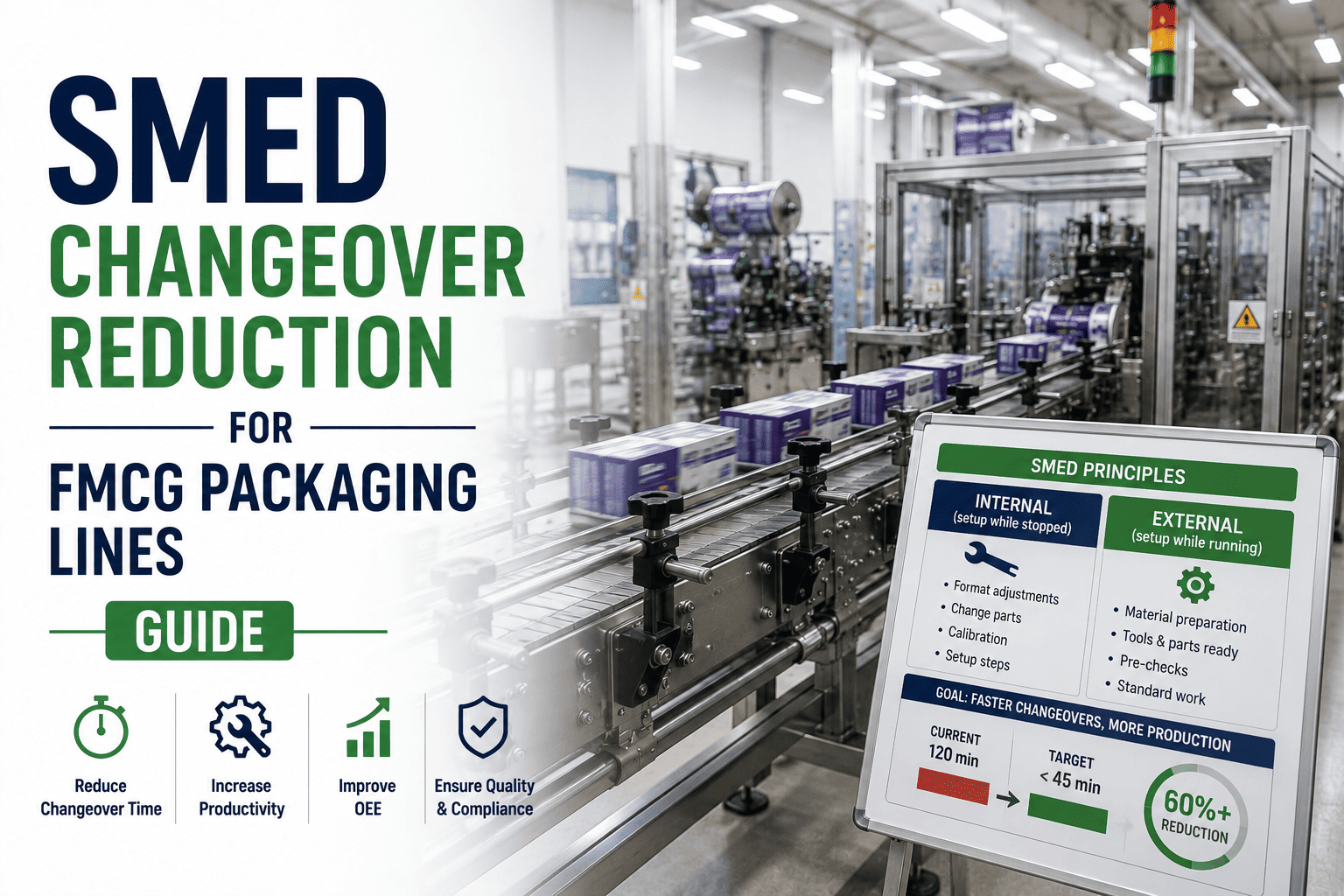
Changeover overrun is one of the most fixable downtime categories because it's process-driven, not equipment-driven, so a standardized digital checklist with staged parts can cut it fast without any capital investment.
Turn Downtime Data Into Line Availability
OxMaint captures every stoppage by reason code, ranks your biggest downtime driver, and routes the fix straight into a work order, so your 2026 downtime reduction plan runs on real data. Sign up for a free trial to start tracking your lines, or book a demo to see the full downtime program live.