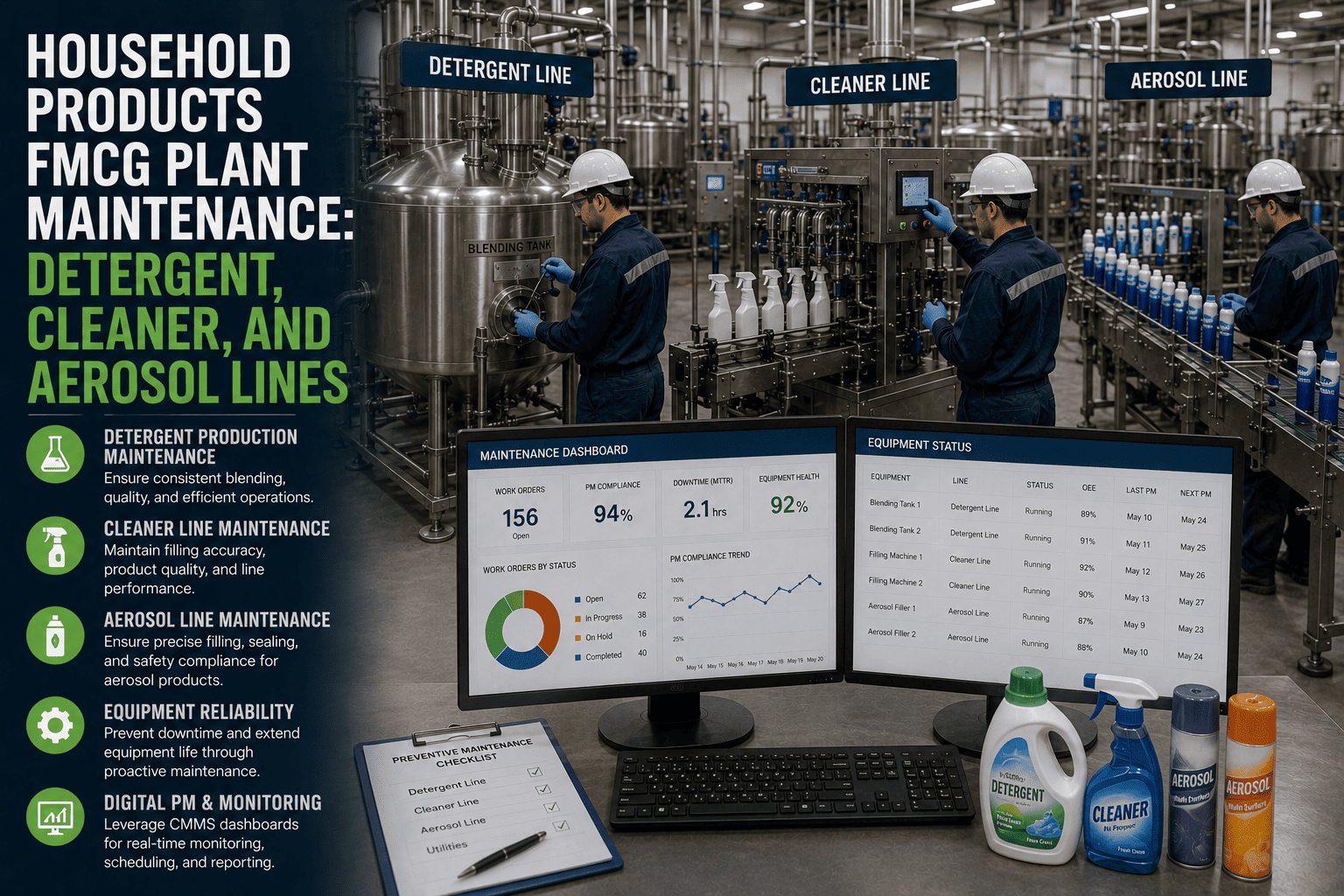
Household products manufacturing carries the highest concentrated safety risk of any FMCG vertical. Detergent blending tanks operate with caustic NaOH; chemical cleaner skids handle acids, bleaches, and surfactants that destroy ordinary wetted parts; aerosol filling rooms operate as DSEAR and ATEX hazardous zones pressurized with flammable LPG and DME propellants. The failure profile here is not just an OEE problem — it is a regulatory problem, an ignition-risk problem, and a director-level liability problem. A 2-10% LPG concentration in air is the flammable range. Aerosol cans rupture explosively above 50°C. A single Ex-rated motor repaired with a non-conforming part voids the Ex rating of the entire filling room. The only operating model that protects both the line and the people on it is structured PM with hazardous-area discipline encoded into every workflow. Oxmaint Maintenance Management does this by tying Preventive Maintenance to chemistry-exposure and tonnage triggers, enforcing Safety & Compliance on every Ex-rated asset, gating LEL detector calibrations through Inspection Management, and producing audit-ready DSEAR/ATEX evidence via EHS Management. Book a demo to see your Ex-zone equipment register mapped into Oxmaint.
See your DSEAR/ATEX evidence in real time
Every Ex-rated motor, relief valve, and LEL sensor needs documented inspection cadence. Oxmaint produces the evidence pack in minutes — not days.
Household Products Safety Reality
Four Numbers Every Aerosol & Detergent Plant Manager Knows
50°C
aerosol can explosive rupture threshold
2-10%
LPG flammable range in air — any vapor pooling is live hazard
4.8X
cost of reactive repair vs. scheduled PM on the same asset
+22%
OEE lift typical within 12 months of structured Oxmaint deployment
What Household Products Plant Maintenance Means in Oxmaint
Household products plant maintenance is the structured discipline of holding three high-risk system classes — detergent blending and dosing, chemical cleaner formulation, and aerosol filling — within the strict safety, regulatory, and performance envelopes their chemistries demand. Detergent blending tanks operate with caustic NaOH and high-shear mixing. Chemical cleaner dosing skids handle acids, bleaches, and surfactants that destroy ordinary wetted parts. Aerosol filling rooms operate as DSEAR and ATEX zoned hazardous areas with Ex-rated electrical equipment, bonding-and-grounding requirements, and vapor extraction systems that must be inspected on regulatory cadence.
The role of Oxmaint here is to enforce safety-PM discipline at the asset level — every relief valve, every Ex-rated motor, every grounding strap, every vapor detector has a calibration record and a PM cadence that auditors see in real time. To map your hazardous-area assets, start a free trial, or book a demo for a walkthrough.
The Household Products Hazard-Tier Matrix
Every asset on a household products line sits in one of three hazard tiers. Oxmaint configures PM cadence, inspection rigour, and audit evidence requirements per tier — so safety-critical equipment never gets treated like packaging equipment, and vice versa.
Asset Classes
Ex-rated motors and junction boxes in filling rooms, LPG/DME relief valves, LEL vapor detectors, bonding-and-grounding straps, vapor extraction fans, fire detection systems.
Oxmaint PM Configuration
Safety & Compliance enforces DSEAR/ATEX inspection cadence per regulator schedule.
Inspection Management stores Ex certification IDs and calibration certificates per asset. Overdue inspections lock the asset from work-order assignment.
Asset Classes
Caustic-rated agitator seals on detergent blending tanks, acid-bleach dosing pump diaphragms, jacketed heat exchangers, surfactant transfer pumps, crimping and gassing heads on aerosol fillers.
Oxmaint PM Configuration
Preventive Maintenance runs on chemistry-exposure triggers, not calendar dates — diaphragm changes happen at the right wear point.
Parts & Inventory stocks chemistry-rated spares with auto-reorder thresholds.
TIER 3
Standard-Performance
Asset Classes
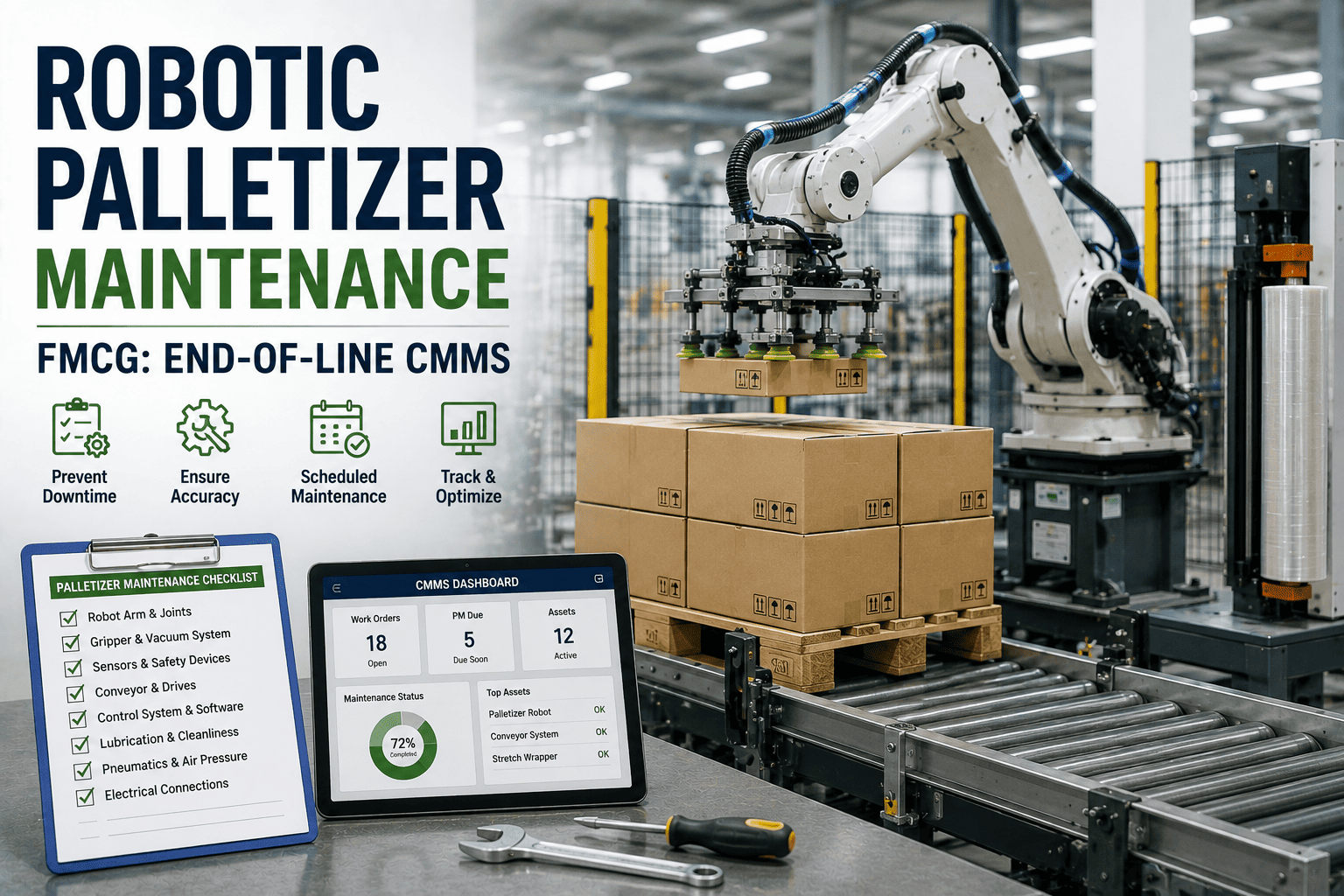
Cappers, labelers, cartoners, palletizers, check-weighers, conveyor drive motors, label-application timing systems, and downstream packaging equipment.
Oxmaint PM Configuration
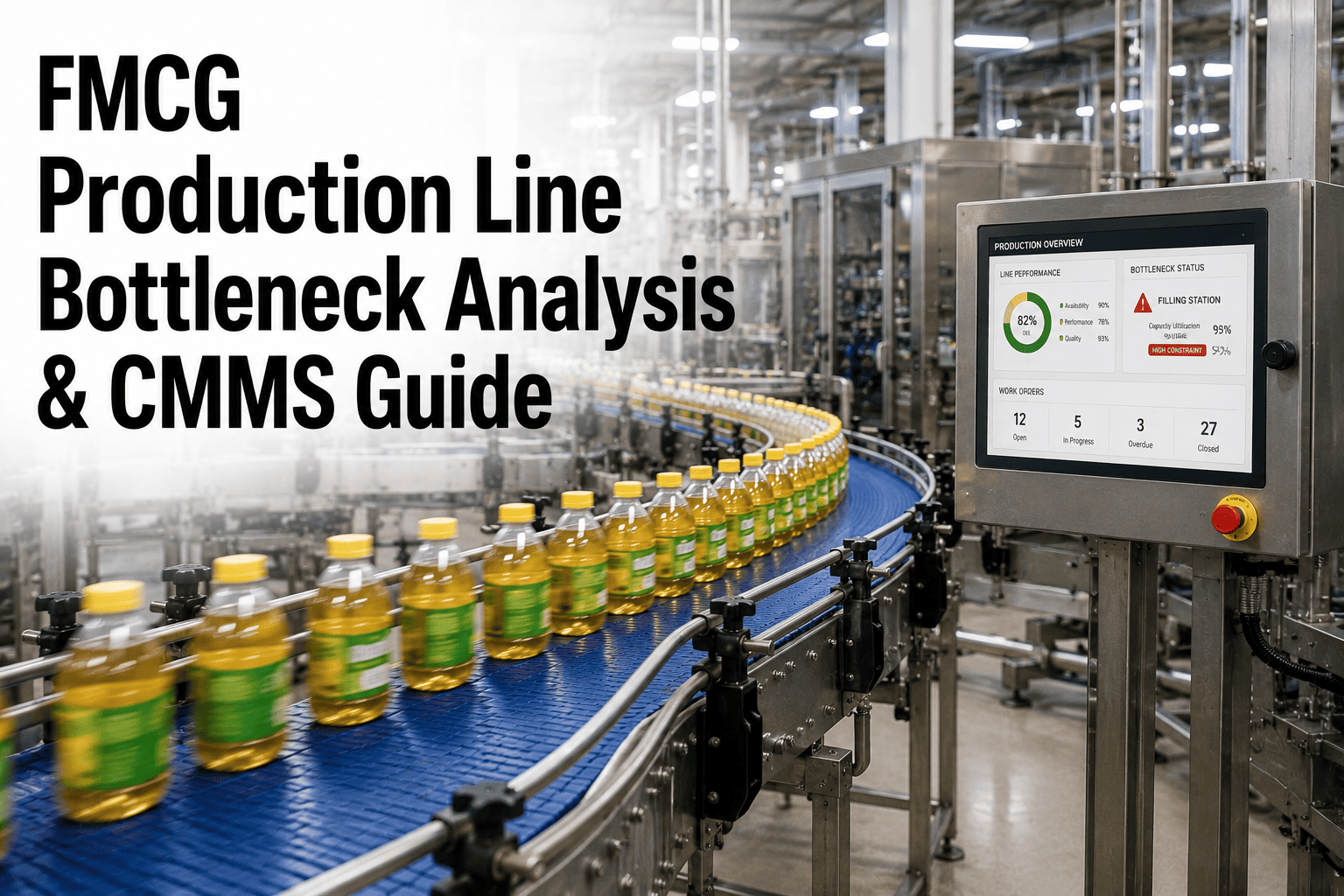
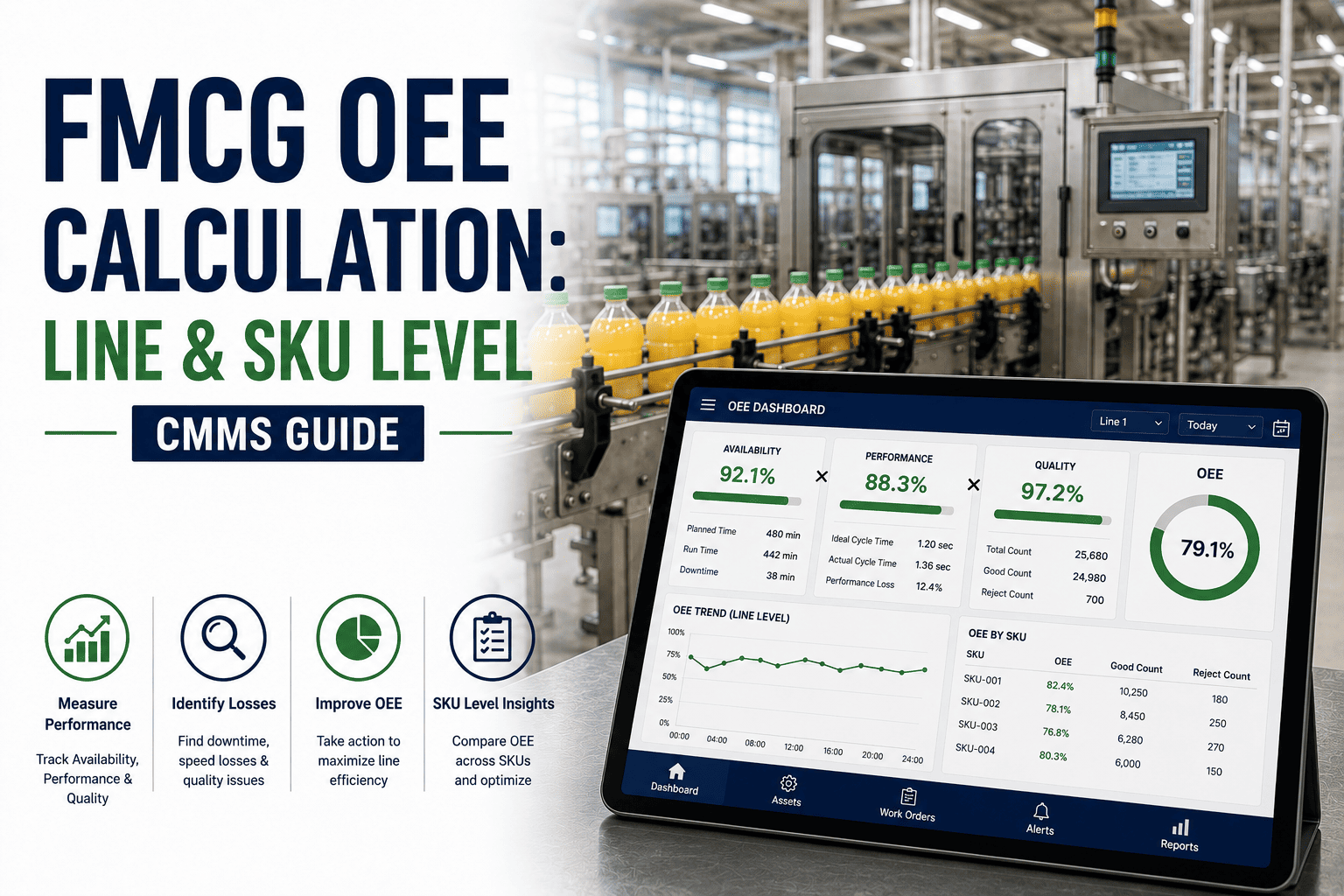
OEE Analytics captures micro-stops with root-cause categorization.
Work Order Management raises corrective WOs from production-counter triggers. Standard cycle-count PMs across packaging.
Plants that adopt the tier model inside Oxmaint typically see their auditors satisfied within hours rather than days — and their Tier 1 assets gain visibility that was previously locked in paper files. To see the tier matrix configured against your specific equipment list, start a free trial or book a demo.
A single ignition event in an aerosol filling room can shut down a plant 6-12 weeks and trigger criminal liability under DSEAR.
Pain Points Compounding Safety & Cost Risk
These are the recurring failures every reactive household products plant encounters — many with safety implications, not just yield implications.
SAFETY-CRITICAL
Ex-Rating Drift on Filling Equipment
A non-conforming repair on a motor or junction box voids the Ex rating of the entire hazardous zone — a DSEAR finding waiting to happen, discovered only at audit. Oxmaint Safety & Compliance locks Ex certificate tracking.
SAFETY-CRITICAL
Vapor Detector Calibration Gaps
A drifted LEL sensor reads safe while actual vapor concentration climbs — by the time the operator smells gas, the flammable threshold is already breached. Oxmaint Inspection Management gates calibration.
HIGH-CHEMISTRY
Caustic Agitator Seal Failure
A failed seal on a detergent blending tank contaminates the cooling jacket with caustic — and exposes maintenance technicians to chemical burn risk during the repair. Oxmaint Preventive Maintenance catches it early.
HIGH-CHEMISTRY
Acid/Bleach Dosing Pump Wear
Dosing pump diaphragms wear out by chemistry exposure, not by hours. Calendar PM produces premature changes and overdue failures with chemical spillage risk. Oxmaint chemistry-exposure triggers fix this.
STANDARD-PERFORMANCE
Crimper & Gassing Head Drift
An under-crimped aerosol can leak propellant in transport — every loose can in a pallet of 240 is a fire risk in the warehouse and a customer complaint waiting to surface. Oxmaint OEE Analytics flags crimping force drift.
AUDIT
DSEAR/ATEX Evidence Scramble
When HSE inspectors ask for 12 months of relief valve tests, paper logs produce hours of scramble — and any gap is a finding with prosecution potential. Oxmaint EHS Management exports the full evidence pack in minutes.
These pain points compound across both safety and yield axes — which is why structured plants start a free trial to baseline regulatory PM gaps first, or book a demo to see the DSEAR/ATEX inspection workflow.
How Oxmaint Closes Every Gap on a Household Products Line
Six Oxmaint modules combine to convert reactive household products operations into a planned, regulator-ready line. Each module maps to a tier-1, tier-2, or tier-3 failure mode.
01
Every Ex-rated motor, junction box, and electrical device carries its certification ID, last inspection date, and next inspection due — visible at a glance per asset.
02
LEL sensors, oxygen detectors, and gas-detection points carry calibration PMs with required reference-gas verification and timestamped sign-off.
03
Acid and bleach dosing pumps run on chemistry-exposure triggers, not calendar dates — diaphragm changes happen at the right wear point, not late or early.
04
Crimping force, gassing weight, and check-weigher tolerance are logged per shift. Drift is trended and re-calibration triggered before leakage occurs.
05
Every relief valve test, bonding-strap continuity check, and Ex equipment inspection produces audit-ready evidence exportable in minutes for HSE and customer audits.
06
Portfolio dashboards roll up OEE, regulatory PM compliance, and incident-near-miss tracking across every household products plant in the group.
DSEAR and ATEX prosecutions have led to plant shutdowns and personal director-level liability — structured PM is the documented defense.
Reactive vs. Planned Household Products Plant on Oxmaint
The operating gap is structured discipline captured in one auditable system every shift uses.
| Operational Dimension |
Reactive Plant |
Planned Plant on Oxmaint |
| Ex-Rated Equipment Records |
Paper file, often outdated |
Live digital register per asset |
| LEL Detector Calibration |
Drift discovered at incident |
Scheduled PM, logged and trended |
| Dosing Pump Diaphragm Changes |
Calendar-based, miss-prone |
Chemistry-exposure triggers |
| Crimper Force Verification |
Ad-hoc, after-leak detection |
Per-shift digital verification |
| Relief Valve Testing |
Paper certificates in binder |
Digital records, export-ready |
| Hazardous Area Inspections |
Manual, gap-prone |
DSEAR/ATEX cadence enforced |
| Audit Preparation |
Days of evidence scramble |
Audit pack export in minutes |
| Line OEE |
60-65%, no shift visibility |
78-85% with real-time dashboards |
ROI & Outcomes from Oxmaint on Household Products Lines
These are the measurable outcomes plants reach within 12 months of unified Oxmaint deployment across detergent, cleaner, and aerosol lines.
+22%
OEE lift
Within 12 months on full household products line Oxmaint deployment
-45%
unplanned downtime
Across blending, dosing, and filling combined
100%
DSEAR/ATEX evidence
Digital records replace paper binders, audit-ready every day
-38%
reactive repair spend
As cost ratios shift from emergency to planned on the same asset base
3.4X
safety-PM compliance
Paper-log plants vs. Oxmaint-tracked aerosol operations
90 days
typical payback
On a single household products line Oxmaint deployment
These outcomes are what plant managers bring to their VP Operations and HSE leads to justify scaling — which is why so many teams start a free trial on one line first, or book a demo for the multi-site DSEAR rollup.
Household Products Maintenance FAQ
Can Oxmaint enforce DSEAR and ATEX inspection cadences
Yes. Oxmaint tracks every Ex-rated asset with certification ID, last inspection date, next due date, and inspector sign-off through Safety & Compliance and Inspection Management. Overdue inspections trigger alerts and restrict work-order assignment on the affected equipment.
How often should LEL vapor detectors be calibrated
Best-practice plants bump-test LEL sensors before every shift and run full calibration against reference gas every 30-90 days depending on manufacturer specification. Oxmaint Inspection Management enforces the cadence and stores certificates against each sensor asset.
Can Oxmaint integrate with relief valve testing contractors
Yes. Third-party relief valve test certificates can be uploaded directly to the relevant asset in Oxmaint Smart Document Management, with expiry dates triggering re-test PMs automatically. Digital records replace paper binders.
How long does deployment take for a household products line
A single household products line is typically live in 7-10 working days using Oxmaint pre-built FMCG asset templates. First DSEAR inspection workflow is captured inside week one, with full team adoption inside 30 days.
Decision Point
Stop Carrying Regulatory Risk on Paper Logs
Turn every detergent blender, dosing skid, aerosol filler, and Ex-rated component into a predictable, auditable system with Oxmaint. Used by operations teams managing 10,000+ assets. Live in days, not months.
DSEAR/ATEX audit-ready
Ex-rated asset register
Multi-site portfolio rollup
No heavy implementation. Works across multi-site household products portfolios. Measurable results in the first 30 days.