A single 4-hour temperature excursion in a cold storage facility can destroy $180,000 worth of perishable inventory — and if nobody was monitoring, the loss is discovered only when product arrives at the customer discoloured, off-spec, or dangerous. FDA FSMA 204 now requires batch-level digital traceability for high-risk foods, with audit-ready data retrievable within 24 hours of a regulatory request. Manual temperature logs, clipboard-based checks, and spreadsheet records cannot meet this standard. IoT-enabled cold chain monitoring connected to a CMMS closes every gap — continuous temperature data, automated deviation alerts, corrective action documentation, and maintenance scheduling for refrigeration assets in a single audit-ready system. Book a demo to see how OxMaint integrates IoT temperature monitoring with refrigeration PM scheduling and FSMA-compliant documentation. Start a free trial and connect your first cold storage zone today.
Cold Chain Management Guide for Food and Beverage (2026)
Real-time temperature monitoring, automated deviation alerts, refrigeration asset maintenance, FSMA 204 traceability, and audit-ready cold chain documentation — unified in one CMMS platform.
What Is Cold Chain Management?
Cold chain management is the end-to-end process of maintaining temperature-controlled environments for perishable food products — from production and storage through distribution and retail delivery. It encompasses refrigeration equipment maintenance, continuous temperature monitoring, deviation response protocols, regulatory documentation, and energy optimization. In 2026, effective cold chain management requires the integration of IoT sensors with CMMS platforms to create closed-loop systems where temperature data automatically triggers maintenance actions, compliance records, and corrective workflows. Want to see this integration working? Start a free trial and book a demo to walk through OxMaint's cold chain monitoring capabilities.
Critical Temperature Zones in Food Manufacturing
Different food categories require different temperature environments, and each zone demands specific monitoring thresholds, alert parameters, and refrigeration maintenance schedules. A single CMMS must manage all zones simultaneously with zone-specific compliance rules.
Monitor Every Cold Chain Zone From One Dashboard. Respond Before Product Is Lost.
OxMaint integrates IoT temperature sensors with refrigeration PM schedules — so deviations trigger automated work orders, corrective actions are documented in real time, and every zone stays audit-ready 24/7.
The IoT-CMMS Closed Loop: How Smart Cold Chains Work
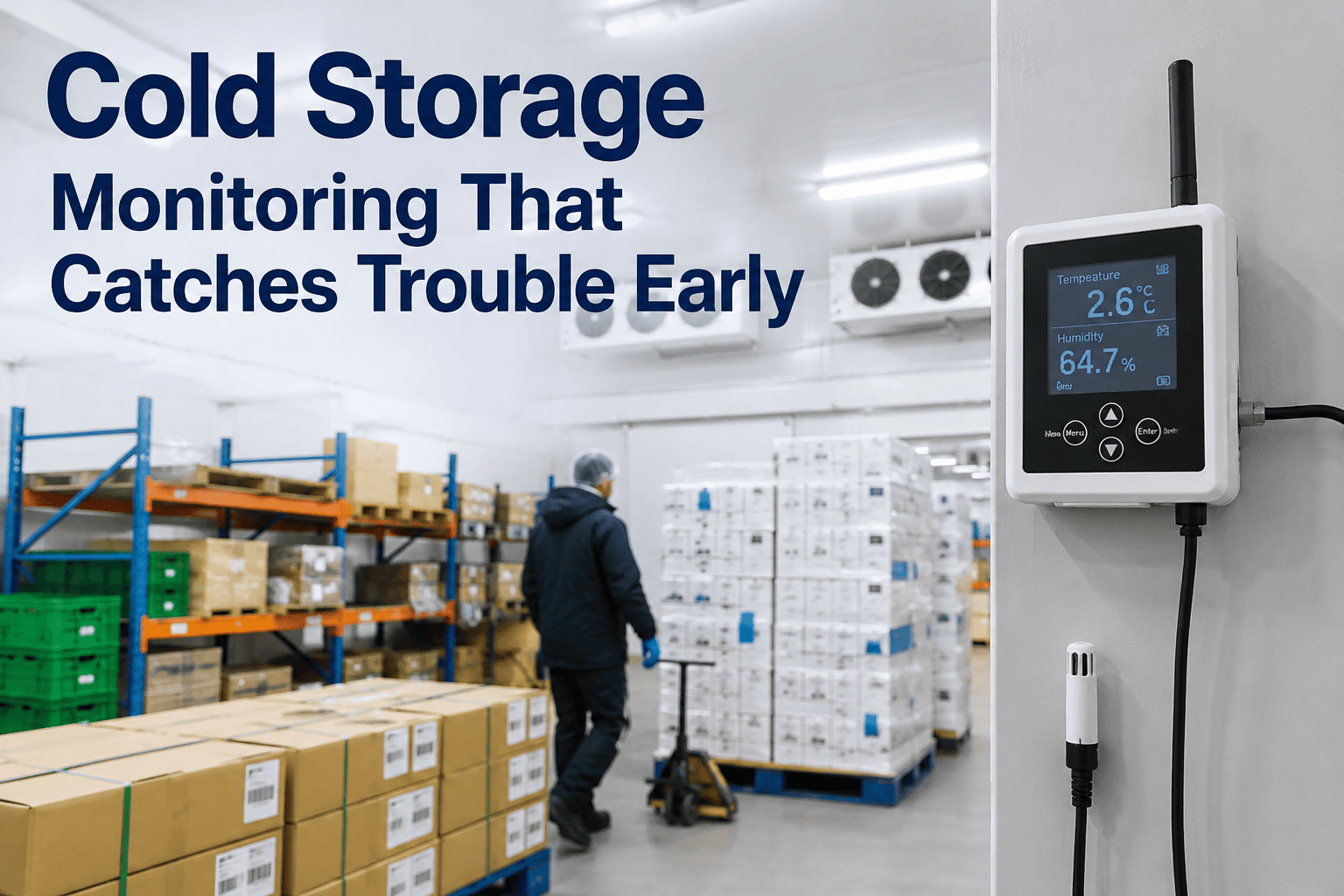
A connected cold chain is not just sensors on walls — it is a closed-loop system where temperature data drives maintenance actions automatically. When a sensor detects a deviation, the CMMS creates a work order, alerts the technician, documents the corrective action, and links everything to the affected product batch for traceability. No manual steps. No clipboard gaps. No missed deviations. Experience this closed loop firsthand — start a free trial and book a demo to see the IoT integration in action.
Manual vs. IoT-Connected Cold Chain Management
The gap between manual cold chain monitoring and IoT-connected CMMS management is not incremental — it is the difference between discovering a $180,000 spoilage event after it happens and preventing it before product is affected.
Cold Chain Compliance Framework: What Regulators Require
Cold chain compliance is governed by overlapping regulatory frameworks across regions. OxMaint maps your cold chain documentation to every applicable standard — so one system satisfies FDA, HACCP, BRC, and regional requirements simultaneously. See how this maps to your operations — start a free trial and book a demo to walk through compliance mapping.
The ROI of IoT-Connected Cold Chain Management
Frequently Asked Questions
What IoT sensors does OxMaint integrate with for cold chain monitoring?
OxMaint integrates with industry-standard wireless temperature and humidity sensors via API connections, supporting protocols including LoRaWAN, BLE, and WiFi-based sensors. Sensor data feeds directly into the CMMS, triggering automated alerts and work orders when thresholds are breached. The platform is sensor-agnostic — if your devices provide an API, OxMaint can connect them. Book a demo to see IoT integration options.
How does OxMaint help with FSMA 204 cold chain compliance?
OxMaint links every temperature reading to the specific cold chain zone, equipment asset, and production batch — creating the traceability chain that FSMA 204 requires. Corrective actions for temperature deviations are documented with timestamps, technician ID, and resolution details. All records are retrievable within minutes, well within the 24-hour audit response window. Start a free trial to configure FSMA-compliant cold chain tracking.
Can OxMaint manage cold chain monitoring across multiple sites?
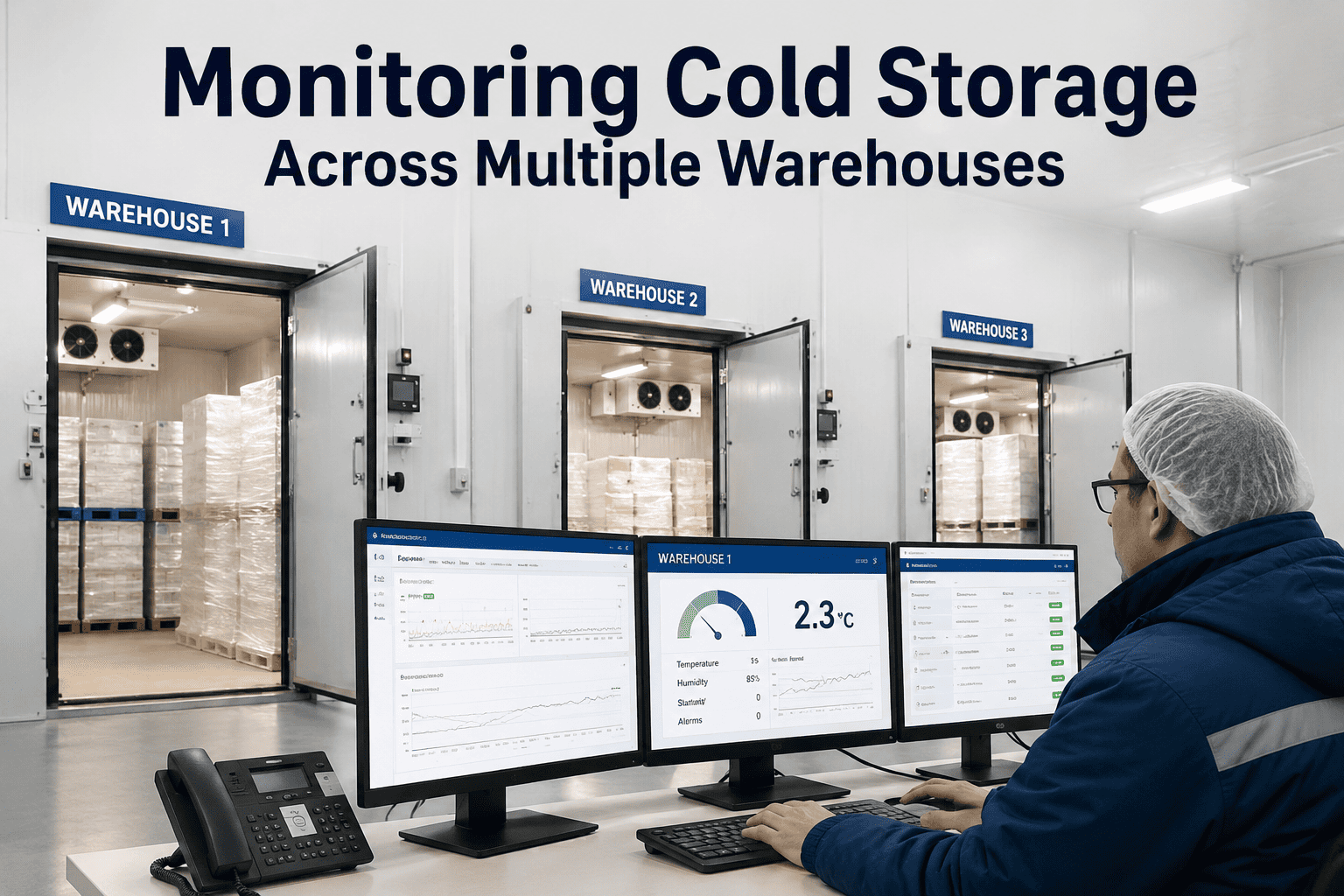
Yes. OxMaint's multi-site architecture allows portfolio-level cold chain visibility — every zone across every facility monitored from a single dashboard. Site managers see their local zones, while operations directors see aggregated compliance status, deviation trends, and refrigeration asset health across the entire portfolio. Book a demo to see multi-site cold chain management.
How often should refrigeration equipment be maintained in food cold chains?
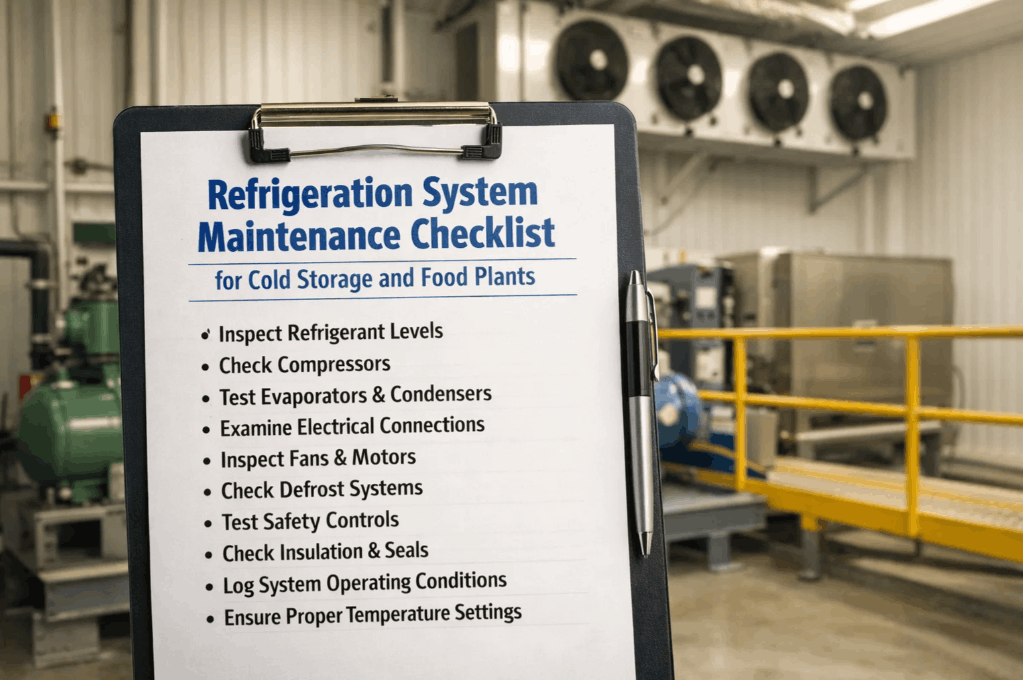
Industry best practice and OEM recommendations typically require weekly evaporator defrost checks, monthly compressor inspections and door seal assessments, quarterly condenser cleaning and refrigerant level checks, and annual comprehensive system audits. OxMaint automates all of these schedules per refrigeration asset and adjusts frequency based on IoT performance data — so maintenance matches actual equipment condition, not an arbitrary calendar. Start a free trial to set up refrigeration PM schedules.
Your Cold Chain Is Only as Strong as Your Weakest Sensor Gap. OxMaint Closes Every One.
IoT temperature monitoring, automated deviation alerts, refrigeration PM scheduling, FSMA 204 traceability, and audit-ready documentation — one platform, every cold chain zone, every site.