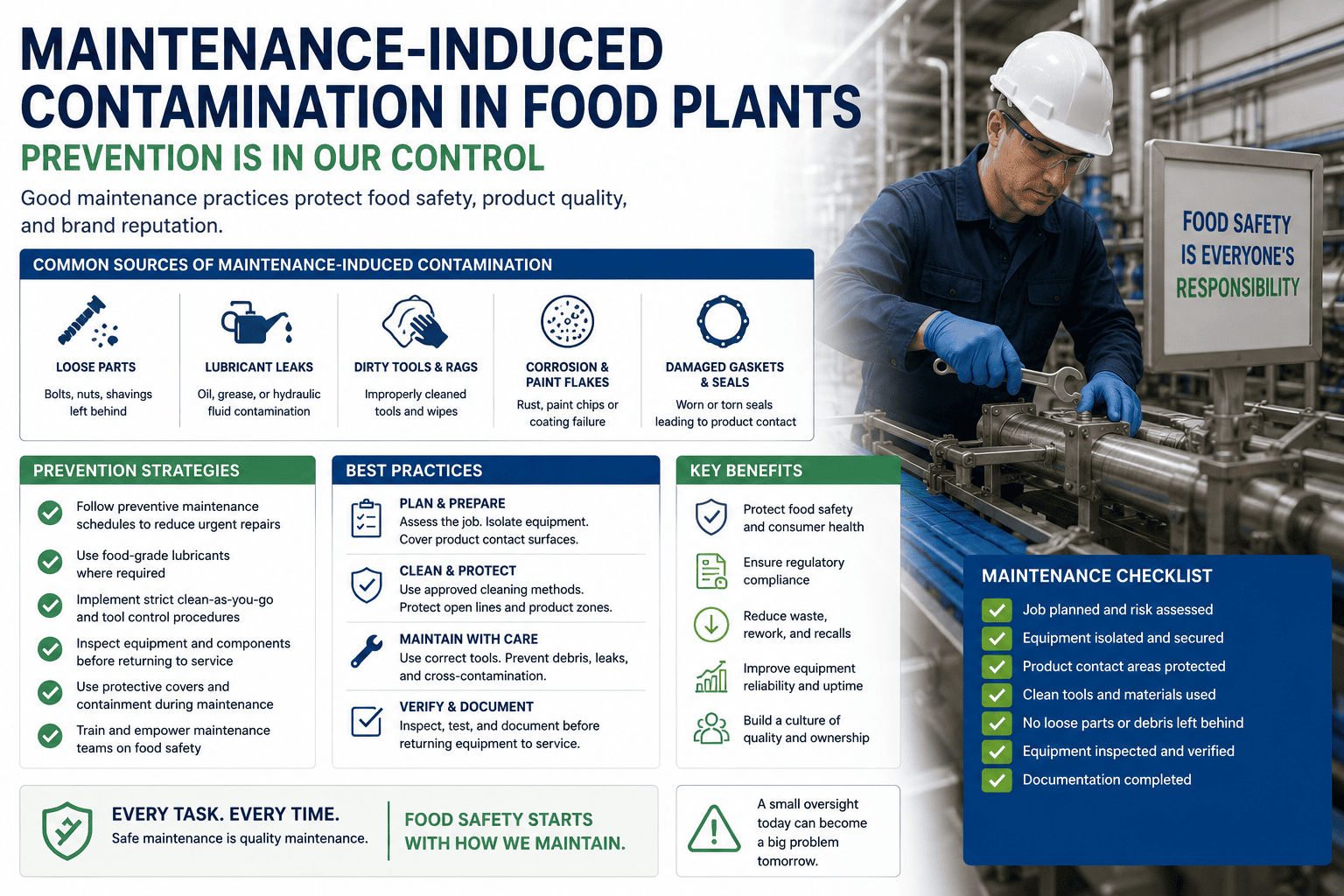
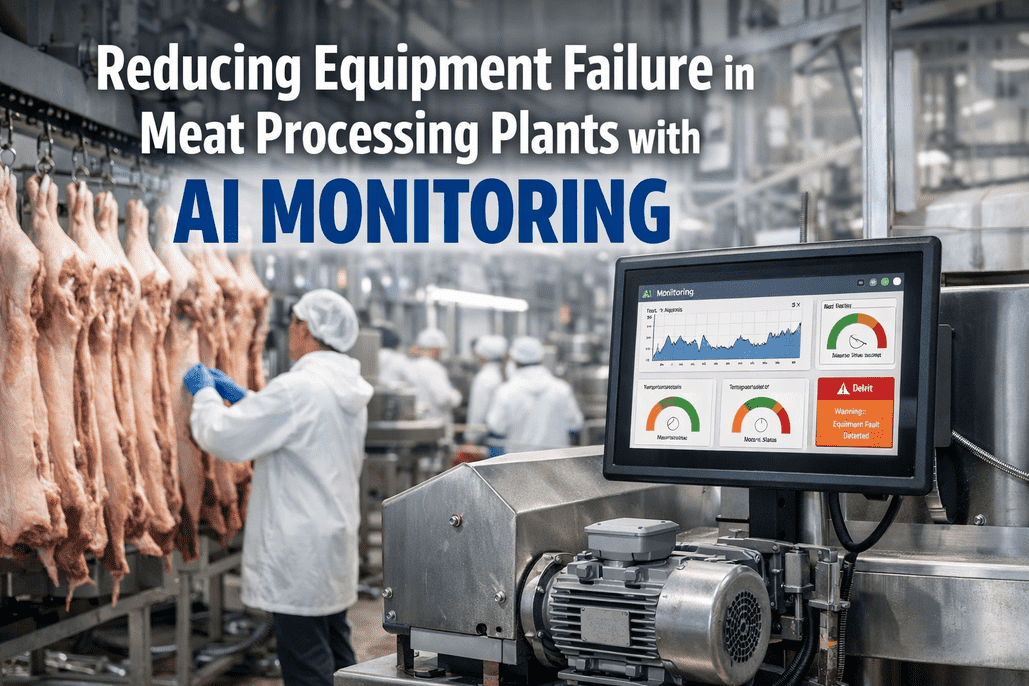
A frozen pizza manufacturer lost $340,000 in production and had to destroy 18,000 pounds of product when a blast freezer compressor failed unexpectedly on a Friday evening. The post-failure analysis revealed the warning signs had been present for weeks—elevated discharge temperatures, increasing amp draw, and unusual vibration patterns—but without systematic monitoring, these indicators went unnoticed until catastrophic failure. After implementing failure analysis and prevention through Oxmaint, the plant now tracks equipment health indicators continuously, identifies developing failures before breakdown, and has reduced unplanned downtime by 71% while eliminating product loss from equipment-related temperature excursions.
Food processing equipment operates in demanding conditions—continuous production schedules, aggressive washdown environments, temperature extremes, and strict hygiene requirements. These conditions accelerate wear and create failure modes not seen in other industries. Understanding why equipment fails and implementing systematic prevention transforms maintenance from reactive firefighting to proactive reliability management. This article covers common failure causes in food processing plants and practical prevention strategies that improve both uptime and food safety. Book a demo to see how Oxmaint enables failure prevention in food manufacturing.
Food Processing Equipment Failure Analysis and Prevention
Understanding failure causes and implementing prevention strategies for improved uptime and food safety.
Why Food Processing Equipment Fails
Food plant equipment faces unique stressors that accelerate failure.
Washdown Damage
High-pressure washdown with caustic chemicals penetrates seals, corrodes housings, and degrades lubricants. Daily sanitation accelerates wear on components not designed for constant moisture exposure.
Temperature Cycling
Equipment moving between cold storage and warm production areas experiences thermal stress. Condensation forms during transitions, introducing moisture into mechanical and electrical systems.
Continuous Operation
24/7 production schedules eliminate maintenance windows. Equipment runs until failure because stopping for preventive maintenance loses production time.
Product Contamination
Food particles, fats, sugars, and proteins infiltrate equipment. Buildup clogs sensors, fouls heat exchangers, and creates environments for bacterial growth and corrosion.
Common Failure Modes by Equipment
Oxmaint tracks failure patterns across food processing equipment categories.
Refrigeration Systems
Conveyors
Mixers & Blenders
Packaging Equipment
Identify Failures Before Breakdown
Oxmaint tracks equipment health indicators and alerts maintenance teams to developing problems.
Failure Analysis Methods
Systematic analysis identifies root causes and prevents recurrence.
5-Why Analysis
Sequential questioning to move beyond symptoms to root causes. Ask "why" repeatedly until you reach actionable causes that can be addressed.
Failure Mode Effects Analysis
Systematic evaluation of potential failure modes, their causes, and effects. Prioritize prevention efforts based on severity, occurrence, and detectability.
Fishbone Diagram
Categorize potential causes across dimensions: People, Process, Equipment, Materials, Environment, and Methods. Ensures comprehensive cause identification.
Fault Tree Analysis
Logic diagram showing event combinations leading to failure. Identifies multiple contributing factors and their relationships.
Prevention Strategies
Oxmaint enables systematic failure prevention through multiple approaches.
Scheduled Preventive Maintenance
Time-based and usage-based PM tasks performed before failure occurs. Calibrated intervals based on equipment criticality and failure history.
Condition Monitoring
Track equipment health indicators to detect degradation before failure. Vibration, temperature, current draw, and other parameters reveal developing problems.
Operator-Driven Reliability
Operators perform daily checks and report anomalies. First-line detection catches problems early when equipment users notice changes in operation.
Precision Maintenance
Maintenance performed to precise specifications. Proper alignment, torque values, and installation procedures prevent infant mortality failures.
Build a Failure Prevention Culture
Oxmaint provides the tools and workflows to move from reactive to proactive maintenance.
Food Safety Integration
Equipment reliability directly impacts food safety. Oxmaint connects maintenance with safety compliance.
Temperature Control
Refrigeration failures create temperature excursions that compromise food safety. Monitoring prevents conditions that require product destruction.
Sanitary Equipment
Worn seals, cracked surfaces, and damaged components create harborage points for bacteria. Preventive replacement maintains sanitary conditions.
CIP System Reliability
Clean-in-place system failures mean inadequate sanitation. Monitoring ensures proper temperature, flow, and chemical concentration.
Metal Detection
Detector failures allow contaminated product to ship. Calibration verification and sensitivity testing prevent false negatives.
Key Performance Indicators
Track these metrics to measure failure prevention effectiveness.
Mean Time Between Failures
Average operating time between failures. Increasing MTBF indicates improving reliability.
Mean Time To Repair
Average time to restore equipment after failure. Lower MTTR means faster recovery.
Overall Equipment Effectiveness
Combined measure of availability, performance, and quality. Target 85%+ for world-class operations.
PM Compliance Rate
Percentage of scheduled PM tasks completed on time. Target 90%+ for effective prevention.
Frequently Asked Questions
Prevent Equipment Failures
Join food processing plants using Oxmaint to analyze failure patterns and implement effective prevention strategies.