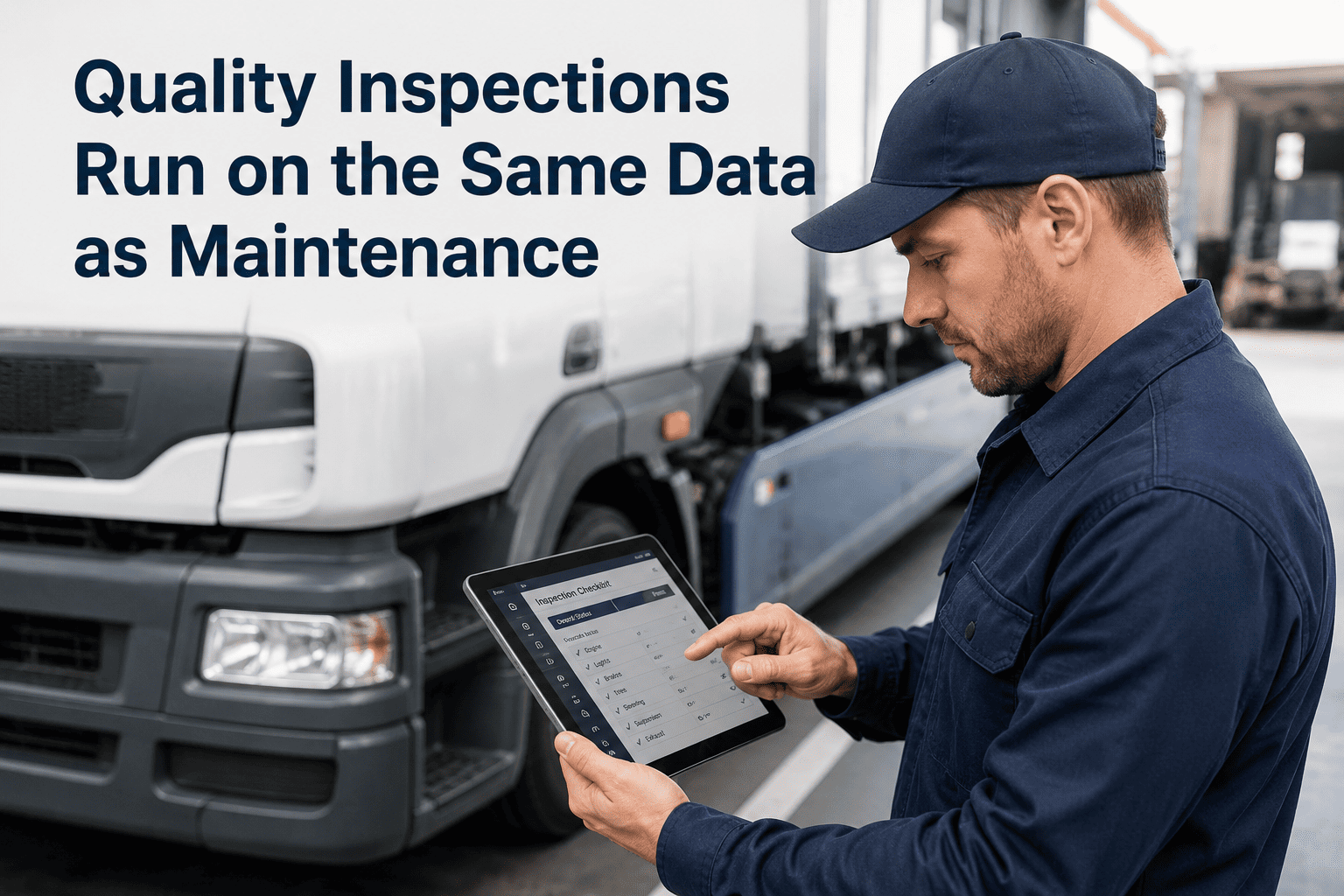
A poultry processing plant in Arkansas deployed NVIDIA AI vision systems on their evisceration line—and within the first week, the cameras detected a subtle pattern: contamination rates spiked 340% whenever a specific eviscerator's vacuum pressure dropped below threshold. The correlation was invisible to human inspectors watching the line, but the AI recognized the pattern across thousands of frames. When the system automatically triggered a maintenance work order through CMMS integration, technicians discovered a failing seal that would have caused a major contamination event within days. Sign up for Oxmaint to connect AI vision insights to your maintenance workflows.
Best NVIDIA AI Vision for Food Contamination Detection and Maintenance 2026
GPU-accelerated vision systems detect contamination in milliseconds, correlate defect patterns with equipment health, and trigger maintenance before quality issues become food safety events.
Contamination Types Detected by AI Vision
Food quality AI systems detect contamination categories that challenge human inspectors—from foreign materials moving at line speed to subtle biological indicators invisible to the naked eye. Book a demo to see NVIDIA-powered detection in action.
Foreign Material Detection
Physical contaminantsAI identifies foreign objects that X-ray and metal detection miss—plastic fragments, wood splinters, glass shards, and organic materials at production speeds.
- Plastic and packaging fragments
- Metal particles below detector thresholds
- Glass and ceramic pieces
- Organic foreign matter
Biological Indicators
Microbial risk markersHyperspectral imaging detects early-stage spoilage, biofilm presence, and contamination indicators before they become visible to human inspection.
- Biofilm accumulation patterns
- Early spoilage indicators
- Fecal contamination markers
- Pathogen growth signatures
Quality Defects
Product specification varianceContinuous visual inspection catches quality deviations that correlate with equipment performance—identifying maintenance needs before defect rates spike.
- Color and texture anomalies
- Shape and size deviations
- Surface damage patterns
- Packaging seal integrity
AI Vision Processing Architecture
Before vs. After AI Vision Implementation
Manual Inspection Limitations
Human inspectors working production lines face fatigue, attention limits, and speed constraints. At 200+ units per minute, visual inspection catches only obvious defects—missing subtle contamination and failing to correlate defect patterns with equipment health.
Manual Inspection Metrics
NVIDIA-Powered Detection
GPU-accelerated vision processes every frame in real-time, detecting contamination at 99.7% accuracy while correlating defect patterns with equipment parameters. When defect rates spike, the system automatically generates maintenance work orders—catching equipment issues before they cause quality events. Sign up for Oxmaint to enable this integration.
AI Vision Metrics
NVIDIA Hardware for Food Vision
Different production environments require different GPU capabilities. These platforms power production line quality AI from single-camera installations to facility-wide deployments.
Jetson AGX Orin
RTX A6000
DGX Station A100
Defect-to-Maintenance Integration Flow
When AI vision detects defect pattern changes, Oxmaint automatically investigates equipment health. Schedule a demo to see the integration.
Defect Spike Detected
AI identifies abnormal defect rate on specific line or station
Pattern Analysis
System correlates defects with equipment parameters and timing
CMMS Alert
Oxmaint receives notification with defect data and suspected equipment
Work Order Generated
Maintenance task created with AI analysis and recommended actions
Implementation Checklist
Frequently Asked Questions
Turn Detection into Prevention
NVIDIA AI vision catches contamination at production speed. Oxmaint turns detection patterns into maintenance action—fixing equipment issues before they become food safety events.