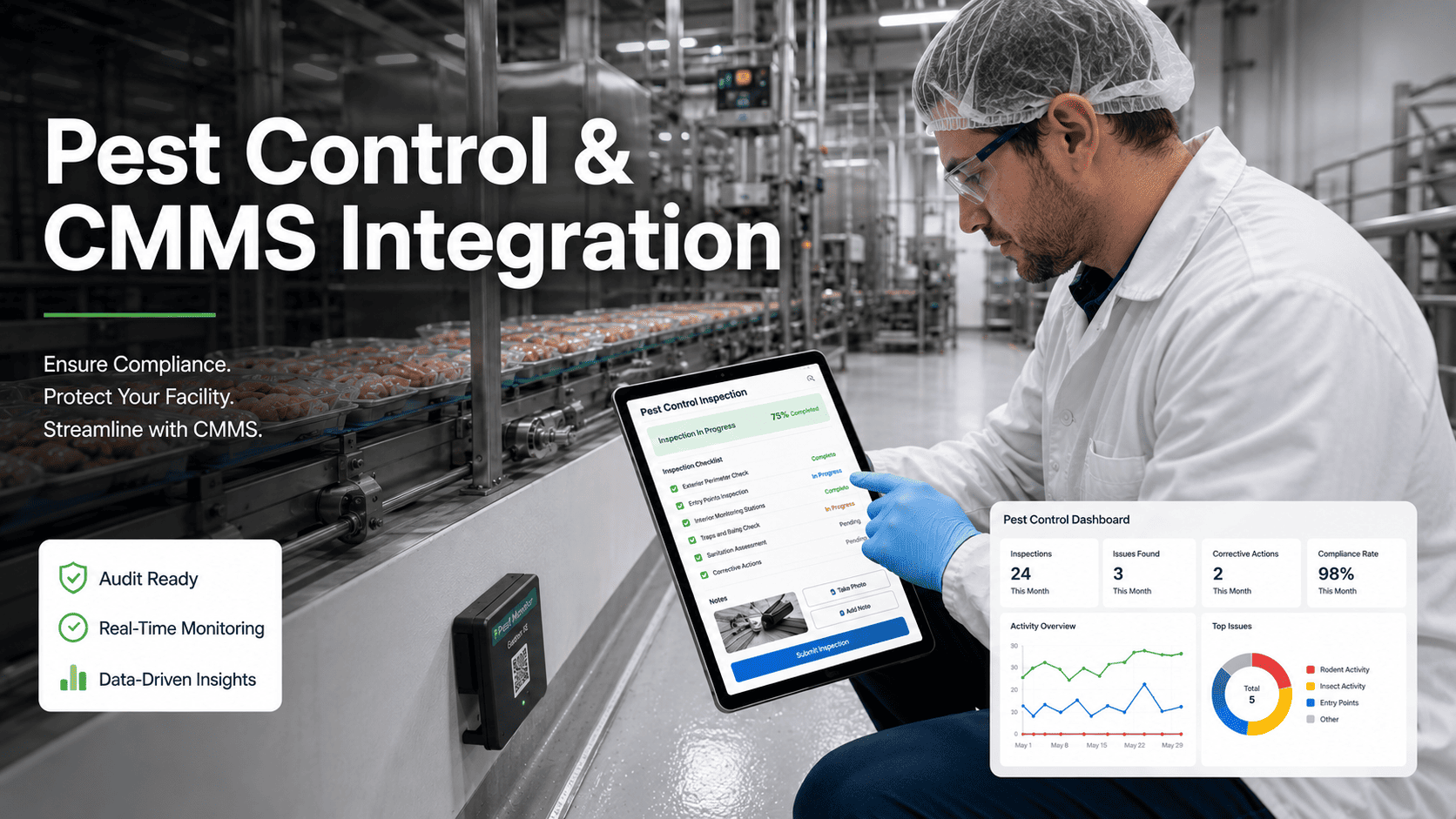
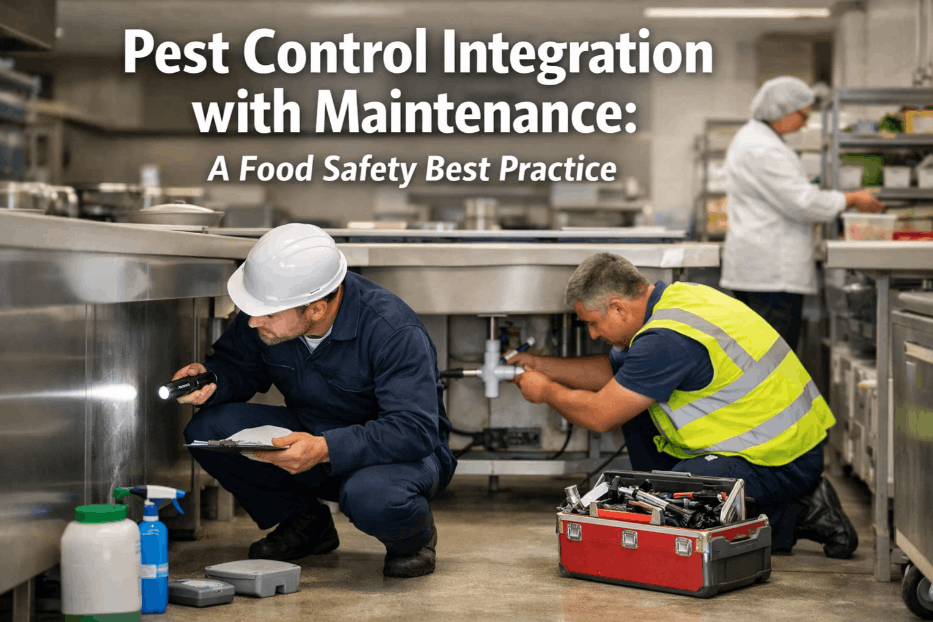
A single pest sighting during a third-party food safety audit can trigger an immediate suspension of certification. A rodent entry point found during a surprise regulatory inspection can generate a mandatory recall, a facility shutdown order, and news coverage that damages brand trust for years. For plant managers, quality directors, and maintenance leads in food and beverage facilities across the USA, UK, Canada, Australia, UAE, and Germany, pest control is not a housekeeping function — it is a food safety system that requires the same documentation discipline, inspection scheduling, and corrective action tracking as any other critical control point. The facilities that achieve zero pest non-conformances audit after audit are the ones that have stopped treating pest management as a contractor responsibility and started managing it as a structured, CMMS-integrated program. Ready to build that program? start a free trial or book a demo to see how Oxmaint integrates pest management with your existing maintenance workflows.
Integrate Pest Control Into Your CMMS — Make It Audit-Proof
Oxmaint gives food plant quality and maintenance teams the digital bait station mapping, inspection scheduling, trend tracking, and corrective action documentation that transforms pest control from a contractor deliverable into an owned, auditable internal system.
What Is Integrated Pest Management (IPM) in Food Manufacturing?
Integrated Pest Management is a systematic, evidence-based approach to food facility pest control that prioritizes prevention over reactive treatment — using monitoring data, structural exclusion, environmental controls, and targeted chemical interventions only when monitoring evidence crosses defined thresholds. IPM programs are required or strongly encouraged under BRCGS Issue 9, SQF Edition 9, FSSC 22000, and HACCP frameworks globally. The difference between a compliant IPM program and a basic contractor service is documentation: IPM programs generate continuous monitoring records, trend data, corrective action logs, and risk maps that can be produced instantly during an audit. start a free trial and configure your IPM workflow in Oxmaint today.
The IPM Framework: Five Pillars That Actually Work
Structural Exclusion and Environmental Control
Entry point management — sealing gaps, door sweeps, screen maintenance, and loading dock gap control — is the highest-ROI pest control investment a food plant can make. A rodent can enter through a 6mm gap; a stored product insect needs only an unsealed bag. Scheduled structural inspection work orders in Oxmaint ensure exclusion measures are verified monthly, with photo evidence and repair tracking driving corrective action before entry occurs.
Bait Station and Trap Network Management
Interior and exterior bait stations, glue boards, pheromone traps, and light traps form the monitoring backbone of any IPM program. Each device must be registered, mapped, inspected on schedule, and trend-analyzed. A single station with three consecutive weeks of activity is a signal — but only if someone is tracking the data. Oxmaint registers every device as an asset, schedules inspection work orders, and logs each inspection result for trend analysis.
Monitoring, Trending, and Threshold Management
IPM programs define action thresholds — the level of pest activity that triggers an escalated response. Below threshold, monitoring continues. At threshold, targeted chemical or mechanical intervention is applied. Above threshold, immediate escalation and investigation occur. Without a system tracking device-by-device activity levels across time, thresholds exist on paper only — and early warning signals are missed until pest pressure becomes a safety event.
Corrective Action and Root Cause Investigation
When monitoring data triggers a threshold breach, a corrective action must be initiated, documented, and closed within a defined timeframe. Auditors look for evidence that pest activity generated a documented investigation — not just a spray treatment. Oxmaint's work order system links threshold breaches to corrective action work orders with root cause fields, investigation notes, and sign-off requirements that create the full audit trail auditors require.
Pest Control Gaps That Trigger Audit Non-Conformances
Bait Station Not Inspected on Schedule
BRCGS and SQF require documented evidence that every pest monitoring device is inspected at the defined frequency. A single station with a missed inspection — visible in the records — generates a non-conformance. Without CMMS scheduling, missed inspections accumulate invisibly.
No Pest Activity Trend Analysis
Auditors expect to see evidence that pest activity data is analyzed for trends and that management is reviewing this data at defined intervals. Contractor monthly visit reports alone do not satisfy this requirement — the facility must demonstrate its own trend review process with documented outcomes.
Pest Evidence Found Without Corrective Action Record
Physical evidence of pest activity — rodent droppings, insect frass, gnaw marks — found during an audit with no corresponding corrective action record is the highest-severity pest-related non-conformance. It indicates the monitoring system failed to detect, document, or respond to the infestation.
Device Map Not Current
Every pest monitoring device must appear on a current, accurate floor plan with unique identification numbers. Devices added, moved, or removed without map updates create discrepancies that generate non-conformances during document review — a common finding in facilities managing pest records in folders rather than a CMMS.
Contractor Visit Records Incomplete
When contractor visit records contain unsigned sections, missing treatment details, or chemical use documentation without application rates, the facility is exposed to non-conformances even when pest control itself was executed correctly. The documentation gap is the finding.
Pesticide Use Without Safety Data on File
Every chemical product used in the facility — including pest control agents — must have a current safety data sheet on file and accessible. COSHH (UK), EPA (USA), and equivalent regulatory requirements apply. Facilities where contractor-applied chemicals are not tracked in the facility's own system regularly fail this check.
How Oxmaint Integrates Pest Control with CMMS
Oxmaint treats pest monitoring devices as assets — registered, mapped, scheduled, and tracked with the same discipline as mechanical equipment. This creates the systematic, always-current documentation trail that makes pest control audit-ready without administrative burden. book a demo to see the complete IPM workflow Oxmaint uses in certified food facilities.
Digital Pest Device Register
Register every bait station, glue board, light trap, and pheromone trap as an asset in Oxmaint — with location, device type, installation date, and unique ID. Link each device to a floor plan zone for instant visual mapping of your monitoring network.
Automated Inspection Work Orders
Schedule weekly, bi-weekly, or monthly inspection work orders for every pest monitoring device — with mobile checklists that capture activity level, bait consumption, pest species, and photo evidence. No missed inspections. No paper records to transcribe.
Activity Trend Analysis by Zone
Oxmaint aggregates inspection results by device, zone, and pest type — generating trend reports that show activity patterns over time. Threshold breach alerts notify quality managers immediately when any zone exceeds defined activity levels, enabling proactive intervention before escalation.
Linked Corrective Action Workflow
When a threshold is breached or pest evidence is found, Oxmaint generates a corrective action work order automatically — with root cause fields, investigation requirements, treatment documentation, and close-out sign-off. Every pest event has a complete response record.
Contractor Visit Log Integration
Log contractor visit details in Oxmaint — technician name, areas covered, treatments applied, chemicals used, and recommendations made. Chemical SDS files are attached to treatment records, creating the complete documentation chain that regulators and auditors require.
Audit-Ready Pest Control Reports
Generate complete pest activity reports by date range, zone, device, or pest type in seconds. BRCGS, SQF, FSSC 22000, and FDA auditors receive instant access to the full monitoring history — no manual file compilation under audit pressure.
Contractor-Only vs. CMMS-Integrated IPM
IPM and CMMS Integration: The Performance Data
Pest Control Compliance Checklist by Standard
| Requirement | BRCGS Issue 9 | SQF Edition 9 | FSSC 22000 | Oxmaint Solution |
|---|---|---|---|---|
| Pest device register and map | Clause 4.14 | 7.2.11 | ISO 22000 Sec 8 | Digital device register — auto-updated |
| Scheduled inspection records | Clause 4.14.4 | 7.2.11.3 | PRP documentation | Automated work orders + sign-off records |
| Activity trend analysis | Clause 4.14.5 | 7.2.11.4 | PRP review records | Zone trend dashboards + management reports |
| Corrective action documentation | Clause 1.1.10 | 2.5.3 | ISO 22000 10.2 | Linked corrective action work orders |
| Contractor visit records | Clause 4.14.2 | 7.2.11.2 | Service provider records | Contractor visit log with SDS attachments |
| Chemical use documentation | Clause 4.14.7 | 7.2.11.5 | PRP chemical management | Treatment records with chemical and rate fields |
Frequently Asked Questions
Can a food plant pass a BRCGS audit with contractor-only pest control?
Yes — but only if the facility can demonstrate that it actively manages and reviews the contractor program, maintains its own copies of all pest control records, has a current and accurate device map, conducts its own trend analysis, and generates corrective actions from its own systems when thresholds are breached. In practice, facilities relying exclusively on contractor-maintained records regularly receive non-conformances because they cannot produce facility-controlled documentation under audit pressure. BRCGS auditors look for evidence of facility ownership of the pest control program — not just evidence that a contractor visited.
How frequently should pest monitoring devices be inspected in a food plant?
Inspection frequency varies by device type, location, and pest pressure history. Interior rodent bait stations and glue boards in production areas typically require weekly inspection. Exterior bait stations in lower-risk perimeter locations may be inspected bi-weekly or monthly. Light traps in processing and packaging areas should be checked and cleaned weekly during high insect season. The CMMS should schedule inspections based on these defined frequencies — not on when contractors happen to visit — with facility staff conducting interim inspections between contractor visits to maintain continuous monitoring coverage.
What pesticides are permitted inside a food manufacturing facility?
Chemical pesticide treatment inside food manufacturing areas is subject to strict regulatory limitations in all major markets — FIFRA in the USA, CRD in the UK, and equivalent frameworks in Canada, Australia, Germany, and the UAE. Only products specifically labeled for use in food handling establishments, applied by licensed operators at approved rates, are permissible. Physical and biological controls — bait stations, glue traps, light traps, pheromone traps, and structural exclusion — are always the preferred first response. Any chemical application must be documented with product name, active ingredient, application rate, treated areas, applicator certification number, and reentry intervals — all of which should be recorded in the CMMS.
What is the link between pest control and food safety HACCP plans?
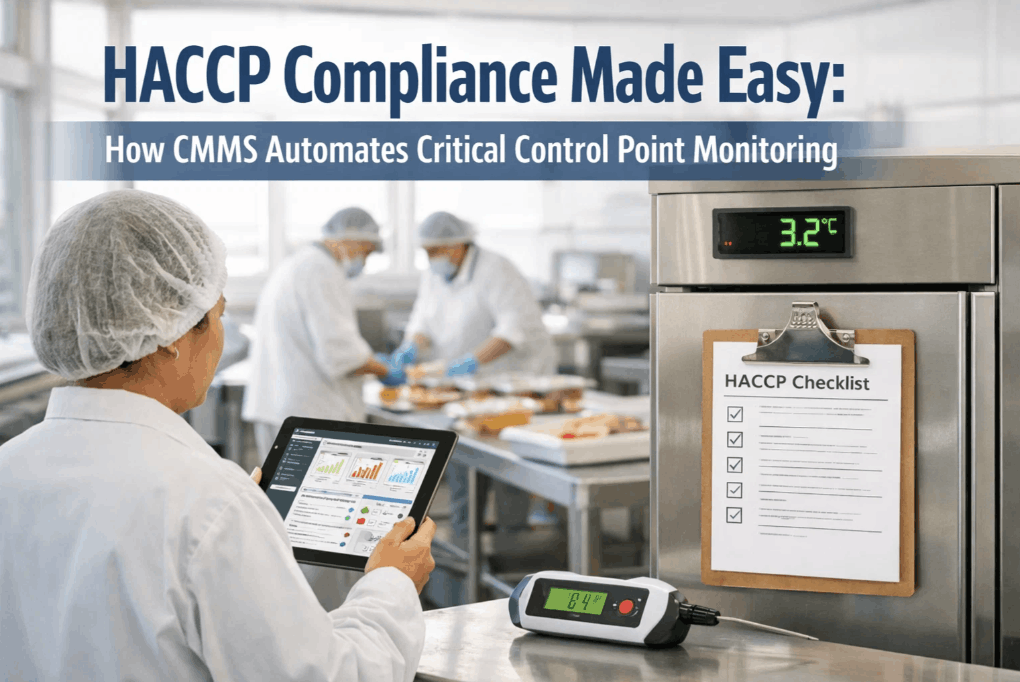
Pest control is a prerequisite program (PRP) under HACCP frameworks, meaning it must be effectively managed before HACCP analysis begins. A pest infestation that compromises the PRP can invalidate HACCP controls downstream — creating a systemic food safety failure that typically results in both regulatory action and food safety standard decertification. The documented monitoring, trend analysis, corrective action, and verification records generated by a CMMS-integrated IPM program serve as the PRP effectiveness evidence that HACCP frameworks require — making pest control documentation inseparable from the facility's core food safety compliance position.
Turn Pest Control Into a Compliance Asset, Not a Liability
Oxmaint gives food plant quality and maintenance teams the device registry, inspection scheduling, trend analytics, and corrective action documentation that makes your IPM program genuinely audit-proof — not just contractor-documented. Food manufacturers in the USA, UK, UAE, Germany, and Australia are running zero-non-conformance pest programs on Oxmaint right now.