Modern Winery & Cellar operations demand maintenance programs that are as disciplined as the production processes they support. Equipment failures in food and beverage manufacturing do not just create downtime — they create regulatory exposure, product loss, and audit findings that shut down bonded production faster than any mechanical issue alone. Facilities that centralise their preventive maintenance, calibration records, and sanitation documentation in a single CMMS platform eliminate the fragmentation that turns minor maintenance gaps into major compliance events. OxMaint is built specifically for this challenge — giving maintenance and operations teams one platform that manages PM schedules, equipment records, and regulatory documentation simultaneously, accessible from the production floor on mobile devices. Ready to see what structured maintenance looks like for your operation? Book a demo to walk through a Winery & Cellar maintenance workflow, or start a free trial and register your first assets today.
Winery and Cellar Maintenance: CMMS-Driven PM for Crusher, Press, Tank Farm, and Barrel Room Systems
Maintain crusher-destemmers, membrane presses, tank farms, barrel room HVAC, and bottling lines with TTB-compliant preventive maintenance schedules, sanitation records, and digital work orders — all in one platform.
What Is Winery and Cellar Maintenance
Winery maintenance is far more complex than general food-plant maintenance because the equipment operates in two completely different modes — intense seasonal crush activity and year-round cellar management — each with its own failure modes and regulatory requirements. Crusher-destemmers must be pre-season inspected, calibrated, and lubricated before harvest; membrane presses require filter cloth management and bladder inspection on every cycle; fermentation and storage tanks demand CIP validation records for every sanitation event. When TTB auditors review winery records, they are looking for a complete, traceable history of every maintenance and sanitation action across every piece of production equipment — and paper binders rarely survive that scrutiny. Teams that centralise their winery PM on OxMaint eliminate the gaps before they become findings — start a free trial and register your first cellar assets today.
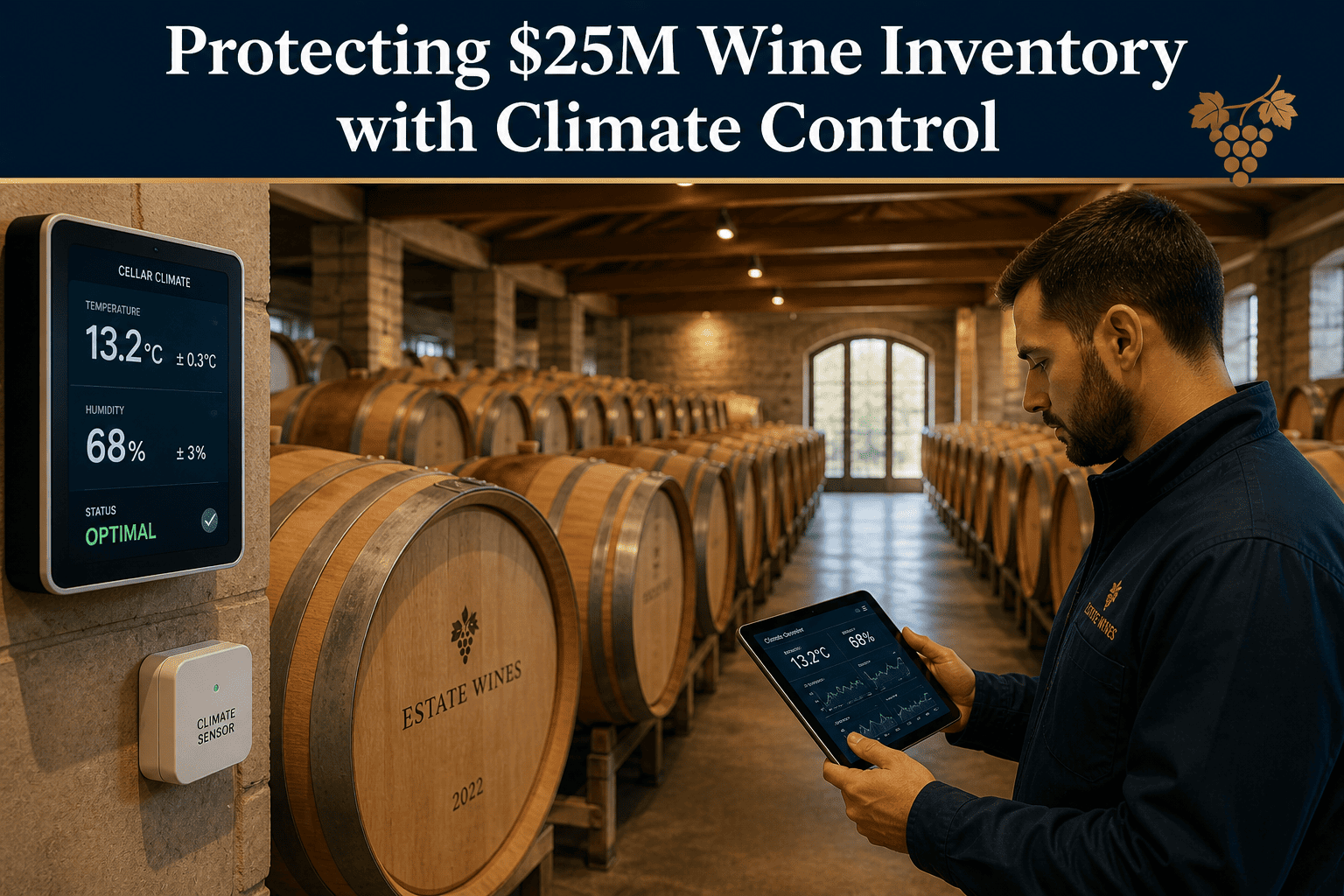
Barrel room operations add a further layer of complexity — HVAC systems must maintain 12-14°C and 75-80% RH continuously, barrel rotation and topping schedules must be documented by lot, and cooperage condition scoring must be tracked as barrels approach end-of-life. A single HVAC failure in a barrel room holding 2,000 barrels during summer is a six-figure loss exposure. OxMaint turns these requirements into automated PM schedules, IoT-linked temperature alerts, and barrel condition registries that update in real time. Teams that handle multi-vintage programs across multiple buildings particularly benefit — book a demo to see portfolio-level cellar management in action.
See How OxMaint Manages Every Winery & Cellar Asset — From PM Schedules to Compliance Records
Configure your asset registry, set up maintenance schedules, and generate your first compliance report in under 30 minutes. No implementation project. No consultant. Just results.
Core Winery Maintenance Concepts
Where Winery Maintenance Programs Break Down
How OxMaint Manages Your Winery and Cellar Fleet
Reactive vs. Planned: The Winery & Cellar Maintenance Comparison
The difference between reactive and planned maintenance in a Winery & Cellar operation is not just downtime — it is the difference between producing a regulatory audit trail that satisfies inspectors and producing findings that halt production. Every row below represents a decision point that separates high-performing maintenance programs from facilities that manage compliance by accident rather than design.
| Maintenance Activity | Reactive / Paper-Based | Planned / OxMaint |
|---|---|---|
| Pre-harvest crusher PM | Reminder email — sometimes missed | Auto-generated checklist 60 days out — never missed |
| Tank CIP records | Handwritten log, often incomplete | Digital record per cycle with conductivity validation |
| Barrel room HVAC alerts | Discovered on morning walkthrough | IoT alert within 15 minutes of threshold breach |
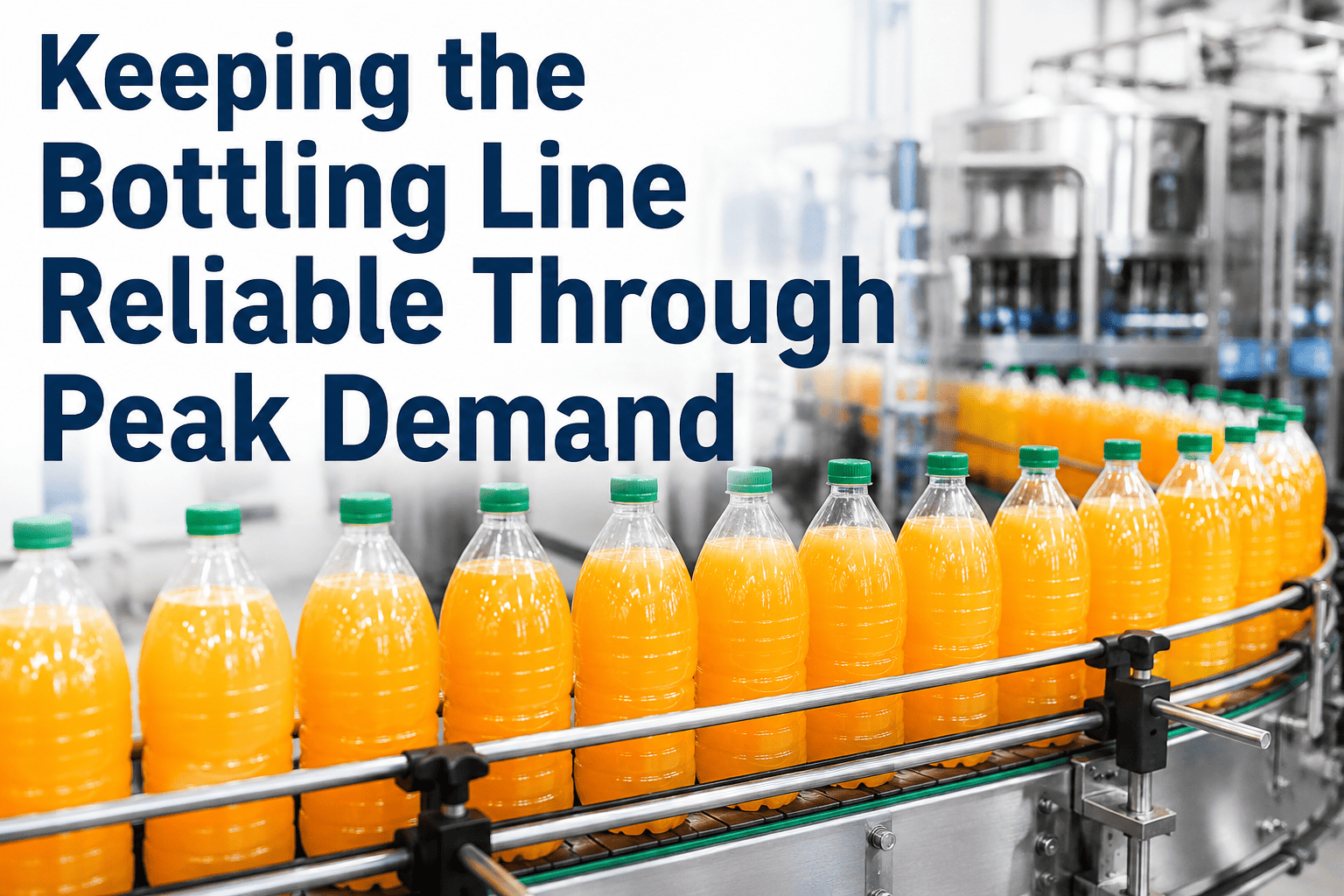
| Bottling line seal tracking | Replaced when they fail | Count-based PM triggers before seal failure |
| TTB audit package prep | 2-3 days pulling paper records | Compiled in under 10 minutes from CMMS |
| Filtration PM tracking | Spreadsheet with stale dates | Differential pressure trends with predictive alerts |
ROI and Results: What Winery & Cellar Teams Achieve with OxMaint
These are not projections from a vendor brochure — they are outcomes reported by food and beverage operations teams that implemented structured CMMS-based maintenance programs. The facilities that achieve these numbers share one characteristic: they stopped managing maintenance reactively and built PM programs that run automatically, document themselves, and alert teams before failures occur. Ready to put a number on your own opportunity — start a free trial and begin tracking your baseline, or book a demo to see the ROI calculation for your specific operation.
Frequently Asked Questions
Does OxMaint support TTB-required maintenance and sanitation records
Yes — OxMaint maintains complete digital records for every CIP event, maintenance action, and sanitation verification across all bonded production equipment. Each record carries a timestamp, technician ID, and links to the associated production batch. When a TTB auditor requests an equipment maintenance history, you generate it instantly rather than compiling paper binders under time pressure. The system also flags overdue sanitation events before they create gaps — so your records are complete before inspections, not assembled during them.
How does OxMaint handle seasonal crush equipment that sits idle 9 months per year
OxMaint supports both active maintenance schedules and seasonal dormancy programs. Crush equipment transitions to a dormant PM schedule after harvest — covering post-season cleaning, lubrication, and storage prep — then automatically generates a harvest readiness checklist 60 days before your next crush date. Equipment that goes from dormant to maximum utilisation in one week needs pre-season verification more than anything else, and OxMaint makes sure it happens every year without a manual reminder.
Can OxMaint manage barrel room temperature and humidity monitoring
OxMaint integrates with IoT temperature and RH sensors to provide continuous barrel room monitoring with configurable alert thresholds. When conditions drift — a compressor cycling off, a glycol leak, a door left open — the maintenance team receives an alert within minutes rather than discovering the excursion on the next morning walkthrough. HVAC PM schedules for barrel room systems are managed in OxMaint with seasonal adjustment for summer peak loads. Barrel condition scoring and rotation schedules are also tracked per lot.
How long does it take to set up OxMaint for a winery operation
Most wineries complete their initial asset registry — tanks, press, crusher, bottling line, barrel room HVAC, and utility systems — within 2-3 weeks. Pre-built winery PM templates accelerate setup significantly. Your first harvest readiness program, tank CIP schedule, and barrel room monitoring alerts are all live within the first month. There is no heavy implementation project and no consultant requirement — your cellar master or maintenance lead can configure the system directly.
Stop Running Your Harvest Season on Paper Records and Hope. OxMaint Puts Every CIP Cycle, Every PM, and Every Barrel in One Auditable System.
Pre-harvest equipment readiness. Tank CIP validation. Barrel room HVAC monitoring. TTB-ready compliance records. All managed in one platform your entire cellar team can access from the floor.
- Real-time barrel room temperature and RH alerts
- TTB compliance records compiled in minutes, not days
- Crush equipment readiness verified 60 days before harvest
Used by food and beverage operations managing 500-50,000 asset records. Live in weeks, not months.