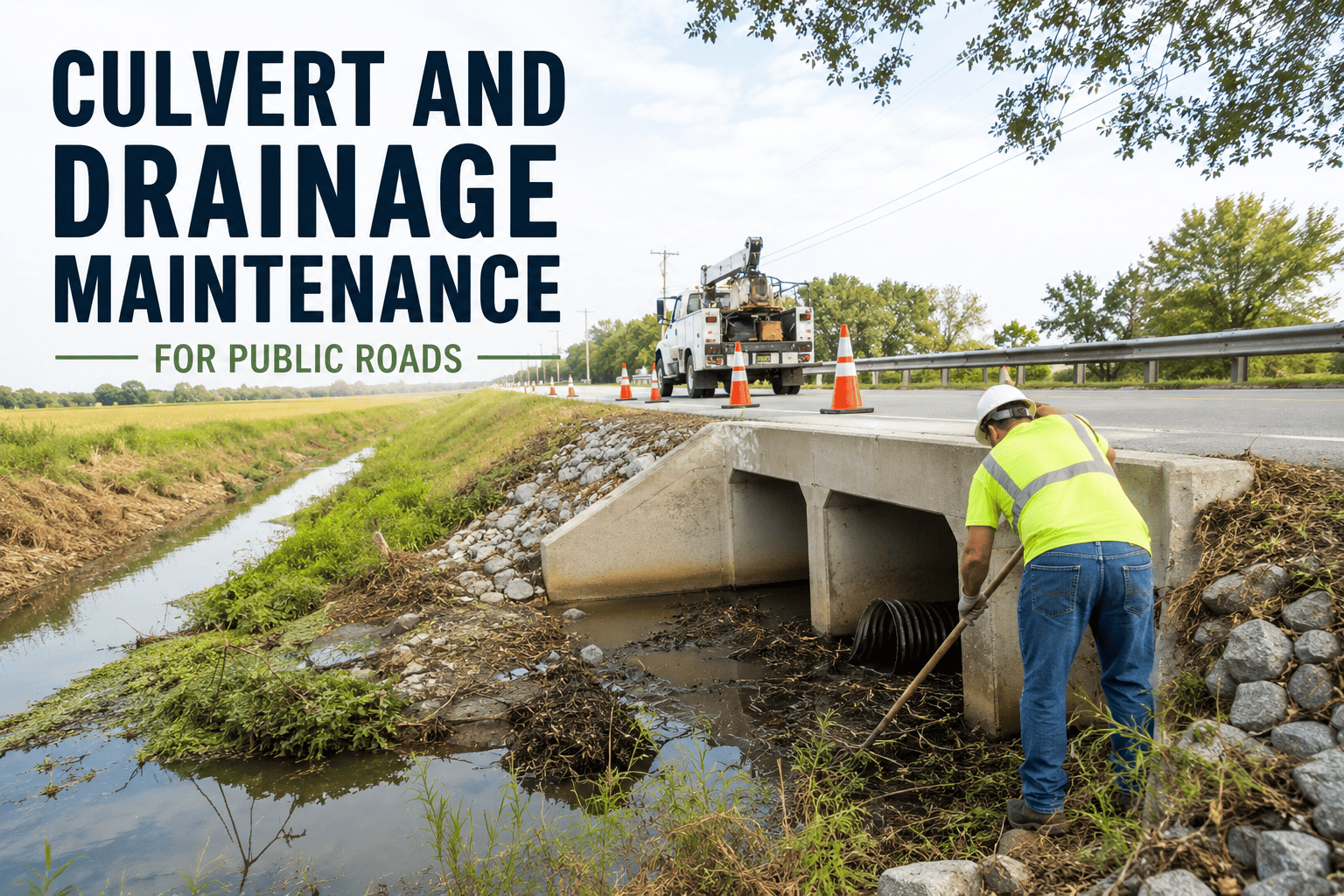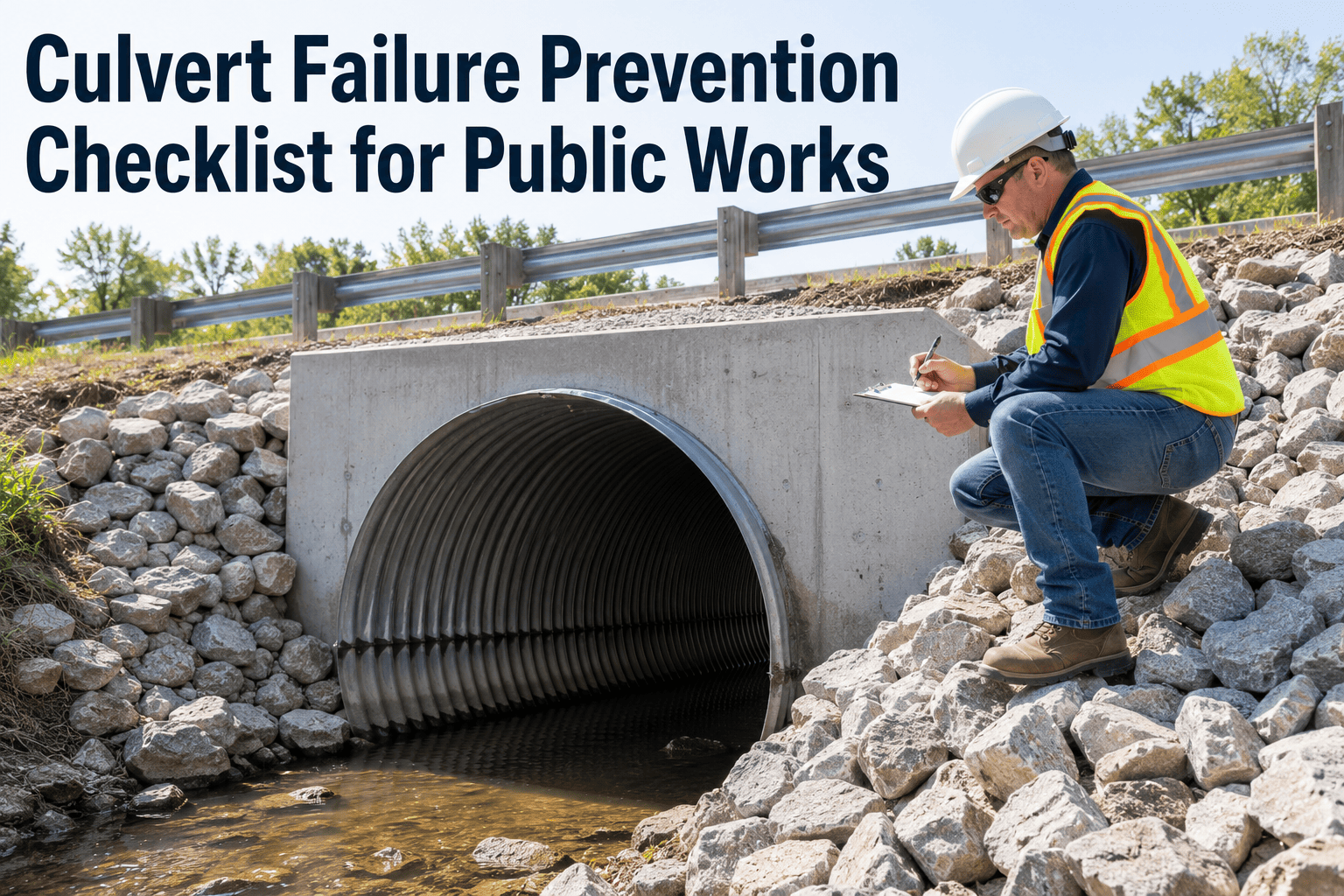
A culvert failure rarely looks dramatic until the moment it is — turbulent water finds a gap around a blocked or undersized pipe, erodes the soil holding the road up, and a route that was fine yesterday is a washout today. Caltrans' own culvert inspection program found that roughly 61 percent of inspected culverts are in good health, 26 percent need corrective or preventive work, and 13 percent need major rehabilitation or replacement — and the same program found that every dollar spent on preventive maintenance now saves roughly four dollars in major repair costs later. This checklist is the field-tested inspection and response routine that keeps a culvert in that first 61 percent instead of the last 13. Book a demo to see how OxMaint turns this checklist into a scheduled, tracked inspection program.
Culvert Condition Across a Typical Inspected Network
This is the breakdown a mature inspection program should be able to show for its own network — and the segment that matters most is the smallest one, because that 13 percent is where washouts and road closures actually happen.
Pre-Storm Season Inspection Checklist
Run this checklist on every culvert in the network before the wet season starts, not after the first storm reveals which ones were forgotten.
During and After a Storm — Response Checklist
A Culvert Doesn't Fail on Inspection Day. It Fails on the Day Nobody Checked.
OxMaint schedules every culvert inspection automatically, tracks debris and condition findings by asset, and flags the ones sliding from good condition toward failure before the next storm finds them.
What Actually Causes a Culvert to Fail
| Failure Cause | Mechanism | Prevention Action |
|---|---|---|
| Debris blockage | Vegetation and sediment reduce flow capacity | Regular inlet clearing, functioning debris screens |
| Scour and erosion | Turbulent water erodes soil around the culvert | Riprap protection, capacity sized for peak flow |
| Corrosion and age | Metal culverts weaken from water and soil exposure | Condition-based inspection cycle, timely rehab |
| Undersized design | Capacity exceeded during heavy rainfall events | Re-evaluate sizing against current watershed data |
| Poor alignment | Eddies form that trap sediment and debris | Alignment correction during next scheduled rehab |
Expert Review — A Stormwater Maintenance Supervisor's Perspective
I maintain drainage infrastructure for a county with several hundred culverts spread across rural roads, and the pattern I have seen over fifteen years never changes. The culverts that fail are almost never the ones we inspected and flagged. They are the ones that fell off the list — a rural crossing nobody drove past in two years, a debris screen nobody checked after the last big storm. The checklist itself is not complicated. The hard part is making sure every single culvert actually gets the check on schedule, especially the ones far from the main routes that are easy to forget. Once we moved our inspection schedule into a system that reminds us and tracks what got done, our washout count dropped noticeably in the first wet season. We did not change what we were inspecting. We changed whether it actually happened on time.
Turn This Checklist Into a Schedule Nobody Has to Remember
Every culvert, every inspection interval, every debris finding — tracked automatically so the crossing far from the main road gets checked just as reliably as the one on your daily route.
Frequently Asked Questions
How often should culverts actually be inspected?
Most agencies inspect the full network at least once before the wet season, with higher-risk or previously flagged culverts checked more frequently and again immediately after major storm events. Start free in OxMaint to set inspection intervals by culvert risk tier.
Can OxMaint help us prioritize which culverts to inspect first with a limited crew?
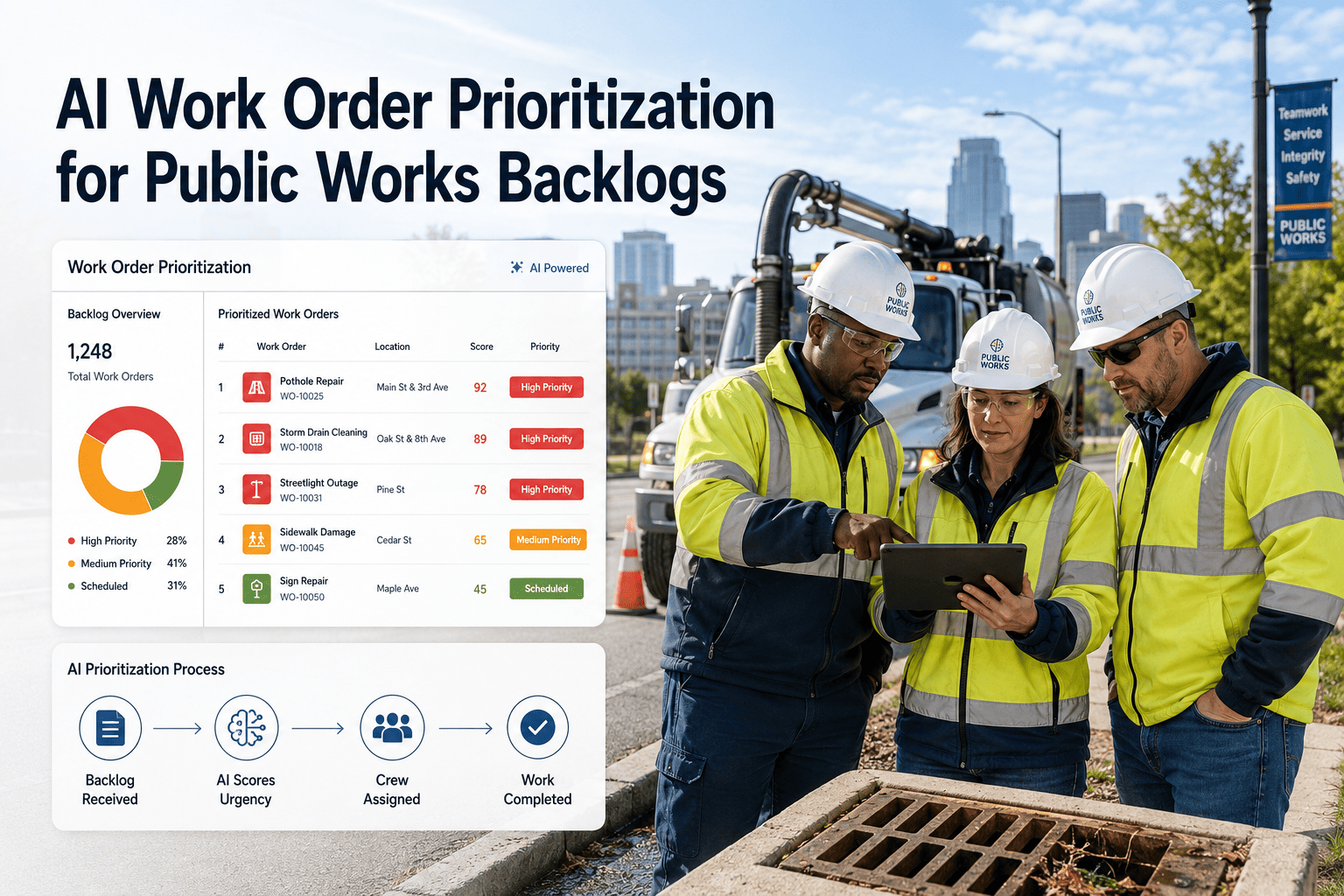
Yes. Culverts can be ranked by flood history, upstream development changes, and prior condition findings, so limited crew time goes to the highest-risk crossings first instead of a fixed route order. Book a demo to see risk-based inspection prioritization.
How do we track which culverts need major rehabilitation versus routine clearing?
Each inspection finding is logged against the specific culvert with a condition rating, building a history that separates routine debris clearing from structural issues needing capital funding. Start free in OxMaint to see condition history by asset.
Can field crews complete this checklist from a mobile device at the culvert site?
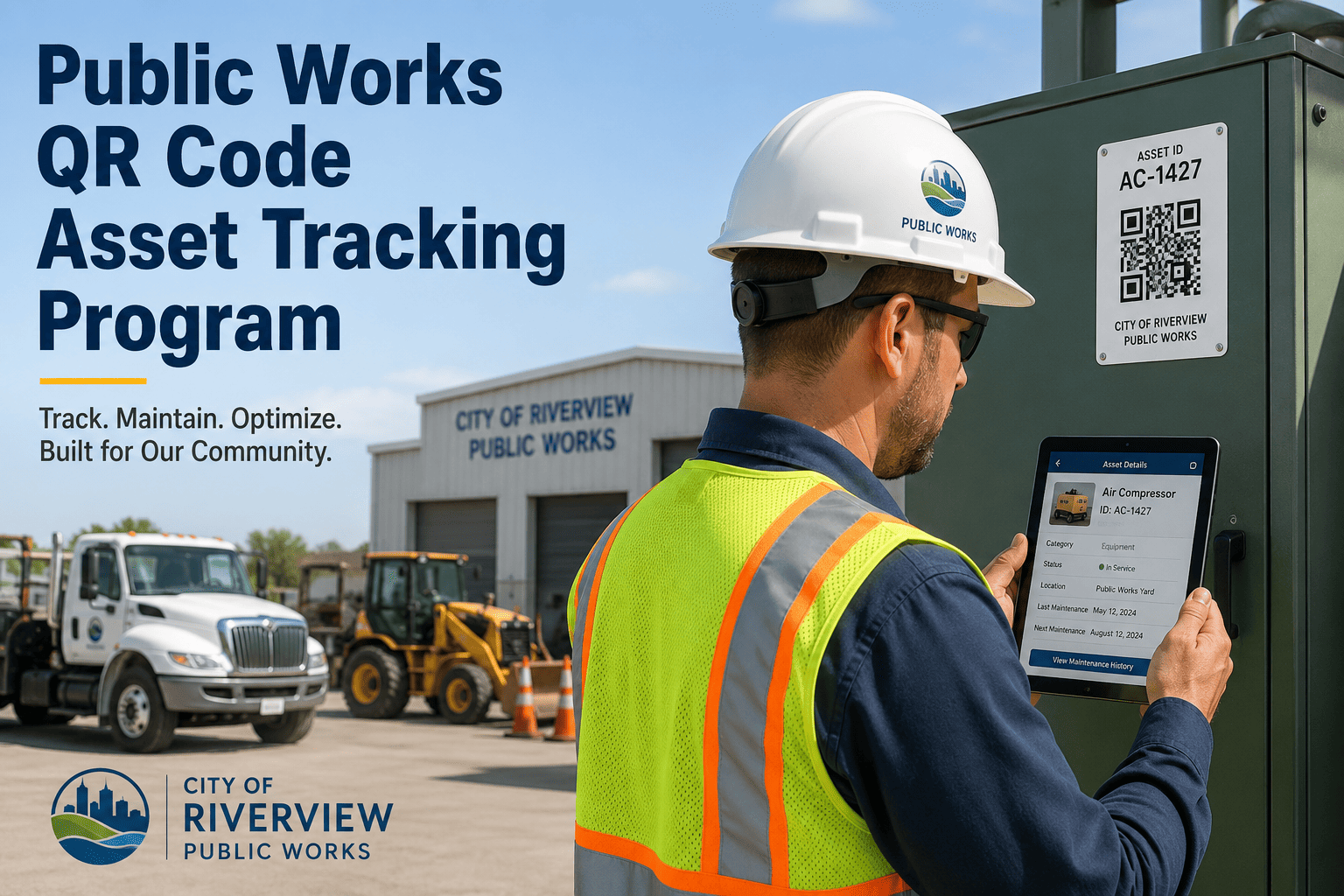
Yes. The full inspection checklist, along with photo capture and GPS location, is completed on a phone or tablet at the site, with findings syncing directly to the asset record. Book a demo to see the mobile inspection checklist.
What happens if a culvert is flagged as an urgent risk during an inspection?
An urgent finding automatically generates a prioritized work order, so a debris blockage or erosion risk moves straight to a scheduled repair instead of waiting for the next planning cycle. Start free in OxMaint to see urgent finding escalation.
The Next Storm Will Find Every Culvert You Forgot to Check
Scheduled inspections, mobile checklists, condition tracking, and prioritized work orders — one system for the whole culvert network.