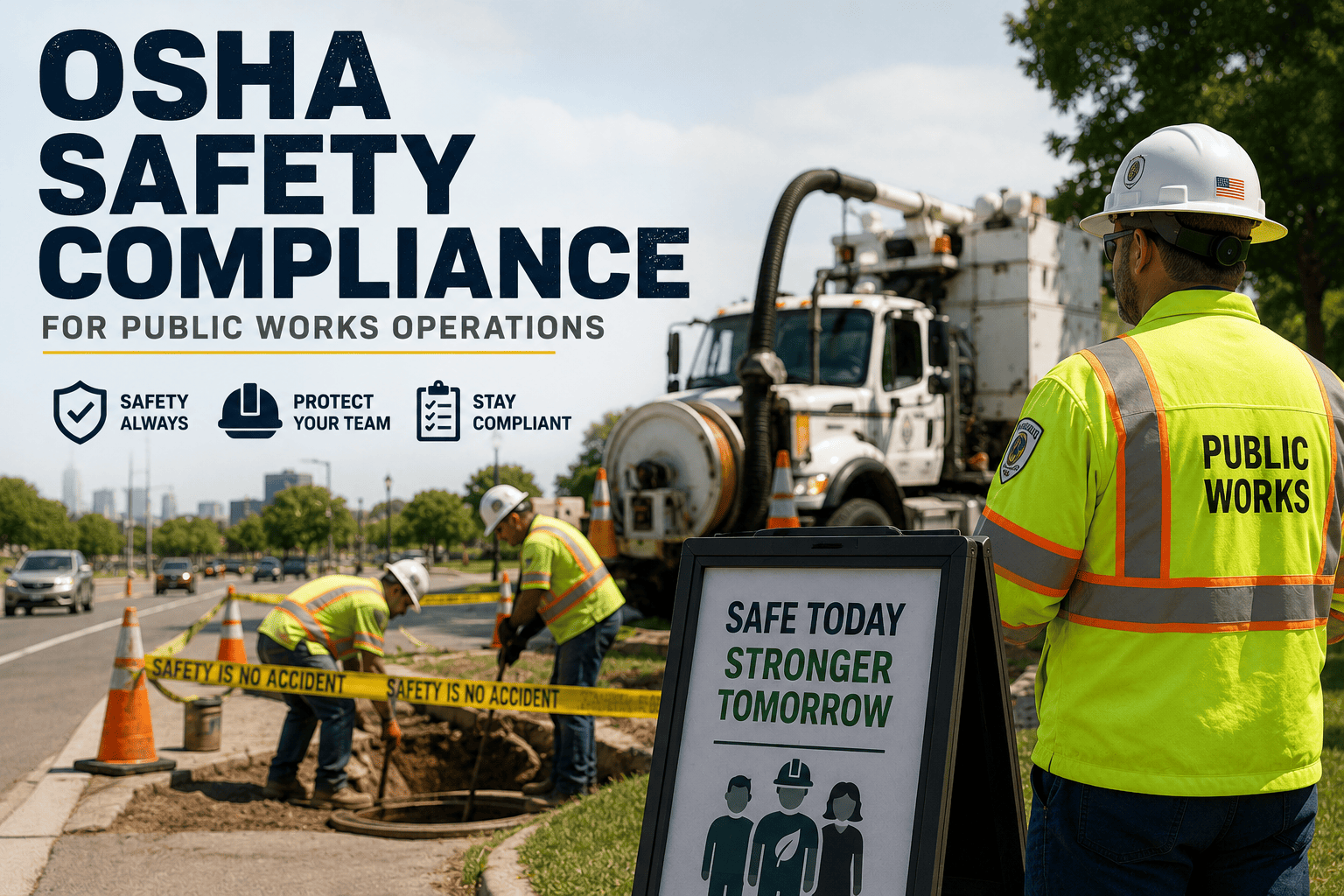
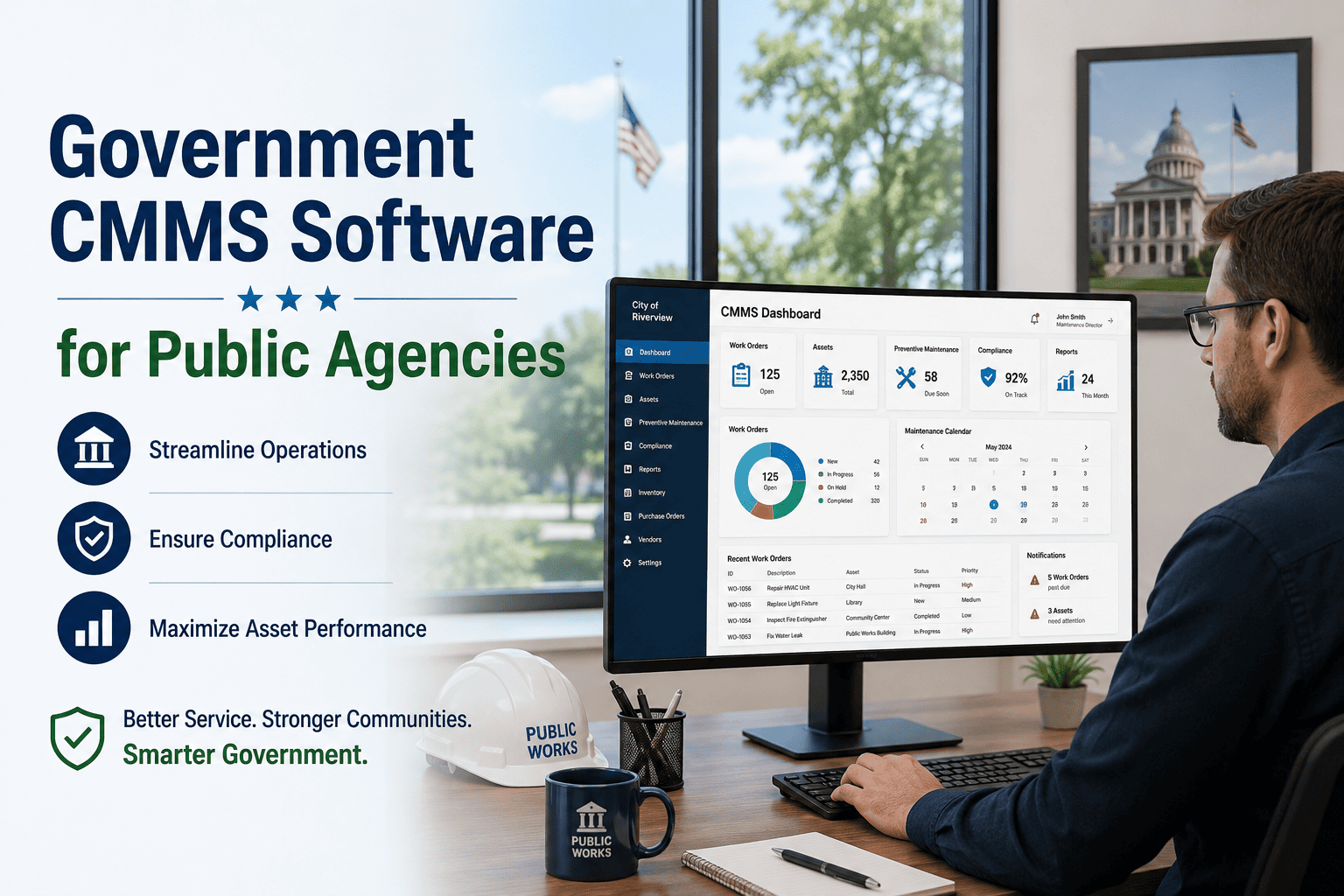
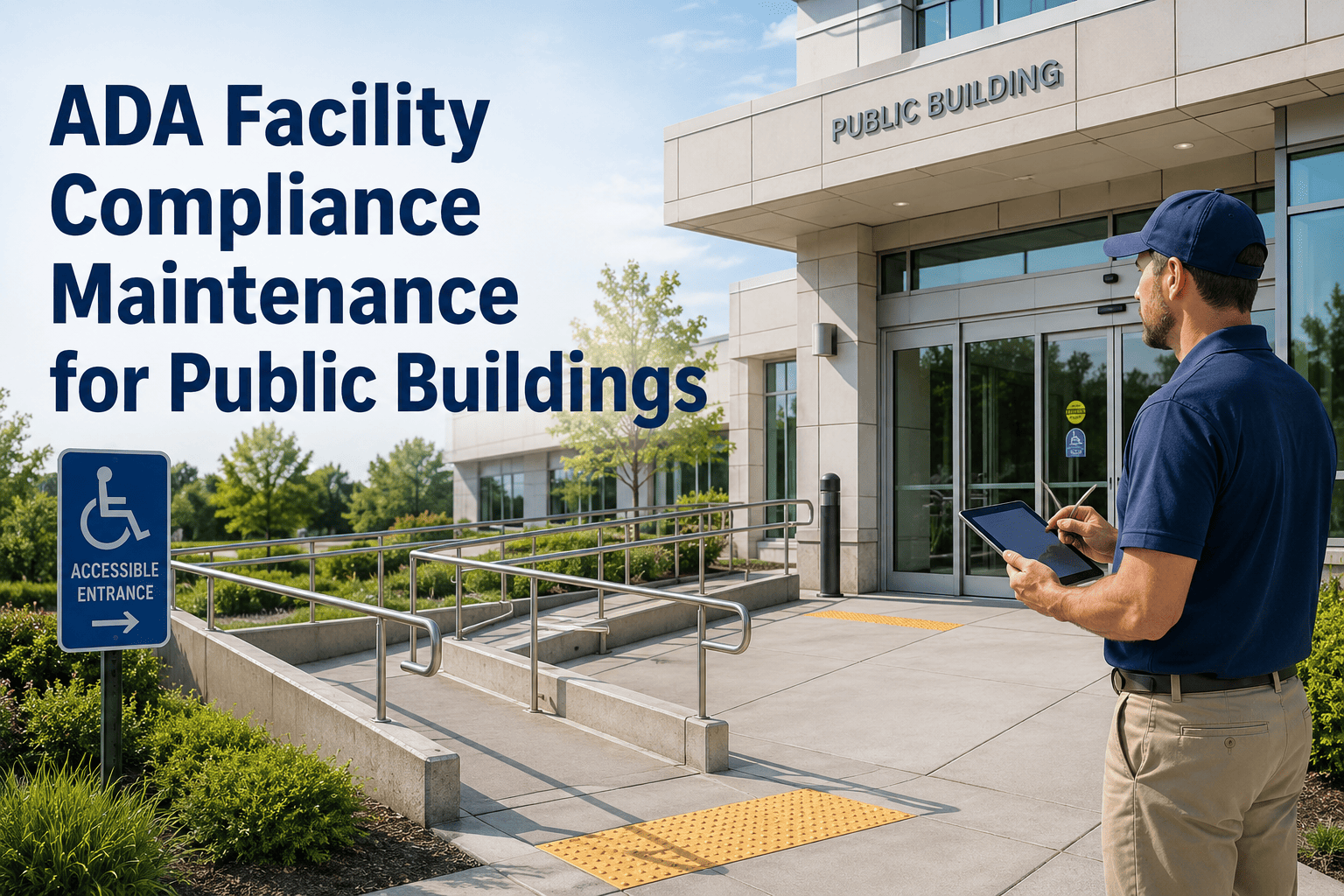
When a municipal public works team deployed to a standard water main break—only to have an un-shored trench collapse and severely injure an operator—the consequences went far beyond a halted project and immediate emergency response. The subsequent investigation revealed that the site lacked a documented government hazard assessment, and previous near-misses regarding trenching practices were logged in a supervisor's personal notebook instead of a centralized system. No formal corrective actions were generated. No follow-up safety training was scheduled. This isn't an edge case—it's the predictable outcome when critical public employee safety protocols are maintained on institutional memory instead of documented systems. Government employers must comply with OSHA standards, and every agency needs a system that tracks daily inspections automatically, triggers mandatory training without manual reminders, and ensures every facility, vehicle, and work site is verified safe before operations begin. Talk to our team about building safety compliance workflows that protect operators and ensure municipal safety compliance.
Public Sector Safety Guide — 2026 Edition
OSHA Compliance for Government Facilities: Workplace Safety for Public Employees
Digital safety management tracks hazard assessments, training certifications, incident reports, and corrective actions for public employee protection across all departments. Oxmaint CMMS delivers audit-ready dashboards for complete OSHA government compliance.
Public Works
High-Risk Operations & Infrastructure
Parks & Recreation
Equipment & Grounds Maintenance
Municipal Buildings
Facility Safety & Fire Codes
Fleet Maintenance
Heavy Machinery & Garage Safety
100%Audit-Ready Compliance
ZeroLost Documentation
24/7Incident Tracking Access
$16K+Max penalty per OSHA violation
The Stakes of Government OSHA Violations
Government workplace safety is not a suggestion—it is a legal and moral obligation to those who serve the public. A missing guardrail in a municipal facility, a lapsed lockout/tagout protocol in a water treatment plant, or expired PPE in public works can lead to severe injuries or fatalities. Unlike private sector operations where downtime means lost profits, government downtime means disrupted essential services and broken public trust. Every undocumented public sector safety inspection is a liability. Government employee safety demands rigorous, trackable adherence to standards. Book a Demo.
Common Public Sector Safety Failure Modes
Missing Hazard Assessments
31%
Failure to document site conditions before deploying public works crews into trenches, confined spaces, or traffic zones.
Impact: Immediate risk to life & citation
Lapsed Safety Training
28%
Government safety training certifications expiring without supervisors being notified, allowing unqualified staff to operate heavy machinery.
Impact: Operational liability & shutdowns
Poor Incident Reporting
20%
Near-misses and minor incidents documented on paper forms that get lost, preventing proactive safety measures and trend analysis.
Impact: Repeat incidents & higher injury rates
Ignored Corrective Actions
14%
Safety audits identify risks in an OSHA government facility, but no digital system exists to track the repair work orders to completion.
Impact: Willful violation classification
PPE & Equipment Failures
7%
Failure to regularly inspect and replace respirators, fall protection harnesses, or air monitors prior to dangerous work assignments.
Impact: Severe employee exposure
Safety Inspection & Training Protocol Tiers
A successful government safety program isn't a single annual checklist—it's a tiered system of daily hazard assessments, monthly facility inspections, and continuous compliance tracking. Each tier has specific triggers and documentation requirements to ensure public sector OSHA compliance across all departments.
Government Workplace Safety Matrix
Pre-Task Government Hazard Assessment
Trigger: Before starting public works, fleet, or maintenance tasks
✓ Job Hazard Analysis (JHA) review for current site conditions
✓ Visual inspection of heavy machinery, vehicles, and PPE
✓ Verification of lockout/tagout (LOTO) procedures if applicable
Must be logged in the CMMS before work begins. Any identified hazards trigger an immediate halt and supervisor notification.
Municipal Facility Safety Sweep
Trigger: Every 30 days across all government buildings
✓ Inspection of fire extinguishers, alarms, and emergency exits
✓ Verification of first aid kits, eye wash stations, and spill kits
✓ Slip, trip, and fall hazard walk-through
Digital safety management tracks hazard assessments directly from mobile devices, automatically generating work orders for any deficiencies found.
Training & Committee Review
Trigger: Every 90 days for all public sector employees
✓ Review and verification of government safety training certifications
✓ Safety committee meeting to review quarter's incident reports
✓ Assessment of open safety-related corrective maintenance
✓ Update of chemical inventories and Safety Data Sheets (SDS)
Safety managers use dashboards to spot trends in near-misses and adjust departmental safety protocols accordingly.
Comprehensive OSHA Compliance Audit
Trigger: Annually for entire municipal structure
✓ Complete review of OSHA 300 logs and incident history
✓ External or high-level internal audit of all municipal facilities
✓ Policy updates for confined space, trenching, and bloodborne pathogens
✓ Budget allocation for required safety capital improvements
Provides the definitive public sector OSHA compliance standing for the fiscal year. Readies the municipality for unannounced state or federal inspections.
Automate Government Compliance Tracking
Oxmaint CMMS auto-triggers daily inspections, tracks training expiries, and manages corrective actions. Every audit, hazard assessment, and incident report is logged in a secure, centralized digital record.
Departmental Safety Documentation
In municipal safety compliance, the standard is absolute: "If it isn't documented, it didn't happen." Auditors and inspectors expect complete safety records for every department. A digital system of record is the only way to manage the sheer volume of compliance data required to ensure true public employee protection across all departments. Book a Demo.
Critical Departmental Safety Areas
Public Works Safety
Inspection Scope:
Trenching and excavation shoring verification
Confined space entry permits and atmospheric testing
Work zone traffic control and high-vis PPE
Heavy equipment pre-operation checks
Common Compliance Failures:
Missing daily trench inspections by competent person
Expired gas monitor calibration
Inadequate traffic control plan documentation
Public works represents the highest fatality risk in government.
Facility Operations
Inspection Scope:
Boiler and HVAC lockout/tagout procedures
Hazardous chemical storage and labeling (GHS)
Asbestos and lead management plans
Electrical panel clearances and arc flash safety
Common Compliance Failures:
Blocked electrical panels in municipal buildings
Missing or outdated Safety Data Sheets (SDS)
Failure to test emergency backup lighting
Facility violations are the most commonly cited by inspectors.
Parks & Fleet Maintenance
Inspection Scope:
Chainsaw, chipper, and mower safety guards
Vehicle lift inspections and load capacities
Hearing conservation and vibration exposure
Pesticide/herbicide application logging
Common Compliance Failures:
Bypassed safety switches on landscaping gear
Uncertified vehicle lift operation
Failure to track pesticide exposure times
Routine maintenance checks prevent catastrophic equipment failures.
Government Safety Program Lifecycle
Public works safety and compliance is a continuous cycle. From initial baseline audits to incident management and annual reviews, missing a step exposes the municipality to legal liability and puts public employee safety at risk.
Safety Program Lifecycle
Key milestones for public sector safety managers
01
Baseline Audit & Intake
Comprehensive review of all municipal facilities and sites. Hazards identified, categorized, and entered into the CMMS. Existing policies evaluated against current OSHA standards.
Onboarding
02
Training & Standardization
Government safety training deployed based on identified roles (e.g., confined space for water dept, LOTO for facilities). Digital checklists standardized and distributed to mobile devices.
Active
03
Active Monitoring & Execution
Daily pre-shift inspections completed. Monthly facility walk-throughs logged. Any deficiencies automatically trigger corrective maintenance work orders assigned to facilities or fleet teams.
Recurring
04
Incident Management
Near-miss or injury occurs. Digital safety management tracks incident reports instantly. Root cause analysis performed. Corrective actions mandated and tracked to 100% completion.
Critical
05
Annual Program Review
Data aggregated from all departments. OSHA 300 logs finalized. Safety goals assessed. New budgetary requests made for safety capital based on digital evidence of recurring issues.
Final
Never Miss a Safety Deadline
Oxmaint auto-schedules daily hazard checks, monthly facility sweeps, and tracks all training expiration dates for every municipal worker. Dashboards give city managers instant visibility into which departments are fully compliant.
Expert Perspective: The Compliance Imperative
"
In 20 years managing a government safety program, I've learned that municipal safety compliance is not a paperwork problem—it's a leadership problem. The public works departments that maintain flawless safety records aren't the ones with the biggest budgets; they're the ones with digital systems that make it impossible to skip a step. When a digital hazard assessment automatically generates a work order for a broken trench box, when monthly facility checks can't be "pencil-whipped" because the CMMS requires photo verification, when the city manager can pull up a dashboard showing compliance across all departments in 10 seconds—that's when safety becomes embedded culture. Government employers must comply with OSHA standards, and excuses don't prevent injuries.
— Former Director of Public Works & Municipal Safety
100%
Target compliance rate for OSHA standards
8 hrs
Max time to report a severe workplace incident
$0
Acceptable cost of a safety failure in lives
24/7
Safety monitoring requirement
Investing in an OSHA government facility compliance infrastructure is investing in the safety of your public employees and the communities they serve. By digitizing your safety program with Oxmaint, you ensure that every hazard is tracked, every training is verified, every facility is inspected, and your municipality maintains the strict compliance required by law. Start your free trial today.
Audit-Ready Safety for the Public Sector
Oxmaint provides the digital backbone for municipal safety compliance—tracking facility health, automating hazard assessments, and delivering dashboards that give leaders instant confidence. Protect your workforce, every day.
Frequently Asked Questions
Must government employers comply with OSHA standards?
Yes. While federal OSHA directly covers private sector workers, many states operate OSHA-approved state plans that mandate public sector OSHA compliance. In these jurisdictions, government employers must comply with OSHA standards just as strictly as private companies, ensuring total public employee protection across all departments.
How does digital safety management improve government employee safety?
Digital safety management tracks hazard assessments, training certifications, incident reports, and corrective actions in a single centralized system. Instead of relying on paper forms that get lost, a CMMS like Oxmaint forces accountability by requiring photo verification, time-stamping inspections, and automatically routing safety repair work orders to the right maintenance teams.
What is required for a compliant government hazard assessment?
A proper government hazard assessment requires a documented evaluation of a worksite or task before work begins. This involves identifying potential risks (like confined spaces in public works safety or chemical exposures in facility operations), ensuring proper PPE is available, and confirming that employees have the correct government safety training to proceed safely.
What are the consequences of government OSHA violations?
Beyond the tragic human cost of injuries, government OSHA violations can result in massive financial penalties, forced operational shutdowns of critical infrastructure (like water treatment plants or sanitation garages), increased workers' compensation premiums, and severe damage to public trust. Maintaining a strict government safety program is essential to avoid these liabilities.
How does Oxmaint handle a public sector safety inspection across different departments?
Oxmaint allows municipalities to customize their public sector safety inspection templates based on the department. Parks & Rec gets equipment-specific checklists, while Municipal Buildings get fire and life-safety checks. The system consolidates all this data, providing city managers with a unified dashboard to monitor municipal safety compliance and ensure every OSHA government facility is operating securely.