Most public buildings outlive their planners. A courthouse built in 1972, a municipal records office from 1968, a school wing added in 1959 — these structures were designed for a 40-to-50-year service life and are now decades past it, still carrying the daily weight of government operations. Roofs, boilers, elevators, and structural elements degrade quietly, and by the time a failure becomes visible — a collapsed ceiling tile, a flooded basement, an elevator shutdown — the underlying deterioration has usually been building for years, unrecorded and unbudgeted. Facility directors overseeing large aging portfolios cannot rely on memory and paper inspection binders to know which building fails next, or how much real service life is left in a structure. Book a free facility condition review with our government asset team and get an honest read on how much life is left in your oldest buildings.
40+ yrs
Average age of state and municipal government buildings still in daily operational use
35–40%
Facility Condition Index at which renewal cost typically exceeds the value of continued repair
3–5x
Typical cost multiplier of reactive emergency repair versus planned capital renewal
68%
Share of public agencies reporting a growing deferred maintenance backlog year over year
12–18 mo
Additional capital planning lead time gained once condition data is tracked continuously
Regulatory Mandate
GSA facility condition standards, state capital planning statutes, and ADA transition plan requirements increasingly expect public agencies to document a structured condition assessment and life-extension plan for every building over 30 years old. Auditors and legislative oversight committees are no longer satisfied with a maintenance log of what broke last quarter — they want a forward-looking model of what will need capital investment next, and when it needs to happen.
Why Aging Government Buildings Fail Silently
Private-sector building owners retire assets on a predictable capital cycle. Government facilities rarely get that luxury — budget cycles, election-year priorities, and competing capital demands push renewal decisions further into the future every year a building stays standing. The result is a portfolio where deterioration is real and continuous, but the paperwork that would justify capital investment only gets created after something breaks. A roof membrane that fails from ultraviolet exposure, a boiler that corrodes internally, a structural connection that loosens under decades of thermal cycling — none of these announce themselves early unless someone is scoring their condition on a regular, structured basis. Without that discipline, deferred maintenance compounds quietly until a single failure forces an unplanned, expensive, politically visible fix.
Record completed repairs and technician notes after a failure occurs
Track basic work order status and closure dates
Provide a historical list of what was fixed and when
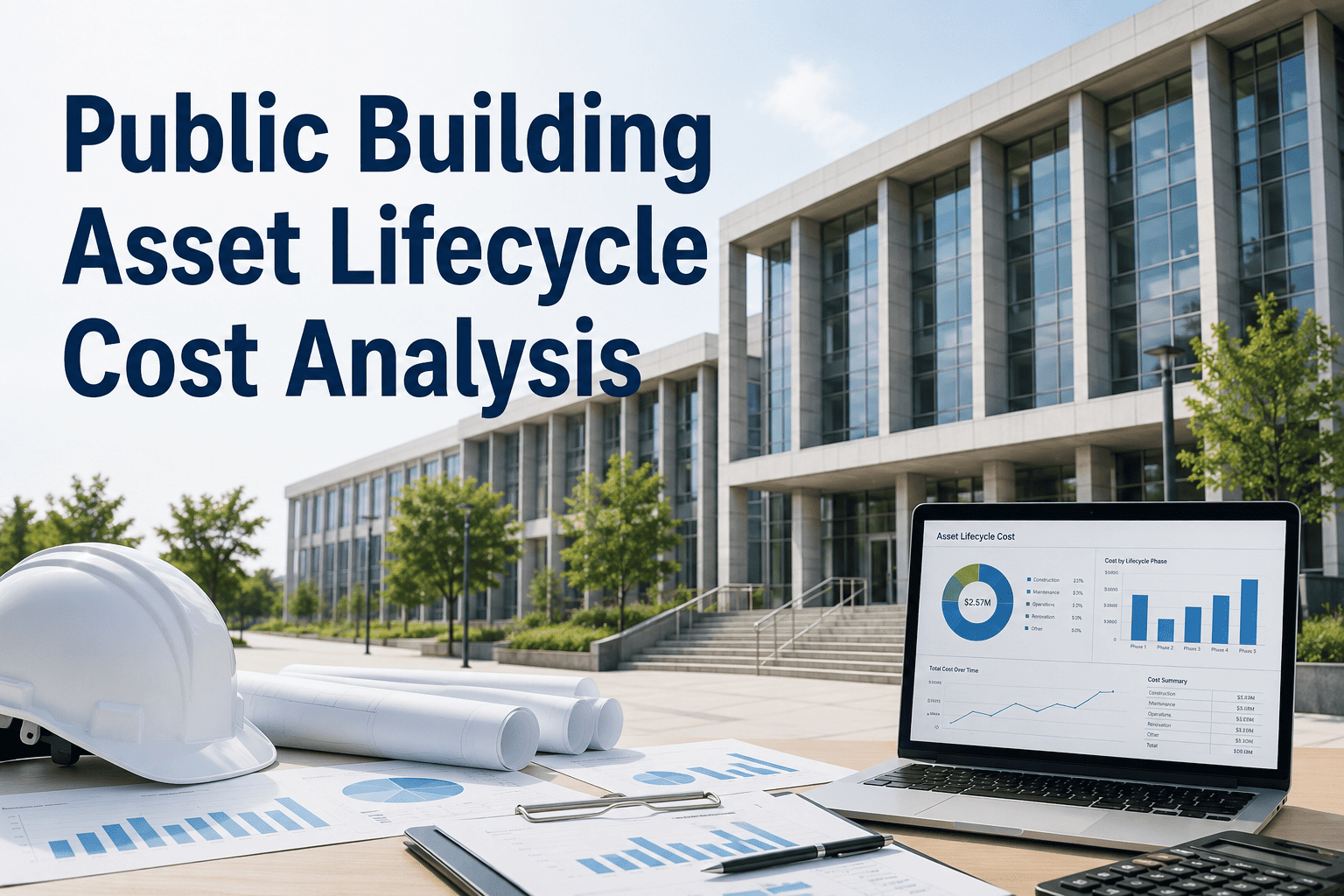
Score a building's overall condition against its current replacement value
Forecast when a roof, HVAC plant, or structural system crosses a critical age threshold
Prioritize a portfolio of hundreds of buildings by risk-weighted capital need
Model the cost difference between renewal now versus deferred replacement later
Flag life-safety systems approaching end-of-service life before an inspection finds them failed
70%+
of critical building-system failures in aging public portfolios are logged only after the asset has already failed
VS
All reactive work order tracking, plus structured condition scoring by system and building
Facility Condition Index calculated automatically from inspection and repair data
Remaining useful life estimates for roofs, envelope, structural, and MEP systems
Risk-weighted capital renewal prioritization across the entire building portfolio
Renew-versus-replace cost modeling built from current replacement value
Automated alerts when a system's condition score crosses a defined risk threshold
Historic preservation and ADA compliance tracking linked directly to capital planning
Audit-ready condition documentation for legislative and oversight review
2–3x
longer effective service life achievable for major building systems guided by continuous condition data
The Five Systems Every Life-Extension Program Must Monitor
A life-extension program is only as reliable as the systems it tracks and the discipline behind how often it re-scores them. The framework below covers the five building system categories that drive the vast majority of aging-facility capital risk, with the assessment points and alert logic that give facility directors a defensible, board-ready condition picture rather than a subjective walkthrough opinion.
The envelope is the first line of defense against every downstream failure — a compromised roof membrane or facade seal introduces moisture that accelerates structural corrosion, mold growth, and interior finish damage far beyond the original leak point. Envelope condition scoring is consistently the highest-leverage input in any life-extension model because envelope failures are both common and expensive to leave undetected.
Required Assessment Points
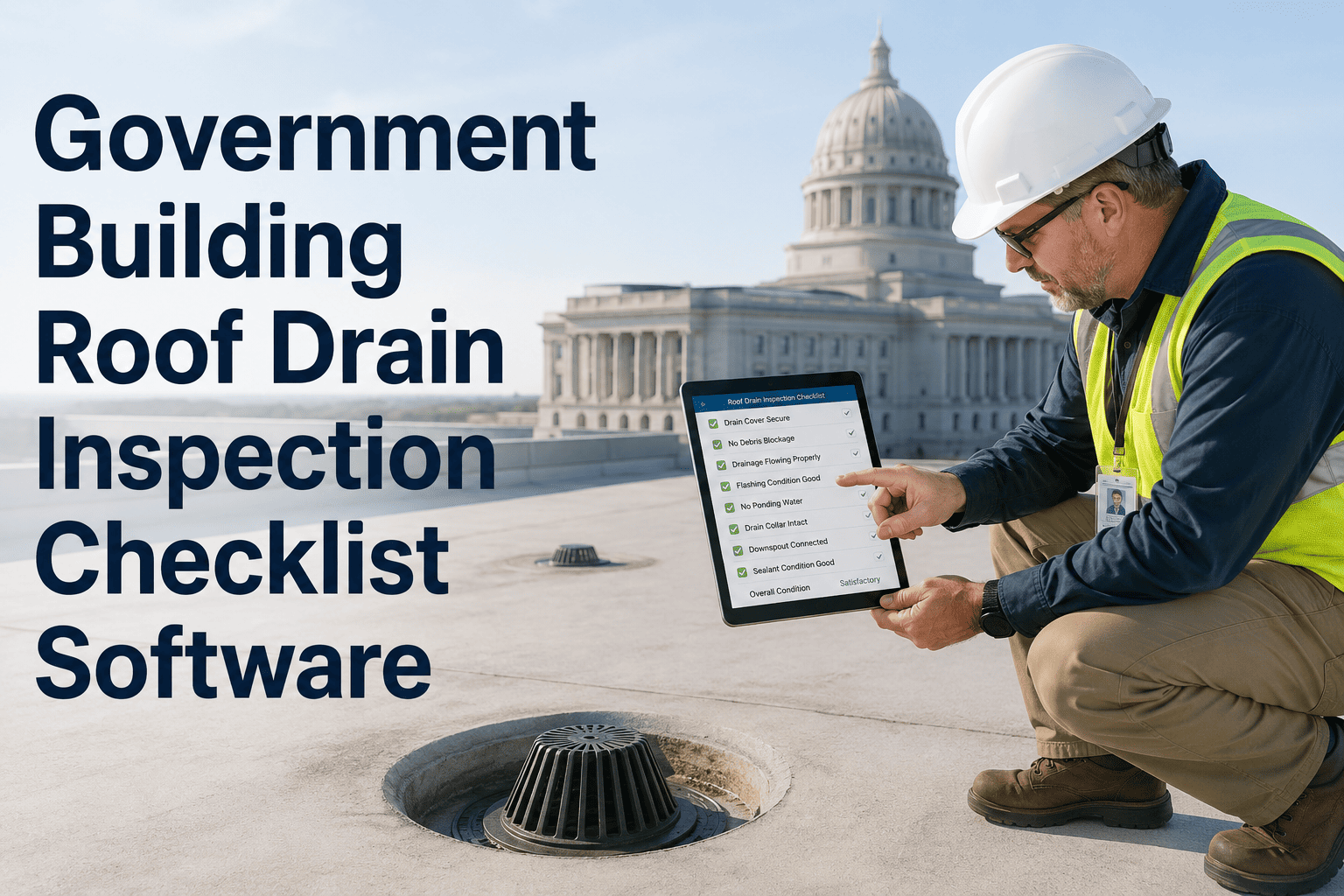
Roof membrane condition and remaining warranty life by section
Facade masonry, sealant joints, and expansion joint integrity
Window and curtain wall seal performance and thermal efficiency
Below-grade waterproofing and foundation moisture intrusion points
Parapet, coping, and flashing condition at all roof transitions
Scoring Configuration
Condition score recalculated at each inspection cycle against manufacturer-rated service life and observed defect count. Score drop of two or more grades between cycles auto-generates a capital review flag.
Structural deterioration develops slowly and is the hardest category to reverse once it reaches an advanced stage, which is exactly why it needs the most disciplined periodic re-assessment rather than opinion-based walkthroughs. Foundation settlement, corrosion of embedded steel, and connection fatigue accumulate over decades and rarely produce a visible warning until remediation costs have already multiplied several times over.
Required Assessment Points
Foundation settlement and differential movement monitoring points
Load-bearing wall and column condition at ground and upper floors
Structural steel or concrete framing corrosion and spalling locations
Seismic bracing and retrofit component condition where applicable
Floor and roof deck deflection at high-occupancy zones
Scoring Configuration
Structural systems reassessed on a fixed multi-year cycle regardless of visible symptoms, with an accelerated re-inspection trigger following any seismic event, flood, or reported occupant-observed anomaly.
MEP systems have the shortest service life of any major building category and the highest replacement frequency in a life-extension budget. Boiler plants, chillers, and electrical switchgear installed in the same decade tend to fail in the same decade too, creating a concentrated capital spike unless renewal is staggered deliberately based on real condition and age data rather than uniform assumptions.
Required Assessment Points
Boiler and chiller plant age against manufacturer-rated service life
Electrical switchgear and panel condition against arc-flash and code standards
Elevator and vertical transportation inspection and modernization status
Domestic and fire-protection plumbing riser condition and leak history
Building automation and controls functionality and obsolescence risk
Scoring Configuration
Age-based decay curve applied per equipment class, cross-checked against actual repair frequency logged in work order history to adjust remaining-life estimates up or down from the manufacturer baseline.
Life-safety systems carry zero tolerance for deferred renewal because the consequence of failure is occupant harm rather than a budget overrun. These systems also age against a shifting compliance baseline — code editions change, and a system compliant when installed can become deficient without any physical failure simply because the applicable standard was updated.
Required Assessment Points
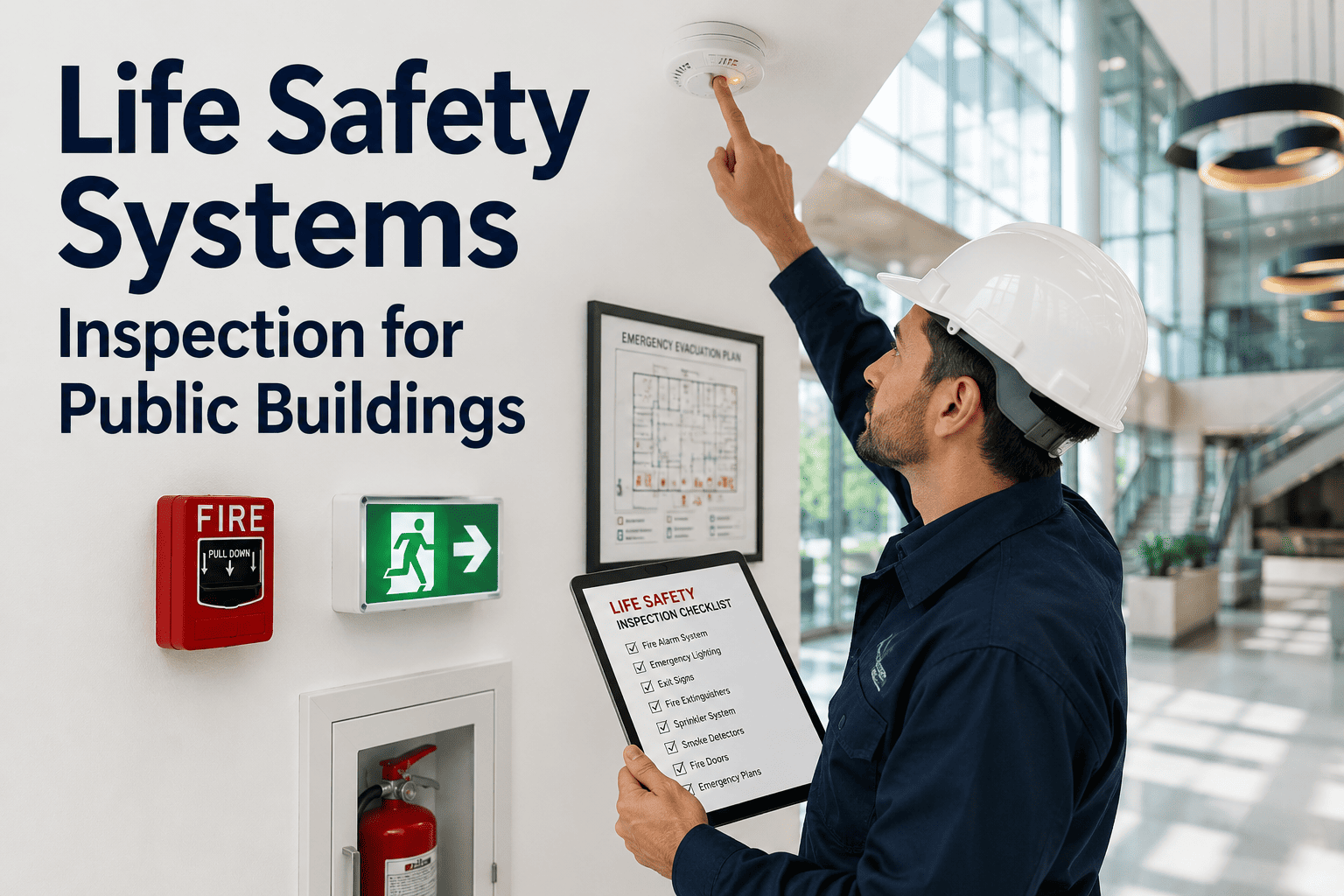
Fire alarm and detection system age and code-compliance status
Sprinkler and standpipe pressure testing and coverage gaps
Egress path, stairwell, and exit signage compliance by floor
ADA accessibility barriers identified against the current transition plan
Emergency generator and life-safety backup power testing records
Scoring Configuration
Zero-tolerance alerting — any life-safety deficiency identified during inspection generates an immediate corrective action work order regardless of overall building condition score.
For the meaningful share of government buildings on a historic register, life-extension planning has an added constraint: preservation covenants restrict which materials and methods can be used for capital repairs. Tracking this alongside condition data prevents a common and costly mistake — approving a renewal approach that later gets rejected by a state historic preservation office review.
Required Assessment Points
Historic register status and applicable preservation covenant restrictions
Character-defining feature condition — facades, millwork, original fixtures
Preservation-compliant material and vendor requirements for capital repairs
State historic preservation office review and approval timeline tracking
Scoring Configuration
Preservation constraint flags attached automatically to any work order touching a character-defining feature, routing the request through review before procurement begins.
From Reactive Logs to a Defensible Capital Plan
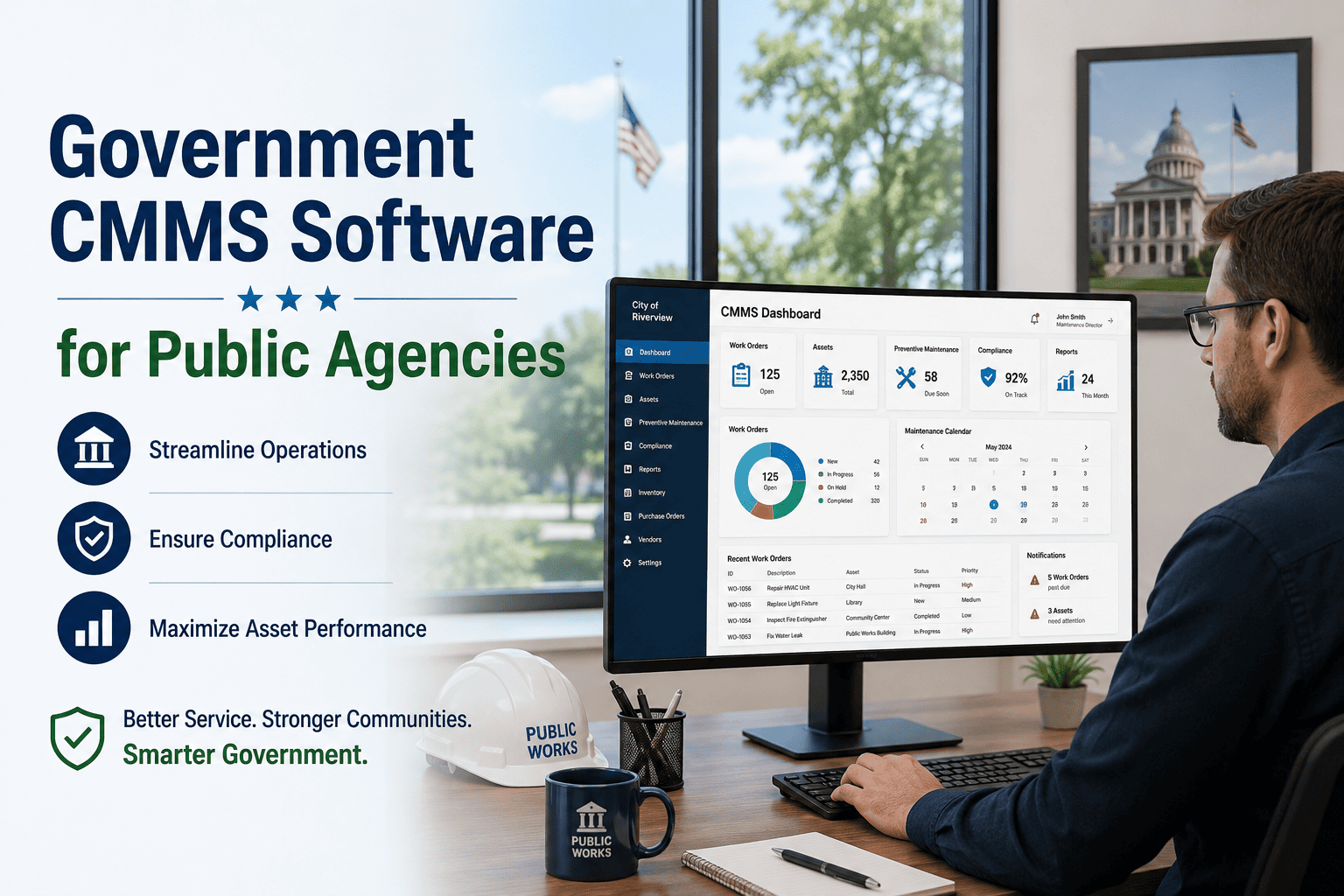
Oxmaint gives government facility directors a single system of record that scores condition, forecasts remaining useful life, and builds the risk-weighted capital renewal plan that legislative budget committees and oversight auditors expect to see.
Government Facility Compliance Framework
Government building owners answer to a layered set of standards and oversight bodies, each expecting documented condition data in a different format. A life-extension program should be structured so that a single condition assessment satisfies every applicable framework at once, rather than requiring separate documentation exercises for each audience.
| Standard / Authority |
What It Requires |
| GSA Facility Condition Standards |
Documented condition assessments and Facility Condition Index reporting for federally owned or federally funded public buildings, reviewed on a recurring cycle. |
| State Capital Planning Statutes |
Most states require agencies to submit multi-year capital improvement plans ranked by need, which in practice requires objective condition scoring rather than subjective priority lists. |
| ADA Title II (DOJ) |
Public entities must maintain a current self-evaluation and transition plan identifying accessibility barriers, with documented progress toward remediation. |
| NFPA Life Safety Code |
Fire alarm, sprinkler, and egress systems require periodic inspection, testing, and documented corrective action for any identified deficiency. |
| State Historic Preservation Office |
Register-listed buildings require preservation-compliant repair methods and, in many states, formal review before capital work begins on character-defining features. |
KPI Dashboard for Government Facility Directors
These are the metrics that hold up in front of a budget committee, an oversight auditor, or a legislative hearing — quantifiable evidence that an aging-building program is being managed rather than simply endured.
≤ 5%
Portfolio Facility Condition Index Target
Deferred maintenance cost as a percentage of total current replacement value across the building portfolio.
0%
Deferred Maintenance Backlog Growth
Year-over-year change in backlog value — a flat or negative trend indicates renewal spending is keeping pace with deterioration.
100%
Life-Safety Inspection Completion Rate
Share of required fire, sprinkler, and egress inspections completed and documented within the compliance window.
< 15%
Emergency Repair Ratio
Portion of total maintenance spend consumed by unplanned emergency repairs versus planned capital renewal.
2–3x
Average Remaining Useful Life Gain
Additional years of service life achieved on major systems through condition-guided renewal versus age-only replacement.
≤ 30 days
Capital Request Documentation Time
Average time to assemble a fully documented capital renewal request from condition data already on file.
Frequently Asked Questions
What is a Facility Condition Index and why do agencies rely on it?
A Facility Condition Index compares the cost of deferred and needed repairs to a building's current replacement value, expressed as a percentage. It gives budget committees a single comparable number across an entire portfolio instead of dozens of separate maintenance opinions.
How often should a life-extension assessment be updated?
Most agencies re-score major systems annually, with life-safety components reviewed on their own regulatory inspection cycle.
A readiness assessment can help determine the right cadence for your specific portfolio age and risk profile.
Can this integrate with legacy CMMS or spreadsheet-based records?
Yes. Existing work order history, inspection logs, and asset registers can be imported and used to build the initial condition baseline rather than starting data collection from zero.
How does the platform prioritize renewal across dozens of buildings?
Each system is scored on condition, criticality, and remaining useful life, then ranked into a single risk-weighted capital list so renewal dollars go to the highest-risk deferred items first, not simply the oldest buildings.
What's the budget-committee case for adopting this now?
Reactive emergency repair typically costs three to five times more than planned renewal, and a documented condition record strengthens capital requests.
Start a free account to see how the numbers look for your own portfolio.
Give Your Oldest Buildings a Documented Path Forward
Oxmaint helps public agencies turn scattered inspection notes into a portfolio-wide life-extension plan — condition scored, renewal prioritized, and ready for the next budget cycle or oversight review.