When a municipal infrastructure project faces a 15% change order dispute three months before completion, the problem isn't just financial—it's a cascade of public scrutiny, potential litigation, and service delays that compound by the day. The procurement process that looked compliant on paper yesterday now triggers audit red flags. Your administration team scrambles to find the original scope documents, email approvals, and vendor certifications. This reactive chaos is exactly what digital contract lifecycle management (CLM) is designed to eliminate.
The government contracting landscape is shifting: agencies are moving from static paper trails toward dynamic, data-driven compliance. Public sector spending requires absolute transparency, yet manual contract administration costs municipalities billions annually in undetected pricing errors, missed renewal windows, and unforced compliance lapses. The gap between signing a contract and enforcing its terms represents a massive risk—talk to our team to learn how leading agencies are closing it.
Harden compliance with connected workflows
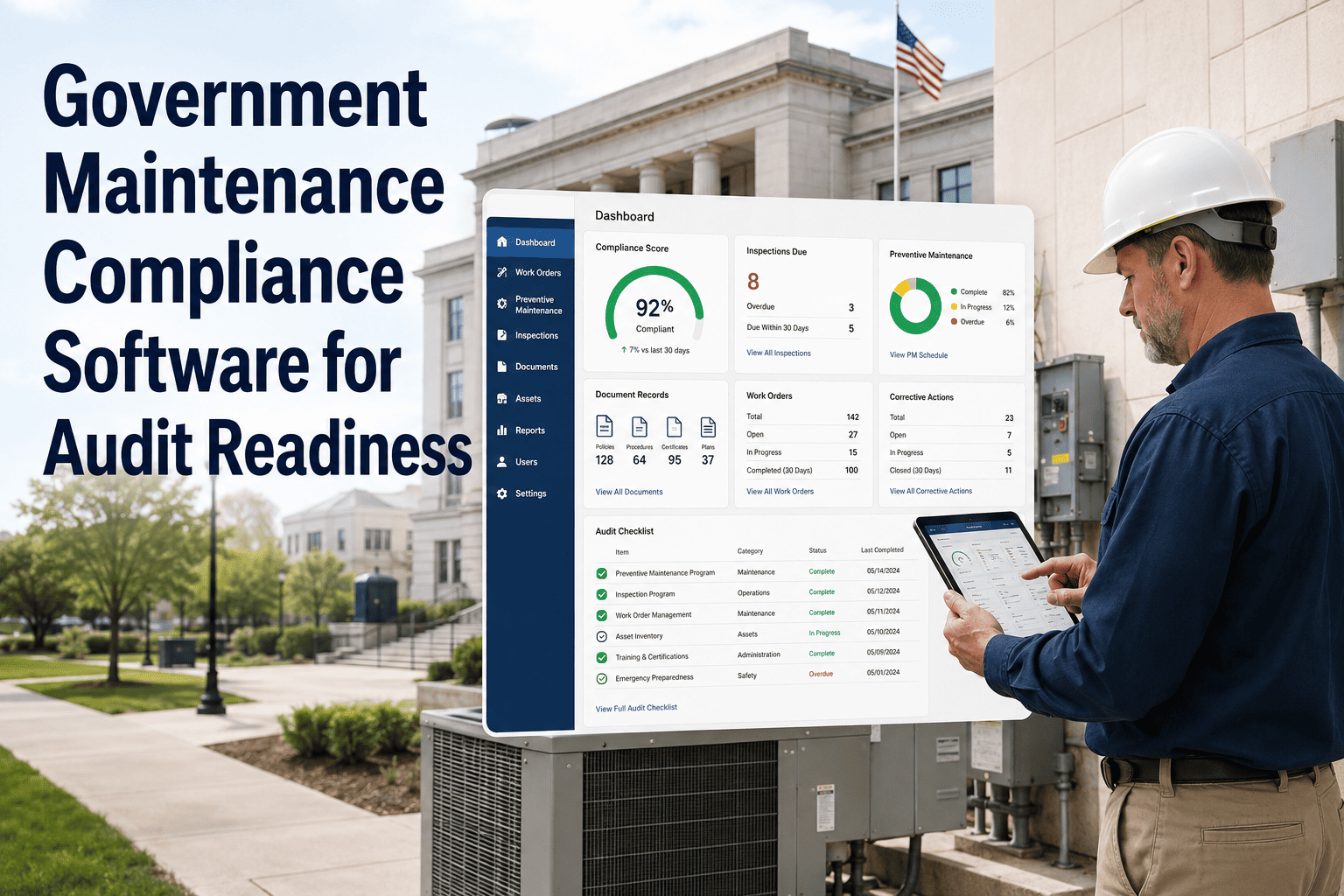
Modern CLM transforms government contracting from a filing exercise into predictive governance. Rather than waiting for an invoice discrepancy to trigger an audit, connected systems monitor spend against budget, expiry dates, and vendor insurance certificates in real-time—flagging non-compliance weeks before a violation occurs. This shift from "monitor post-payment" to "validate before approval" is what separates resilient municipalities from those constantly battling finding findings.
The key insight driving smart contract management is that connected systems don't just store PDFs; they create actionable administrative tasks. When a construction vendor's insurance is set to expire in 30 days, your system automatically blocks new payments until an updated COI is uploaded. When spending reaches 80% of the cap, the system flags the need for a council-approved modification. This is the difference between clean audits and public embarrassment—book a demo to see it in action.
Building a resilient backbone — a compliance playbook
Implementing compliant contract management isn't about micromanaging every office supply purchase—it's about strategic risk stratification. The following framework prioritizes the agreements most likely to cause legal liability or budget variance, then layers in automated checks that transform raw procurement data into administrative decisions.
The Compliance Frequency Framework
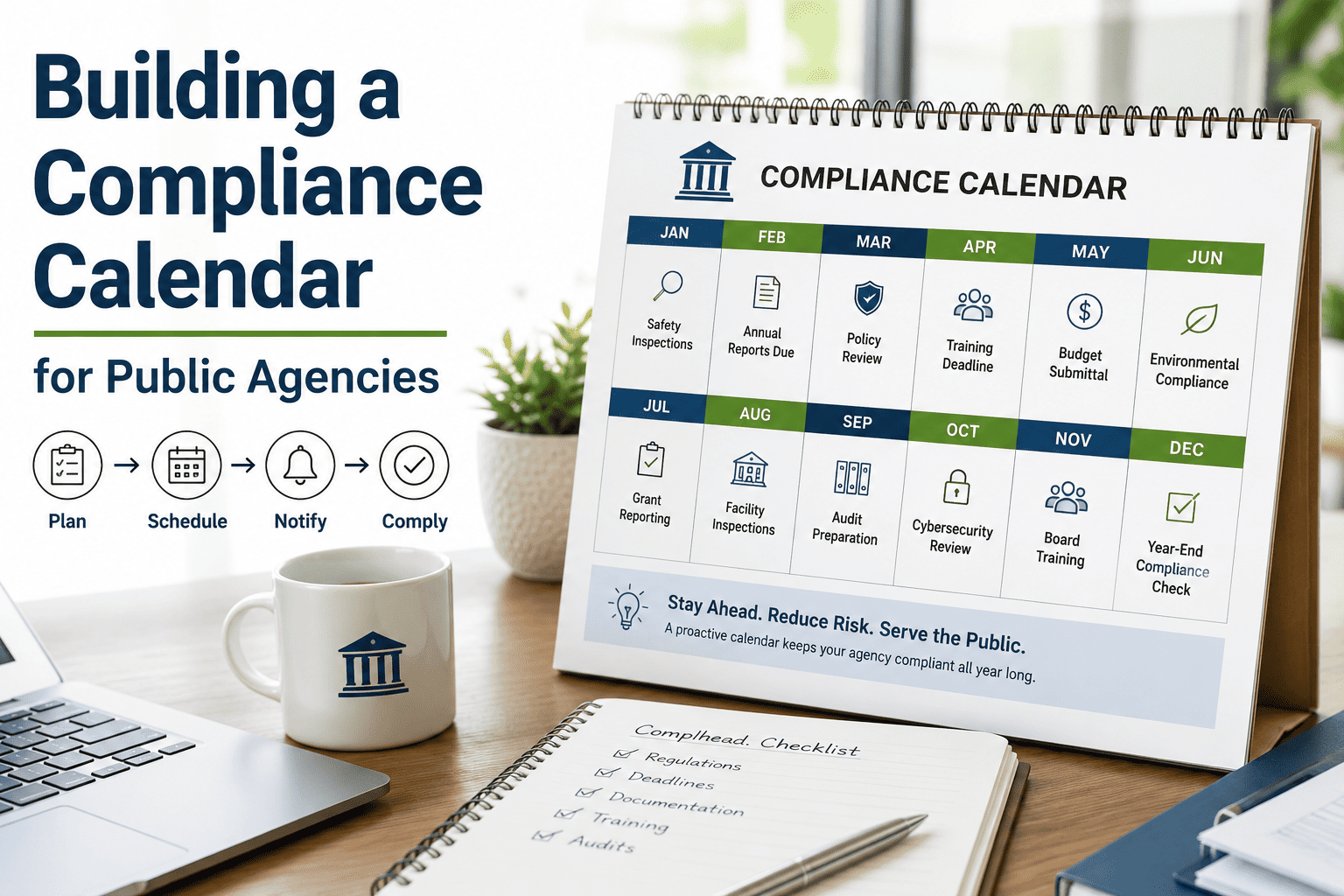
Government contracts require layered administrative intervals—from daily deliverable checks to annual vendor evaluations. Digital integration doesn't eliminate the need for contract administrators; it ensures that when they review a file, they're focused on specific exceptions identified by data. Agencies report administrative overhead dropping by 40%— sign up to get started.
Measuring What Matters: KPIs for Contract Management
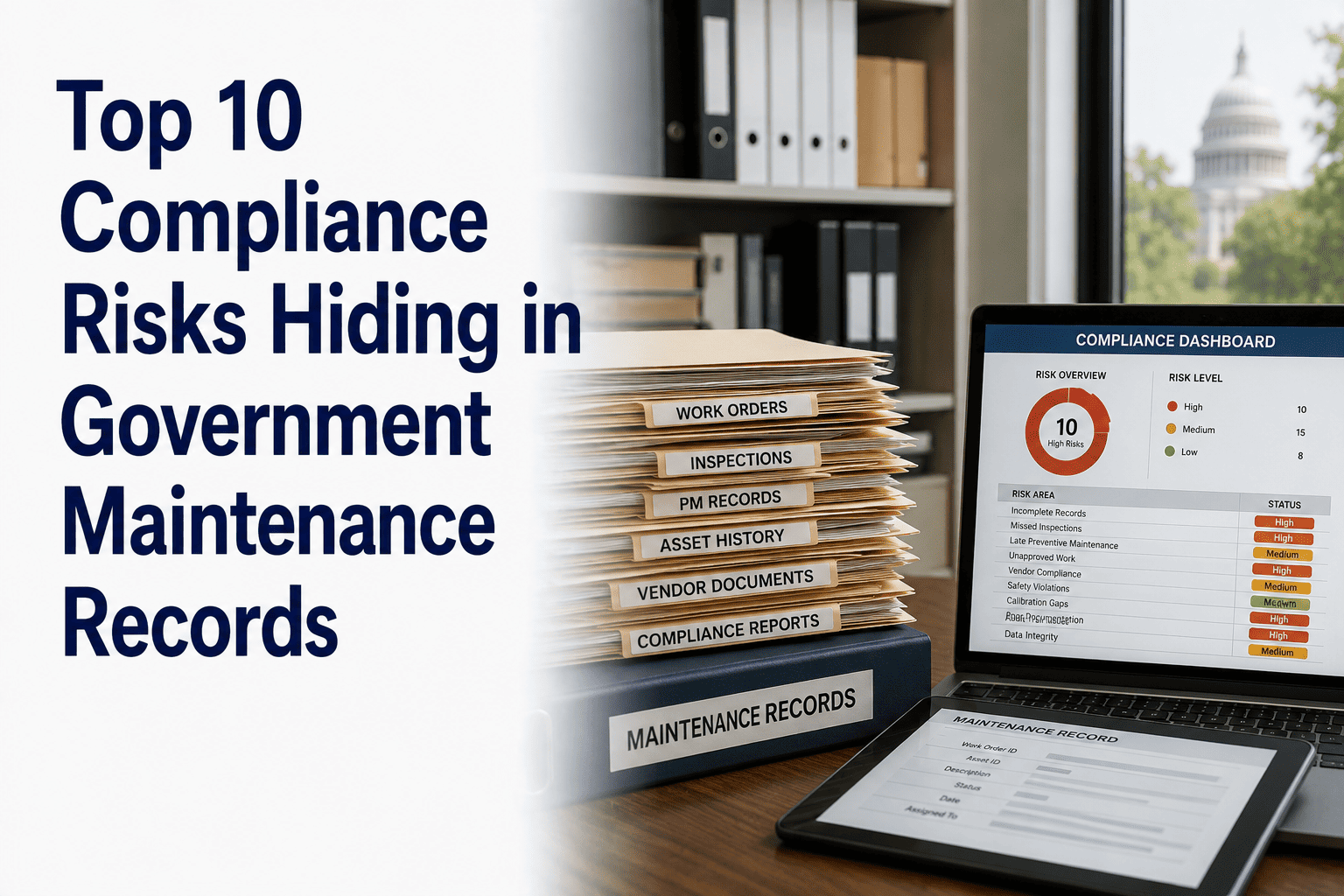
Contract data without context is just filing. Procurement systems generate massive amounts of documentation, but city managers need focused metrics that indicate fiscal health, vendor performance, and legal safety. The following KPIs form the foundation of an effective government contract administration program—schedule a demo to see how Oxmaint tracks them automatically.
Expert Review: The Case for Digital Governance
Fiscal responsibility in government is non-negotiable. We cannot afford to face a budget shortfall because of untracked change orders. The shift to centralized contract monitoring allows us to see financial risks developing months in advance. We no longer renew contracts 'just because' the term ended; we do it when the data proves the vendor delivered value. This approach has saved us significant taxpayer dollars while ensuring strict regulatory compliance.
The financial case for digital contract management extends beyond avoiding legal fees. Agencies that implement rigorous compliance schedules protect public funds, ensure service delivery, and maintain public trust. When a contract fails unexpectedly, the cost isn't just the recompete—it's the service gap, the overtime labor, and the headlines. Reach out to our support team to secure your procurement process.
Conclusion: From Reactive to Resilient
The paving project that stalls due to materials disputes and the software license that auto-renews at a markup share a common cause: lack of visibility into contract terms. Digital integration doesn't replace the procurement officer—it equips them with X-ray vision. When dashboards monitor spend, milestones, and deliverables continuously, your system becomes a predictive engine that schedules interventions before non-compliance occurs.
Municipalities that embrace connected contract management achieve the trifecta of governance: regulatory compliance, fiscal efficiency, and unshakeable transparency. The technology exists. The ROI is proven. The only question is whether your agency will continue to react to audit findings or start predicting them to ensure flawless administration.