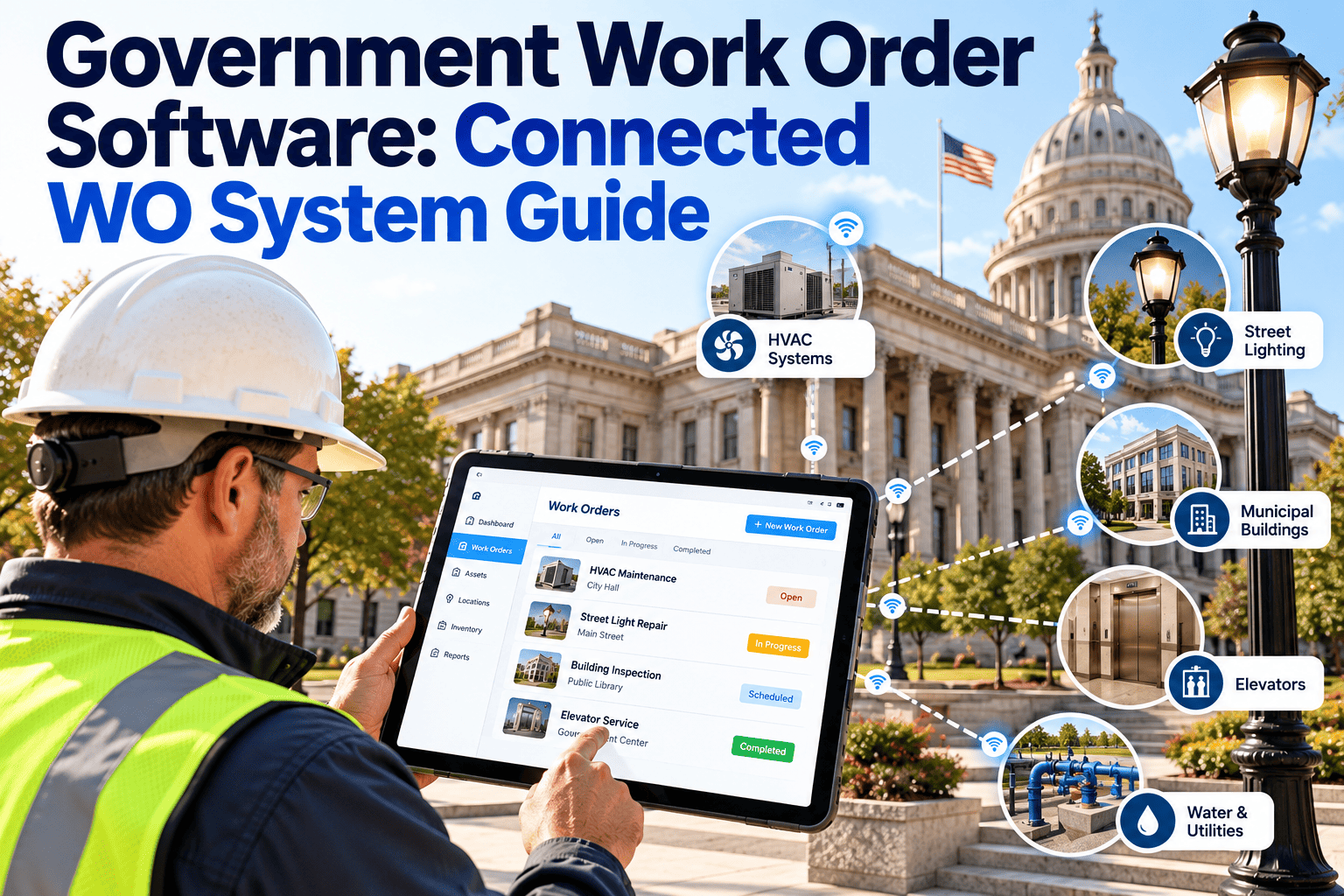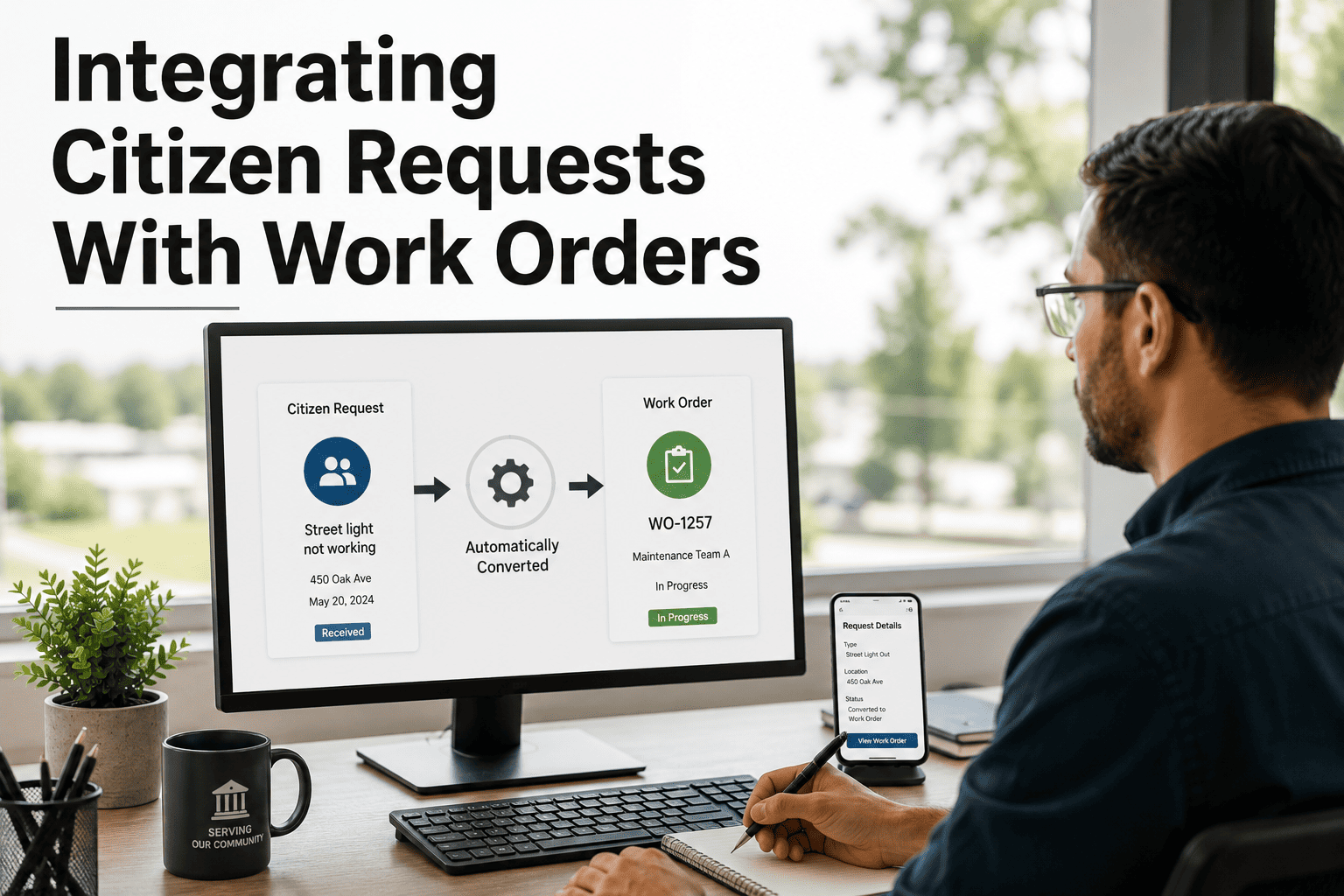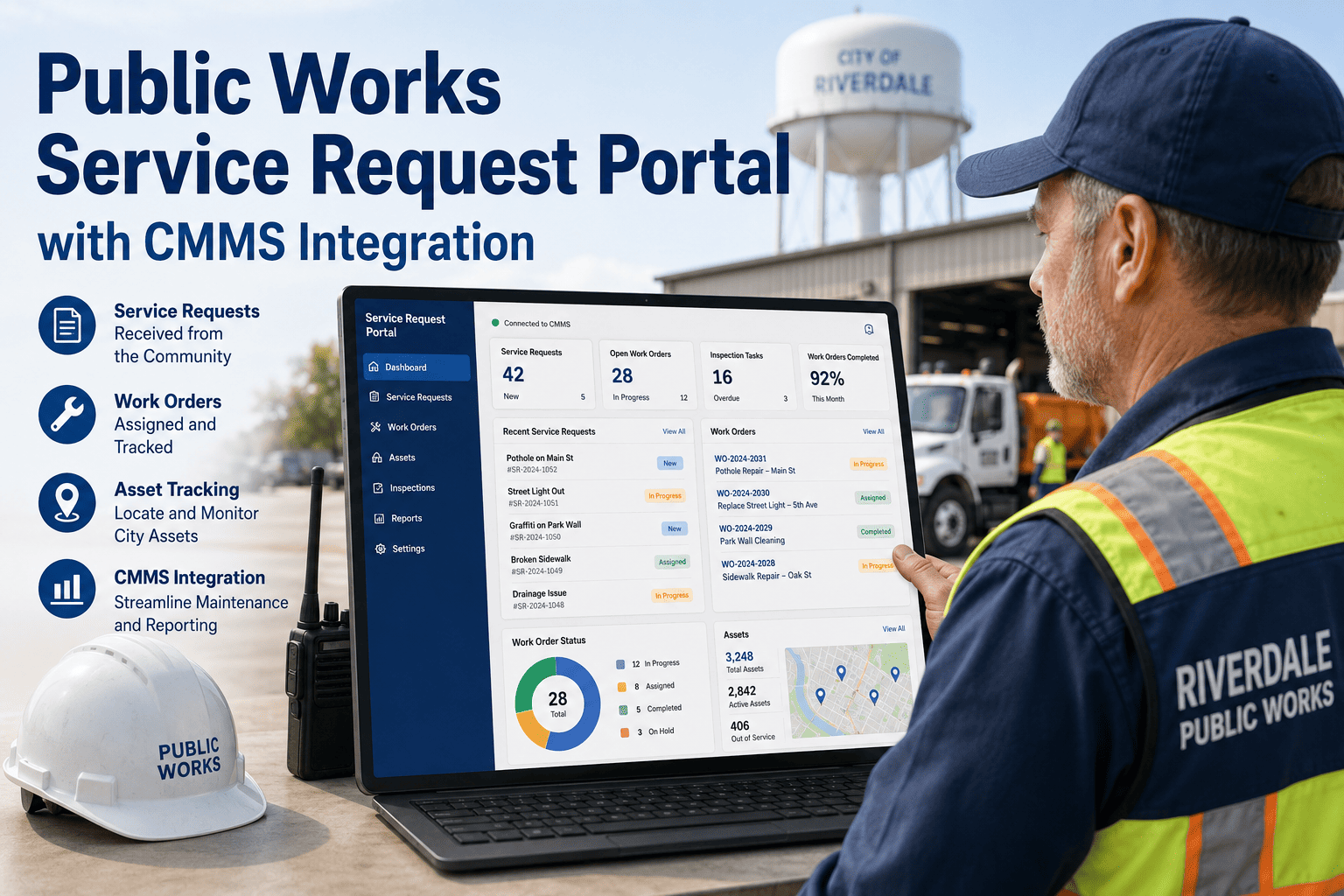
Municipal governments lose an average 34% of citizen requests before a work order is ever created. The complaint arrives by phone, email, social media, or walk-in — gets noted somewhere — and then disappears into a department inbox nobody monitors, a sticky note nobody finds, or a spreadsheet nobody updates. What follows is entirely predictable: duplicate 311 calls, constituent frustration, council escalations, and a public works director who cannot produce resolution data when asked. A digital municipal work order system eliminates all of it by converting every citizen request — from every channel — into a tracked, assigned, and documented work order automatically.
Modernize Your Municipal Work Orders with OxMaint
OxMaint connects 311 systems, citizen portals, mobile crew dispatch, and council dashboards into one automated workflow — so every request is tracked, every work order is closed, and every resolution is documented.
The Problem With How Most Municipalities Handle Requests Today
Nearly 40% of municipal operating budgets are consumed by reactive repairs to deferred maintenance backlogs, according to the American Public Works Association. That figure is not primarily a funding problem — it is a visibility problem. When citizen requests arrive through disconnected channels and work orders are created manually, prioritization is guesswork, dispatch is slow, and resolution records do not exist. The result is reactive operations driven by whoever complains loudest, not by actual service need. Sign up free to see how OxMaint replaces disconnected intake with a single automated workflow.
How a Digital Municipal Work Order System Works
The workflow below is what best-in-class municipal operations run today — whether the request arrives by 311 call, mobile app, web portal, email, or walk-in. Every channel feeds the same automated sequence. Book a demo to see this configured for your department's request categories and crew structure.
What Citizens and Councils Actually Need From the System
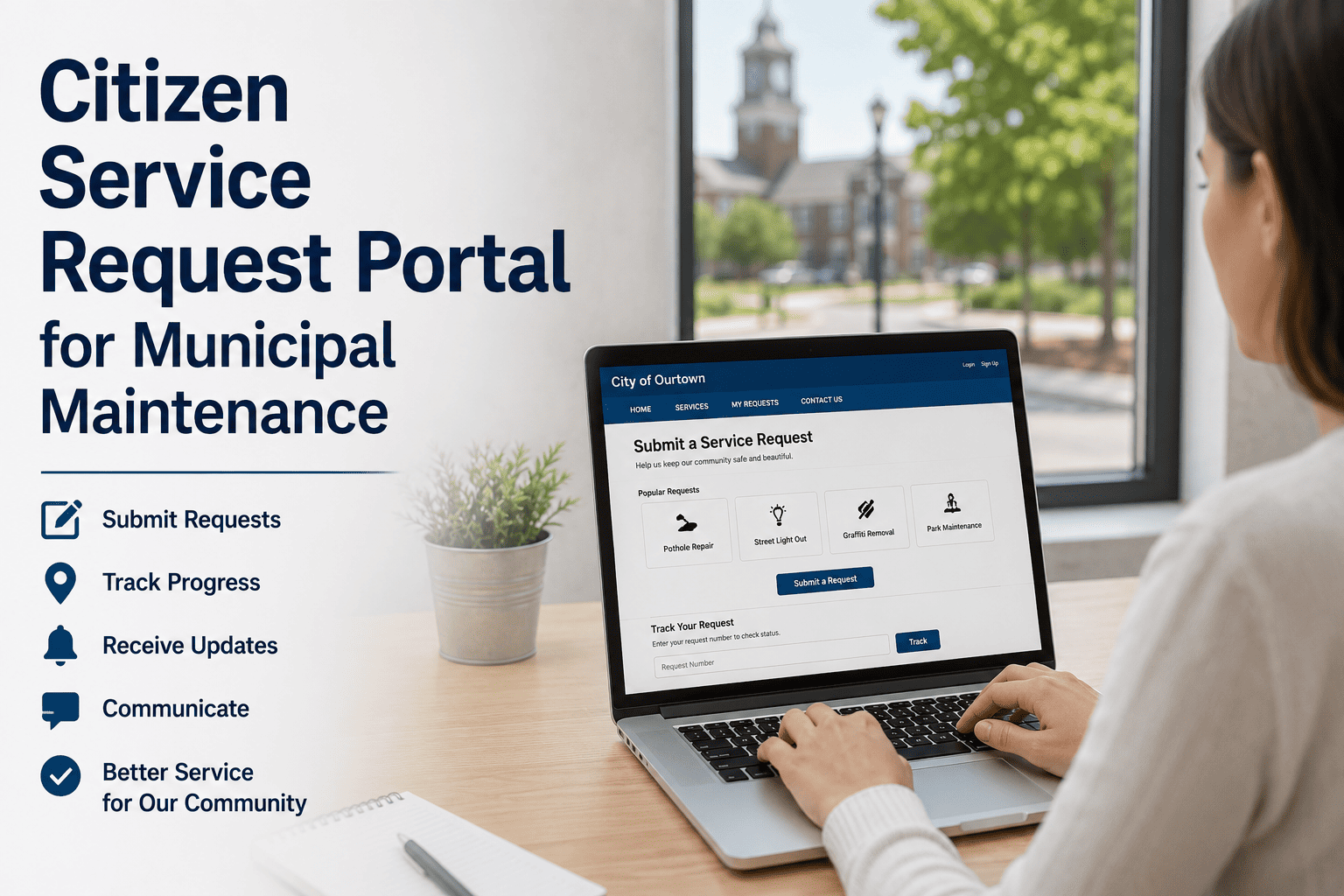
A municipal work order system serves two audiences simultaneously — the crew executing the work, and the citizens and elected officials expecting accountability. Both have distinct requirements that the system needs to satisfy without manual effort from operations staff. Sign up free and see how OxMaint delivers both in a single platform.
Key Capabilities to Require From Any Municipal System
Municipal operations differ from commercial property maintenance in important ways — public accountability, FOIA compliance, multi-department coordination, and grant reporting requirements all create capability demands that generic work order software does not address. Book a demo to walk through how OxMaint handles each of these natively for public works and government facilities.
Frequently Asked Questions
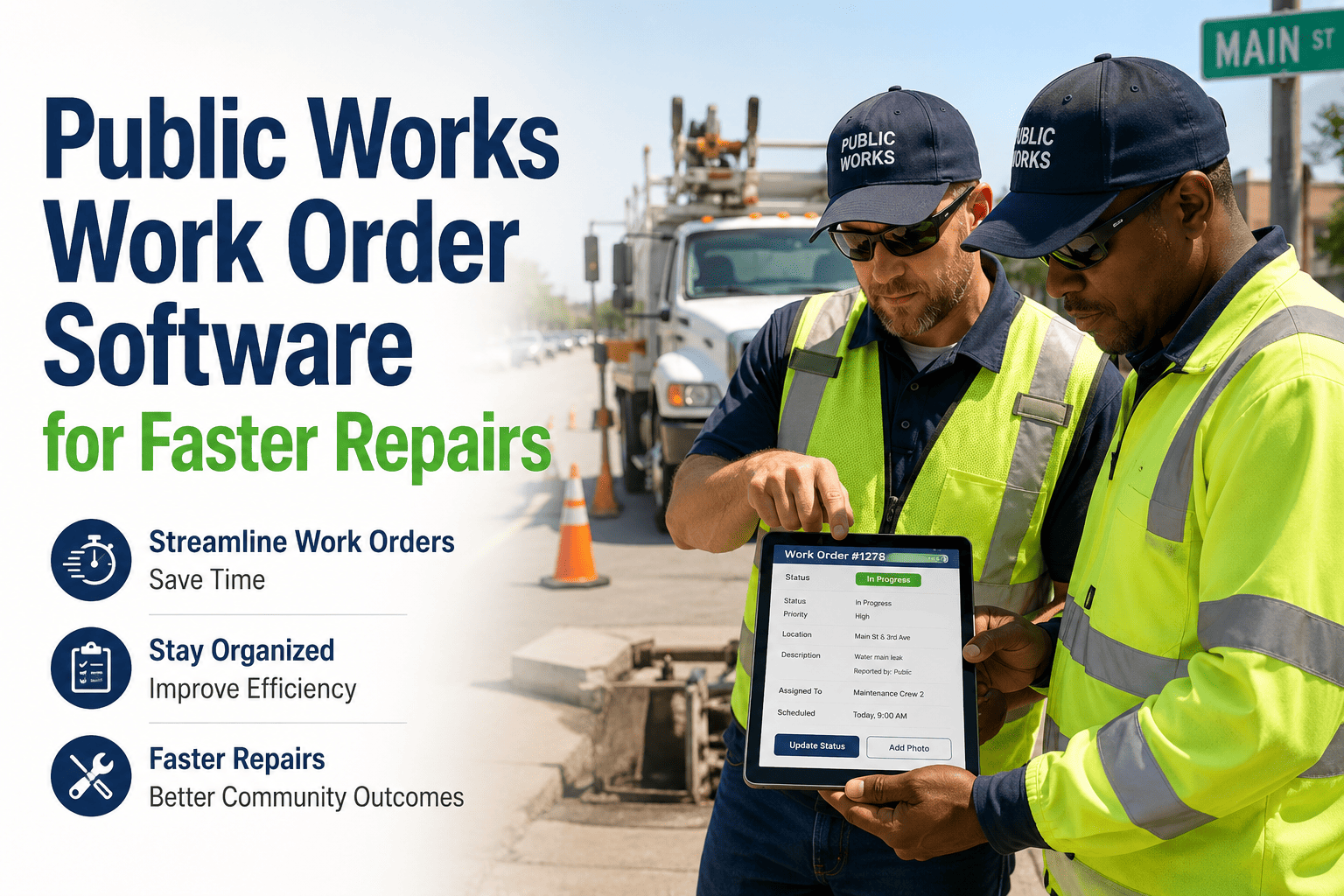
A municipal work order management system is a digital platform that centralizes all citizen requests and public works maintenance tasks — from multi-channel intake through crew assignment, field execution, and resolution documentation — into a single automated workflow. It replaces disconnected phone logs, email inboxes, and spreadsheets with a system where every request is tracked, every assignment is documented, and every completion is verified with photo evidence. Sign up free to start your OxMaint evaluation for your municipality today.
Modern municipal CMMS platforms connect to 311 systems via REST API — converting every inbound citizen request into a structured work order automatically, without manual re-entry by staff. OxMaint integrates natively with SeeClickFix, Salesforce Government Cloud, ServiceNow, CivicPlus, and custom 311 systems. Standard integrations go live in 10 to 14 days. Custom API integrations targeting specific municipal systems typically complete in 3 to 4 weeks. Book a demo to scope your specific integration path.
Most municipalities see measurable improvements within 90 days — driven by faster request-to-resolution cycles, eliminated duplicate dispatches, and a shift from reactive to planned maintenance. Municipal CMMS systems typically reduce maintenance costs by 25 to 40% over the first year. A 72% reduction in average resolution time versus paper-based systems is documented by municipalities running automated routing and mobile crew dispatch. Grant reporting improvements also generate indirect ROI by strengthening capital investment applications with historical infrastructure data.
Citizens receive automatic status notifications at each stage — submission confirmed, crew assigned, work in progress, and resolution completed with photo evidence. These updates are sent via SMS, email, or push notification depending on the channel used for the original submission. The result is a 40 to 50% reduction in inbound status inquiry calls to the municipal office — because citizens already know the status without needing to call. Municipalities running real-time citizen notifications report measurable improvement in public satisfaction scores within the first quarter of deployment.
Every completed work order in OxMaint generates a timestamped, geo-tagged, photo-documented record stored in a searchable, exportable format. FOIA requests, insurance liability claims, audit inquiries, and federal grant reporting all draw from the same documentation base — with no manual assembly required. Directors export the required records on demand in minutes rather than days. This eliminates the legal exposure created when work was performed but cannot be proven — a risk that generates significant liability payouts for municipalities running paper-based systems. Sign up free to explore OxMaint's documentation and compliance features today.
No More Lost Requests. No More Manual Dispatch. No More Missing Records.
OxMaint automates the full citizen request-to-resolution workflow — multi-channel intake, automated triage, mobile crew dispatch, real-time citizen updates, and council-ready reporting. Purpose-built for public works and municipal operations.