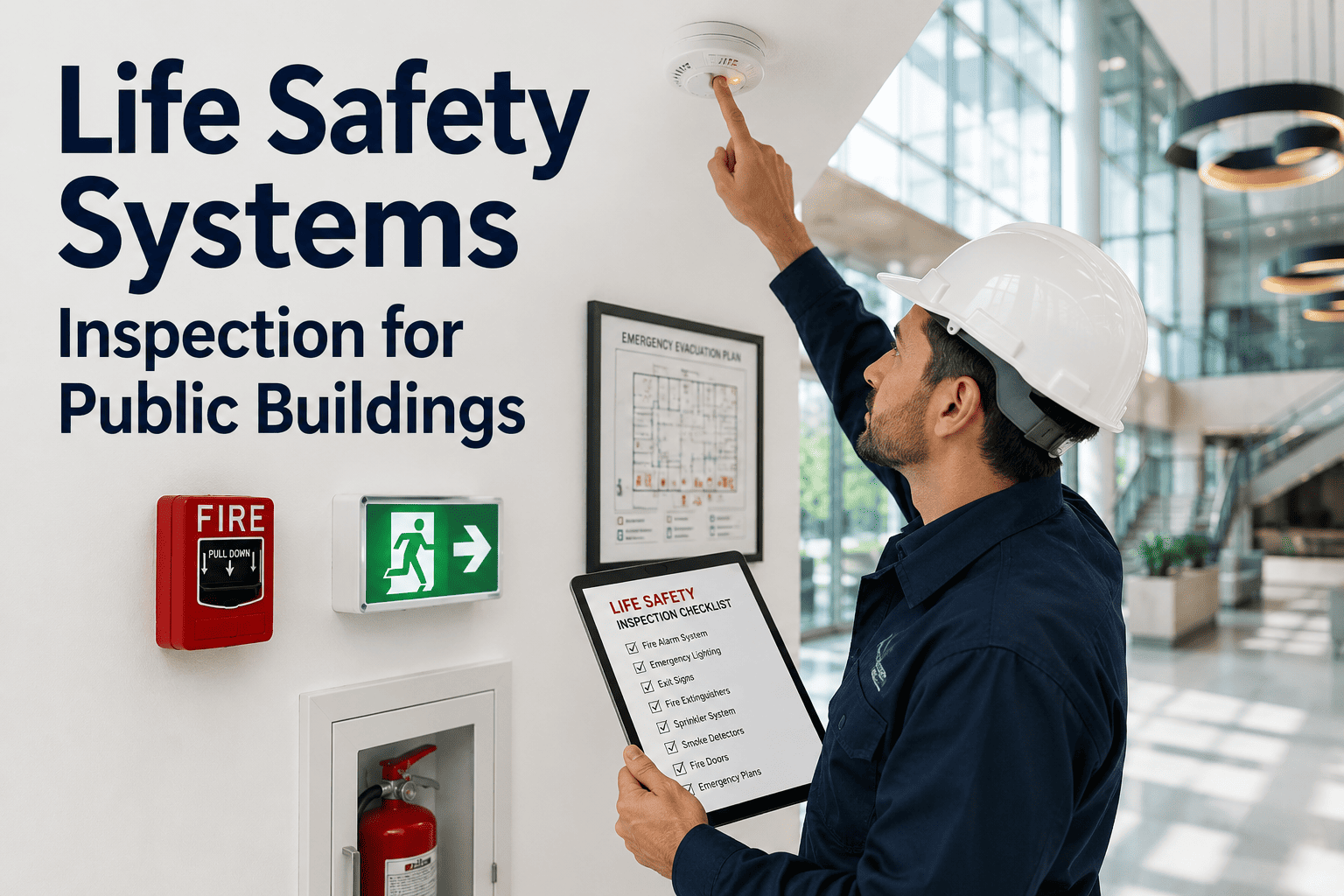
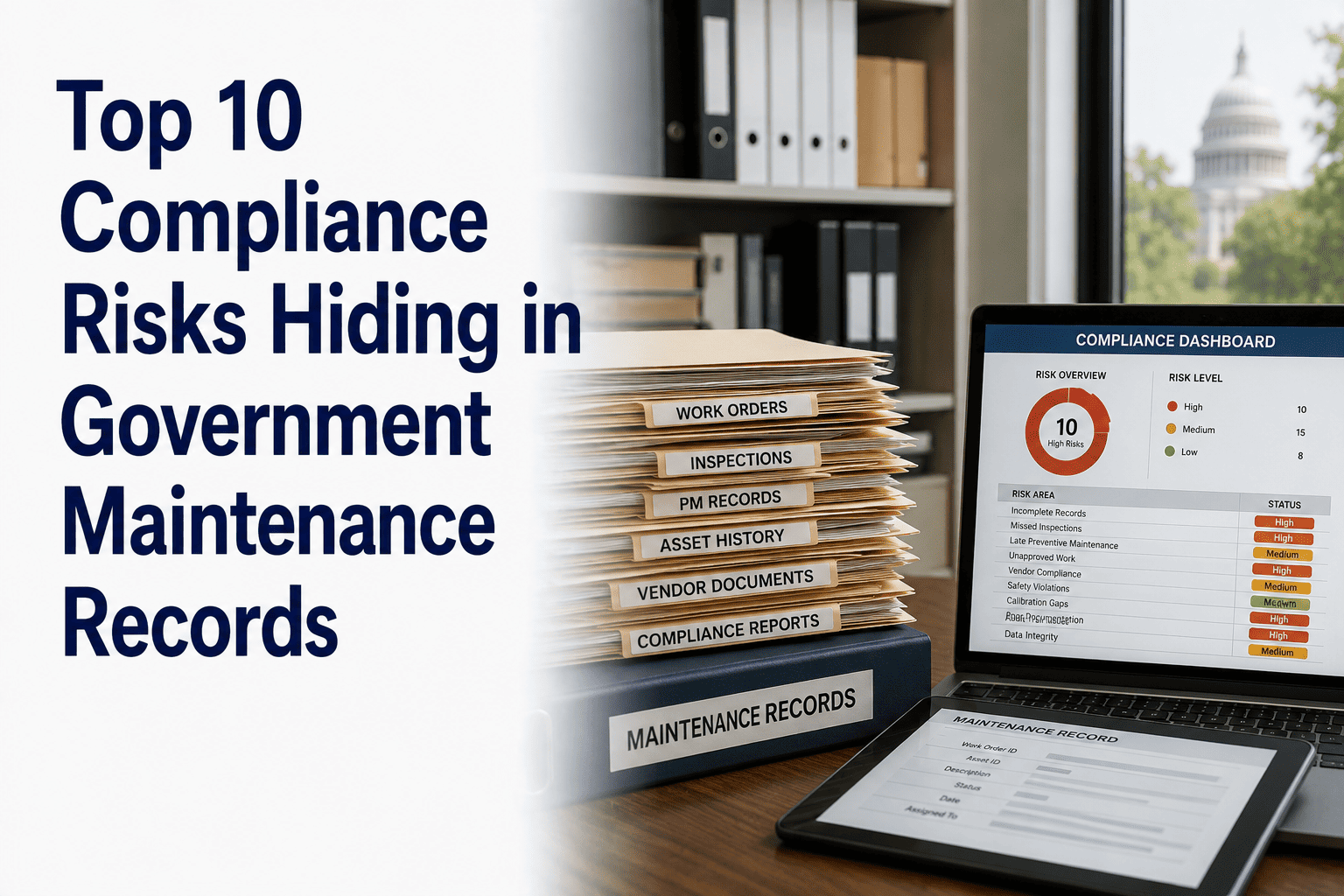
For municipal governments, the cost of a safety incident goes far beyond the immediate medical bills. A single serious workplace injury can trigger a cascade of consequences: OSHA fines, rising workers' compensation premiums, public scrutiny, and a demoralized workforce. Yet, many municipalities still manage Environmental, Health, and Safety (EHS) programs using fragmented spreadsheets, paper logs, and siloed departmental records. This disjointed approach leaves agencies vulnerable to compliance gaps and makes proactive risk management nearly impossible.
Modern Government EHS Management Systems transform compliance from a reactive burden into a strategic asset. By centralizing incident reporting, training records, and hazard assessments into a unified digital platform, municipalities can ensure regulatory adherence while protecting their most valuable asset: their employees. This guide provides a complete framework for building a digital EHS ecosystem that satisfies OSHA, EPA, and state-level requirements. Start free trial today.
Municipal Safety Guide 2026
Government EHS Management
Safety compliance is not optional. From public works yards to water treatment plants, government agencies face complex regulatory obligations. This guide equips safety directors, risk managers, and operations leaders with the frameworks to automate OSHA reporting, track mandatory training, and prevent incidents through data-driven EHS management.
$161KAvg. Cost of Injury
40%Paperwork Reduction
ZeroCompliance Gaps
100%Audit Readiness
The Safety Maturity Spectrum
Municipal safety programs typically fall into one of three categories. While many agencies struggle in the "Reactive" phase—scrambling to fix issues only after an accident occurs—the goal of a modern EHS system is to move the organization toward "Proactive" and eventually "Predictive" safety management, where data trends identify hazards before harm occurs.
Proactive (Optimized)
20%
Regulatory Framework: The Pillars of Compliance
Government agencies must navigate a labyrinth of federal and state regulations. Failure to maintain records, conduct inspections, or provide training can result in severe citations. A comprehensive EHS system acts as a central repository for all regulatory obligations, ensuring nothing slips through the cracks.
Key Regulatory StandardsOSHA & EPA
29 CFR 1910
General Industry
Covers most municipal operations including maintenance shops, water plants, and offices. Includes standards for PPE, walking surfaces, and machinery guarding.
High Frequency
29 CFR 1904
Recordkeeping
Mandates the recording and reporting of work-related fatalities, injuries, and illnesses. Requires maintenance of OSHA 300, 300A, and 301 logs.
Audit Target
29 CFR 1910.1200
HazCom (GHS)
"Right to Know" laws. Requires chemical inventory lists, Safety Data Sheets (SDS) accessibility, and proper container labeling across all facilities.
Safety Critical
29 CFR 1910.147
Lockout/Tagout
Control of hazardous energy. Requires written procedures, authorized employee training, and periodic inspections of energy control procedures.
Life Safety
EPA 40 CFR
Environmental
Regulations covering spill prevention (SPCC), stormwater management, hazardous waste disposal, and air emissions permitting.
Enviro Risk
29 CFR 1926
Construction
Applies to public works projects involving construction, alteration, or repair. Key areas include excavation/trenching, fall protection, and scaffolding.
High Severity
Risk Assessment Matrix: Prioritizing Hazards
Not all hazards are created equal. Effective EHS management requires a systematic approach to evaluating risk based on severity and probability. This "Risk Matrix" helps safety officers prioritize corrective actions and allocate resources where they are needed most to prevent catastrophic incidents.
5
Catastrophic
Fatality or permanent disability likely. Immediate cessation of activity required.
4
Critical
Serious injury or significant property damage probable. Urgent corrective action needed.
3
Moderate
Medical treatment required. Activity requires controls before proceeding.
2
Minor
First aid only. Minor equipment damage. Monitoring required.
1
Negligible
Minimal impact. Acceptable risk with standard procedures.
Standardize Your Safety Program
Oxmaint simplifies government EHS management. Automate inspection schedules, digitize incident reporting, track employee training, and generate audit-ready OSHA logs in one secure, cloud-based platform.
A robust EHS management system is composed of several interconnected modules. Each plays a vital role in the overall safety ecosystem. Implementing these as digital workflows ensures data integrity and accessibility.
Core
Incident Management
Real-Time
Capture near-misses and injuries immediately via mobile app. Automate root cause analysis (RCA) and generate OSHA 300 logs automatically.
Digital FormsPhoto EvidenceRCA ToolsAuto-Notifications
Critical
Training Tracker
Ongoing
Manage certifications and licenses. Receive alerts for expiring training (CPR, Forklift, Confined Space) to ensure only qualified staff perform tasks.
Cert MatrixExpiration AlertsDigital RecordsGap Analysis
Audit
Inspections & Audits
Scheduled
Schedule and conduct facility, vehicle, and equipment inspections. Convert failed audit items directly into corrective maintenance work orders.
Mobile ChecklistsCustom TemplatesOffline ModeScorecards
Prevention
Job Hazard Analysis
Pre-Task
Create and enforce Job Hazard Analysis (JHA) or Job Safety Analysis (JSA) documents. Ensure workers review hazards before starting work.
Risk ScoringPPE RequirementsSign-offsProcedure Library
Environ
Environmental Logs
Periodic
Track spill reporting, waste manifests, air emissions, and water quality data. Simplify reporting for EPA and state environmental agencies.
Spill TrackingWaste MgmtEmission LogsPermit Tracking
Action
Corrective Actions
As Needed
The "closing the loop" mechanism. Assign, track, and verify the completion of corrective actions (CAPA) resulting from audits or incidents.
Task AssignmentDeadline TrackingVerificationAudit Trail
Understanding the specific hazards faced by municipal employees is the first step in prevention. From the department of public works to administrative offices, different environments present unique challenges that must be monitored and mitigated.
Public Works / Roads
Work Zone Traffic Safety
Excavation & Trenching Collapse
Heavy Equipment Operation
Noise Exposure
Heat Stress / Cold Stress
Utilities / Water
Confined Space Entry
Chemical Handling (Chlorine)
Falls from Heights
Biological Hazards
Lockout/Tagout (Energy)
Fleet / Facilities
Hazardous Waste Disposal
Electrical Hazards (Arc Flash)
Ergonomics (Lifting)
Fire Safety / Egress
Slip, Trip, and Fall
The Cost of Neglect: Incident Escalation
The "Safety Pyramid" illustrates that for every serious injury, there are dozens of minor injuries and hundreds of near-misses. Ignoring the base of the pyramid inevitably leads to the top. Investing in prevention creates an exponential ROI by avoiding the direct and indirect costs of major incidents.
$0 - $500
Near Miss / Unsafe Act
Investigation time, minor corrections, safety stand-downs. The cheapest time to act.
Frequency: High
$5k - $50k
Recordable Injury
Medical costs, restricted duty, lost productivity, OSHA recordkeeping impact.
Frequency: Medium
$1M+
Fatality / Major Citation
Litigation, massive OSHA fines, criminal negligence potential, permanent reputational damage.
Frequency: Low (But Fatal)
Protect Your People, Protect Your Agency
Don't wait for an accident to upgrade your safety program. Oxmaint provides the digital infrastructure to manage inspections, training, and incidents proactively. Secure your compliance data and build a culture of safety.
CMMS Features for EHS Compliance
A specialized Computerized Maintenance Management System (CMMS) is the backbone of a successful EHS program. It links equipment maintenance with safety requirements, ensuring that safety is integrated into daily operations rather than treated as a separate administrative task.
A
Mobile Inspection App
Empower field workers to conduct inspections using smartphones or tablets. Capture photos, annotate hazards, and sign off digitally, ensuring data accuracy and immediate availability.
B
Automated Workflows
Set triggers that automatically create corrective work orders when an inspection fails. Ensure that identified hazards are remediated promptly and the fix is documented.
C
Training Matrix & Alerts
Track training requirements by job role. Receive automated notifications 30, 60, or 90 days before certifications expire to maintain 100% compliance.
D
Document Library
Centralize Safety Data Sheets (SDS), LOTO procedures, and safety manuals. Provide workers with instant access to critical safety information via QR codes on equipment.
E
OSHA Reporting Dashboard
Visualize safety KPIs such as TRIR (Total Recordable Incident Rate) and DART (Days Away, Restricted or Transferred). Export OSHA 300 logs with a single click.
F
Contractor Management
Ensure third-party contractors meet your safety standards. Track their insurance, training, and qualifications within the same system used for employees.
Frequently Asked Questions
Q. How does software help with OSHA audits?
During an OSHA audit, speed and accuracy are critical. EHS software allows you to instantly retrieve training records, inspection logs, and incident reports. Being able to demonstrate a documented, organized history of compliance significantly establishes good faith and can reduce potential penalties.
Q. Can we use EHS software for multiple departments?
Yes. A robust EHS platform is designed for enterprise-wide use. You can segregate data by department (e.g., Public Works, Parks & Rec, Water Utilities) while allowing top-level management to view aggregate data for the entire municipality.
Q. How do we track "Near Misses" effectively?
The key to tracking near misses is removing friction. Mobile apps allow employees to snap a photo and submit a report in seconds from the field. Anonymous reporting options can also encourage participation without fear of reprisal, providing valuable data for prevention.
Q. What is the difference between leading and lagging indicators?
Lagging indicators measure past events (e.g., injury rates, lost days). Leading indicators measure proactive activities (e.g., number of inspections conducted, training completion %, near-miss reports). A modern EHS system focuses on driving leading indicators to prevent the lagging results.
Q. Is cloud-based EHS data secure?
Yes. Modern cloud providers use bank-level encryption and strict access controls. For government agencies, this is often more secure than on-premise servers which may be vulnerable to ransomware or physical damage. It also ensures data is accessible during emergencies or remote work.