Government Emergency Preparedness and Generator Maintenance for Continuity of Operations
By allen on March 25, 2026
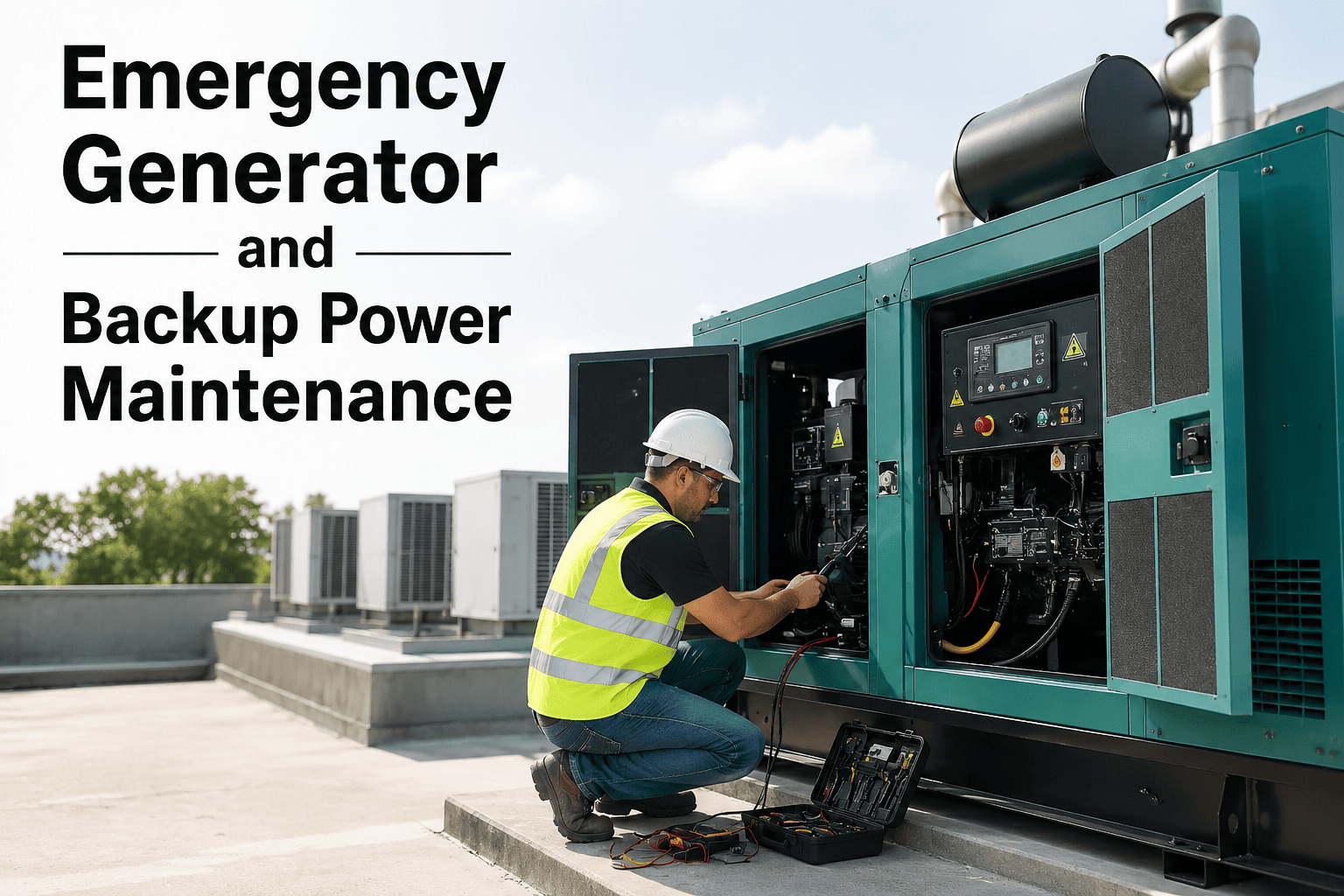
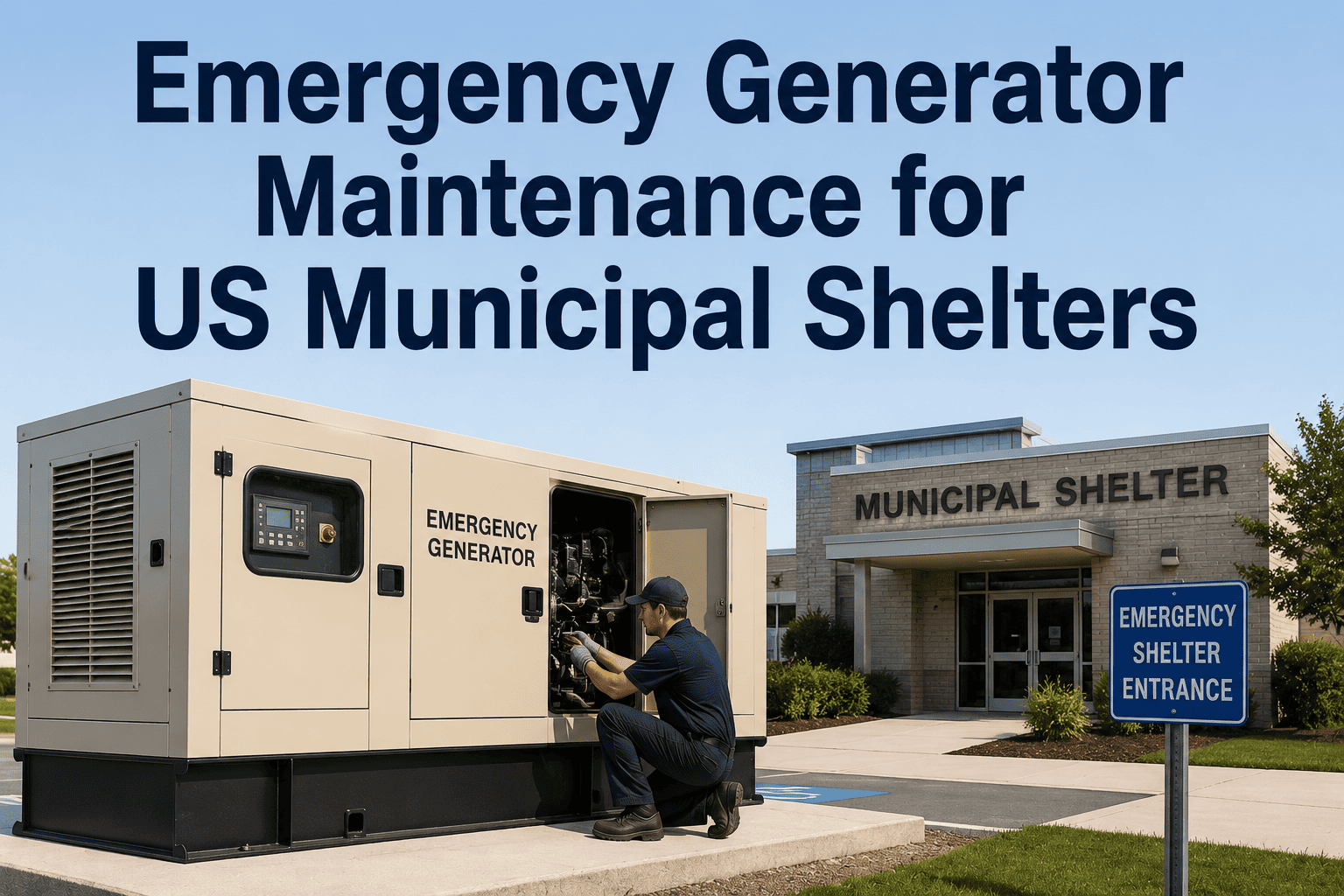
Government facilities designated as emergency operations centers, emergency shelters, and continuity of operations sites carry backup power obligations that paper-based generator logs cannot satisfy. NFPA 110 requires monthly exercising and annual load bank testing with documented results — but the majority of municipal generator programs run on ad-hoc service calls with no PM schedule, no fuel level monitoring, and no COOP compliance documentation. When a declared emergency activates a backup generator that has not been load-tested in 18 months, the facility fails at precisely the moment it is needed most. Book a demo to see this checklist configured for your generator and emergency equipment inventory.
Compliance ChecklistGovernment Emergency Preparedness and Generator Maintenance for Continuity of Operations10 min read
FEMA minimum backup power requirement — documented fuel quantity, not just a full tank at inspection time
36%
Of government generator failures during declared emergencies attributed to deferred PM and missed load bank testing
NFPA 110
Monthly 30-minute exercise under load, quarterly maintenance inspection, annual 2-hour 100% load bank test — all with signed documentation
Checklist Scope
Five maintenance categories — Monthly Generator Exercise (NFPA 110 Section 8.4), Quarterly Maintenance Inspection, Annual Load Bank Test, Emergency Equipment Readiness, and COOP Annual Compliance Verification. All items run natively on Oxmaint mobile — out-of-range findings trigger work orders automatically without leaving the field. See OSHA LOTO requirements for generator and ATS maintenance.
Frequency: Monthly Functionality · Quarterly Maintenance · Annual Capacity Test
Run This Checklist Digitally on Oxmaint Mobile
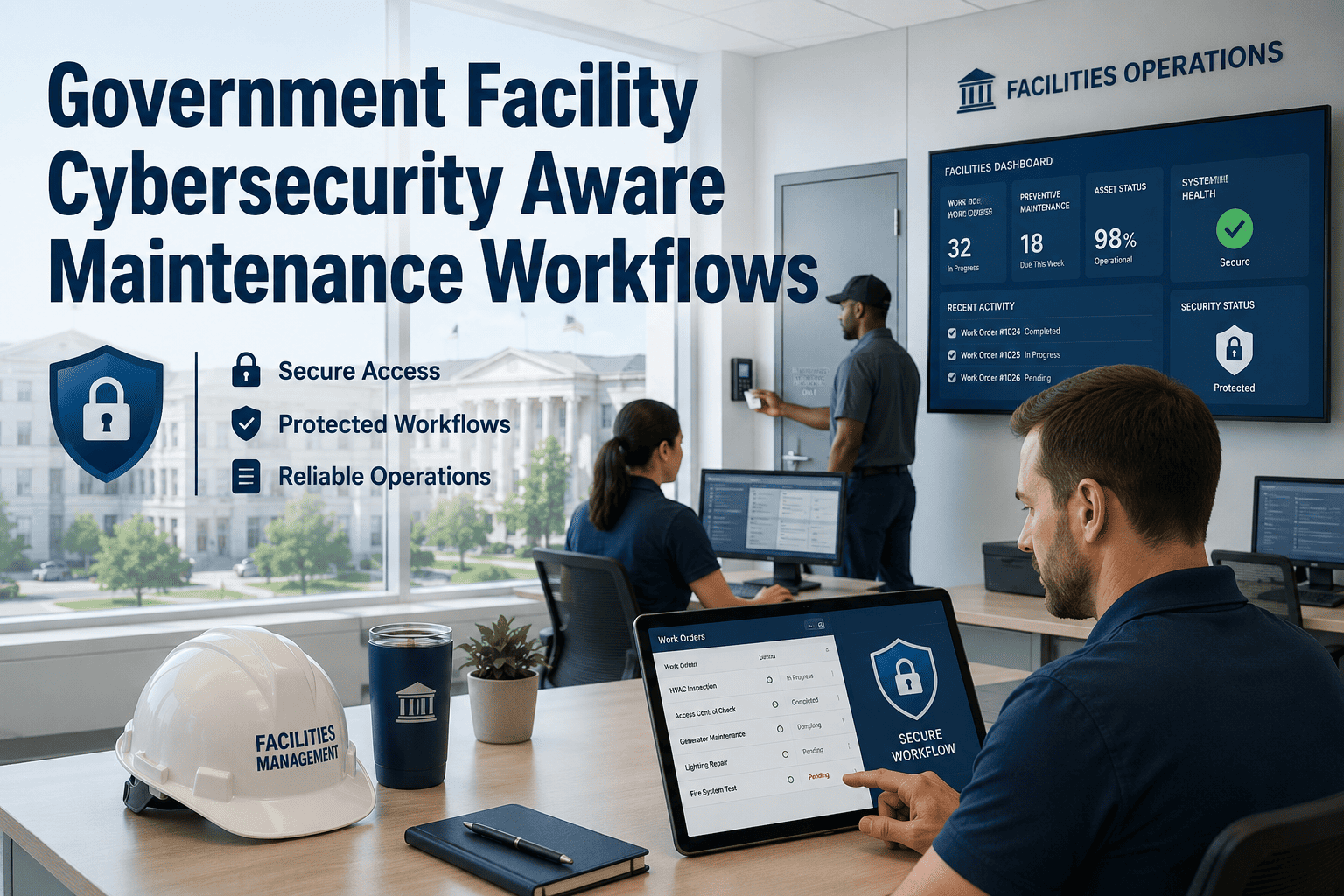
Every check point above is a configured inspection item in Oxmaint — results logged against the generator asset record, out-of-range findings auto-escalated to work orders, and COOP compliance reports generated on completion without manual compilation.
Complete this consolidated verification once per year before FEMA or state emergency management program reviews. In Oxmaint, this is attached to the annual COOP compliance work order and requires supervisor sign-off before the record closes.
Frequency: Annual — Before FEMA or State COOP Review
What Oxmaint Eliminates from Your Generator Programme
Without Oxmaint (Paper Programme)
With Oxmaint
Time Recovered
Monthly exercise dates tracked on a wall calendar — missed months discovered during COOP review or after an emergency activation failure
Monthly exercise work orders auto-generated per NFPA 110 with escalating alerts at 14, 7, and 1 day — missed tests flagged before the window closes
2–4 hrs/month tracking
Paper exercise logs with missing parameters — unsigned records filed separately from the generator asset history
Parameter log template pre-populated per generator; technician signs digitally at site; GPS-confirmed, timestamped record linked to asset automatically
15–20 min per exercise
Annual load bank test scheduled informally — contractor called when someone remembers; no reminder, no digital record retention
Annual test auto-scheduled 60 days before deadline; contractor report attached digitally to asset record; next test auto-scheduled on attachment
Compliance risk eliminated
Fuel quality tracking informal — no documented schedule; degraded fuel discovered when generator fails under emergency load
Quarterly fuel sampling auto-scheduled; failed tests trigger polishing work orders; fuel age tracked against 12-month treatment interval per tank
1–2 hrs/quarter per site
COOP compliance documentation assembled manually — 2 to 4 weeks pulling records from paper binders before each review
Full COOP compliance package exported from Oxmaint in hours — all generators, all sites, all inspection periods in FEMA-accepted format
2–4 weeks per COOP cycle
What Every Completed Inspection Builds in Oxmaint
Automated NFPA 110 Testing Schedule
Monthly, quarterly, and annual test work orders generated automatically per generator — escalating alerts prevent missed test windows before FEMA or the AHJ finds the gap.
COOP Compliance Report Generation
Completed test records export directly into COOP compliance report format — documentation ready in hours before each FEMA or state emergency management program review, not weeks.
Fuel Runtime Tracking
Current fuel quantity calculated against generator consumption rate at expected load — alerts when fuel falls below 72-hour threshold before an emergency is declared, not during one.
Emergency Equipment Expiration Tracking
UPS batteries, supply cache items, communication calibration dates, and FCC license expirations tracked per asset with alerts at 90, 30, and 7 days — caught on a schedule, not during an event.
Multi-Site EOC Portfolio Dashboard
Test compliance, equipment readiness, and fuel levels visible across all EOC sites and shelters from one screen — directors see portfolio readiness before an event, not after a generator fails during one.
Permanent Audit Trail
All generator test records, fuel inspection records, and COOP compliance packages stored with timestamped audit trails — accessible after staff turnover, system migrations, and agency restructuring events.
Frequently Asked Questions
QWhat does NFPA 110 actually require for government generator programs — and what does "exercising" mean?
Monthly exercise means 30 minutes minimum under load — not a no-load run — with running parameters documented and signed by a qualified operator. Annual testing requires 100% nameplate load for two hours with a resistive load bank. Book a demo to see NFPA 110 test templates for your generator inventory.
QWhat OSHA requirements apply to government maintenance staff servicing generators?
OSHA 1910.147 requires a written equipment-specific LOTO procedure before any internal generator work — ATS maintenance additionally requires qualified electrical worker status under 1910.303–399 with an energized work permit. Book a demo to see LOTO procedure tracking for your generator assets.
QHow much fuel do government facilities need to maintain for emergency continuity of operations?
QHow does generator maintenance connect to HVAC and fire safety systems in government buildings?
Fire alarm panels, emergency lighting, and fire suppression systems are life safety loads that must transfer to generator power within 10 seconds — load bank tests must include these loads and HVAC must be maintained to operate at generator power levels. Book a demo to see integrated generator and life safety compliance scheduling.
Deploy This Checklist as a Live COOP Compliance Programme in Oxmaint
Pre-configured NFPA 110 templates for every generator test cycle — automated scheduling, parameter log enforcement, fuel runtime tracking, and COOP compliance report export included. Live in 14 days, no consultant fees.