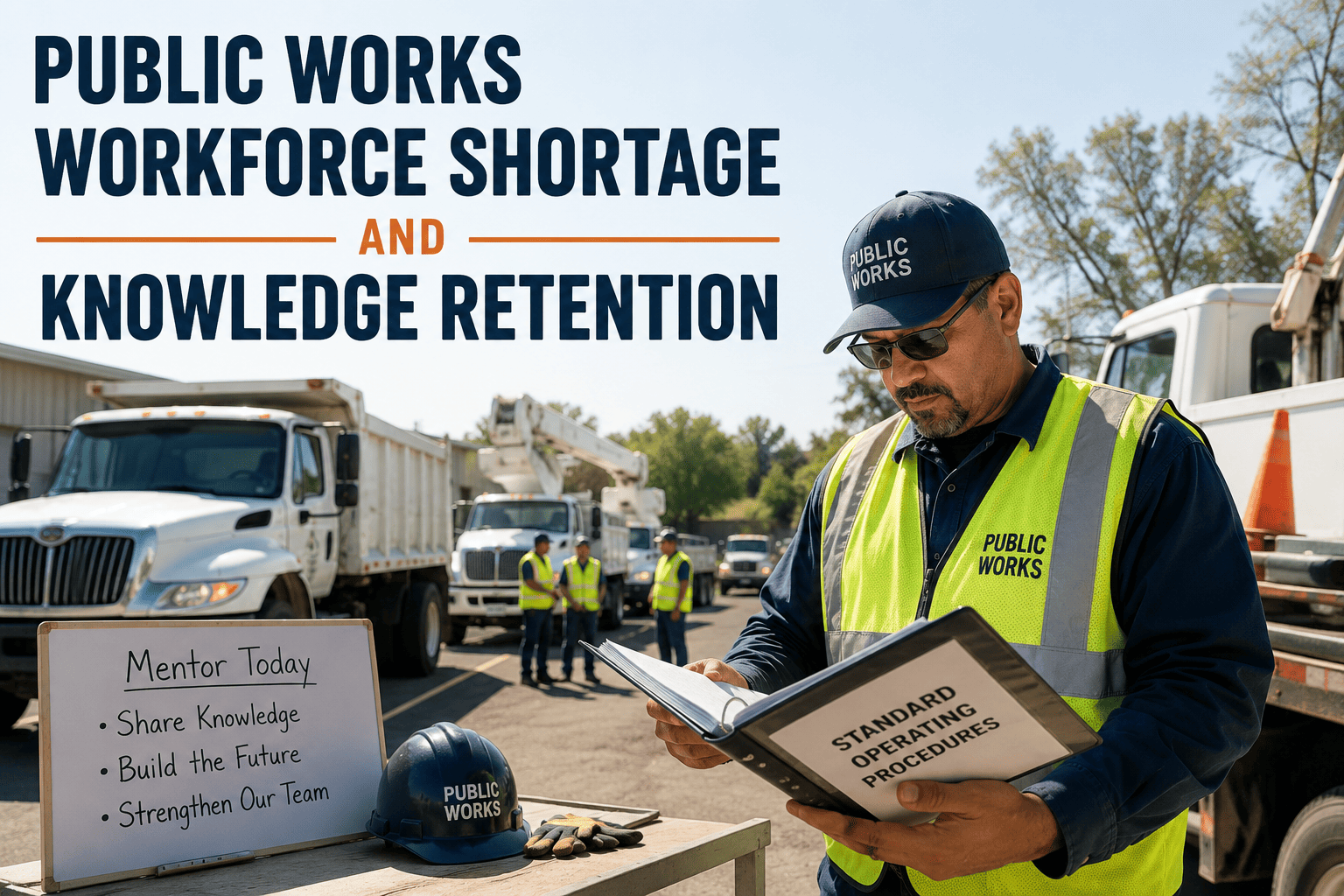
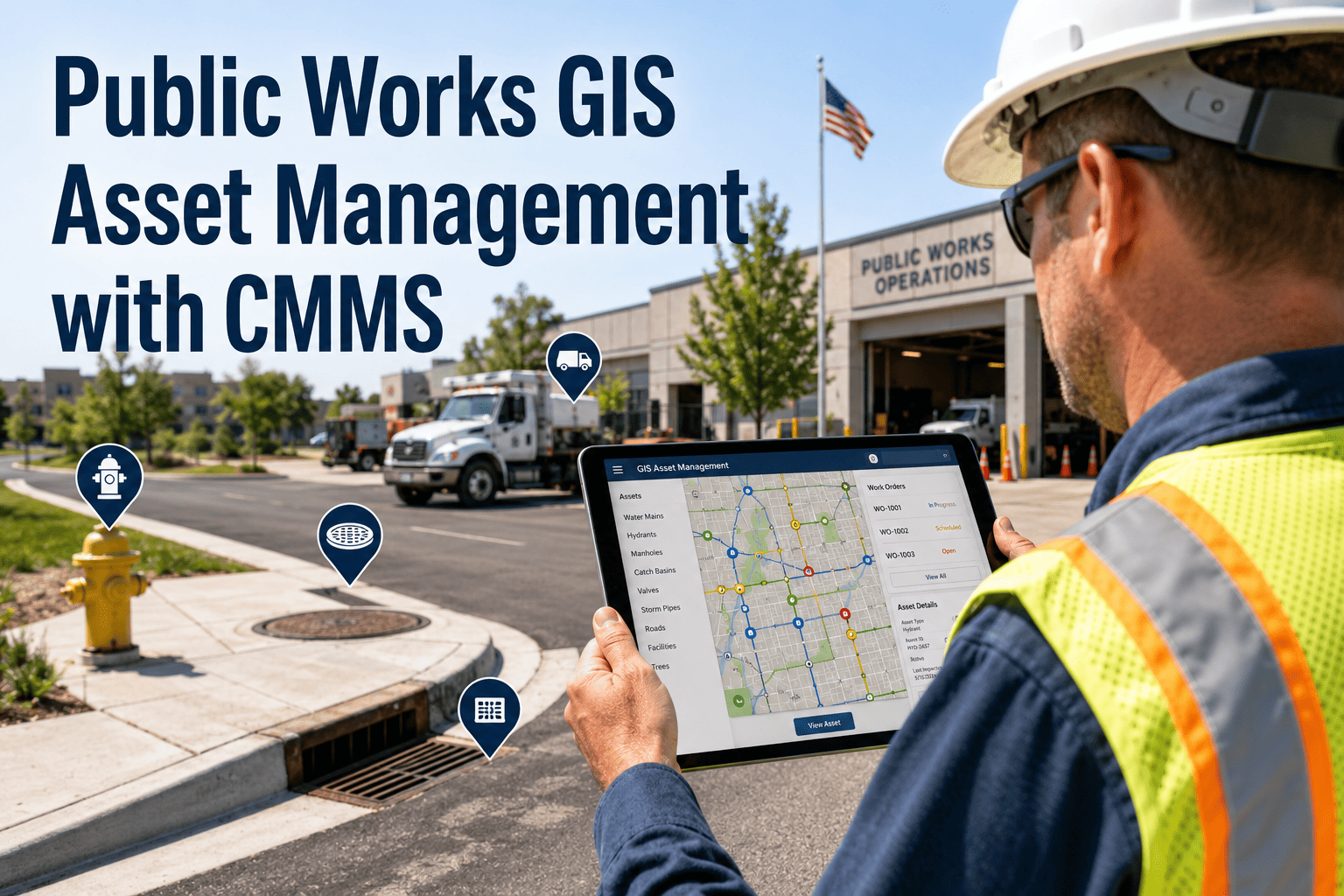
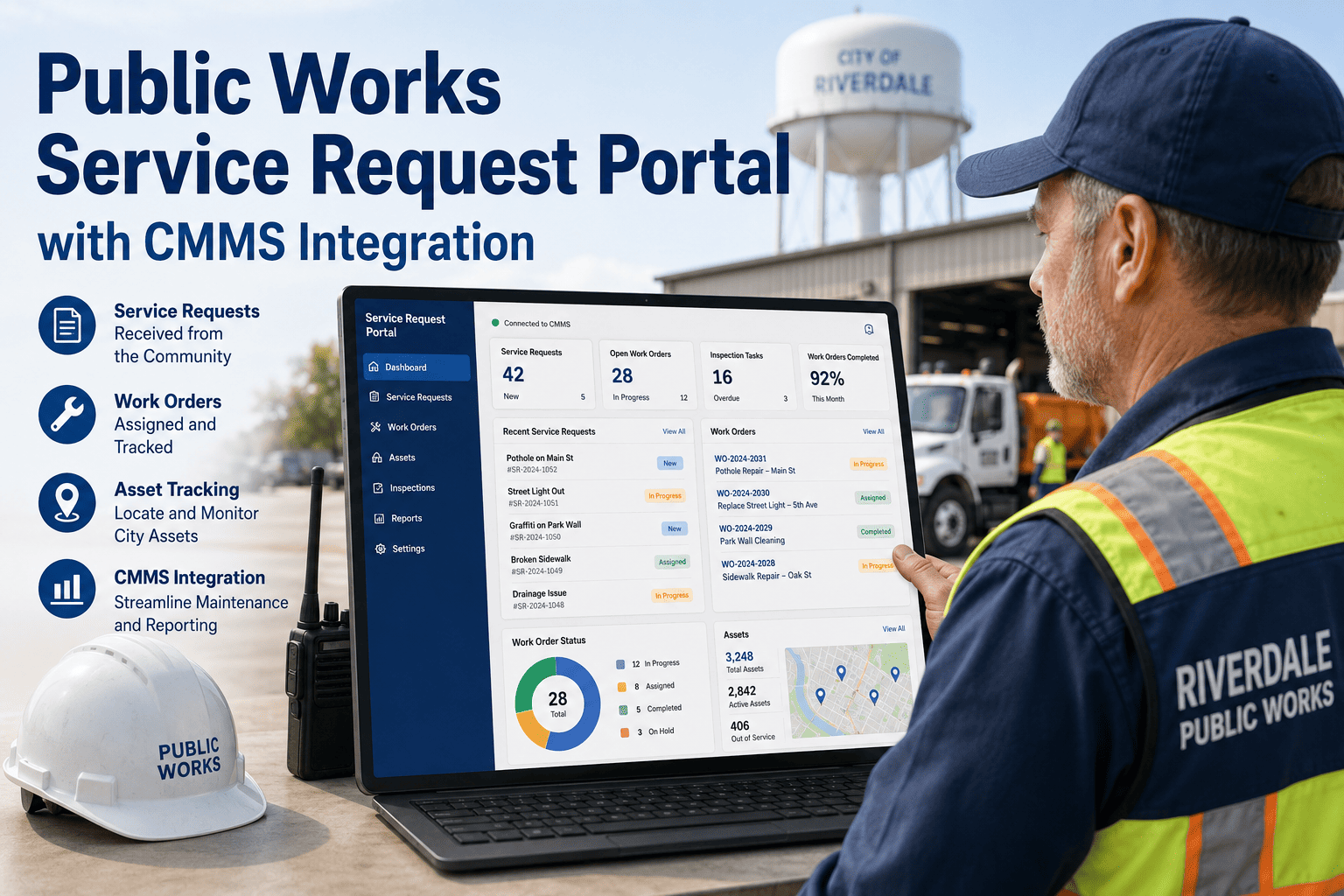
When the main circulation pump at the Riverside County Water Treatment Plant failed in late 2025, the aftermath revealed a crisis that had nothing to do with machinery and everything to do with personnel. The only technician who understood the legacy pump's eccentricities had retired six months earlier, after 30 years of service. His replacement, a capable but inexperienced junior mechanic, lacked the institutional knowledge and modern digital tools to diagnose the variable frequency drive issue. Because the municipality couldn't compete with private sector wages to hire a senior specialist, the plant suffered a 14-hour outage, forcing an emergency contractor dispatch that cost $18,000. This incident exposed a systemic truth: the government technician shortage isn't just an HR problem; it is an active threat to public infrastructure reliability. As legacy knowledge walks out the door, the government maintenance workforce is left struggling to manage aging public assets without the right tools or adequate staffing.
The days of relying solely on public sector pensions to attract top talent are over. Government maintenance competes with private sector for skilled workers, and the private sector is currently winning by offering modern technology, clear career progression, and agile work environments. To survive the "Silver Tsunami" of retirements, municipalities must fundamentally shift how they operate. When a public sector talent pool sees a modern, mobile-first CMMS platform instead of a stack of paper work orders, the job instantly becomes more attractive. Oxmaint AI integrates mobile workflows, digital knowledge capture, and remote expert assistance to empower your team, reduce burnout, and make public works hiring a competitive advantage. Start free trial today.
Public Sector Workforce 2026
Government Maintenance Workforce Crisis: Recruiting and Retaining Public Sector Technicians
Modernize your public works department to attract and retain the next generation of skilled technicians. By addressing competitive compensation, establishing clear career paths, and deploying intuitive technology tools like Oxmaint CMMS, government agencies can overcome the municipal technician shortage, capture retiring institutional knowledge, and build a highly effective, modern maintenance workforce.
40%Retirement Eligible in 5 Years
6-9 MoAverage Time to Hire
2.5xReliance on Outside Contractors
85%Demand Modern Mobile Tools
The Public Sector Workforce Development Spectrum
Most municipal maintenance departments remain locked in legacy operations — relying on institutional loyalty, paper processes, and outdated government maintenance training models. To solve the municipal technician shortage, agencies must advance from "Legacy/Paper-Bound" through "Transitional" to a "Tech-Empowered" state. In this empowered state, public works departments use modern tools to upskill junior workers faster and make the daily job significantly less frustrating.
Legacy-Bound (Paper/Pension)
68%
Transitional (Digital Basics)
22%
Tech-Empowered (Mobile/AI)
10%
Core Pillars of Government Maintenance Recruitment
Solving the government technician shortage requires a holistic approach. It is not just about posting jobs on different boards; it involves restructuring the offer. A comprehensive government maintenance recruitment and retention strategy must lean into six critical pillars to successfully attract top-tier government skilled workers.
Strategic Pillars for Public Sector Talent RetentionRetention Matrix
Pillar 01
Competitive Total Compensation
While base salaries may trail the private sector, government agencies must aggressively market their total compensation package, including healthcare stability, pension/retirement matching, and consistent overtime policies.
Market Demand
Pillar 02
Modern Technology Tools
Younger technicians will not tolerate clipboards and carbon paper. Deploying intuitive, mobile-first CMMS platforms like Oxmaint proves to candidates that your agency invests in their daily efficiency and reduces administrative friction.
Tool Frustration
Pillar 03
Defined Career Paths
Public works hiring must shift from "jobs" to "careers." Clear milestones for advancement, from Apprentice to Journeyman to Master Technician, tied to specific skill acquisitions and pay grade increases, secure long-term loyalty.
Career Stagnation
Pillar 04
Continuous Training Programs
A robust government maintenance training ecosystem is non-negotiable. Investing in continuing education, vendor certifications, and embedded video tutorials inside the CMMS makes your agency a launchpad for skill development.
Skill Obsolescence
Pillar 05
Work-Life Balance & Culture
The private sector often demands grueling travel and erratic schedules. Municipal maintenance staffing should heavily promote geographic stability, predictable shifts, and a purpose-driven culture of serving the local community.
Burnout Risk
Pillar 06
Digital Knowledge Capture
Stop letting 30 years of experience leave on retirement day. Systematically digitizing legacy knowledge into searchable standard operating procedures (SOPs) reduces the anxiety of new hires stepping into complex roles.
Brain Drain
Technician Flight Risk & Retention Scale
Why do government mechanics and electricians leave? Often, it is a culmination of operational frustrations rather than just a wage dispute. This scale helps public works directors identify the systemic issues pushing their talent out the door and prioritize CMMS and management interventions to stabilize their government maintenance workforce.
5
Critical Flight Risk
High burnout from constant reactive firefighting. Paperwork is overwhelming. Blame culture. Technician is actively interviewing with private sector competitors.
4
High Risk
Frustrated by lack of tools and training. Junior staff feel unsupported; senior staff are exhausted by answering basic questions. Morale is actively declining.
3
Moderate Risk
Content but stagnant. Work is steady but there is no clear career path or modern technology adoption. Susceptible to poaching for slightly higher pay.
2
Low Risk
Engaged in daily work. Agency provides mobile tools and clear directives. The technician feels their time is respected and administrative burdens are minimal.
1
Highly Retained
Technician feels empowered, well-trained, and sees a long-term future. They act as a champion for modern tools (like AI-driven CMMS) and mentor new hires.
Modernize Your Operations to Attract the Best Talent
Oxmaint provides the intuitive, mobile-first CMMS that younger technicians expect while capturing the deep institutional knowledge your retiring veterans hold. Stop losing talent to administrative frustration. Start building a world-class public sector workforce.
Shortage Profiles by Public Works Discipline
The municipal maintenance staffing crisis does not impact all departments equally. Specialized trades face the steepest competition from commercial and industrial sectors. Understanding the specific pressures on each discipline helps municipalities tailor their government maintenance careers pitch and technology deployment to the right audience.
Critical Shortage
Water & Wastewater Operators
High Certification Barrier
Severe lack of licensed operators. Roles require complex knowledge of SCADA systems, chemistry, and high-stakes regulatory compliance. Mobile CMMS access to historical pump and valve data is critical for new operators.
SCADA TechsPump MechanicsPlant OperatorsPipefitters
High Poach Risk
Fleet & Heavy Equipment Mechanics
Fierce Private Competition
Heavy diesel mechanics are aggressively recruited by private logistics and construction firms. Retaining them requires top-tier diagnostic tools, clean bays, and streamlined digital parts ordering to reduce turning wrenches on backorders.
Diesel TechsHydraulicsEV SpecialistsWelders
Steady Demand
Facilities & HVAC Technicians
Aging Building Challenges
Tasked with maintaining 50-year-old courthouses alongside new smart-buildings. They need immediate mobile access to digital floor plans, legacy HVAC manuals, and automated preventive maintenance schedules.
HVAC TechsPlumbersBuilding Maint.Controls Techs
Highly Specialized
Traffic & Signal Electricians
Safety Critical
Work involves high-voltage and complex logic controllers, often in active traffic zones. Clear digital safety protocols, automated LOTO procedures, and remote troubleshooting assistance are vital for recruitment and safety.
Master ElectriciansSignal TechsLinemenTelecom
High Turnover
Parks & Grounds Maintenance
Seasonal Fluctuation
Often entry-level, but critical for public perception. Providing these teams with mobile apps to instantly report and resolve work orders (like broken sprinklers or playground hazards) creates a sense of ownership and paves a career path.
LandscapingIrrigationTurf MgmtForestry
Broad Scope
Infrastructure & Road Crews
Distributed Operations
Crews operate entirely in the field. Without mobile-connected CMMS, communication breaks down. GPS-tagged work orders and voice-to-text notes eliminate evening paperwork and keep crews focused on the infrastructure.
Paving CrewsBridge InspectorsSignage TechsStormwater
Workforce Challenges by Agency Profile
A rural county's hiring problem looks fundamentally different than a massive federal agency's crisis. Recognizing your agency's profile helps tailor how you leverage software and HR policies to build a sustainable public sector talent pipeline.
Large State / Federal Agencies
Highly bureaucratic, 6-12 month hiring processes
Deep silos between maintenance disciplines
Excellent benefits but rigid pay scales
Need enterprise-grade CMMS for massive scale
Strongest union presence and protections
Mid-Sized Municipalities / Counties
Directly competing with local commercial contractors
Agile enough to adopt modern tech quickly
Technicians manage diverse asset portfolios
Must pitch culture, stability, and fast promotion
High reliance on CMMS mobile apps for field ops
Small / Rural Public Works Districts
Extremely limited local skilled talent pool
"Wear many hats" — everyone does everything
Loss of one veteran can cripple operations
Digital knowledge capture is mission-critical
Technology must be dead-simple to adopt
The Hidden Cost of Technician Turnover
Failing to retain a skilled government skilled worker because of outdated tools or stagnant pay doesn't save money — it simply shifts the cost to emergency contractors and catastrophic failures. The financial model below demonstrates how the cycle of high turnover decimates a public works budget compared to investing proactively in modern retention tools.
$85K/yr
Proactive Retention (Tech+Training)
Investment in modern CMMS tools, competitive wages, and continuous training. Technicians feel valued, handle 90% of repairs internally, and document asset history systematically.
Efficiency: High
$150K/yr
The High Turnover Loop
Constant recruiting costs, onboarding lag, and lost productivity. New hires struggle with undocumented legacy systems and paper manuals. Morale sinks, leading to more resignations.
Efficiency: Low
$400K+
Contractor Dependency
Unable to staff skilled roles, the municipality relies heavily on outsourced emergency contractors at $150-$250/hour. Asset lifespans plummet due to neglected preventive maintenance.
Efficiency: Zero
Arm Your Team with the Tools They Deserve
Oxmaint provides the digital infrastructure to support your government maintenance workforce. From mobile work orders to AI-driven troubleshooting, give your technicians the technology that makes their job easier, safer, and more rewarding.
CMMS Features Designed to Retain Public Sector Talent
Software is not just a management tool; it is an employee retention tool. When a government maintenance retention strategy includes deploying a world-class CMMS, it actively removes the friction that causes technicians to quit. Oxmaint is engineered to support the mechanic in the field just as much as the director in the office.
A
Mobile-First Field App
Technicians can view schedules, access manuals, and close work orders from their smartphone or tablet. Eradicates end-of-day data entry and eliminates the frustration of driving back to the shop just to pick up a paper ticket.
B
Digital Knowledge Base
Capture the "tribal knowledge" of retiring veterans. Standard Operating Procedures (SOPs), photos, and step-by-step guides are attached directly to asset profiles, so junior technicians have a safety net when encountering legacy equipment.
C
AI-Assisted Troubleshooting
When a junior mechanic is stuck, Oxmaint AI can suggest the most likely fix based on the historical failure data of that exact asset, acting as a digital mentor that bridges the experience gap instantly in the field.
D
Voice-to-Text & Photo Capture
No one enters the trades to type reports. Technicians can complete work orders by dictating notes and snapping photos of the completed job. This respects their time, drastically improving CMMS adoption and data quality.
E
Automated Safety & LOTO
Protect your most valuable asset: your people. Built-in digital Lockout/Tagout (LOTO) checklists and hazard warnings ensure that safety protocols are strictly followed and documented without slowing the technician down.
F
Performance Gamification
Track first-time fix rates, preventive maintenance completion, and response times. Recognizing and rewarding high performers transparently helps define career progression and fosters a culture of excellence within the public sector.
Frequently Asked Questions
Q. Why is the government technician shortage so much worse now?
The current crisis is a convergence of three factors. First, the "Silver Tsunami" — a massive cohort of baby boomers who entered public service in the 1980s and 90s are reaching retirement age simultaneously. Second, fewer young people are entering the skilled trades overall. Third, the private sector has aggressively raised wages and adopted modern technology, making it harder for bureaucratic, paper-based
public sector hiring processes to compete for the shrinking pool of available
government skilled workers.
Sign up for Oxmaint to modernize your appeal to new recruits.
Q. How can municipalities compete with private sector pay?
While municipalities often cannot match top-end private sector hourly rates, they can win on Total Value. Agencies must aggressively market their comprehensive benefits, pension/retirement matching, unparalleled job security, and superior work-life balance (predictable hours, less travel). Furthermore, equipping teams with modern technology like Oxmaint CMMS demonstrates a commitment to making the technician's daily life easier, which is a massive retention tool against high-stress private commercial work.
Q. How does software help with public sector workforce development?
A modern CMMS serves as a digital training ground.
Government maintenance training is traditionally done via shadowing, which takes years. By embedding standard operating procedures, historical repair data, video tutorials, and AI-troubleshooting guides directly into mobile work orders, a CMMS allows a 2-year technician to perform with the confidence of a 10-year veteran. It captures institutional knowledge so it is never lost when an employee leaves.
Schedule a demo to see how knowledge capture works in practice.
Q. What is the biggest mistake agencies make in government maintenance recruitment?
The biggest mistake is operating a 21st-century hiring process with a 20th-century mindset. Taking 4 to 6 months to process an application guarantees that the best candidates will take private sector jobs before your HR department even schedules an interview. Additionally, expecting tech-native Millennials and Gen Z workers to manage their day using clipboards and whiteboards communicates that the agency is stuck in the past. Modernizing the toolkit is just as important as increasing the salary.
Q. Can implementing a CMMS actually reduce turnover?
Yes. A significant driver of technician burnout is administrative friction — digging through file cabinets for manuals, returning to the shop to decipher handwriting on a work order, or being blamed for missed preventive maintenance due to disorganized scheduling. An intuitive, mobile CMMS eliminates this friction. When technicians can easily see what to do, have the digital tools to do it safely, and can document their work via voice-to-text in seconds, job satisfaction rises dramatically, directly improving government maintenance retention.