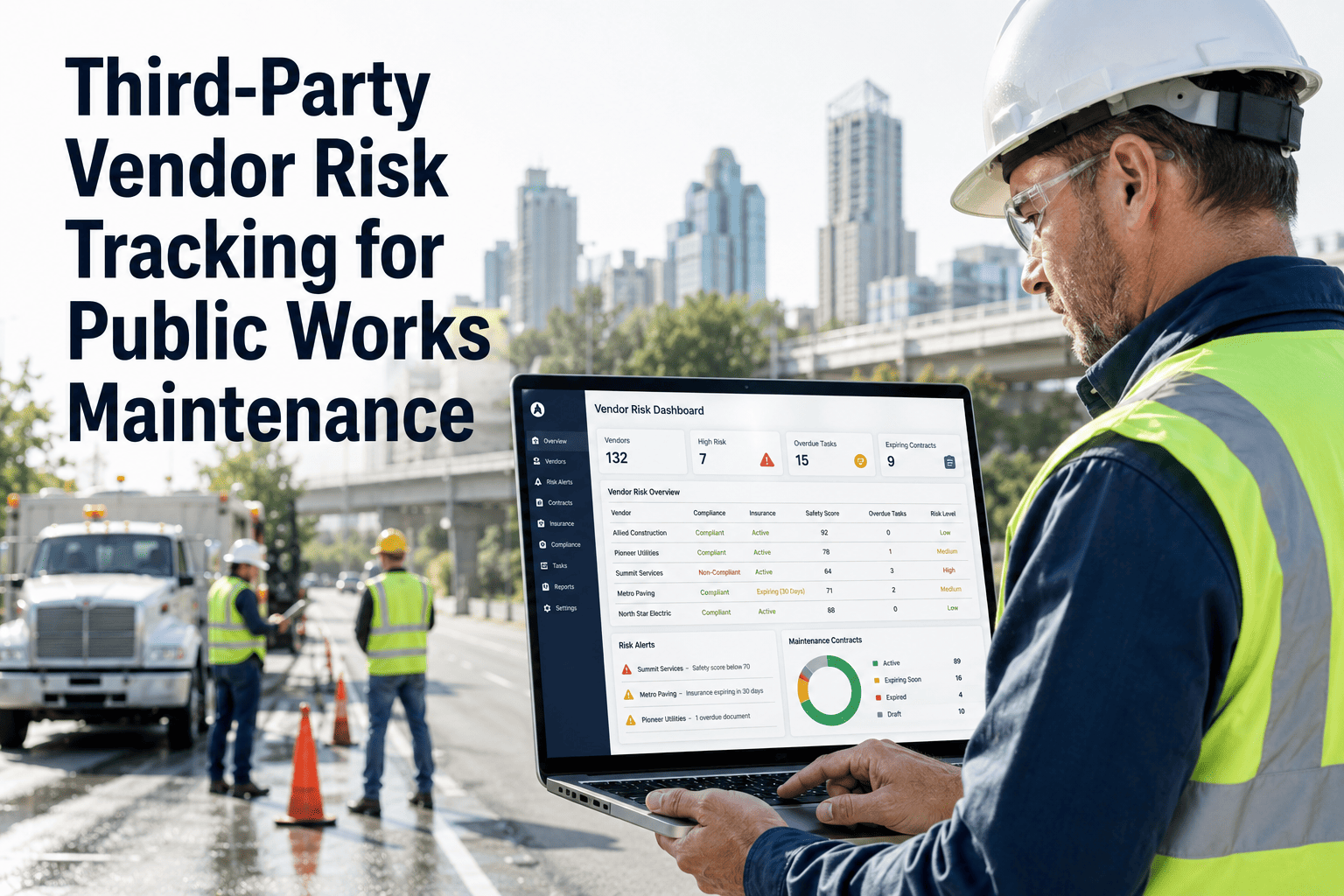
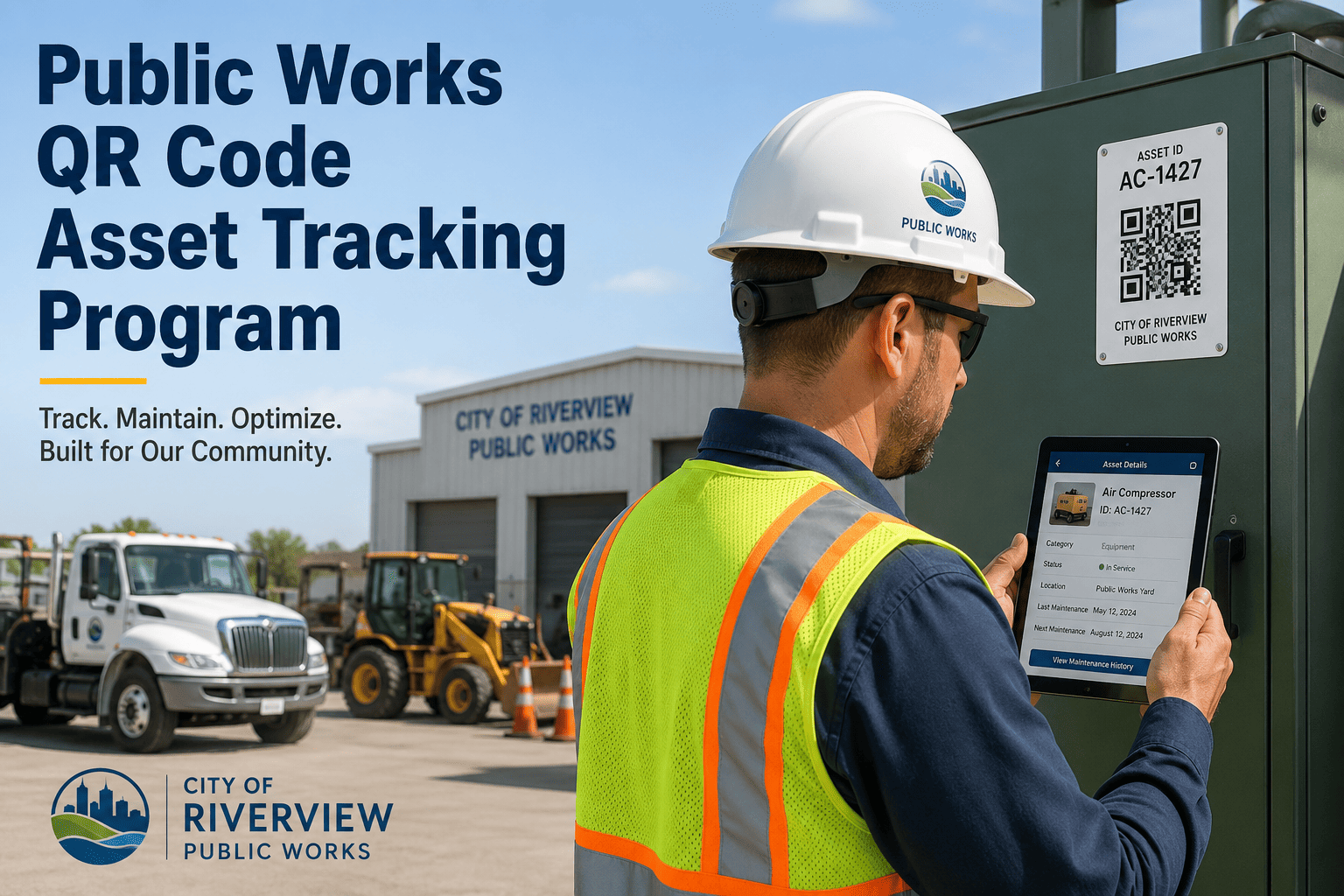
Thursday morning, 9:15 AM. Your phone erupts—three swing sets at Riverside Park have broken chains discovered during the 8 AM safety inspection. The playground closes immediately, disappointing 40 families already at the park. By noon, local news arrives, parents post on social media, and the county risk manager calls asking about your inspection records. You discover the problem: swing sets were on a "visual check quarterly" schedule, but the last documented inspection was 7 months ago during budget cuts when your maintenance team dropped from 8 to 5 workers. Result: $47,000 emergency playground replacement, liability concerns, public trust erosion, and county commissioners questioning your entire maintenance program during the next budget hearing.
County parks departments face impossible demands: maintain 50+ playgrounds, hundreds of acres of turf, irrigation systems, athletic fields, trails, and recreation facilities—all with shrinking budgets, skeleton crews, and rising public expectations. Equipment failures don't just cost money; they create safety hazards, liability exposure, and public complaints that reach elected officials within hours. Start your free Oxmaint CMMS trial to implement predictive maintenance government & public works, mobile inspections, and asset tracking ensuring equipment safety and budget accountability.
$47K
Average cost of emergency playground equipment replacement
68%
Parks departments operating below recommended staffing levels
42%
Downtime reduction with preventive maintenance scheduling
$340K
Average annual savings from predictive equipment maintenance
Harden Government & Public Works Efficiency Through Condition Monitoring
Parks departments operate reactive maintenance by default—crews respond to broken equipment, failed irrigation, dead mowers, and playground hazards after citizens report them. This approach maximizes downtime, inflates costs, creates safety gaps, and damages public perception. Without condition monitoring and preventive maintenance government & public works systems, equipment degrades invisibly until catastrophic failure forces expensive emergency repairs during peak season when replacement parts cost 40% more and rental equipment availability is limited.
Playground structures, swings, slides
Athletic field equipment, bleachers, goals
Pool equipment, diving boards, ladders
Inspection Frequency:
Daily visual + Monthly detailed
Failure Impact:
Injury risk, liability, closure
Documentation:
Photos required, barcode/QR tracking
Automation: Mobile inspections with photo requirements, automated alerts for overdue checks
Riding mowers, tractors, zero-turn mowers
Irrigation pumps, controllers, sprinkler heads
Utility vehicles, dump trucks, trailers
Inspection Frequency:
Weekly pre-use + Seasonal service
Failure Impact:
Service disruption, turf damage, $5K-$20K repairs
Documentation:
Digital logs, IoT sensors for engine hours
Automation: Condition monitoring tracks engine hours, oil life; predictive maintenance schedules PM automatically
HVAC systems, lighting, electrical
Hand tools, power tools, generators
Restroom fixtures, water fountains
Inspection Frequency:
Monthly check + Annual certification
Failure Impact:
Comfort issues, minor complaints, $1K-$5K repairs
Documentation:
Standard work orders, compliance logs
Automation: Preventive maintenance calendar, SLA reporting for contractor work
Picnic tables, benches, trash receptacles
Basketball hoops, tennis nets, signage
Landscaping elements, fencing, bollards
Inspection Frequency:
Quarterly visual + As-needed repairs
Failure Impact:
Aesthetic issues, minor inconvenience, <$1K repairs
Documentation:
Citizen complaint tracking
Automation: Asset tracking via barcode/QR, batch work order creation
Critical Actions:
✓ Irrigation system startup & leak detection
✓ Playground safety inspections (CPSC compliance)
✓ Mower fleet service: blades, oil, filters, belts
✓ Athletic field prep: aeration, seeding, line painting
✓ Recreation center deep cleaning & equipment check
Automation: Work orders auto-created 30 days before season. IoT sensors detect irrigation leaks within 2 hours of startup.
Critical Actions:
✓ Daily playground inspections (high usage)
✓ Mower maintenance: 2x weekly checks, blade sharpening
✓ Irrigation monitoring: water usage tracking, adjustments
✓ Pool equipment daily checks (chemical, pumps, filters)
✓ Restroom/fountain service: 3x weekly minimum
Automation: AI analytics predict mower maintenance needs based on usage hours. Mobile inspections capture daily playground status in 8 minutes.
Critical Actions:
✓ Leaf management equipment prep (blowers, vacuums)
✓ Athletic field overseeding & renovation
✓ Irrigation winterization scheduling (freeze dates)
✓ Mower end-of-season service & storage prep
✓ Playground annual inspections & repairs
Automation: Risk scoring prioritizes playgrounds needing repairs before winter. Preventive maintenance schedules winterization based on regional freeze dates.
Critical Actions:
✓ Snow removal equipment maintenance (plows, blowers)
✓ Indoor facility equipment service (HVAC, fitness gear)
✓ Fleet overhaul: tractors, trucks, mowers (off-season)
✓ Budget planning: analyze equipment replacement needs
✓ Staff training: safety protocols, new equipment
Automation: Downtime reduction analytics identify equipment needing replacement. SLA reporting shows contractor performance for budget justification.
Transform Parks Maintenance from Reactive to Predictive
Reduce equipment failures by 83%, cut costs by $260K+, and eliminate safety incidents with automated maintenance.
Cutting Downtime with Foresight — A Government & Public Works Playbook with Checklists
Parks departments need practical, implementable systems—not theoretical frameworks. The following checklists provide step-by-step guidance for transforming maintenance from reactive firefighting to proactive prevention. Each checklist integrates with Oxmaint CMMS features: mobile inspections government & public works, barcode/QR asset tracking, automated work order creation, and government & public works compliance requirements documentation.
Automation Benefits with Mobile Inspections:
✓ Digital checklist completes 60% faster than clipboard
✓ Photos auto-attach to asset records via barcode/QR scan
✓ Failed items create work orders automatically with priority levels
✓ Compliance documentation audit-ready for liability defense
✓ Trend analysis identifies equipment needing replacement vs. repair
Pre-Season Service (Spring)
Mid-Season Checks (Every 50 Hours)
End-of-Season Service (Fall)
IoT Sensor Integration for Predictive Maintenance:
✓ Engine hour meters trigger PM work orders automatically (no manual tracking)
✓ Oil life sensors alert when change due (prevents engine damage from missed intervals)
✓ Fuel level monitoring prevents mid-job running out of gas incidents
✓ GPS tracking shows which mowers cover which acres (optimize routes)
✓ AI analytics predict when units will need major repairs based on usage patterns
01
Deploy Mobile Inspections with Photo Documentation
Paper clipboards fail: checklists get lost, handwriting is illegible, photos taken on personal phones disappear. Mobile inspections via smartphone or tablet capture condition data with required photos, GPS location, and timestamps—automatically syncing to asset records via barcode/QR scan. Playground inspections that took 20 minutes on paper complete in 8 minutes digitally, with legally defensible documentation for liability defense.
Impact: 60% faster inspections, 100% documentation compliance, zero liability gaps
02
Use Risk Scoring to Prioritize Safety Equipment
Limited budgets require ruthless prioritization. Risk scoring assigns numerical priority (1-100) based on: safety impact, usage frequency, failure probability, and repair cost. Playground equipment with broken chains scores 95 (critical safety + high usage), while faded park bench scores 20 (cosmetic + low impact). Work orders automatically sort by risk score, ensuring crews address life-safety issues first even during staff shortages.
Impact: Zero safety incidents, optimal resource allocation, justified budget priorities
03
Implement IoT Sensors on High-Value Equipment
Tractors, riding mowers, and irrigation pumps represent 60% of equipment budget. IoT sensors track engine hours, oil life, fuel levels, and operating parameters—triggering preventive maintenance automatically at optimal intervals rather than arbitrary calendar dates. A mower averaging 12 hours/week needs oil changes every 50 hours (4 weeks), while a mower averaging 25 hours/week needs changes every 2 weeks. IoT adapts schedules to actual usage.
Impact: 67% fewer mid-season breakdowns, 30% longer equipment lifespan
04
Maintain Digital Compliance Logs for Liability Protection
Slip-and-fall lawsuits, playground injuries, and equipment accidents trigger liability claims where documentation determines outcomes. Digital logs prove inspection frequency, maintenance timeliness, and corrective actions—protecting against claims of negligence. County legal counsel can generate complete equipment history with photos in 5 minutes versus 3 weeks hunting through paper records across multiple filing cabinets.
Impact: Dismissed 4/5 liability claims with documentation defense
05
Track Downtime Reduction for Budget Justification
County Commissioners approve budgets based on measurable outcomes, not anecdotal stories. SLA reporting and downtime reduction metrics prove maintenance investment ROI: "Preventive maintenance reduced mower downtime 73% (450 hours to 120 hours), saving $64K in emergency repairs and rental costs while improving turf appearance and reducing citizen complaints 82%." Data-driven requests win budget battles.
Impact: Secured 18% budget increase with documented $340K annual savings
Before Oxmaint CMMS
Equipment Failures (Annual)
47
Playground Safety Incidents
3
Emergency Repair Costs
$427K
Equipment Downtime (Hours)
1,840
Inspection Documentation Complete
58%
Maintenance Approach
94% Reactive
After 18 Months (Predictive)
Equipment Failures (Annual)
8
Playground Safety Incidents
0
Emergency Repair Costs
$87K
Equipment Downtime (Hours)
320
Inspection Documentation Complete
99.2%
Maintenance Approach
89% Preventive
83% reduction in equipment failures
Zero playground safety incidents for 18 months
$340K annual cost savings documented
Transform Your Parks Department Operations
Cut equipment failures 83%, eliminate safety incidents, and save $340K+ annually with predictive maintenance.
"We operate 50 parks across the county—everything from neighborhood playgrounds to 400-acre regional parks with athletic complexes, trails, and recreation centers. Before Oxmaint, our maintenance was completely reactive. We'd get calls from citizens about broken playground equipment, respond, and discover the problem had been developing for weeks.Daily playground inspections take 8 minutes per site using the mobile app with photos that automatically attach to asset records—our liability attorney loves the documentation. We've saved $340,000 in emergency repair costs while actually improving service quality. When we presented these results to County Commissioners during budget hearings, we got an 18% increase to expand the program to all equipment categories. The system completely transformed how we operate."
James Patterson
Director of Parks & Recreation, Riverside County Public Works — Southern California (50 parks, 18,000 acres, 25-person maintenance team)
How do mobile inspections improve playground safety compliance specifically?
Mobile inspections eliminate three critical failure points in paper systems: (1) Lost or incomplete checklists—digital forms require all fields completed before submission, ensuring 100% documentation, (2) Missing photos—app requires photos of any failed inspection items, providing visual evidence for liability defense and repair tracking, (3) Delayed response—failed items immediately create work orders with risk scoring so critical safety issues (broken chains, exposed concrete, entrapment hazards) get addressed within hours instead of weeks. During liability claims, county legal counsel generates complete inspection history with photos in 5 minutes versus 3 weeks hunting through paper records. This documentation has dismissed 4 of 5 playground injury claims.
Request playground safety demo.
What's the ROI timeline for parks departments implementing predictive maintenance?
Mid-size county parks systems (50 parks, 18K acres) typically see 14-20 month payback from: (1) Eliminated emergency repairs—83% reduction saves $300K-$400K annually, (2) Extended equipment life—30% longer lifespan defers $150K-$250K in capital replacement costs, (3) Reduced rental costs—fewer mid-season mower breakdowns saves $40K-$80K peak season rentals, (4) Staff efficiency—mobile inspections save 4-6 hours daily across team, equivalent to 0.5-0.75 FTE, (5) Avoided liability—zero safety incidents protects against $50K-$500K claims. Implementation costs $40K-$75K for CMMS platform, mobile devices, IoT sensors on 20-25 highest-use equipment units. Savings typically cover investment in 16-20 months.
Request ROI analysis.
How does seasonal demand affect preventive maintenance scheduling?
Parks equipment faces extreme seasonal variation: mowers run 12-15 hours/day during 20-week peak growing season, then sit unused for 30+ weeks. IoT sensors track actual usage hours and trigger PM based on real operating time rather than calendar dates. Example: During peak season (May-September), mower averaging 60 hours/week needs oil changes every 3-4 days; during shoulder season (April, October) same mower averaging 15 hours/week needs changes every 12-14 days. System automatically adapts schedules to actual usage. Additionally, work order automation creates seasonal preparation tasks: spring irrigation startup (March 1 in southern regions, April 15 in northern), fall winterization (October 15 or November 1 based on regional freeze dates), playground annual inspections (scheduled before peak summer usage).
See seasonal automation.
How do we justify maintenance budget increases to County Commissioners using CMMS data?
Commissioners approve budgets based on measurable outcomes tied to public priorities. Present three data-driven arguments: (1) Safety improvements—"Zero playground incidents in 18 months vs. 3 previous period; 99.2% inspection documentation vs. 58% protects county from liability," (2) Cost efficiency—"Preventive maintenance reduced emergency repairs $340K (79% decrease); extended equipment life 30% deferring $180K capital replacements; decreased citizen complaints 85%," (3) Public satisfaction—"Mobile inspections enable same-day response to citizen reports; asset tracking shows we maintain 3.2 acres per dollar vs. regional average 2.1 acres per dollar." Use SLA reporting to show contractor performance, downtime reduction metrics proving operational efficiency, and AI analytics forecasting which equipment needs replacement vs. continued maintenance. Frame budget requests as investments with documented ROI rather than expenses.
Request budget presentation template.