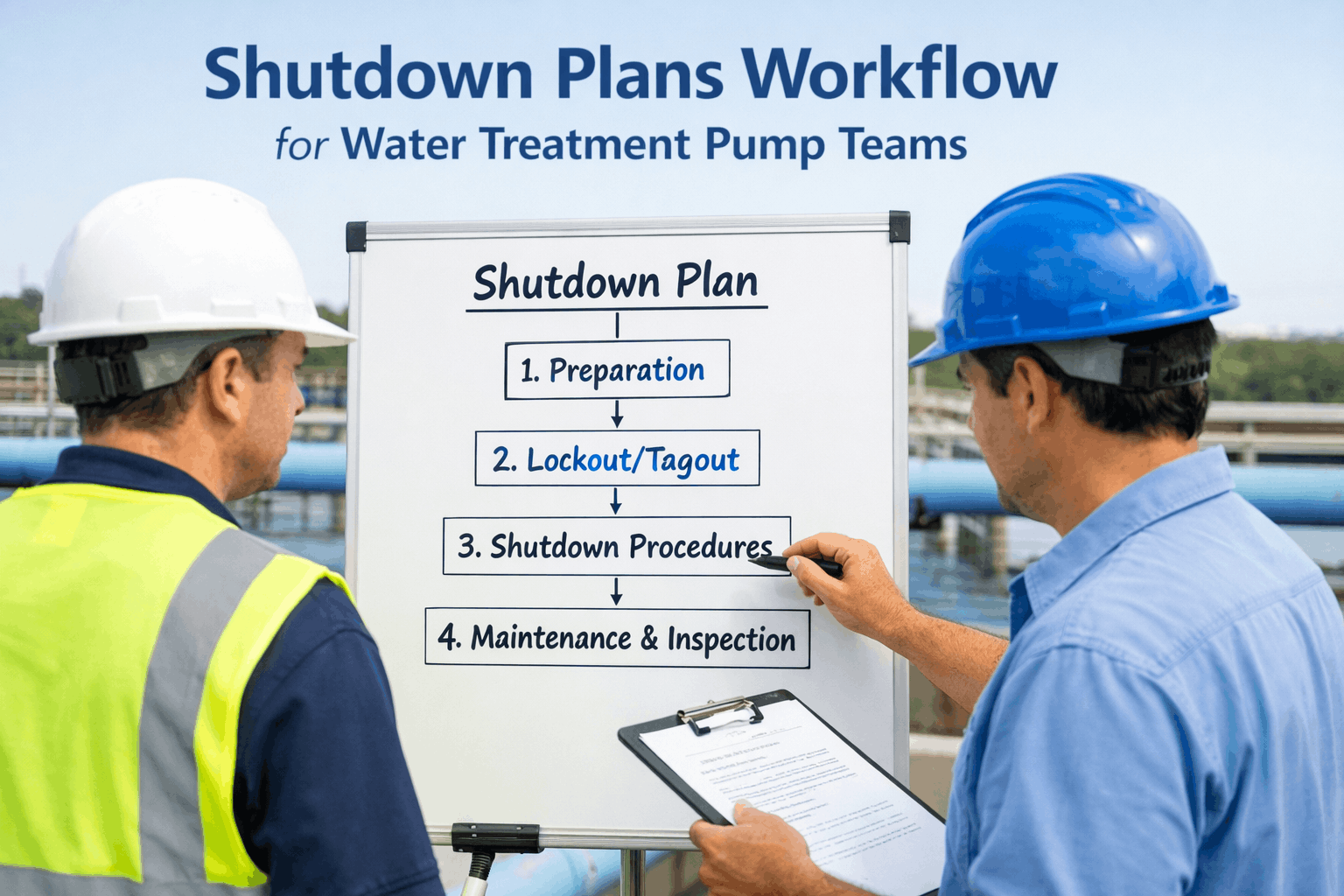
When High Service Pump #2 fails at 5:30 AM during peak morning demand, the problem isn't just mechanical—it's a cascade of pressure drops, potential boil-water advisories, and regulatory fines that compound by the minute. The distribution system that flowed smoothly yesterday now triggers low-pressure alarms across the SCADA network. Your operations team scrambles to diagnose whether it's a VFD fault, a seized bearing, or a simple power phase issue. This reactive chaos is exactly what IoT-integrated PM workflows are designed to eliminate.
The global water and wastewater treatment market tells a compelling story: utilities seeking smarter efficiency are driving the industry from $301 billion in 2022 toward $489 billion by 2029. Within this infrastructure, pumping systems account for nearly 40% of industrial energy usage. Yet despite this operational cost, reactive maintenance on pumps still costs utilities billions annually in emergency overtime, premature asset replacement, and energy inefficiency. The gap between installing efficient pumps and maintaining them effectively represents a massive opportunity—Start Free Trial to learn how top utilities are closing it.
Harden treatment reliability with connected sensors
IoT sensors transform pump maintenance from reactive firefighting into predictive intelligence. Rather than waiting for a mechanical seal to fail completely, connected sensors monitor vibration signatures, discharge pressures, and motor winding temperatures in real-time—flagging cavitation or misalignment weeks before catastrophic failure. This shift from "fix when dry" to "maintain before failure" is what separates resilient water authorities from those constantly battling outages.
The key insight driving smart water management is that connected systems don't just collect data; they create actionable maintenance tasks. When your high-service pump's vibration trends into the "alert" zone over three days, your CMMS automatically schedules an alignment check before the shaft shears. When discharge pressure fluctuates abnormally, the system flags potential impeller wear while the pump still moves water. This is the difference between consistent pressure and boil notices—book a demo to see it in action.
Building a resilient backbone — a pump maintenance playbook with AI
Implementing IoT-integrated maintenance isn't about monitoring every sump pump—it's about strategic deployment that maximizes system reliability. The following framework prioritizes the assets most likely to cause regulatory violations or service interruptions when they fail, then layers in predictive analytics that transform raw SCADA data into maintenance decisions.
The Maintenance Frequency Framework
Water treatment pumps require layered maintenance intervals—from daily operator rounds to annual hydraulic efficiency tests. IoT integration doesn't eliminate the need for operator eyes on equipment; it ensures that when maintenance teams arrive, they're focused on specific issues identified by data. Utilities report unplanned downtime dropping by 40%—Start Free Trial.
Measuring What Matters: KPIs for Pumping Systems
SCADA data without context is just noise. Pumping systems generate massive amounts of data, but plant managers need focused metrics that indicate asset health, efficiency, and reliability. The following KPIs form the foundation of an effective water treatment pump maintenance program—schedule a demo to see how Oxmaint tracks them automatically.
Expert Review: The Case for Smart Pumping
Reliability in water treatment is non-negotiable. We cannot afford to lose a high-service pump during peak demand. The shift to vibration and temperature monitoring allows us to see problems developing months in advance. We no longer tear down pumps 'just because' the calendar says so; we do it when the data tells us the bearings are degrading. This approach has saved us significant budget on unnecessary overhauls while virtually eliminating emergency call-outs.
The financial case for IoT-integrated pump maintenance extends beyond avoiding repairs. Utilities that implement rigorous PM schedules protect public health, ensure fire protection pressure, and reduce massive energy bills. When a pump fails unexpectedly, the cost isn't just the repair—it's the potential regulatory fines, the overtime labor, and the public trust. Start Free Trial to secure your infrastructure.
Conclusion: From Reactive to Resilient
The lift station that overflows during a storm and the booster pump that cavitates unnoticed share a common cause: lack of visibility into asset health. IoT integration doesn't replace the operator—it equips them with X-ray vision. When sensors monitor vibration, pressure, and amperage continuously, your CMMS becomes a predictive engine that schedules interventions before service is interrupted.
Water treatment plants that embrace connected maintenance achieve the trifecta of utility management: regulatory compliance, energy efficiency, and unshakeable reliability. The technology exists. The ROI is proven. The only question is whether your plant will continue to react to alarms or start predicting them to ensure uninterrupted water service.