When a courthouse HVAC system fails during jury selection, or a library roof leak threatens a historical archive, the impact goes beyond inconvenience. Public services are disrupted, taxpayer assets are damaged, and community trust erodes. For facility directors managing diverse portfolios—from aging city halls to modern recreation centers—the challenge isn't just fixing what breaks; it's extending the life of public assets while operating under strict budget constraints and public scrutiny.
The public facility landscape is shifting. Deferred maintenance backlogs, energyefficiency mandates, and smart building integration are forcing departments to modernize. By 2026, data-driven facility management is expected to be the standard for public agencies, yet many departments still rely on paper work orders, institutional knowledge, and reactive maintenance cycles that drain capital budgets.
For public works directors, the path to sustainability requires a strategic shift from "complaint-based maintenance" to "condition-based stewardship." This comprehensive guide provides the actionable framework your agency needs to build a resilient, efficient facility operation. Discover how digital facility workflows transform public services.
Understanding Critical Facility Asset Categories
Effective facility operations begin with precise categorization of assets based on their service criticality and public impact. A community center pool pump operates under different demands than a police station generator, and applying a uniform maintenance strategy leads to wasted resources and critical failures.
Public facility teams must segment their portfolio to align maintenance intervals, compliance checks, and capital planning with the specific demands of each building system. Failing to do so results in budget leakage on low-priority cosmetic issues while high-value mechanical systems deteriorate.
Public Safety & Essential
- Police & Fire Stations
- 911 Call Centers
- Emergency Operations Centers
- Server Rooms/Data Centers
Community Services
- Libraries & Rec Centers
- City Hall & Courthouses
- Public Transit Hubs
- Senior Centers
Administrative & Storage
- Maintenance Depots
- Warehouses
- Administrative Annexes
- Parking Structures
Parks & Grounds
- Park Pavilions
- Sports Fields Lighting
- Irrigation Systems
- Public Restrooms (Seasonal)
The Complete Facility Maintenance Workflow Checklist
Building a resilient facility management program requires systematic attention to preventive maintenance, work order management, vendor coordination, and capital planning. This checklist covers the critical elements public facility directors must address to ensure building health and fiscal responsibility. Schedule a walkthrough of digital facility workflow implementation.
Preventive Maintenance (PM) Management
Trigger maintenance events based on manufacturer recommendations and seasonal requirements to prevent equipment degradation
Define specific inspection points for HVAC, electrical, and plumbing systems to ensure consistent service quality across all buildings
Flag warrantable repairs automatically during work order creation to recover costs from contractors and manufacturers
Automate reminders for fire safety inspections, elevator certifications, and boiler permits to avoid regulatory fines
Schedule filter changes and coil cleanings to maintain HVAC efficiency and reduce utility expenditures
Work Order & Request Management
Provide a simple web/mobile portal for staff to submit maintenance requests, reducing phone calls and sticky notes
Configure workflows to instantly route requests to the correct trade (plumber, electrician) or zone supervisor
Require "before and after" photos for completed work orders to verify quality and document asset condition
Monitor response times against service level agreements to ensure critical issues are addressed promptly
Empower technicians with mobile access to work orders, asset history, and manuals to increase wrench time
Vendor & Inventory Management
Allow vendors to receive work orders, upload invoices, and update status directly in the system for better oversight
Track critical spares (filters, bulbs, valves) to prevent delays and monitor usage trends across facilities
Track contractor response times and fix rates to inform future contract awards and renewals
Automate alerts for expiring vendor insurance to mitigate liability risk
Link work orders to purchase requests to track total cost of maintenance per asset and building
Capital Planning & Asset Lifecycle
Maintain live condition data on all major systems to forecast remaining useful life and replacement needs
Generate 5-10 year capital budget reports based on asset age, condition, and maintenance history
Track all costs (energy, repairs, PMs) to determine the optimal time for equipment replacement
Quantify the risk and potential cost of deferring maintenance to support budget requests
Utilize QR codes on equipment to provide technicians with instant access to history and specs in the field
Safety & Compliance
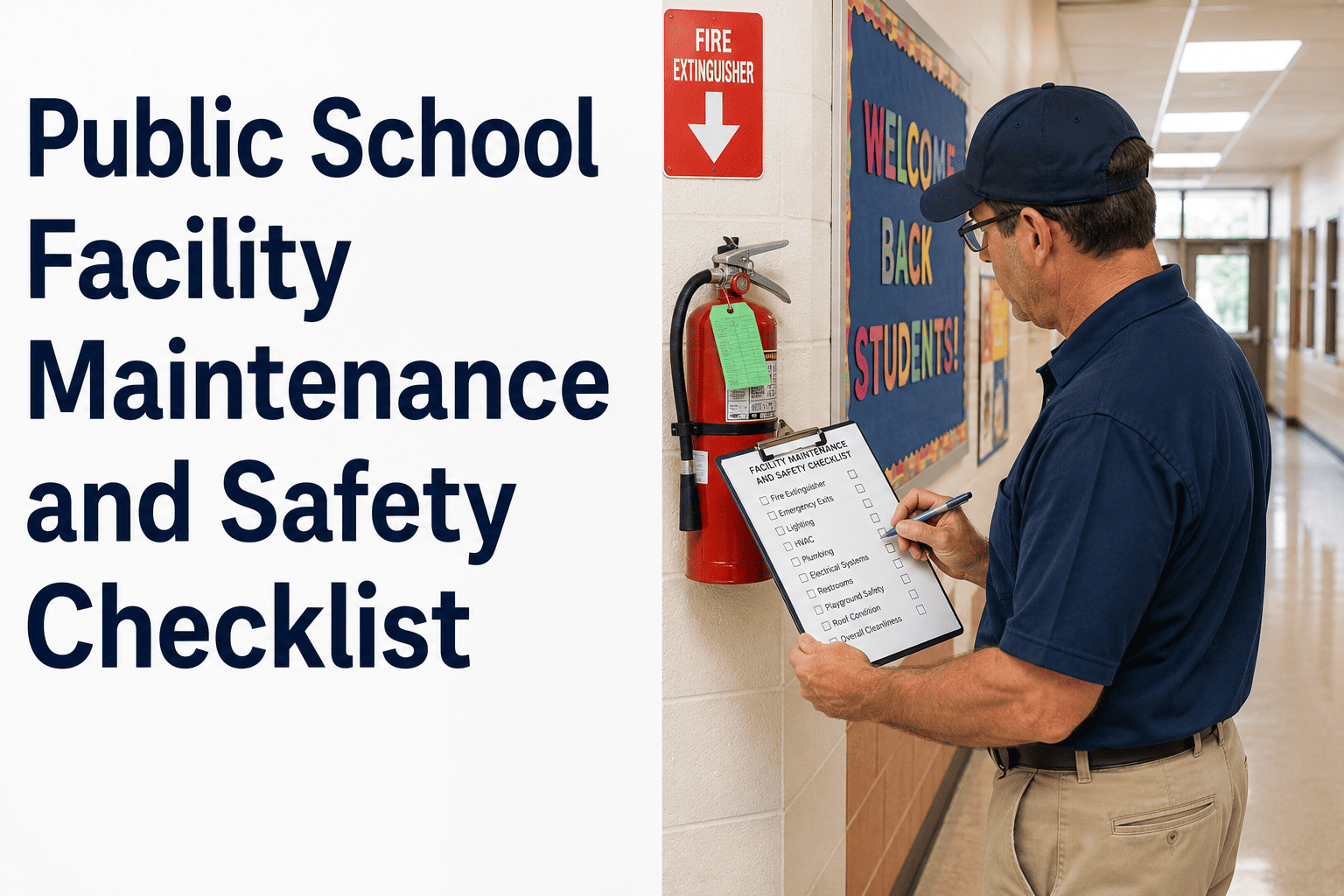
Digitize logs for fire extinguishers, exit signs, AEDs, and emergency lighting to ensure code compliance
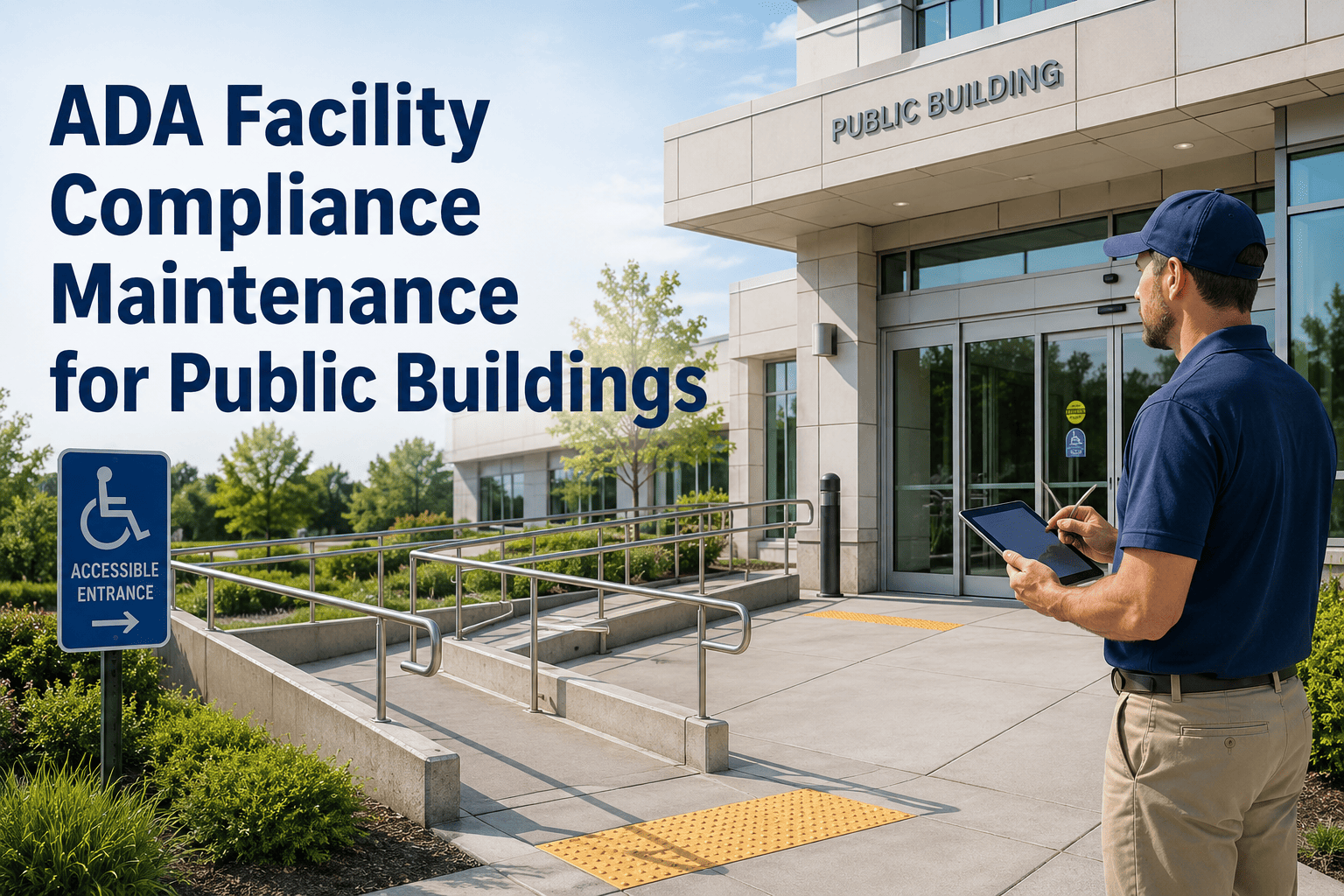
Document accessibility inspections and remediation efforts to mitigate legal liability
Track asbestos, lead, and chemical storage locations and abatement history
Log filter changes and ventilation checks to ensure healthy environments for public and staff
Link safety incidents or near-misses to specific assets or locations for root cause analysis
Integrated Facility Management Architecture
Modern facility management relies on a connected ecosystem where data flows seamlessly between buildings, occupants, technicians, and management. When a pipe bursts, it triggers a chain reaction: emergency work order, vendor dispatch, occupant notification, and eventual repair verification. This integration eliminates the silos of paper processes where requests are ignored and damage spreads.
The integration between BMS (Building Management Systems) and CMMS enables "smart" maintenance. Instead of waiting for a room to get hot and a complaint to be filed, the system sees the temperature spike remotely and schedules an HVAC tech, often resolving the issue before occupants notice. Explore smart building integration capabilities.
Key Performance Indicators for Facility Excellence
You cannot improve what you do not measure. Effective facility operations require tracking KPIs that reveal the true condition of the portfolio and the efficiency of the maintenance team. These metrics should be visible on real-time dashboards for supervisors and compiled into executive reports for city councils or boards.
Ratio of deferred maintenance cost to current replacement value. The standard metric for building health and capital planning.
Percentage of preventive maintenance tasks completed on time. High compliance prevents emergency repairs and extends asset life.
Total maintenance and operations cost normalized by building area. Essential for comparing efficiency across different facilities.
Ratio of unplanned emergency work to planned preventive work. A world-class operation is 80% proactive.
Average time from request submission to completion. Measures responsiveness and customer service to building occupants.
Amount of approved work waiting to be done. Too low means overstaffing; too high means service degradation.
Regulatory Compliance and Risk Mitigation
Public facilities operate under a microscope of public accountability and safety regulations. From fire codes to ADA accessibility, digital record-keeping is the only defense against liability claims and regulatory fines. Request a facility compliance assessment.
Industry Perspective on Public Facility Modernization
The days of the basement boiler room clipboard are over. Modern public facilities are complex, integrated systems that require sophisticated management. The most successful agencies are those that treat facility data as a strategic asset—using it to defend budgets, predict failures, and prove stewardship to taxpayers.
We are seeing a massive shift towards 'smart maintenance' in the public sector, where IoT sensors and mobile apps replace manual rounds. This isn't just about technology; it's about empowering the workforce. When a technician has the building's history in their pocket, they solve problems faster and correctly the first time.
The integration of capital planning with daily maintenance is the next frontier. Agencies that can draw a direct line from a missed PM to a premature capital replacement request are the ones winning funding battles. Digitization provides that evidence.
Conclusion: Stewardship Through Innovation
Public building facility maintenance is about more than fixing lights and patching roofs. It is about stewardship—preserving the community's assets, ensuring safe environments for public services, and demonstrating fiscal responsibility. With infrastructure aging and budgets under pressure, the efficiency gains from digital transformation are not just desirable—they are essential.
Effective facility operations require a holistic approach: proactive preventive maintenance to reduce emergencies, rigorous data collection to inform capital planning, and streamlined workflows to maximize staff productivity. The tools to achieve this—integrated CMMS, IoT, and mobile apps—are now accessible to agencies of all sizes.
By moving from reactive firefighting to predictive stewardship, facility directors can deliver better buildings, improved safety, and transparent fiscal accountability. The result is a facility portfolio that serves the community reliably, and an operation that stands up to the scrutiny of any budget review.
The future of public facility management is connected, data-driven, and efficient. Agencies that embrace these principles today will define the standard for public service tomorrow. Begin building your connected facility system today.
Frequently Asked Questions
How does a CMMS help with capital budget planning?
A CMMS tracks the full history of every asset, including installation date, repair costs, and downtime. By analyzing this data against expected lifecycles, the system helps calculate the Facility Condition Index (FCI) and predict when systems will need replacement. This allows you to present data-backed 5-year capital plans to finance committees, justifying requests with evidence of escalating maintenance costs and risk of failure.
Can Oxmaint work for a diverse portfolio (e.g., pools, offices, parks)?
Yes. Oxmaint is designed to handle diverse asset types within a single platform. You can create custom asset categories (e.g., "HVAC," "Aquatics," "Fleet," "Grounds") each with their own specific preventive maintenance checklists and data fields. This allows a single department to manage a city hall boiler, a community pool pump, and a parks irrigation system all in one place.
How does the system handle facility requests from non-technical staff?
Oxmaint offers a simplified Request Portal that can be accessed via a web link or QR codes placed in rooms. Staff (like librarians or clerks) can scan a code or click a link to submit a request (e.g., "Too hot," "Light out") without needing a user account. They receive automated email updates on the status, reducing the need for them to call the maintenance desk for updates.
Is it difficult to migrate from paper/spreadsheets to a digital system?
Migration is a structured process. We recommend starting with a critical asset audit to build your digital registry. Oxmaint offers bulk import tools to upload existing spreadsheet data. Training is typically quick, especially for the mobile app, which is designed to be intuitive for field technicians. Most departments can go live within weeks, starting with high-priority buildings and expanding from there.
How secure is the data for government buildings?
Security is paramount. Oxmaint utilizes enterprise-grade encryption, secure cloud hosting (AWS), and robust role-based access controls. You can control exactly who sees what data, ensuring sensitive security system information is restricted to authorized personnel only. Regular backups and high-availability architecture ensure your data is safe and accessible when you need it.