Public Transit Maintenance Robots: Rail, Bus Depot & Station Automation 2026
By Taylor on February 17, 2026
In February 2025, a major East Coast transit authority's morning rush hour descended into chaos when three escalators at its busiest downtown station seized simultaneously. Over 40,000 commuters were forced to funnel through a single working escalator and two narrow staircases, creating dangerous overcrowding that delayed trains system-wide for nearly two hours. The post-incident investigation revealed a painfully simple cause: the escalator drive chain lubrication schedule had been missed for seven consecutive months because the maintenance team was tracking tasks on whiteboards that were erased during a depot renovation. Meanwhile, two rail track inspection robots sat idle in a maintenance bay — fully operational but never dispatched because nobody had integrated their inspection schedules with the agency's existing track maintenance calendar.
Public transit agencies are investing heavily in robotic systems — rail track inspection crawlers, bus undercarriage scanners, station platform cleaning robots, and escalator monitoring drones — but most are deploying these technologies without connecting them to the maintenance workflows that govern buses, trains, and station infrastructure. The result is two parallel maintenance universes: one for robots and one for everything else. Oxmaint CMMS bridges this gap by providing transit maintenance managers with integrated robot and vehicle maintenance workflows, coordinating robotic tasks with transit schedules to minimise service disruptions during peak commute hours. Start your free trial today.
Transit Robotics 2026
The State of Robotic Maintenance in Public Transit
70%
of transit agencies report robotic maintenance systems operate disconnected from vehicle and infrastructure workflows
45%
of station escalator and elevator failures are caused by missed preventive maintenance that robots could have detected
80%
reduction in track defect response time when robotic inspection data feeds directly into CMMS work order generation
Modern transit systems demand maintenance operations that are faster, safer, and less disruptive than traditional manual methods. Robots can inspect rail tracks at 3AM, scan bus undercarriages between depot shifts, clean station platforms during revenue service gaps, and monitor escalator health continuously — but only if their activities are orchestrated alongside the transit agency's existing maintenance programmes through an integrated CMMS.
The Robotic Transit Maintenance Lifecycle
Deploying robots in transit environments follows a structured lifecycle. Each phase — from planning robotic integration to continuous optimisation — requires coordination between operations, maintenance, and technology teams. Treating robots as standalone gadgets rather than integrated maintenance assets creates the same silos that undermined manual processes.
CMMS-Integrated Robotic Maintenance Framework
From robot deployment to autonomous transit maintenance
01
Assessment & Integration Planning
Map existing maintenance gaps, identify robotic use cases for rail, bus, and station assets, define CMMS integration requirements
02
Robot Deployment & CMMS Onboarding
Register robots as CMMS assets, configure inspection routes synced to transit schedules, establish data pipelines for findings
03
Coordinated Execution
Robots inspect during off-peak windows, findings auto-generate work orders, technicians execute repairs before revenue service resumes
04
Optimisation & Scaling
Analyse defect trends, refine robot patrol routes, expand coverage to additional lines and stations, improve prediction accuracy
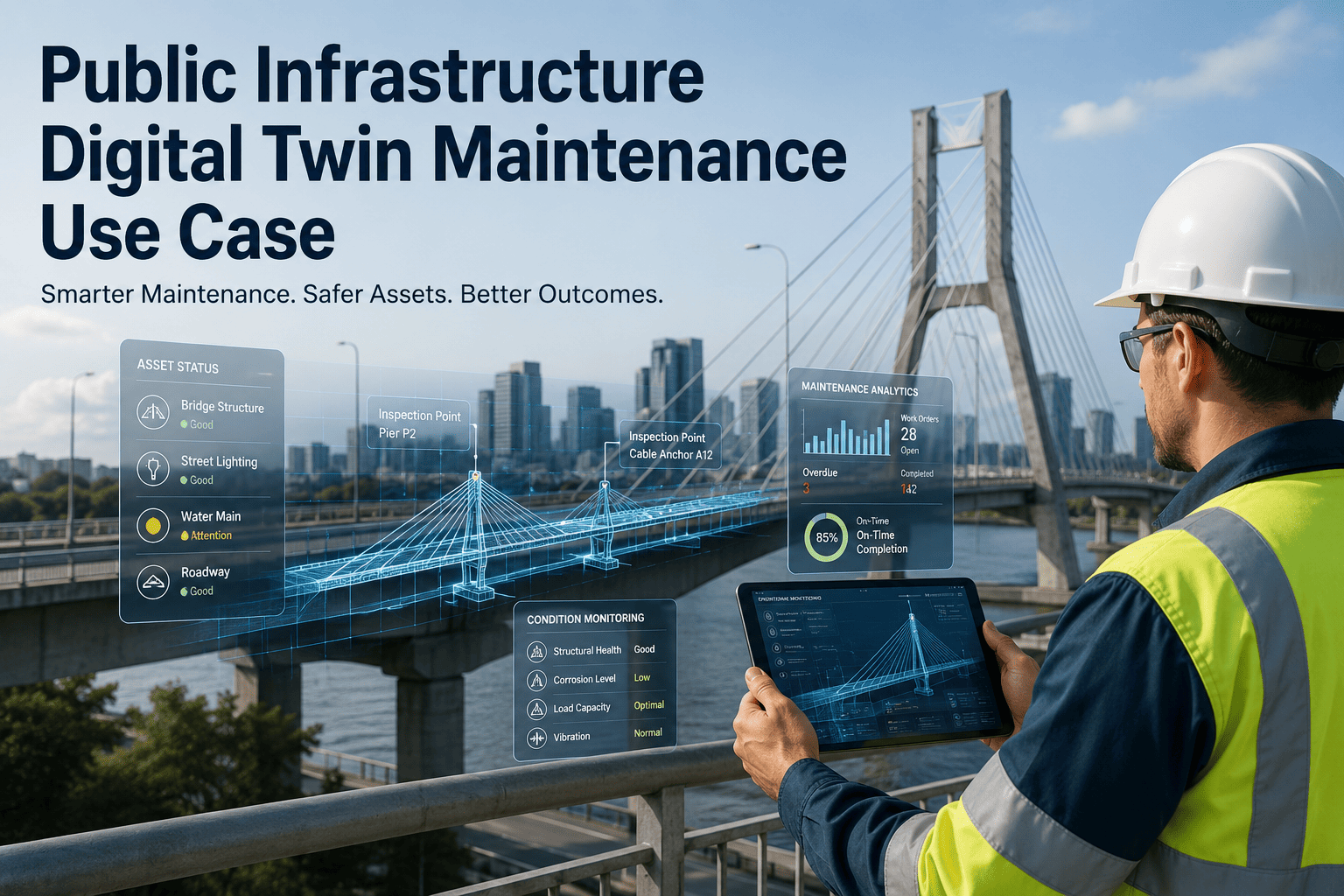
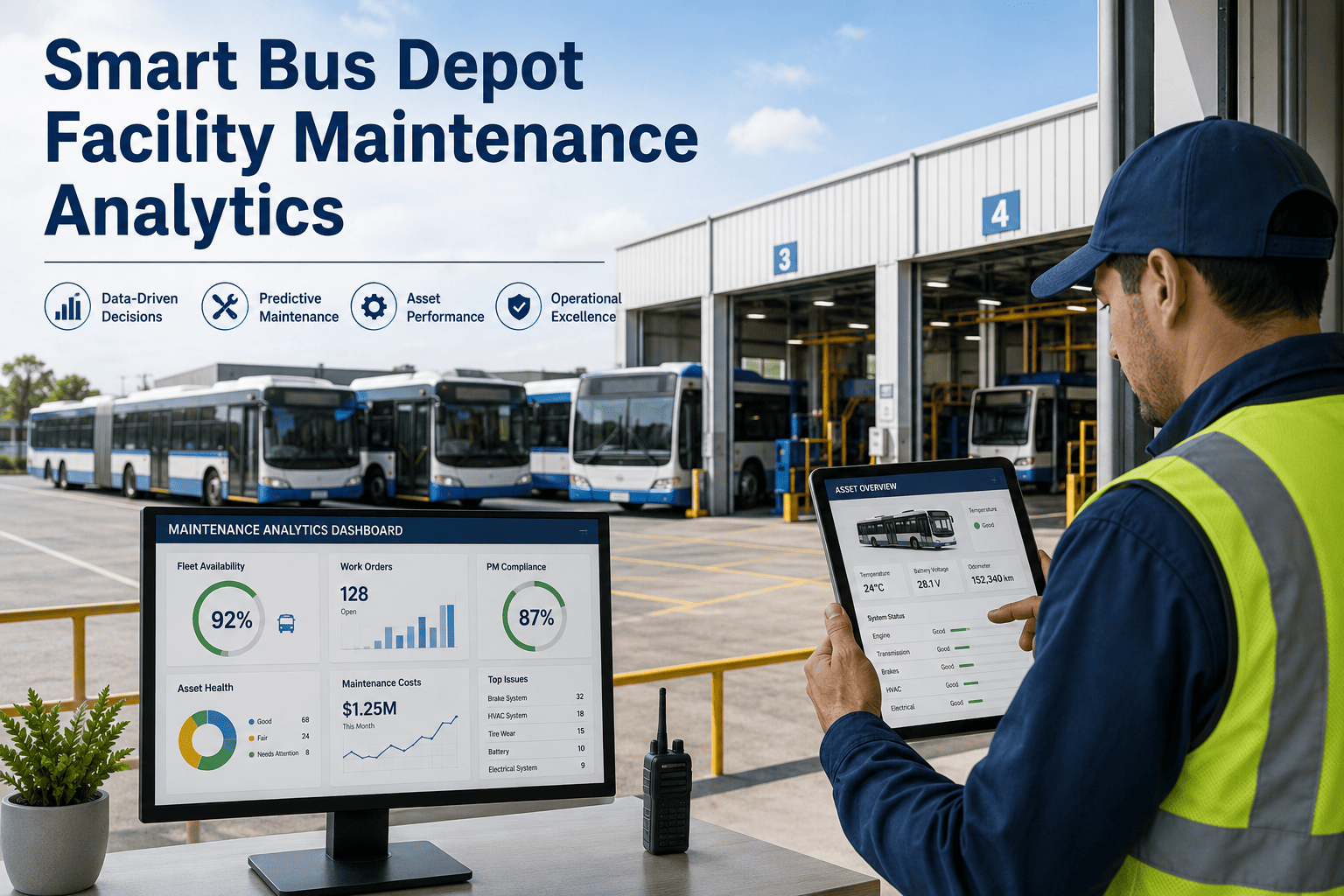
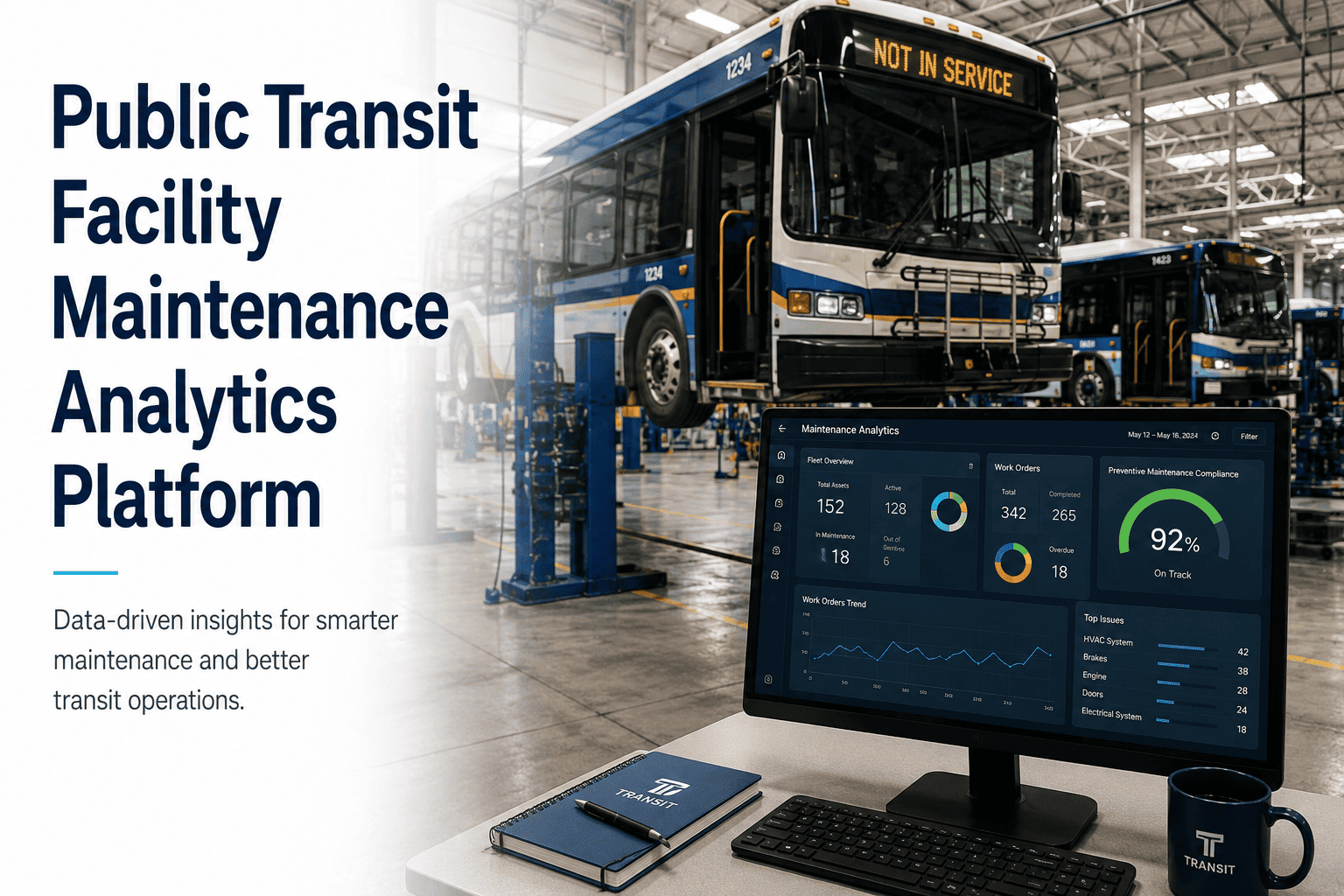
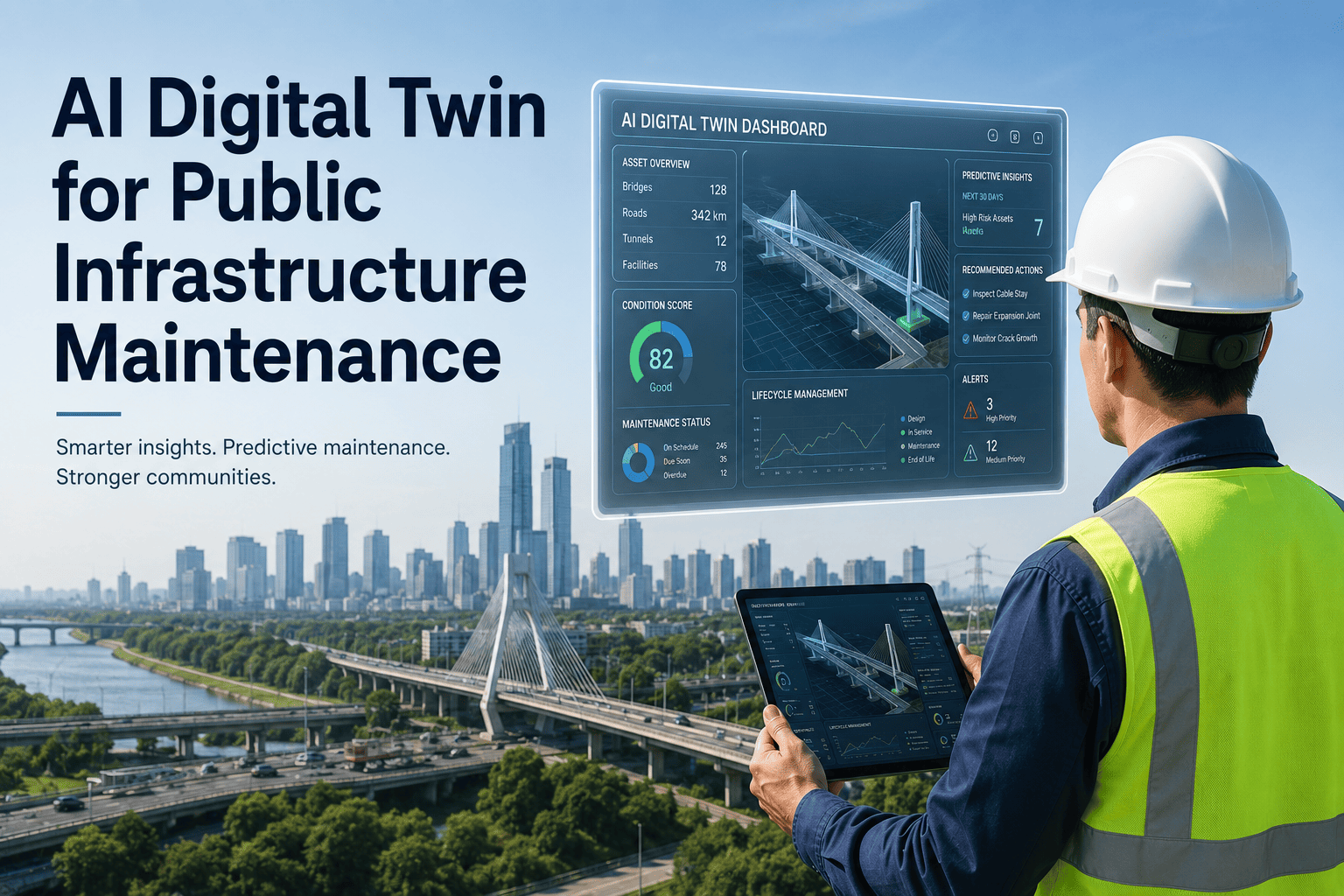
Implementing a unified CMMS that manages both robotic systems and traditional transit assets allows maintenance teams to see one consolidated view of fleet health — buses, trains, escalators, and the robots that inspect them. Automated workflows ensure that a rail defect discovered by a track robot at 2AM becomes a prioritised work order before the first morning train rolls. Book a Demo.
Manual vs. Robotic Transit Maintenance
Transit agencies face a clear choice: continue relying on manual inspection methods with inherent safety risks and scheduling constraints, or integrate robotic systems that can operate in dangerous environments during off-peak hours. The operational and financial differences are significant — but the real value emerges only when robotic data flows into an integrated CMMS.
Traditional Manual vs. CMMS-Integrated Robotic Maintenance
M
Manual Inspection Methods
Track walkers limited to 3-4 mph visual inspection speed
Bus undercarriage checks require pit access and 45+ min per vehicle
Escalator inspections need revenue service shutdowns
Inspector safety risks in tunnels, elevated structures, live track areas
Limited to daylight hours or planned service outages
Slow, Risky & Disconnected
R
CMMS-Integrated Robotic Systems
Track robots inspect at 15+ mph with LiDAR, ultrasonic, and visual sensors
Drive-over scanners check bus undercarriages in under 90 seconds
Escalator sensors monitor continuously without service interruption
Robots operate in confined spaces, tunnels, and elevated areas safely
Findings auto-generate CMMS work orders in real time
AI-consistent defect classification with photographic evidence
Operates during off-peak windows coordinated via transit schedule sync
Fast, Safe & Integrated
The key differentiator is not the robot itself — it's how robotic findings are connected to maintenance action. Without CMMS integration, a track robot's defect report sits in a separate system until someone manually reviews it. With integration, the same defect triggers an automatic, prioritised work order before the next revenue service window.
CMMS-Integrated Robotic Maintenance Impact
Measured improvements from transit agencies with integrated robot + CMMS workflows
4x
Faster Track Inspection
Robot vs. Manual Walk
67%
Fewer Service Delays
Defects Caught Before Failure
90s
Bus Scan Time
vs. 45 Min Manual Check
100%
Off-Peak Execution
Zero Rush-Hour Disruption
Robotic Systems by Transit Domain
Transit agencies deploy different robotic platforms across four primary maintenance domains — rail infrastructure, bus fleet depots, passenger stations, and vertical transportation (escalators and elevators). Each domain requires specific robot types, sensor configurations, and CMMS workflow integrations to deliver value without disrupting revenue service. Book a Demo.
Robotic Maintenance Across Transit Domains
Rail Track Inspection
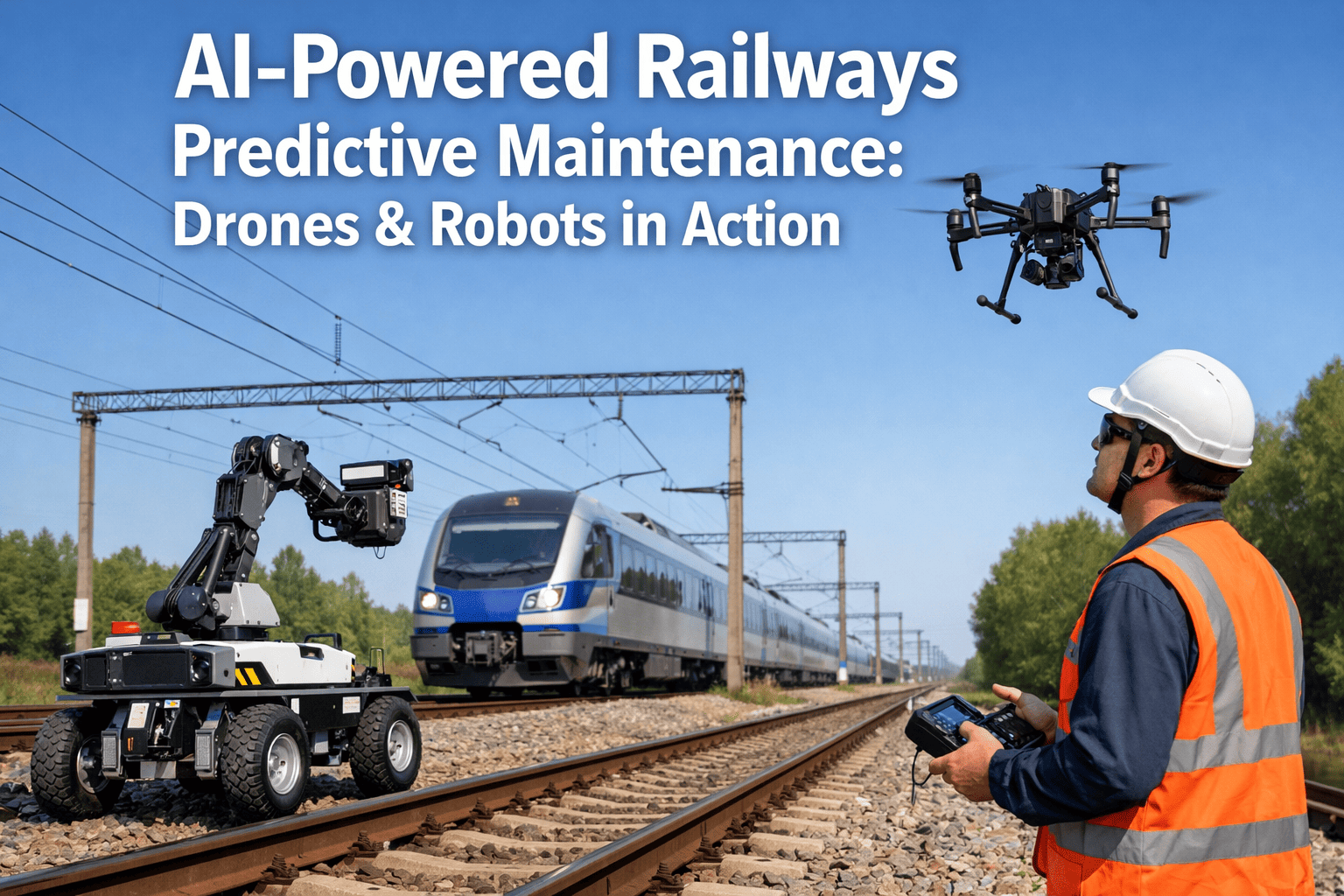
Autonomous crawlers with LiDAR, ultrasonic, and visual sensors inspect rail gauge, joint condition, fastener integrity, and tie plate health during overnight non-revenue windows.
Bus Undercarriage Scanning
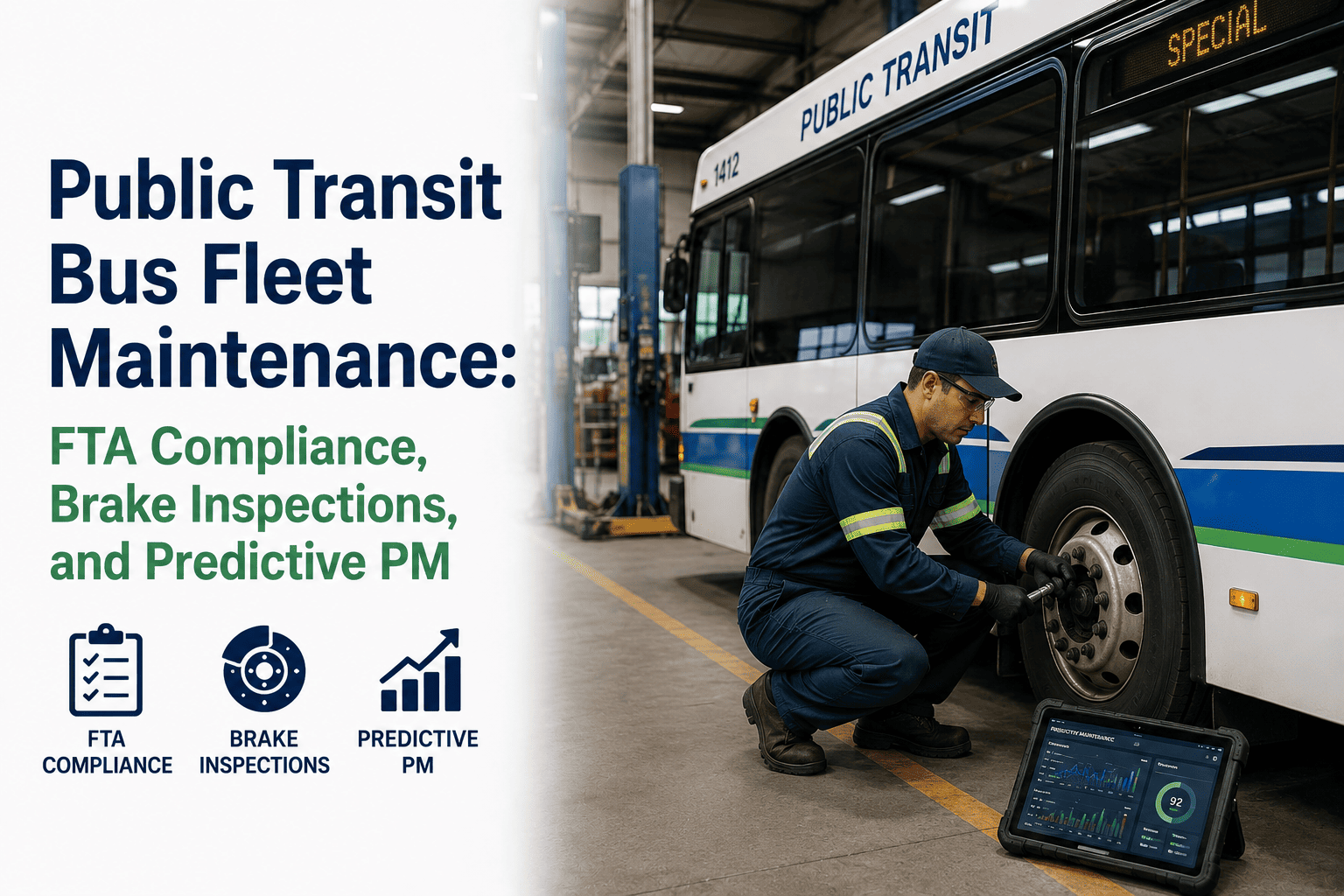
Drive-over pit scanners capture 360° undercarriage imagery in under 90 seconds. AI identifies fluid leaks, brake pad wear, exhaust damage, and suspension issues as buses return to depot.
Station Platform Cleaning
Autonomous floor scrubbers navigate station platforms during late-night service gaps. Sensor-guided path planning avoids obstacles, tracks debris hotspots, and reports area coverage to CMMS.
Escalator & Elevator Monitoring
IoT sensors and micro-robots monitor chain tension, step alignment, handrail speed, and motor vibration continuously. Anomaly alerts trigger CMMS work orders before rider-facing failures occur.
ROI: Integrated Robotic Transit Maintenance
Investing in robotic maintenance systems delivers substantial returns — but only when robot findings are integrated into the CMMS that governs all transit maintenance. Disconnected robots generate data nobody acts on. Integrated robots generate work orders that prevent failures, reduce delays, and extend asset life.
ROI: Manual-Only vs. CMMS-Integrated Robotic Maintenance
Based on a mid-size transit agency (200 buses, 40 rail miles, 25 stations)
Manual-Only Maintenance
Track Inspection Labour$420,000
Bus Pit Inspection Labour$280,000
Station Cleaning Crews$350,000
Unplanned Delay Penalties$600,000
Annual Cost: $1,650,000
VS
CMMS-Integrated Robotic System
Robot Fleet + CMMS Platform$310,000
Reduced Inspection Labour$180,000
Training & Integration$45,000
Delay Penalty Reduction($400,000)
Net Savings: $1,115,000
Transit agencies that integrate robotic maintenance into their CMMS see immediate benefits: fewer service disruptions, safer inspection processes, better defect detection rates, and the data-driven insights needed to optimise capital replacement planning. The financial case strengthens each year as robot patrol data improves predictive accuracy.
Integrate Robots Into Your Transit Maintenance Workflow
Stop running two parallel maintenance universes. Oxmaint connects your robotic inspection systems with bus, rail, and station maintenance workflows in one unified CMMS — coordinated with your transit schedule to eliminate rush-hour disruptions.
Implementation: Building Robotic Maintenance Maturity
Integrating robots into transit maintenance is a progressive journey. It starts with connecting robotic data to your existing CMMS and evolves toward fully autonomous maintenance scheduling where robots inspect, report, and trigger repairs without human intervention between detection and dispatch.
Robotic Transit Maintenance Maturity Model
Level 1
Connection & Visibility (Months 1-4)
Robot Asset RegistrationData Pipeline to CMMSManual Work Order CreationBasic Schedule Sync
Level 2
Automation & Coordination (Months 5-10)
Auto Work Order GenerationTransit Schedule IntegrationDefect Severity ClassificationRobot PM Scheduling
Start by registering every robot as a CMMS asset — just like a bus or escalator. Establish data pipelines so robotic inspection findings flow into the same system that tracks all transit maintenance. As your team builds confidence, enable automated work order generation and transit-schedule-aware dispatching.
Unified Maintenance Across Transit Assets
Transit maintenance spans diverse asset categories — from rolling stock and fixed guideway to passenger facilities and vertical transportation. A unified CMMS framework ensures robots and human technicians work from the same system of record, applying consistent standards across every maintenance domain.
Unified Robot + Vehicle + Station Maintenance
One CMMS for every transit asset class and every robotic system
Rail Vehicles
Bus Fleet
Track & Guideway
Stations & Platforms
Escalators / Elevators
Signals & Power
Inspection Robots
Cleaning Robots
Transit Schedule Sync
Robot dispatches and maintenance windows automatically avoid peak revenue hours, ensuring zero service disruption to commuters.
Defect-to-Work-Order Pipeline
Robotic findings auto-generate prioritised work orders with defect photos, location data, and severity classification — no manual data entry.
FTA Compliance Reporting
Generate State of Good Repair, NTD, and TAM plan reports with robotic inspection data integrated alongside manual inspection records.
Unify your transit maintenance operationsGet Started →
By managing robots, vehicles, and infrastructure in one system, transit agencies gain fleet-wide visibility that enables smarter capital planning, reduces FTA compliance risk, and ensures every maintenance dollar delivers maximum rider benefit. Book a Demo.
Transform Your Transit Maintenance Operations
Join forward-thinking transit agencies using Oxmaint to integrate robotic inspection, cleaning, and monitoring systems with bus, rail, and station maintenance workflows. Reduce delays, improve safety, and deliver the reliable service your riders depend on.
What types of robots are transit agencies deploying for maintenance today?
Four primary categories: (1) Rail track inspection crawlers — autonomous or semi-autonomous units that traverse tracks during non-revenue hours, using LiDAR, ultrasonic, and machine vision sensors to detect rail wear, gauge irregularities, fastener defects, and tie degradation. (2) Bus undercarriage scanners — pit-mounted or drive-over imaging systems that capture full 360° undercarriage scans in under 90 seconds as buses enter or exit the depot. (3) Station platform cleaning robots — autonomous floor scrubbers that navigate station environments during late-night service gaps using SLAM navigation. (4) Escalator and elevator monitoring systems — IoT sensor arrays and micro-inspection robots that continuously track chain tension, step alignment, motor vibration, and handrail speed without requiring service shutdowns.
How does CMMS integration prevent rush-hour disruptions from robotic maintenance?
Oxmaint syncs robot dispatch schedules with the transit agency's revenue service timetable. The CMMS knows when the last train passes a track section, when a bus returns to depot, and when station passenger volumes drop below thresholds. Robotic inspection missions are automatically scheduled within these off-peak windows. If a robot discovers a critical defect that requires immediate attention, the CMMS evaluates the finding against the next revenue service window and either dispatches an emergency repair crew (if safety-critical) or queues the work order for the next available non-peak maintenance slot.
Can Oxmaint manage both the robots themselves and the assets they inspect?
Yes. Oxmaint treats robots as maintenance assets that also perform maintenance. Each robot has its own asset record with preventive maintenance schedules — battery checks, sensor calibrations, wheel replacements, software updates — just like any bus or escalator. Simultaneously, the inspection data these robots produce flows into the maintenance records of the assets they inspect. This dual management ensures the robots stay operational and their findings drive action on the infrastructure they monitor.
What FTA compliance benefits does robotic maintenance provide?
FTA requires transit agencies to maintain a Transit Asset Management (TAM) plan demonstrating State of Good Repair (SGR) for all capital assets. Robotic inspection provides consistent, objective, and well-documented condition assessments with photographic evidence — exactly what FTA auditors look for. Oxmaint aggregates robotic and manual inspection data into unified condition reports that map directly to NTD reporting categories, SGR metrics, and TAM performance measures. This dramatically reduces the audit preparation burden and strengthens the agency's case for capital funding applications.
How do transit agencies handle the transition from manual to robotic inspection?
The transition is phased, not abrupt. Most agencies start with a pilot on one line or at one depot, running robotic and manual inspections in parallel to validate defect detection accuracy. Once confidence is established (typically 3-6 months), the agency shifts routine inspections to robotic systems while retaining manual inspectors for complex assessments, follow-up verification, and emergency response. Oxmaint supports this transition by allowing both manual and robotic inspection data to feed the same asset maintenance records, providing a unified view regardless of how the data was collected.