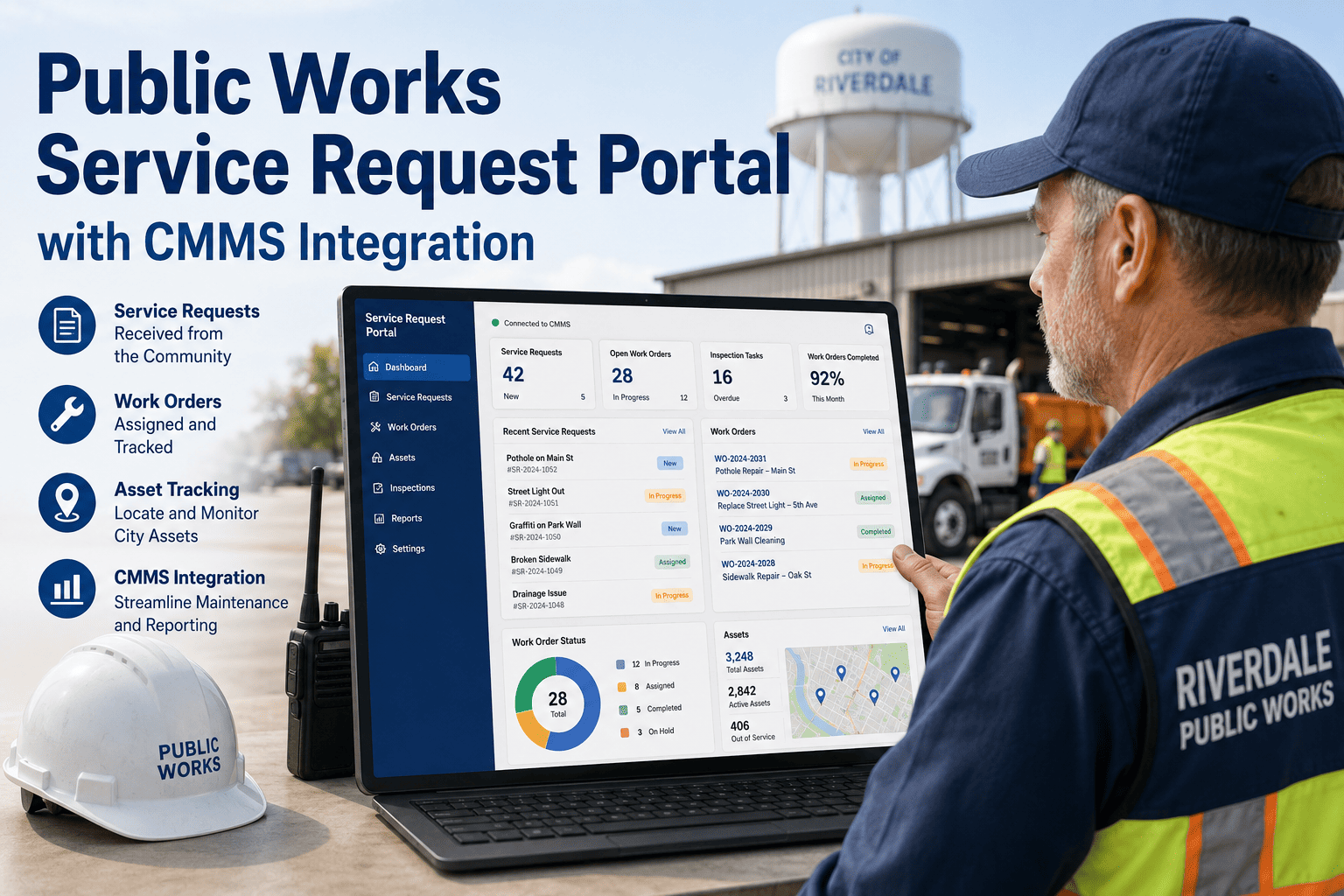
The 311 call centre lit up at 7:00 PM because a main arterial intersection had gone dark, causing a four-car collision. The traffic signal controller had failed three hours earlier, but without connectivity, the city’s traffic management centre was blind until citizens started calling. Meanwhile, a water main leak in the downtown district had been silently eroding the subgrade for weeks, visible only as a slight pressure drop that no manual gauge reading had caught in time. Across the globe, modern cities lose millions annually to this reactive cycle: relying on citizen complaints and manual patrols to maintain critical infrastructure, resulting in delayed response times, safety hazards, and wasted resources.
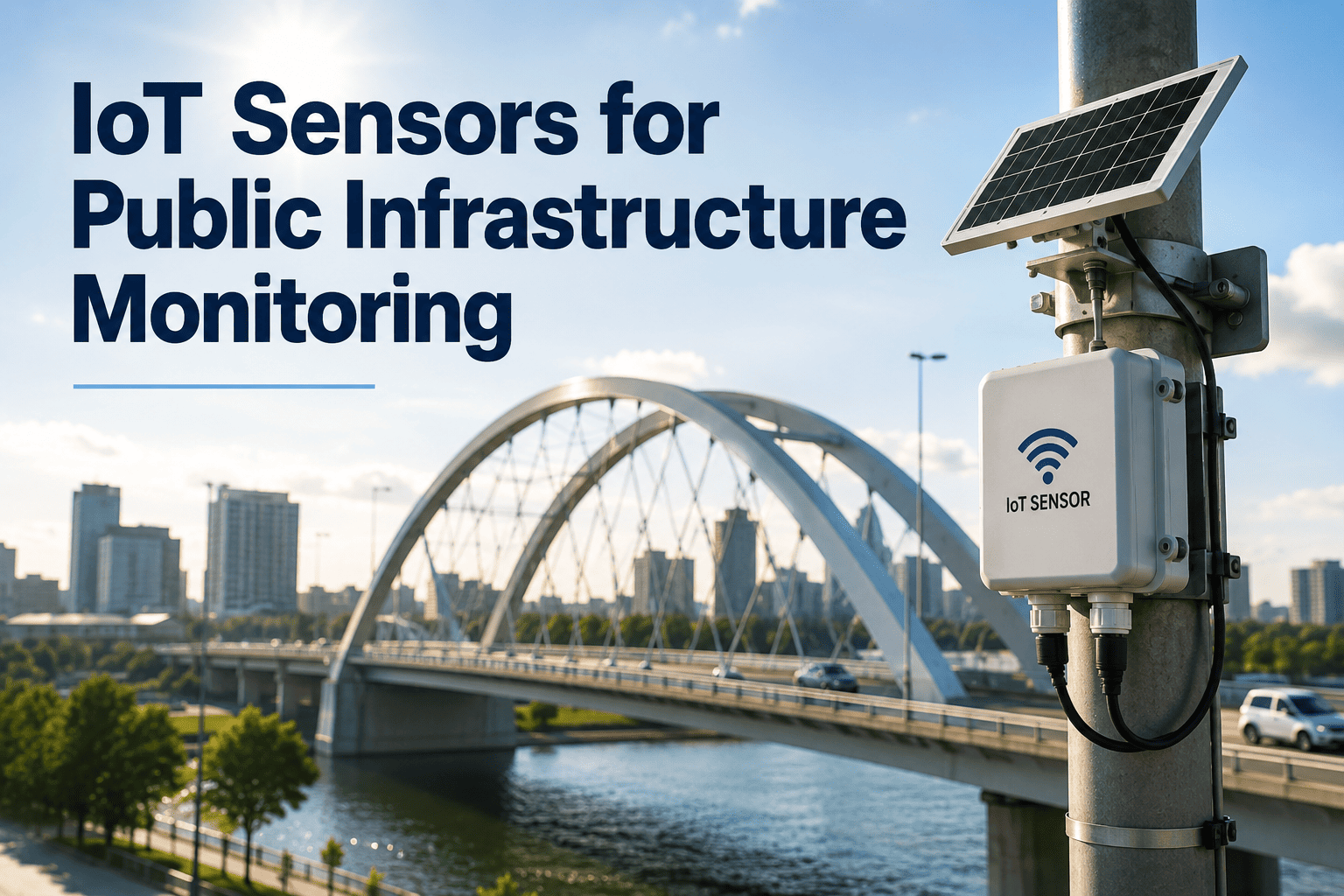
Integrated Smart City IoT, sensor networks, and connected asset management have fundamentally changed this equation. By deploying smart controllers on streetlights, pressure sensors in water grids, and vibration monitors on bridges, public works departments can now monitor the pulse of the city in real-time. When this telemetry feeds directly into a CMMS like Oxmaint, it moves beyond simple monitoring to automated maintenance—generating prioritised repair work orders the moment a voltage spike, pressure drop, or vibration anomaly is detected.
This guide examines how forward-thinking municipalities are deploying connected infrastructure to reduce operational costs, improve citizen safety, and extend asset lifecycles. Cities implementing these strategies report 30-50% reductions in maintenance response times and massive energy savings. Ready to modernise your urban infrastructure? Start your free trial with Oxmaint CMMS.
What if your streetlights could tell you they were broken before a citizen called 311—and auto-generate a repair order instantly?
Connected Infrastructure: IoT, Sensors, and Smart City Maintenance 2026
From Reactive Patrols to Predictive Intelligence
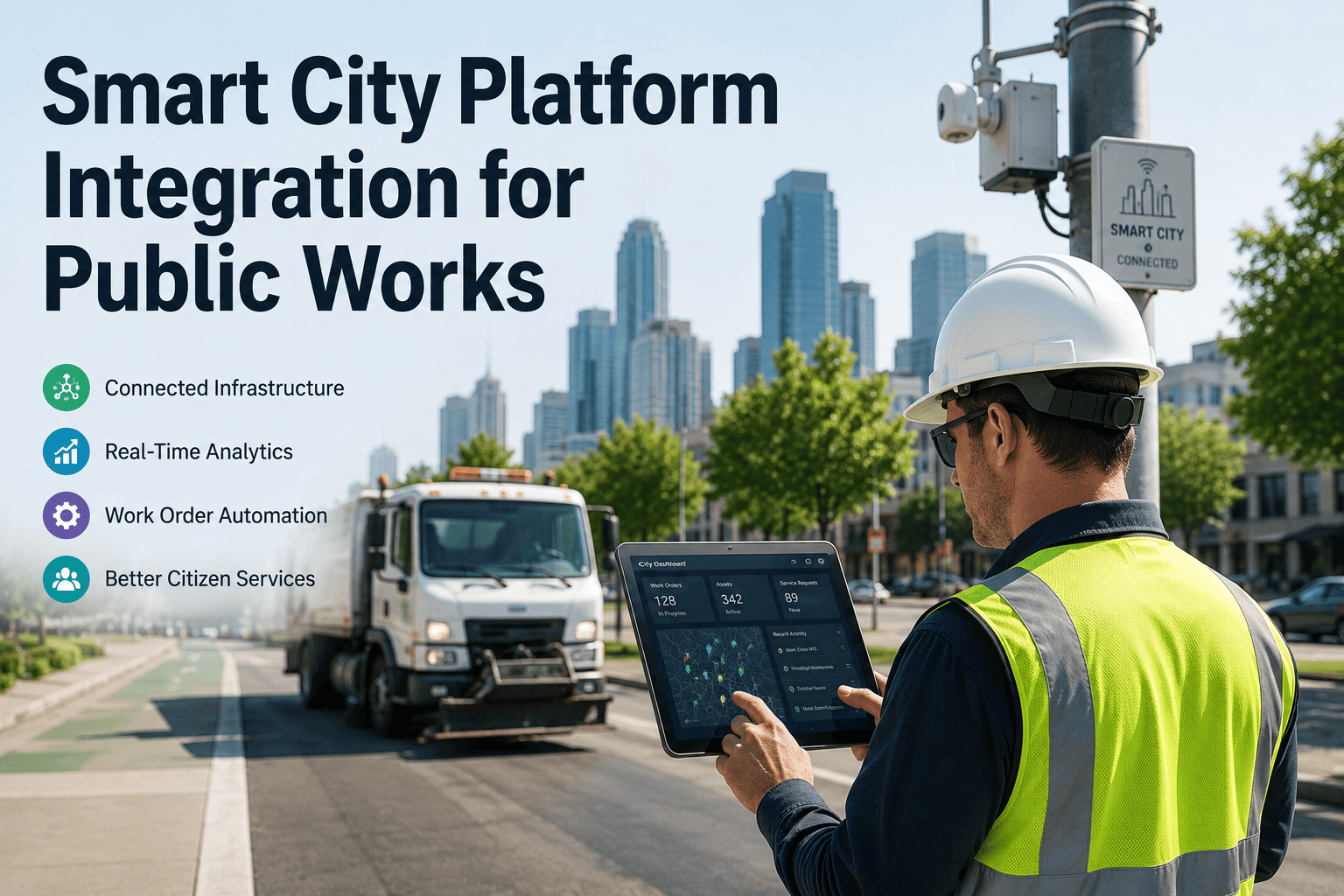
Effective smart city maintenance is not just about installing sensors; it is about creating a nervous system for the urban environment. When data from streetlights, waste bins, and utility meters flows directly into maintenance workflows, the sensor reading is not just a data point on a graph—it is the trigger that dispatches electricians, routes waste trucks, and prevents infrastructure failure.
Installation of IoT nodes: LoRaWAN controllers on streetlights, acoustic sensors on pipes, and current monitors on lift stations, all mapped in the CMMS.
Devices stream continuous health data via 5G/NB-IoT. Edge computing filters noise, transmitting only critical status changes and diagnostic codes to the central cloud.
Algorithms analyse streams for patterns: predicting lamp failure from voltage fluctuations or identifying hidden leaks through pressure transients and acoustic signatures.
Confirmed faults auto-generate prioritised Oxmaint work orders. Technicians receive detailed asset history, location, and spare parts requirements on their mobile devices.
| Maintenance Element | Traditional Manual Method | IoT Connected Infrastructure | Outcome |
|---|---|---|---|
| Fault Detection | Citizen complaints (311), Night patrols | Instant sensor alert (Real-time) | Zero detection latency |
| Response Time | Days to weeks (Batch processing) | Hours (Automated dispatch) | 90% faster resolution |
| Diagnostics | On-site troubleshooting required | Remote diagnostics & error codes | Higher First-Time Fix Rate |
| Energy Efficiency | Timers or photocells (Dusk/Dawn) | Adaptive dimming & trimming | 30-40% energy savings |
| Asset Management | Static spreadsheets, lost history | Live digital twin, full lifecycle data | Optimised capital planning |
Key Technologies: The Smart City Stack
A smart city relies on a layered technology stack to function. Sensors gather physical data, connectivity layers transmit it, and analytics platforms derive value. Oxmaint sits at the top, translating this intelligence into physical maintenance tasks. Book a Demo.
Intelligent controllers allow for individual lamp control, dimming schedules, and immediate outage notification. Connected traffic signals provide fault logs for conflict monitors, detectors, and battery backups, ensuring intersection safety.
Acoustic leak detectors on water pipes, ultrasonic level sensors in waste bins, and air quality monitors deploy across the city. They convert physical states (full, leaking, polluted) into digital triggers for service teams.
Low-power wide-area networks (LoRaWAN, NB-IoT) and 5G mesh networks ensure reliable data transmission. Centralised AI platforms correlate data points to distinguish between transient glitches and true asset failures requiring repair.
Connecting Sensor Data to Maintenance Action
The value of IoT is lost if the alert just blinks on a screen in a control room. A comprehensive smart city platform links every sensor threshold breach directly to the public works CMMS—ensuring every anomaly becomes a tracked, budgeted, and resolved work order.
| Asset / Issue | Sensor Technology | CMMS Action | City Impact |
|---|---|---|---|
| Streetlight Failure | Current/Voltage Monitor | Auto-create "Lamp Replacement" WO | Public safety restored instantly |
| Waste Bin Overflow | Ultrasonic Fill Level | Trigger "Collection Route" Task | Optimised truck rolls & fuel |
| Water Leak | Acoustic/Flow Sensor | Auto-dispatch Plumbing Crew | Reduced non-revenue water loss |
| Bridge Structural Health | Accelerometer/Strain Gauge | Trigger "Structural Inspection" WO | Prevent catastrophic failure |
| Stormwater Drain Clog | Water Level Sensor | Trigger "Vactor Truck" WO | Prevent flash flooding |
| Traffic Cabinet Overheat | Temperature Sensor | Trigger "Fan/AC Repair" WO | Prevent signal blackout |
Case Study: Mid-Sized City Digital Transformation
A municipality with 150,000 residents struggled with aging infrastructure and a reactive 311 complaint system. By retrofitting 12,000 streetlights with smart controllers and deploying IoT sensors in critical utility networks connected to Oxmaint, they transformed their operations.
- Reliance on citizens to report broken lights (avg 7 days to fix)
- Scheduled waste collection regardless of bin fullness (air collection)
- Water leaks detected only after surface flooding appearing
- Maintenance history trapped in paper logs and isolated spreadsheets
- High overtime costs for emergency night/weekend call-outs
- No data on actual energy consumption per asset
- Automated outage alerts generated work orders instantly (avg 24h fix)
- Dynamic waste routing reduced fuel consumption by 20%
- Acoustic sensors caught 14 major leaks before pipe burst
- Full digital asset history for every connected device
- Reduced overtime by 35% through predictive maintenance
- Precise energy metering enabled 15% bill reduction
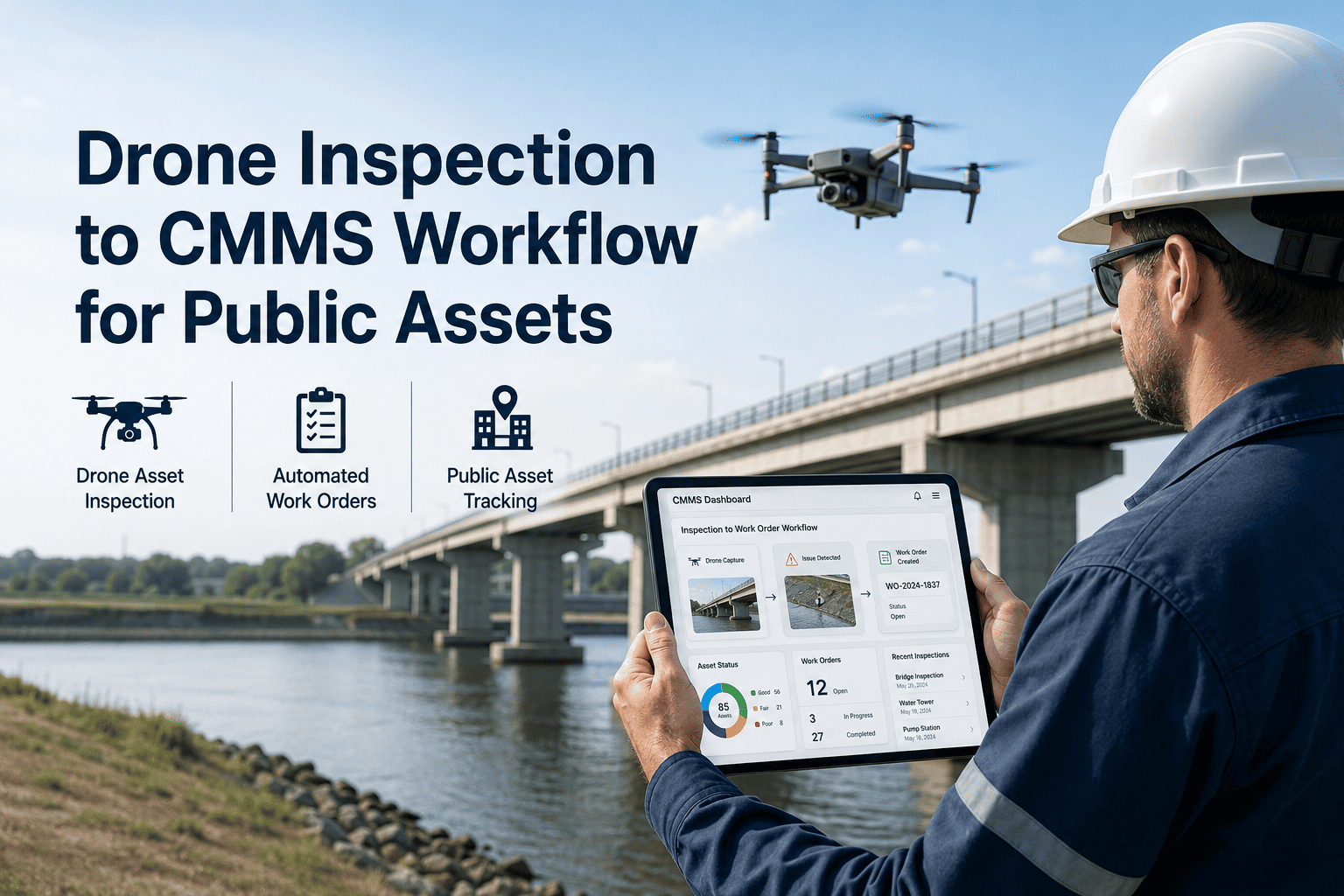
Automated IoT-to-Dispatch Workflow
The platform automates the chain of custody for infrastructure issues. By removing the manual "triage" step, cities ensure that critical sensor alerts result in immediate action, while low-priority notifications are batched for efficiency.
IoT sensor (e.g., vibration monitor on a pump) detects a reading exceeding the defined safety threshold.
System validates the alert against historical data to rule out false positives and determines severity level.
Oxmaint auto-generates a WO with asset location, error code, required parts, and safety checklist.
Technician completes repair via mobile app. Completion data recalibrates the AI model and closes the alert loop.
Maximise availability of public services. Ensure traffic signals, lighting, and utilities function continuously, boosting citizen trust and safety.
Transition from "Fix it when it breaks" to "Fix it before it fails." Use sensor trends to schedule maintenance at the optimal moment.
Reduce carbon footprint and utility bills. Smart dimming and efficient equipment operation can save cities millions in energy costs.
Proactively resolving issues means fewer 311 calls. Citizens enjoy a well-lit, functioning city without needing to report failures.
Stop relying on citizen complaints to manage your city. Automate your infrastructure maintenance today.
Implementation: Smart City Rollout
Deploying connected infrastructure is a journey. It begins with high-impact pilots (like smart lighting) and expands to a fully integrated ecosystem of sensors and automated workflows.
- Select high-priority assets (e.g., downtown streetlights or critical pumps)
- Install IoT controllers and establish network connectivity (LoRa/Cellular)
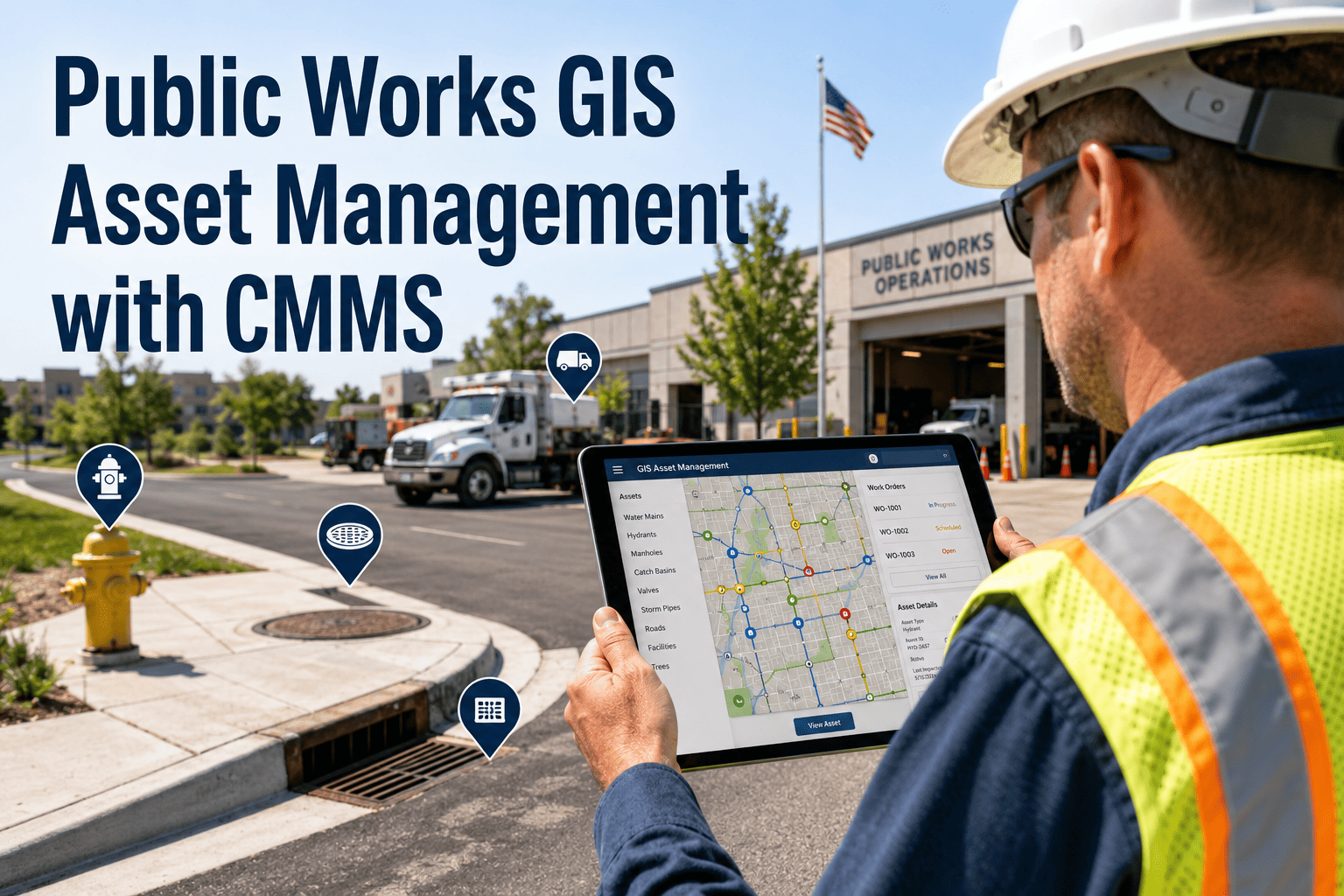
- Map assets in Oxmaint CMMS and configure baseline alert thresholds
- Train core maintenance team on mobile work order acceptance
- Enable two-way integration: Sensor -> CMMS work order generation
- Implement smart lighting schedules (dimming) for energy savings
- Deploy waste level sensors to optimise collection routes
- Eliminate manual data entry for pilot asset groups
- Scale sensor deployment to city-wide asset portfolio
- Integrate environmental monitoring (air quality, flood sensors)
- Deploy public dashboard for transparency on infrastructure health
- Refine preventative maintenance schedules based on real usage data
- Utilise AI to predict asset failure 30 days in advance
- Integrate cross-domain data (e.g., weather + traffic + lighting)
- Achieve "Self-Healing" capabilities for software/firmware issues
- Full lifecycle cost analysis for capital planning
Prioritising Alerts by Risk & Impact
With thousands of sensors, alarm fatigue is a risk. The CMMS filters alerts into actionable priorities, ensuring crews focus on issues that threaten public safety or critical services first.
| Priority Level | Alert Types | System Impact | Maintenance Action |
|---|---|---|---|
| Critical (Immediate) | Traffic signal dark, Water main burst, Gas leak | Public Safety Threat | Emergency Dispatch (15 min) |
| High (Urgent) | Streetlight circuit failure, Lift station high level | Service Disruption | Urgent Work Order (4 hrs) |
| Medium (Scheduled) | Single lamp failure, Waste bin 90% full | Quality of Service | Next Day / Route Add |
| Low (Planned) | Sensor battery low, Filter change due | Preventative | Add to PM Schedule |
| Info (Log Only) | Power quality fluctuation, Temp variance | Data Trending | Log for AI Analysis |
Best Practices for Connected Cities
To maximise the ROI of smart city infrastructure, municipalities must follow best practices that ensure security, interoperability, and data ownership.
Avoid vendor lock-in by requiring devices to support open protocols like TALQ, MQTT, or LoRaWAN. This ensures your CMMS can talk to any sensor, regardless of manufacturer.
IoT devices are potential entry points for attacks. Implement network segmentation, regular firmware updates, and encryption to protect critical infrastructure controls.
Define who owns the data and how long it is stored. Sensor data is a valuable public asset that should be accessible for analytics while protecting citizen privacy.
Don't deploy sensors everywhere at once. Focus on the costliest problems first (e.g., energy bills or overtime costs) to prove ROI quickly and fund further expansion.
Technology is the easy part; changing culture is hard. Train staff early, showing them how the mobile app makes their job easier rather than just "tracking" them.
Share network infrastructure. The same fiber or mesh network used for traffic signals can backhaul data for water meters and public Wi-Fi, sharing costs.
The Financial Impact of Smart Maintenance
Smart city investments pay for themselves through reduced truck rolls, energy efficiency, and extended asset life. The integrated CMMS provides the data to prove this value to city councils and taxpayers.
Expert Review
- Invest in a robust CMMS that can handle high-volume API data streams
- Validate sensor data quality before automating work orders to avoid 'noise'
- Involve union representatives and field staff in the technology selection process
- Use the data to build evidence-based capital improvement plans
Conclusion
The era of manual, reactive city maintenance is ending. Connected public assets powered by IoT sensors and AI analytics offer a safer, cleaner, and more efficient way to manage the urban environment. But sensors alone are not the solution—it is the integration of that data into actionable CMMS workflows that creates value.
By pairing smart infrastructure with Oxmaint, public works departments transform a flood of sensor data into a streamlined stream of prioritised repair activities. They maximise constrained budgets, improve citizen quality of life, and ensure that the city operates reliably on data-driven decisions.
Don't wait for the next infrastructure failure to make the headlines. Adopt connected maintenance management and take control of your smart city assets.