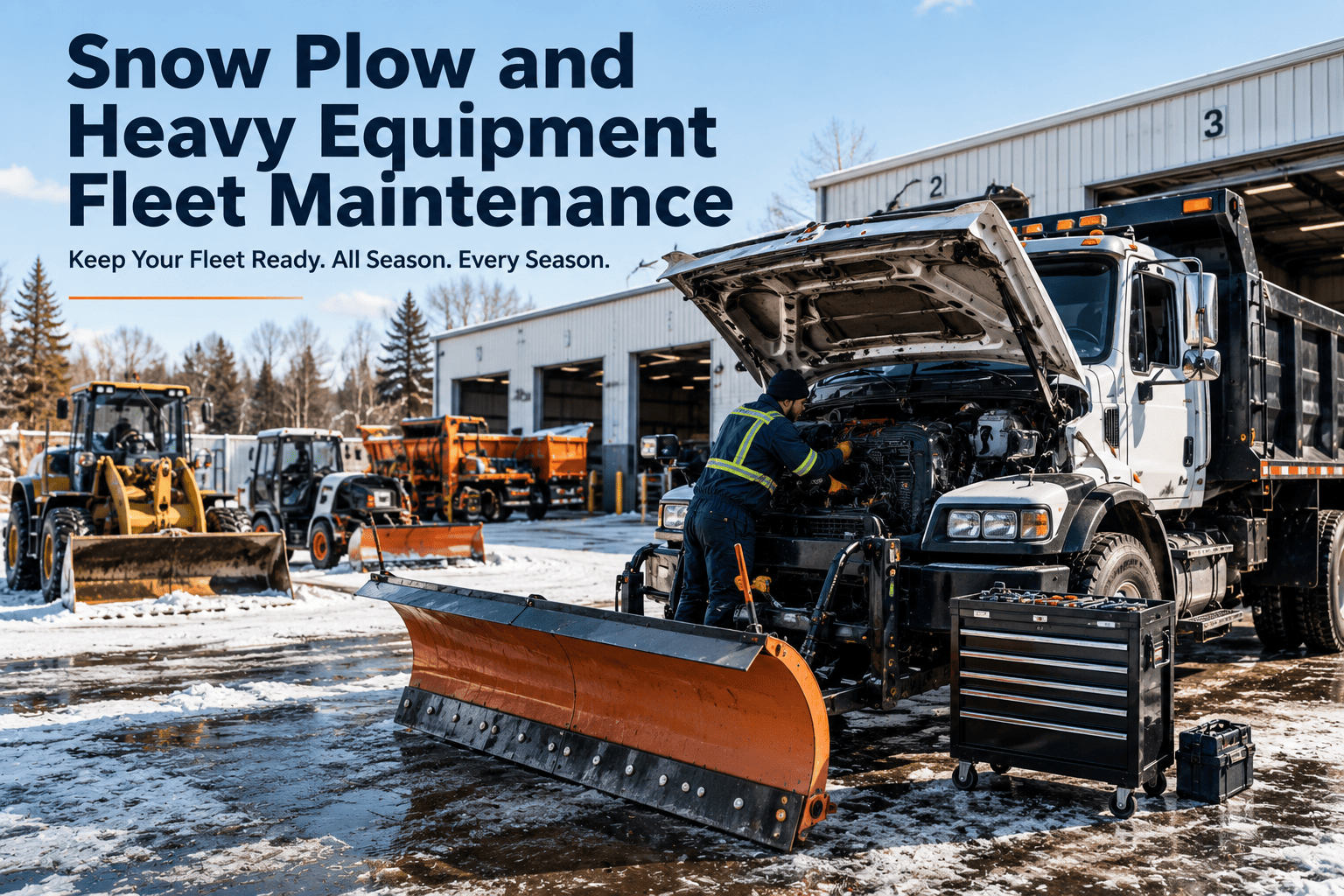
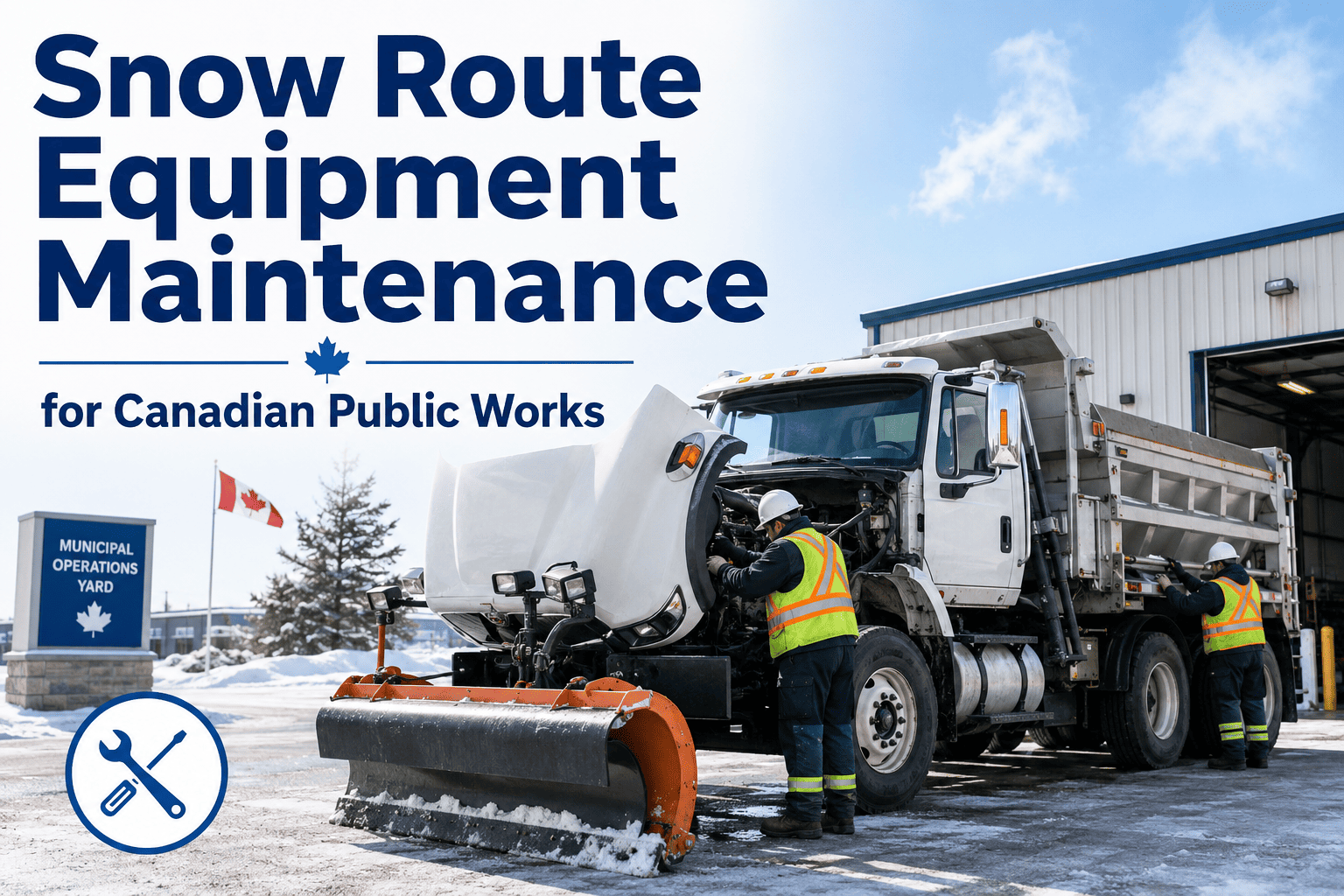
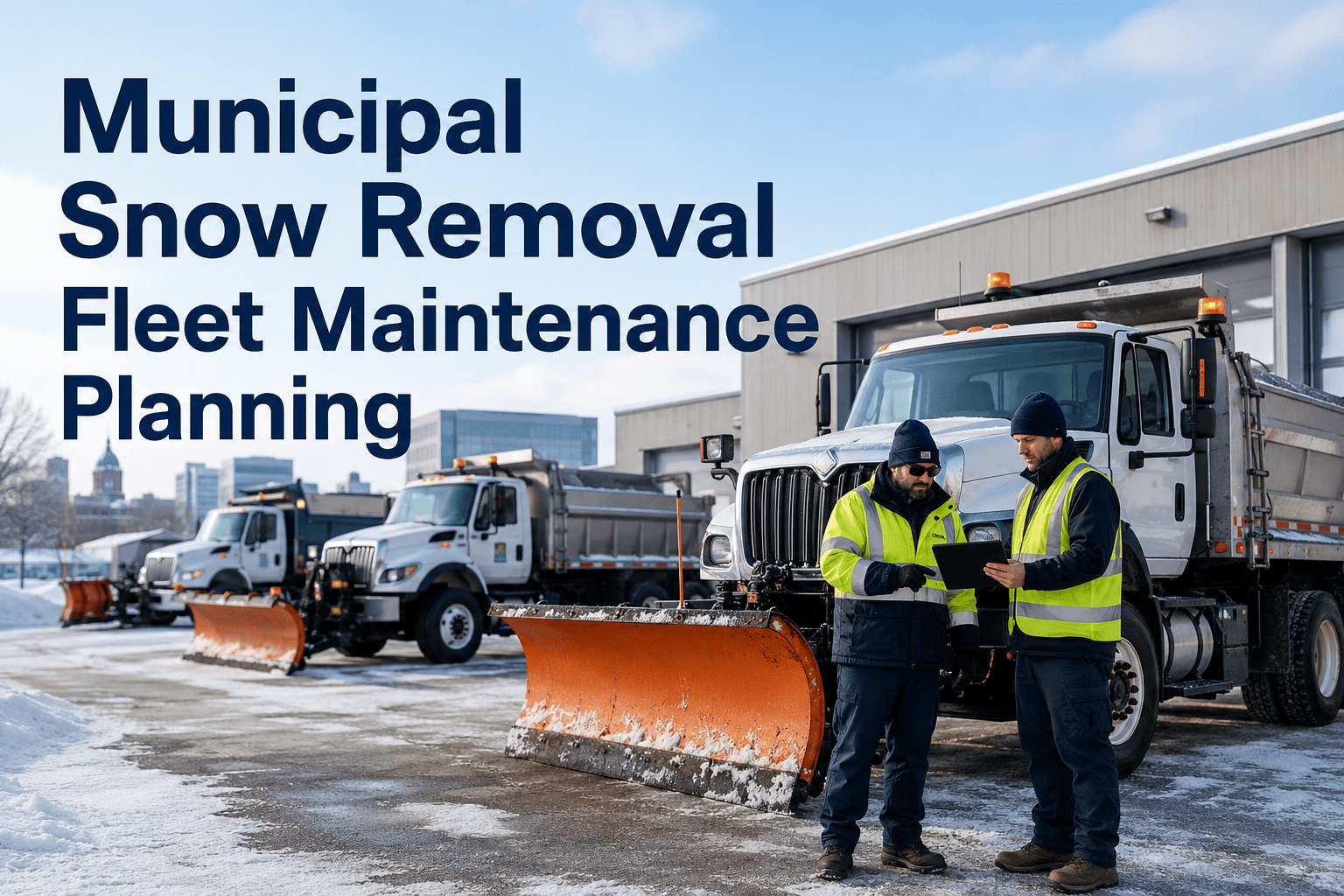
For municipal public works departments, winter storms are a race against time. Traditional manual snow removal is labor-intensive, risky, and increasingly expensive. Autonomous snow removal robots offer a solution, handling sidewalk plowing, de-icing chemical application, and parking lot clearing with minimal human oversight. However, these complex machines require rigorous care.
A single failure in a robot's guidance system or a frozen hydraulic line can leave critical pedestrian pathways dangerous, leading to liability issues and public safety hazards. Oxmaint CMMS transforms robotic fleet management by centralizing pre-season maintenance schedules, tracking auger blade inspections, and managing seasonal deployment. This guide outlines the maintenance framework necessary to keep your autonomous winter fleet operational when the temperature drops. Start free trial today.
Winter Fleet Guide 2026
Autonomous Snow Removal & Fleet Maintenance
Reliable winter operations require more than just batteries and blades. From calibrating GPS antennas to flushing hydraulic lines, this guide equips municipal fleet managers with the strategies to automate maintenance, ensure sidewalk ADA compliance, and maximize the uptime of snow removal robots.
30%Salt Usage Reduction
24/7Operational Uptime
ZeroOperator Injuries
100%Route Completion
The Fleet Maturity Spectrum
Municipal winter maintenance typically falls into one of three categories. While many agencies rely on "Reactive" repairs—fixing robots only after they freeze up or fail mid-storm—Oxmaint helps organizations move toward "Proactive" and "Predictive" maintenance, where sensor data and scheduled tasks prevent failures before the first snowflake hits. Book a Demo.
Predictive (Autonomous)
20%
Critical Maintenance Pillars
Snow removal robots are sophisticated operational technology (OT). Maintaining them requires adherence to strict mechanical and digital standards. A comprehensive CMMS acts as the central repository for these obligations, ensuring augers, sensors, and power systems are ready for blizzard conditions. Book a Demo.
Pre-Season CheckpointsFleet Readiness
Mechanical
Auger & Blades
Inspection of rubber auger paddles for wear. Replacement of scraper bars and sheer pins to prevent drive-train damage during heavy snow load.
Wear Critical
Hydraulics
Fluid Systems
Complete flushing of hydraulic lines. Application of low-viscosity, cold-weather hydraulic fluid to prevent system sluggishness or freezing.
Freeze Risk
Navigation
GPS & Lidar
Calibration of GPS antennas and cleaning of Lidar lenses. Verification of geofencing boundaries to keep robots strictly on sidewalks.
Safety Critical
Thermal
Heating Elements
Testing internal heating elements for cameras and sensor arrays. Ensures "eyes" of the robot do not ice over during operation.
Vision Loss
Chemical
De-icing Sprayers
Purging nozzles and checking pump pressure for brine distribution systems. Ensures even application of de-icing agents.
Slip Hazard
Power
Battery Management
Load testing lithium-ion packs in cold chambers. Inspecting charging contacts for corrosion to ensure reliable docking and recharging.
Dead Unit
In autonomous operations, not all failures carry the same weight. A dead battery is an annoyance; a sensor failure leading to a collision is a disaster. This "Risk Matrix" helps fleet managers prioritize maintenance tasks to prevent catastrophic failures in public spaces.
5
Collision
Robot strikes pedestrian or vehicle due to sensor failure. Immediate fleet grounding.
4
Stranded
Unit powered down in intersection or blocking ADA ramp. Requires emergency recovery.
3
Ineffective
Auger jam or empty brine tank. Sidewalk remains snowy/icy. Slip hazard remains.
2
Degraded
Slow operation or minor GPS drift. Job takes longer than scheduled.
1
Cosmetic
Scratched chassis or broken warning light. Non-critical to plow function.
Automate Your Winter Fleet
Oxmaint simplifies municipal snow robot operations. Schedule pre-season maintenance, track auger replacements, and manage de-icing inventory in one secure, cloud-based platform.
A robust robot fleet management program is composed of interconnected modules. Implementing these as digital workflows in Oxmaint ensures data integrity, proper parts usage, and reliable deployment during storms.
Core
Plow System Care
Post-Storm
Inspect blade edges and auger flighting. Grease pivot points and check lift actuators for proper range of motion.
Grease PointsScraper BarsLift ActuatorsShear Pins
Critical
Sensor Suite
Daily
Verify functionality of Lidar, Ultrasonic sensors, and Cameras. Clear snow/ice buildup and test heating defrost cycles.
Lens CleaningHeat TestData LinkObstacle Test
Audit
Connectivity
Weekly
Test cellular (4G/5G) and Wi-Fi handoffs. Ensure remote teleoperation latency is within safe limits for human intervention.
Signal StrengthTeleop LagSim CardsAntenna Check
Prevention
Winterization
Pre-Season
Flush summer fluids. Install winter-grade hydraulic oil. Treat electrical connections with dielectric grease to prevent salt corrosion.
Fluid FlushDielectric GreaseSeal CheckCold Start
Supply
Consumables
Continuous
Track levels of liquid de-icer (brine) and granular salt. Monitor spare parts inventory for blades, tires, and batteries.
Brine LevelsSpare AugersTire ChainsSalt Stock
Action
Recovery Ops
As Needed
Protocols for retrieving stuck or dead robots. Includes winching points inspection and manual drive override testing.
Tow HooksManual OverrideRescue VanIncident Log
Different municipal zones present unique challenges for autonomous snow removal. From narrow sidewalks to expansive parking lots, the maintenance strategy must adapt to the specific wear and tear of the environment.
Sidewalks / Paths
ADA Ramp Compliance
Pedestrian Avoidance
Narrow Clearance Navigation
Surface Heaving/Cracks
High Precision GPS Needed
Parking Lots
Heavy Snow Load Pushing
Vehicle Traffic Interaction
Salt/Brine Corrosion
Pile Management
Long-Range Telemetry
Depot / Charging
Docking Alignment
Chemical Refill Safety
Thermal Shock (In/Out)
Fire Safety (Lithium)
Moisture Control
The Cost of Neglect: System Freeze
The "Maintenance Pyramid" illustrates that for every catastrophic breakdown, there are dozens of missed inspections. Ignoring minor sensor calibrations or fluid checks inevitably leads to fleet paralysis during critical storms, resulting in liability and public dissatisfaction.
$0 - $200
Preventive Maint
Sensor cleaning, blade sharpening, fluid top-up. Planned downtime only.
Frequency: High
$2k - $10k
Reactive Repair
Burned out motor, broken axle, frozen hydraulics. Robot out of service during storm.
Frequency: Medium
$500k+
Liability Claim
Slip-and-fall lawsuit due to unplowed walk, or robot collision with pedestrian.
Frequency: Low (But Fatal)
Keep Your City Moving
Don't wait for a blizzard to test your fleet. Oxmaint provides the digital infrastructure to manage robot inspections, track spare parts, and automate winter maintenance schedules.
CMMS Features for Robotics
A specialized Computerized Maintenance Management System (CMMS) is the brain behind the brawn of your snowbots. It links sensor alerts with work orders, ensuring that fleet health is monitored in real-time and issues are addressed before deployment.
A
Mobile Maintenance Log
Technicians can scan a robot's QR code to view its entire service history, access repair manuals, and log blade changes directly from the depot floor.
B
IoT Integration
Set triggers that automatically create work orders when a robot reports a "Low Hydraulic Pressure" or "Motor Overheat" error code.
C
Parts Inventory Tracking
Track critical spares like auger blades, shear pins, and de-icing nozzles. Receive alerts when stock is low so you aren't caught empty-handed mid-storm.
D
Route Optimization Info
Log which routes cause the most wear-and-tear. Use data to rotate robots between "hard" and "easy" zones to extend fleet lifespan.
E
Compliance Reporting
Generate proof-of-service reports. Show exactly when a sidewalk was plowed and salted to defend against slip-and-fall liability claims.
F
Seasonal Scheduling
Automatically switch maintenance profiles from "Summer Storage" (battery tending) to "Active Winter" (daily inspections) based on calendar dates.
Frequently Asked Questions
Q. How does cold weather affect robot batteries?
Lithium-ion efficiency drops significantly in sub-zero temps. CMMS maintenance schedules must include "Cold Chamber" load testing pre-season and ensure heating elements are functional to keep batteries within optimal operating range.
Q. Can Oxmaint track de-icing chemical usage?
Yes. You can track fluid inventory (brine, magnesium chloride) as consumable assets. Work orders for refilling robots can automatically deduct from your central inventory, triggering re-order alerts.
Q. What is the most common mechanical failure?
Auger jams and shear pin breakage are most common, usually from hitting hidden obstacles. Regular inspection of scraper bars and torque settings minimizes these events.
Q. How do we ensure robots don't hit pedestrians?
Safety is a maintenance issue. Regular calibration of Lidar, cleaning of camera lenses (heated washers), and testing of emergency stop buttons are critical PM tasks managed within the CMMS.
Q. Is cloud-based software safe for municipal fleets?
Yes. Oxmaint uses enterprise-grade security. Cloud systems allow field technicians to access data from tablets in the snow, which is vital for quick repairs during active storms, unlike on-premise systems locked in an office.