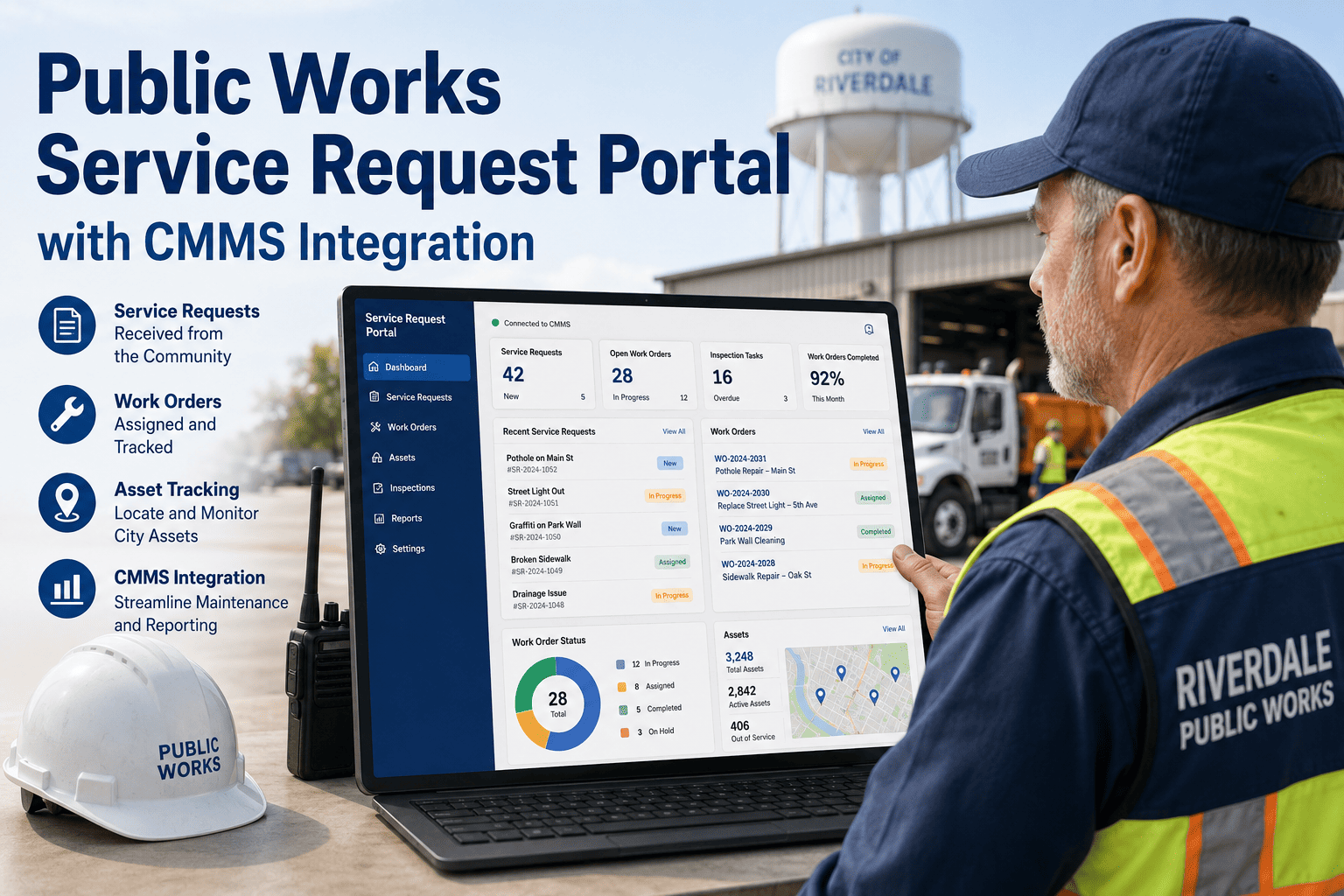
Public housing authorities without a structured tenant request system average 6.4 days to first response — a metric now tracked in HUD oversight reviews and directly tied to resident satisfaction scores, elected official complaints, and REAC inspection findings. Untracked phone and walk-in requests close without documentation, leaving housing directors with no response time data and no audit trail when tenant disputes escalate. Book a demo to see how Oxmaint automates tenant request routing, SLA tracking, and resident satisfaction documentation for housing authorities.
A tenant maintenance request management system is a purpose-built portal that allows public housing residents to submit, track, and receive updates on maintenance requests via mobile or web — while automatically routing each request to the correct technician, enforcing SLA response deadlines, and generating the documented response history required for HUD oversight reviews, REAC inspections, and resident dispute resolution.
Why Tenant Request Management Fails Without a Structured System
Phone calls, sticky notes, and informal email chains cannot produce the documented maintenance response history that HUD oversight reviewers, REAC inspectors, and city councils now require. Every undocumented request is a liability — a tenant dispute with no resolution record, an SLA breach with no timestamp, or a repeated failure pattern that never gets escalated to capital planning. Book a demo to see how Oxmaint structures tenant request workflows for housing authorities of every size.
Phone and walk-in requests close without documentation. When a tenant escalates a complaint to an elected official or HUD, there is no timestamped record of what was requested, when work was completed, or what was communicated.
Manual intake means plumbing requests reach HVAC technicians, electrical faults sit in a general inbox, and urgent life safety issues wait in the same queue as cosmetic repairs. Response times suffer and SLA targets are missed consistently.
Without real-time dashboards, housing directors cannot see which requests are overdue, which technicians are overloaded, or which buildings are generating repeat failures — until a formal complaint arrives or a REAC inspector flags the pattern.
Identical requests from the same unit or building are handled as isolated incidents. Without pattern detection, a plumbing fixture failing three times a year never triggers a scheduled replacement — costing 3–5x more in repeated emergency labor than a single planned repair.
Tenant Request Portal — Live Across Your Authority in Under 3 Weeks
Mobile-first request submission, automatic technician routing, SLA enforcement, and HUD-ready response documentation from day one.
How Oxmaint Manages Tenant Requests End to End
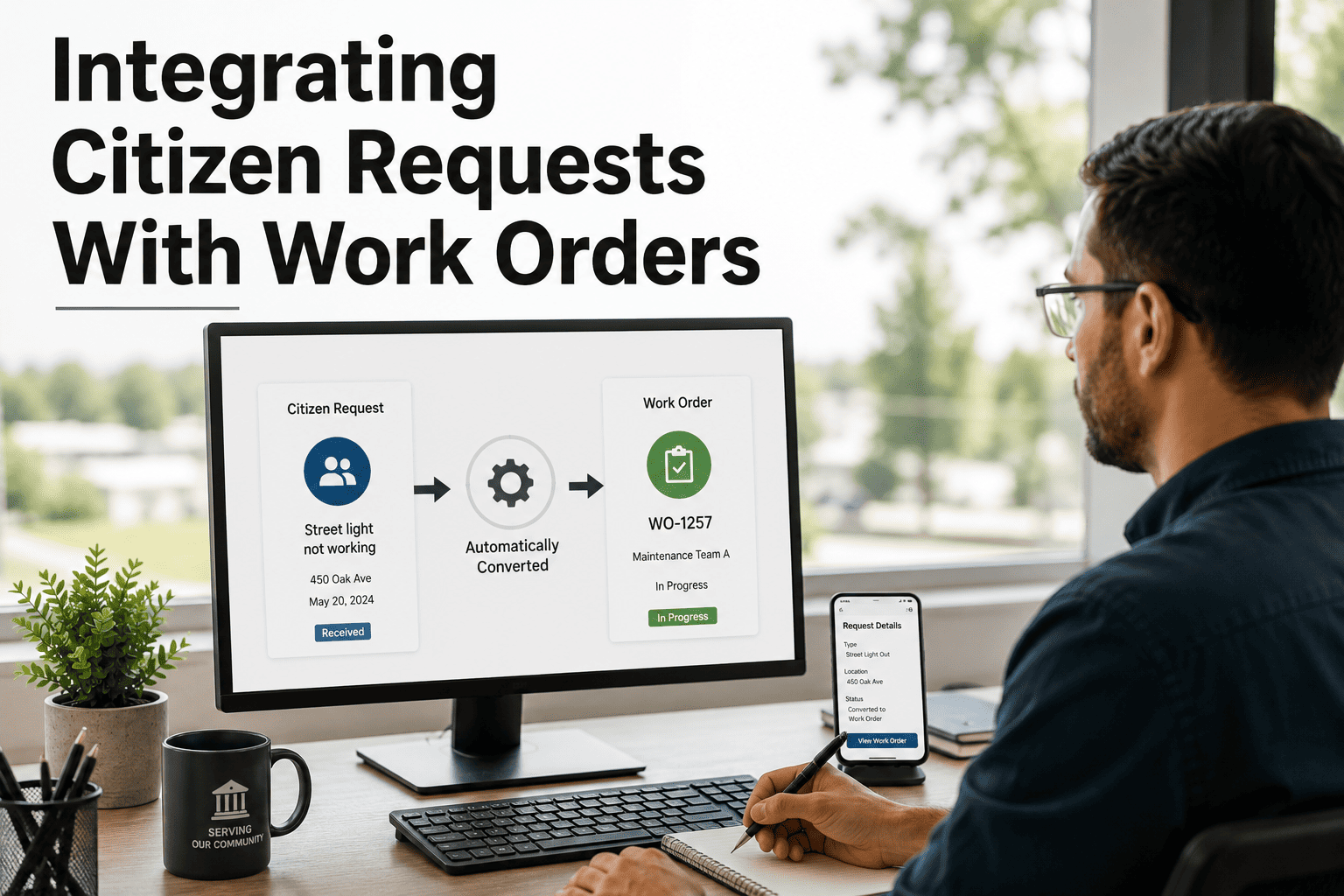
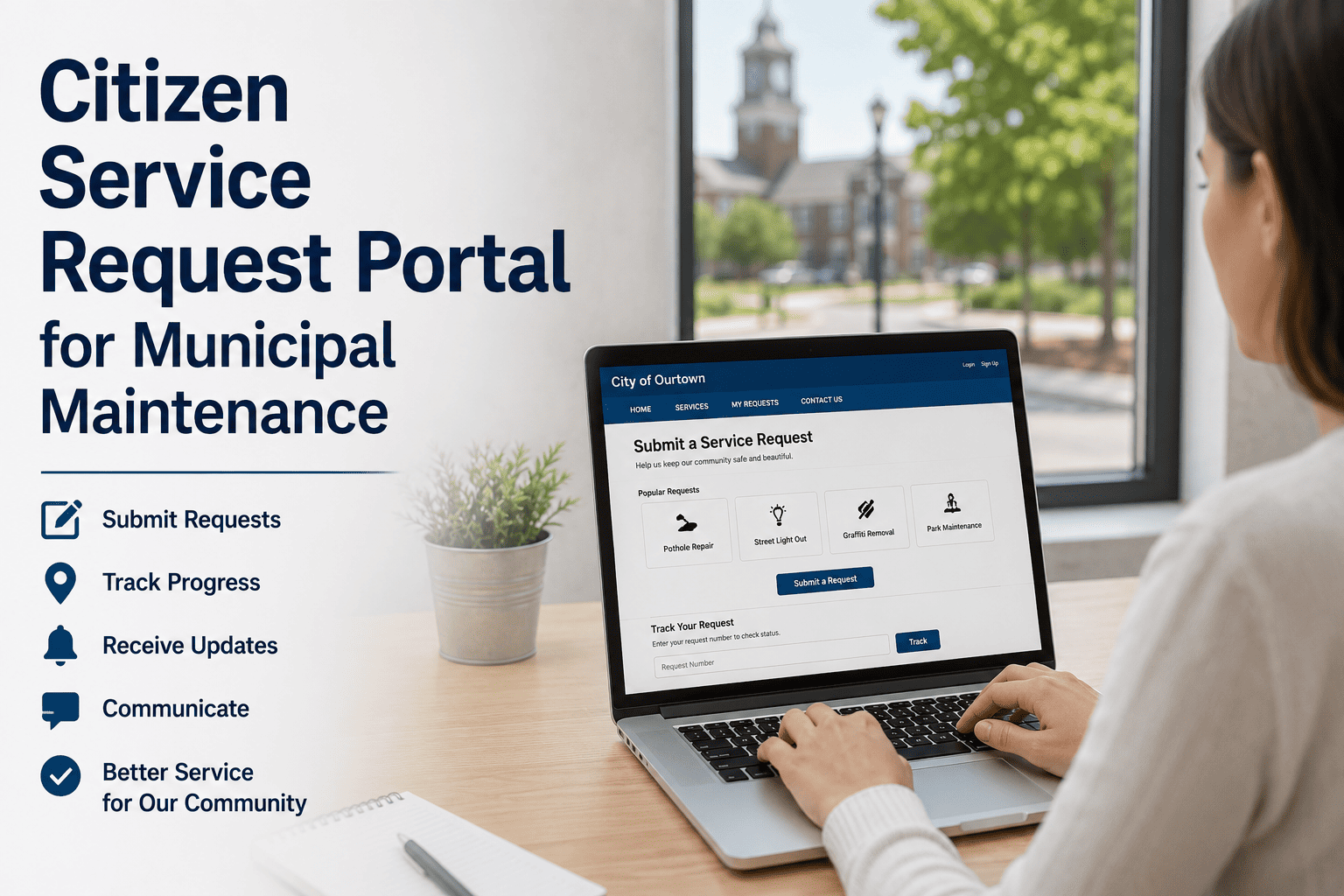
Tenants submit requests via mobile app, web portal, QR code scan at unit entry, or SMS — whichever channel matches their access. Each submission captures unit number, request category, priority flag, and optional photo evidence automatically. No staff intake required. Book a demo to see the tenant portal configured for your developments.
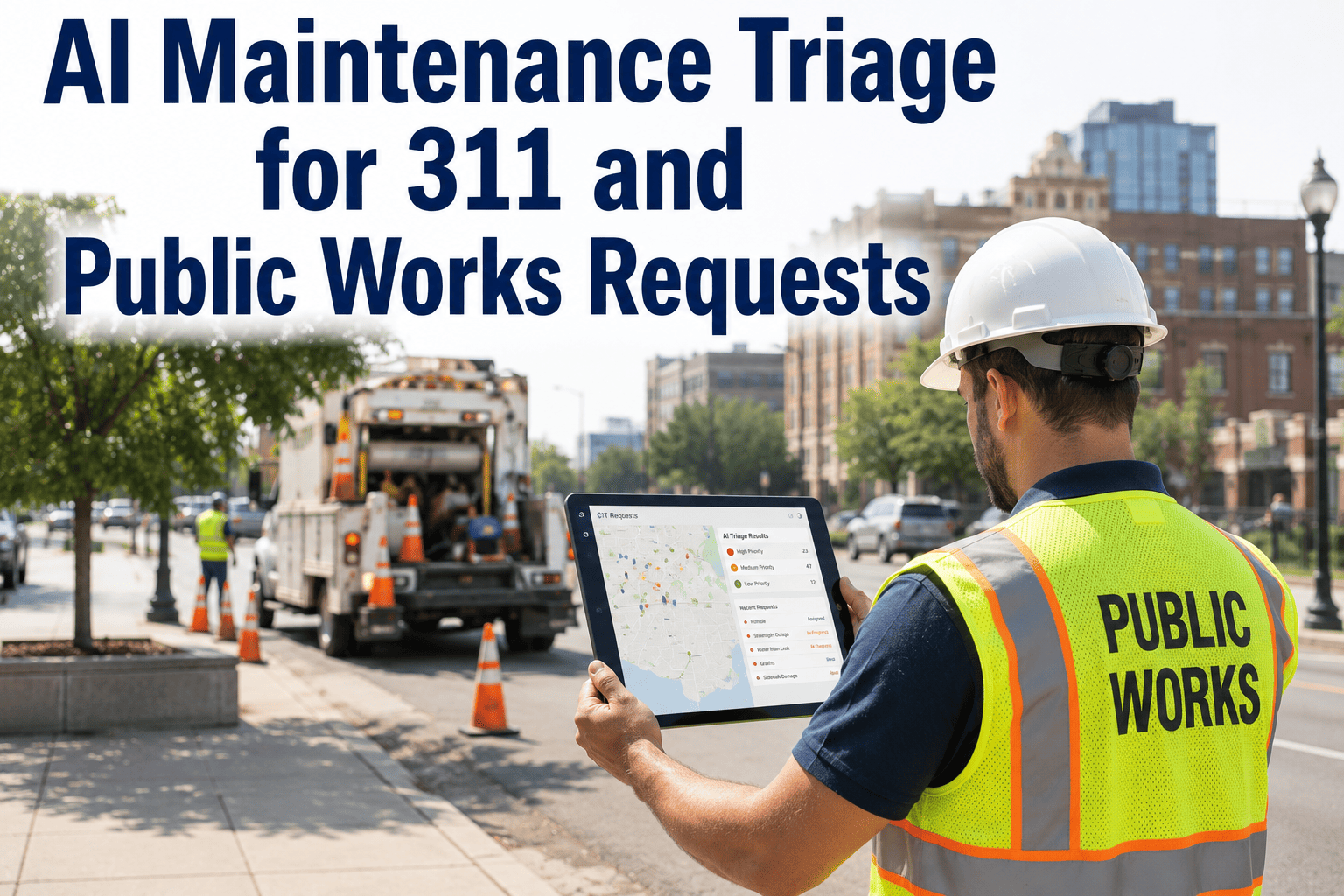
Each request is automatically routed to the correct technician or trade team — plumbing, electrical, HVAC, life safety, or grounds — based on category rules set by the director. Urgent requests flagged as life safety or habitability are escalated immediately with override alerts.
Response and completion SLAs are enforced per category — emergency (4 hours), urgent (24 hours), routine (5 business days). Directors receive automated alerts when SLAs approach breach. All SLA performance data is exportable for HUD oversight reviews and board reporting. Book a demo to see SLA configuration and reporting for your authority.
On work order close, tenants receive an automated satisfaction survey. Low scores trigger a director review flag. Repeat requests from the same unit or building system are automatically surfaced in the PM scheduling module — converting reactive patterns into scheduled preventive maintenance before the next failure.
Platform Features — Tenant Request Management
Residents submit requests from any device with photo attachments, unit pre-fill, and real-time status updates. No app download required — fully browser-based for maximum accessibility across all resident demographics.
Requests auto-classified as emergency, urgent, or routine based on category keywords and tenant-flagged severity. Life safety and habitability issues (no heat, water leak, broken lock) trigger immediate technician dispatch with override notifications.
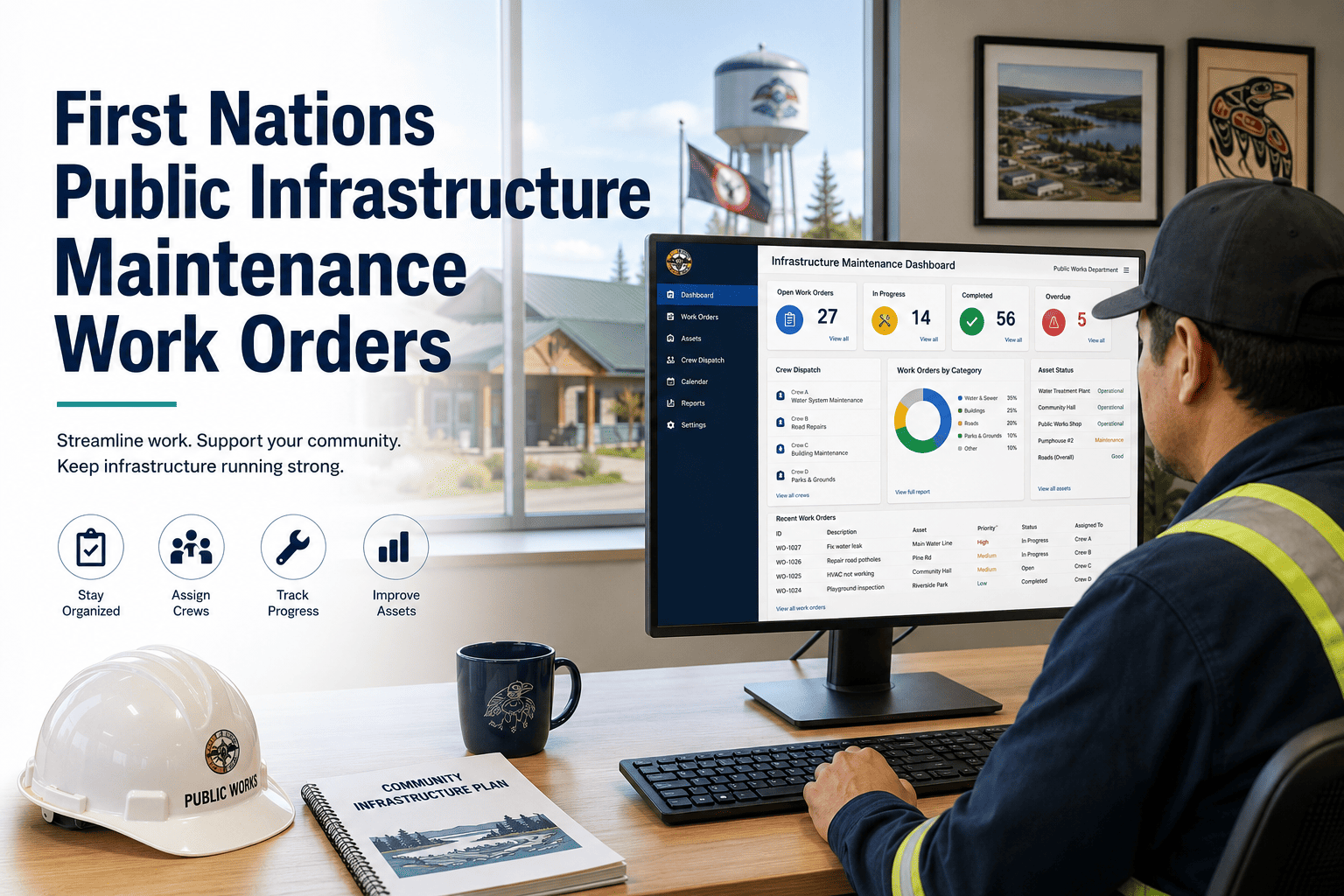
Real-time view of every open request, assigned technician, elapsed time, and SLA status. Directors see overdue items in red before breach. SLA compliance rates are tracked per building, per technician, and per trade — ready for HUD program officer review.
Authority-wide dashboard showing open requests by development, overdue SLAs by trade, repeat failure buildings, and tenant satisfaction trends — all without manual reporting or data extraction.
Every request exported with full timestamp, technician assignment, completion record, tenant communication log, and satisfaction score — formatted for HUD oversight submissions, REAC inspector review, and resident dispute resolution in under 2 hours.
Requests flagged as recurring from the same unit or system automatically surface in the PM scheduling module. Maintenance supervisors convert repeat patterns into preventive work orders — reducing the 3–5x emergency repair cost premium on recurring failures.
KPI Scorecard — Tenant Request Operations
Outcomes — Oxmaint-Deployed Housing Authorities
Request Category SLA Benchmarks
| Request Category | Priority Level | First Response Target | Completion Target | HUD Consequence if Missed |
|---|---|---|---|---|
| No heat or no hot water | Emergency | Under 4 hours | Under 24 hours | Habitability violation — REAC deficiency and corrective action |
| Water leak or flooding | Emergency | Under 4 hours | Under 24 hours | Property damage liability and tenant displacement risk |
| Broken door lock or security | Urgent | Under 8 hours | Under 24 hours | Safety deficiency — scored as REAC life safety finding |
| Pest infestation report | Urgent | Under 24 hours | 5 business days | Habitability standard — repeat reports trigger HUD inquiry |
| HVAC not cooling or heating (non-emergency season) | Routine | Under 24 hours | 5 business days | Escalation risk during extreme weather periods |
| Appliance or fixture repair | Routine | 3 business days | 10 business days | Tenant satisfaction metric — tracked in management reviews |
SLA Tracking and HUD Documentation — Ready in Under 2 Hours
From emergency response timestamps to routine close rates — every tenant interaction documented, categorized, and formatted for HUD oversight review. Schedule a demo for your housing authority portfolio.
Frequently Asked Questions
Continue Reading
Stop Losing Tenant Requests to Phone Calls and Paper Logs
Mobile request portal, automatic routing, SLA enforcement, and HUD-ready documentation — live across your authority in under 3 weeks with no IT project and no disruption to your maintenance workforce.