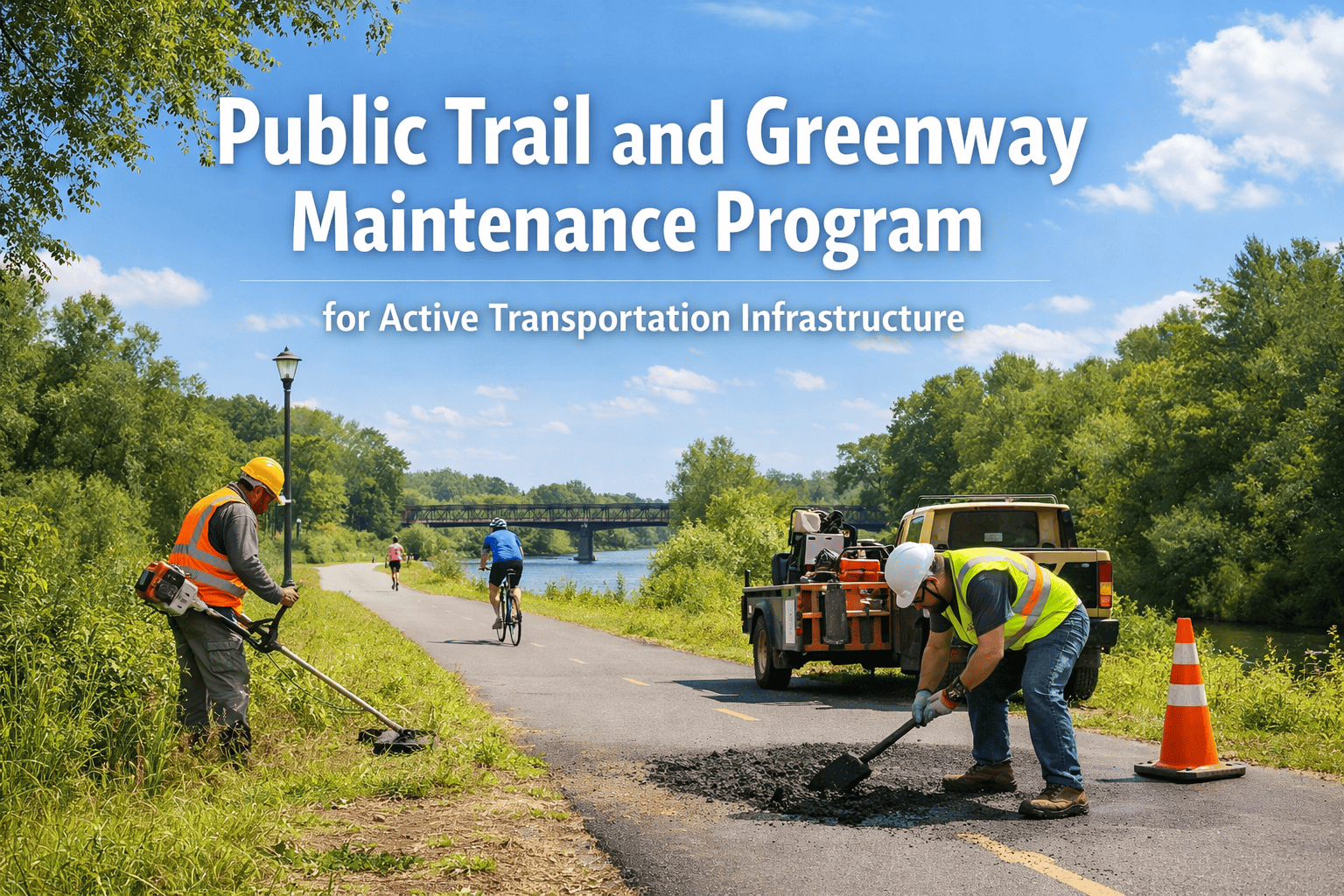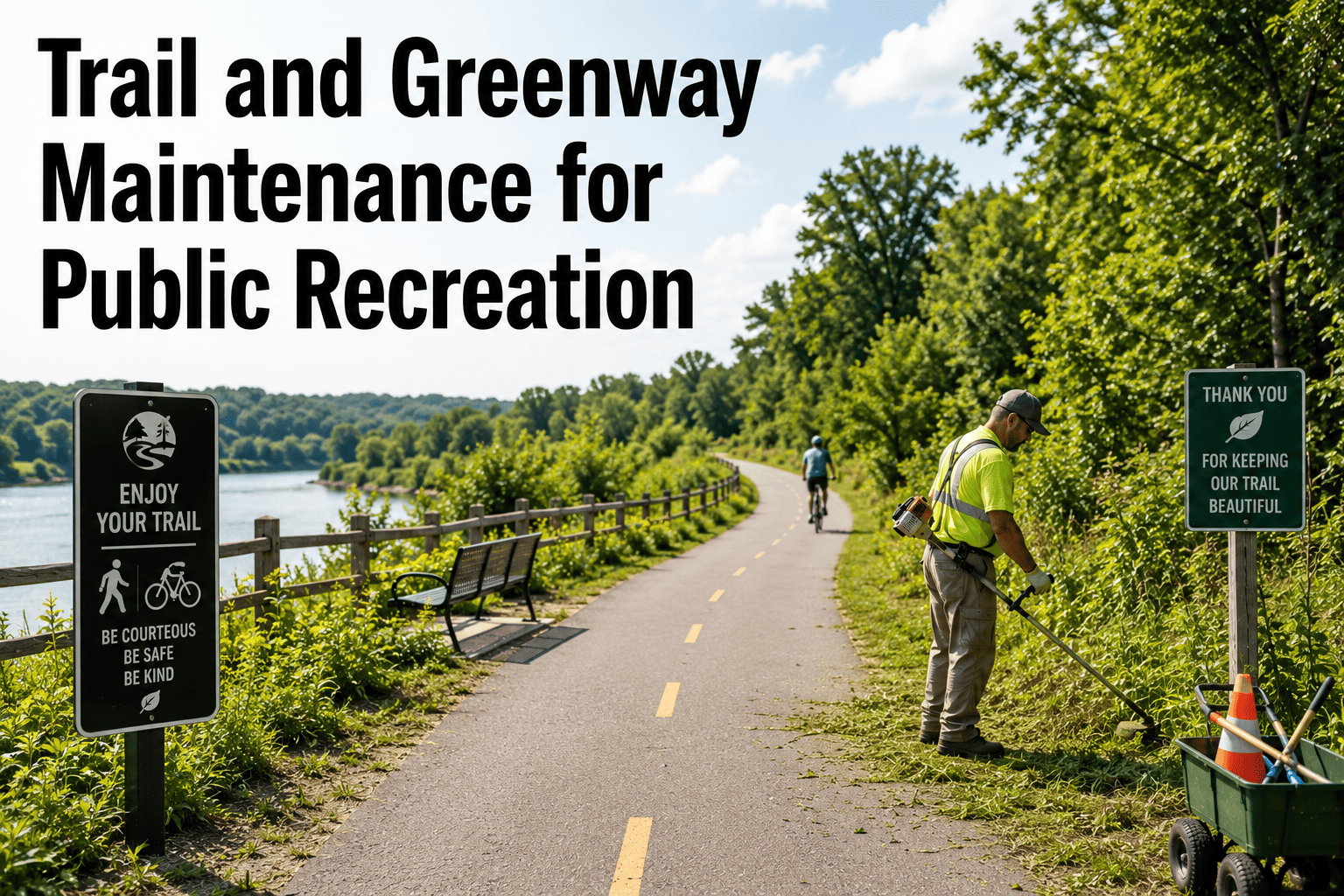
Public trails and greenways are one of the most heavily used and least tracked assets in any parks and recreation portfolio, stretching across dozens of miles through drainage crossings, pedestrian bridges, signage, and surface sections that rarely sit on any fixed inspection schedule. A cracked surface, a washed-out crossing, or a rotted boardwalk plank does not stay small — it becomes a fall hazard, a closure, and a liability claim within one storm season. Trail failures follow a predictable pattern, and a structured maintenance program built on segment inventory, cyclical inspection, and photographed condition history is what keeps a trail network safe and open. Parks and public works teams ready to build that kind of program can start a free trial or book a demo to see how OxMaint runs trail and greenway maintenance for municipalities.
The Real Cost of an Unmanaged Trail Network
Trails feel low-risk until the day a segment fails in front of a resident. Here is what public works and parks departments are actually managing across a typical trail system.
How a Small Crack Becomes a Trail Closure — The 6-Stage Decline Cycle
Trails rarely fail all at once. They move through a slow, visible sequence that a routine walk-through would catch at almost any stage — which is exactly why an inspection cadence matters more than any single repair.
The Seasonal Trail Maintenance Calendar Every Public Works Team Needs
Trail work is not a one-time punch list — it is a repeating seasonal cycle. Mapping tasks to the calendar keeps crews ahead of storm damage, growth cycles, and freeze-thaw wear instead of reacting to complaints.
A Structured Program Catches Problems Long Before Closure Day
OxMaint turns trail and greenway upkeep from a reactive complaint list into a scheduled program — segment inventory, seasonal work orders, and condition history that catches Stage 1 cracking before it becomes a Stage 6 closure.
Trail Surface Types and Expected Service Life
Surface material drives both how long a trail segment lasts and what kind of failure to watch for. Knowing the surface type and install date for every segment is what turns a maintenance program from guesswork into a schedule.
| Surface Type | Expected Service Life | Primary Failure Mode | Maintenance Priority |
|---|---|---|---|
| Asphalt | 15 – 20 years before resurfacing | Alligator cracking, root heave, edge raveling | PCI walk-through annually; crack seal within one season |
| Concrete | 25 – 40 years | Slab cracking, joint failure, heaving | Inspect every 2 years; monitor joints and trip hazards |
| Crushed Stone / Aggregate | 5 – 8 years before re-grading | Washboarding, rutting, erosion on grade | Re-grade seasonally; inspect after every major storm |
| Natural Surface (Soil) | 3 – 5 years before major rework | Erosion, root exposure, muddy tread widening | Inspect after storms; highest cleaning and repair frequency |
| Boardwalk / Timber Structure | 15 – 25 years | Plank rot, fastener corrosion, structural decay | Annual structural inspection under AASHTO-style cadence |
Preventive Trail Care vs Reactive Repair — What Deferred Maintenance Really Costs
The gap between routine trail upkeep and reactive reconstruction is not small — it is the difference between a mowing and brushing invoice and a capital project. The comparison below is why every dollar spent on scheduled maintenance protects the budget.
Building a Municipal Trail and Greenway Program — 4 Phases
Most trail networks are maintained on instinct, not data — crews fix what gets reported and rarely see the whole system. The four phases below turn that into a repeatable program with a clear condition record behind every segment.
GPS-map the full corridor by segment, surface type, width, and ownership boundary. Log every bridge, boardwalk, culvert, and sign along the route.
Walk every segment and assign a surface condition score plus a structural rating for bridges and boardwalks. Photograph every deficiency found.
Set recurring mowing and brushing cycles, seasonal drainage clearing, and a bridge inspection cadence prioritized by usage and structure age.
Log every inspection and repair as a dated record. Use condition trends to build multi-year resurfacing and replacement budgets.
How OxMaint Supports Trail and Greenway Maintenance Teams
OxMaint applies the same structured asset workflow used for facilities and fleets to trail corridors, giving parks and public works teams one place to map, inspect, and schedule the entire network. Teams can start a free trial or book a demo to see it configured for their trail system.
Register every segment, bridge, boardwalk, culvert, and sign with location, surface type, and install date in one searchable map.
Crews score surface and structural condition on any device, attaching geo-tagged photos directly to the segment record.
Recurring work orders generate by season and priority score, so crews hit the highest-use segments before problems surface.
Set inspection intervals by structure age and design life, with automatic reminders so no bridge inspection slips past due.
Track cross-slope and grade checks on designated accessible routes, with a documented correction history for every finding.
Turn inspection history into resurfacing and replacement forecasts that give councils and grant reviewers evidence, not estimates.
Frequently Asked Questions
How often should a public trail network be inspected?+
What causes most municipal trail closures?+
How do we build a trail inventory with no existing records?+
What ADA standards apply to public trails and greenways?+
Can OxMaint support grant applications for trail projects?+
Your Trail Network Is Being Used Right Now — Is It Being Maintained?
Every uninspected mile is one storm away from a closure and a claim. OxMaint builds the segment inventory, inspection schedule, and capital plan that keep your trails and greenways safe, accessible, and open for the community.