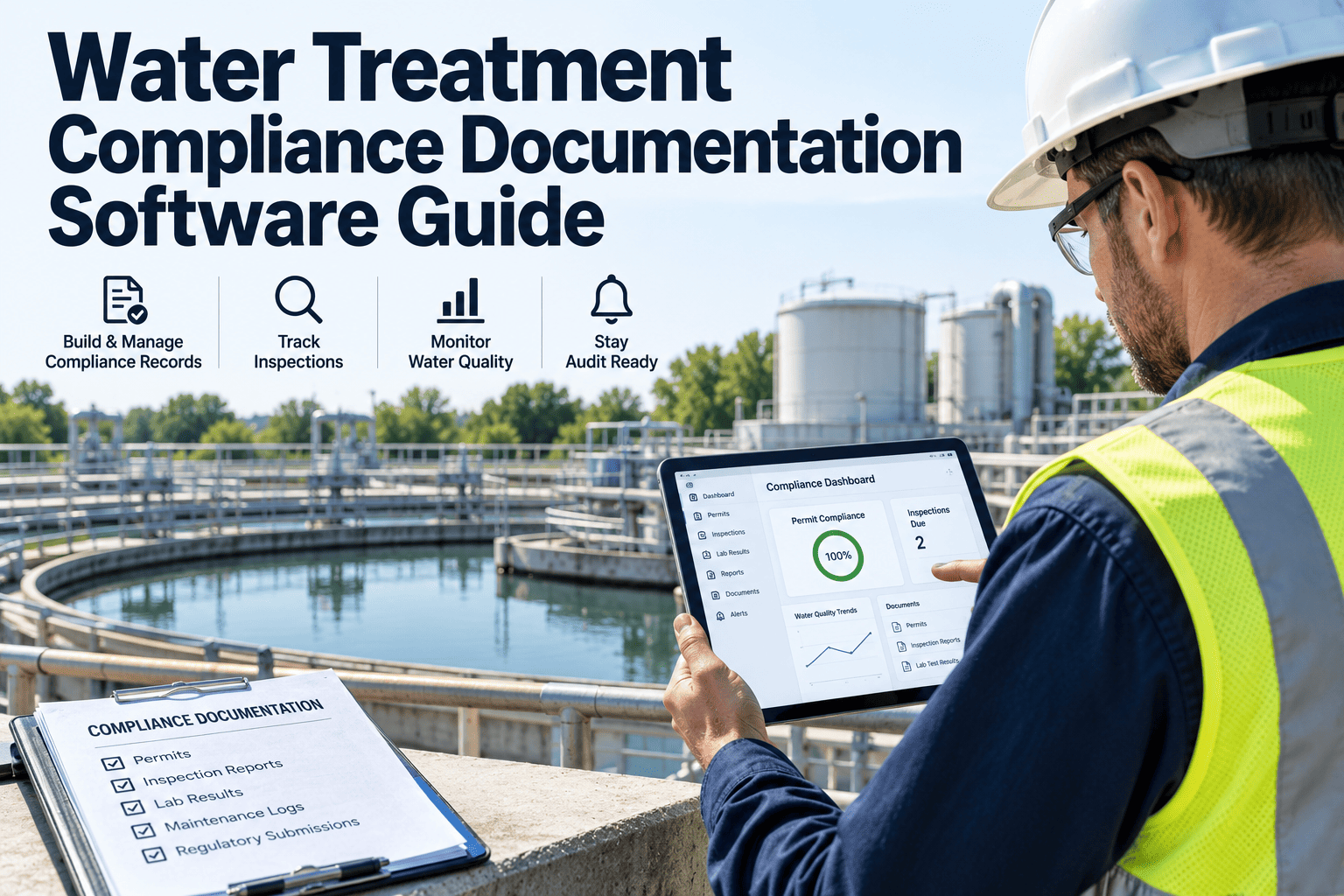
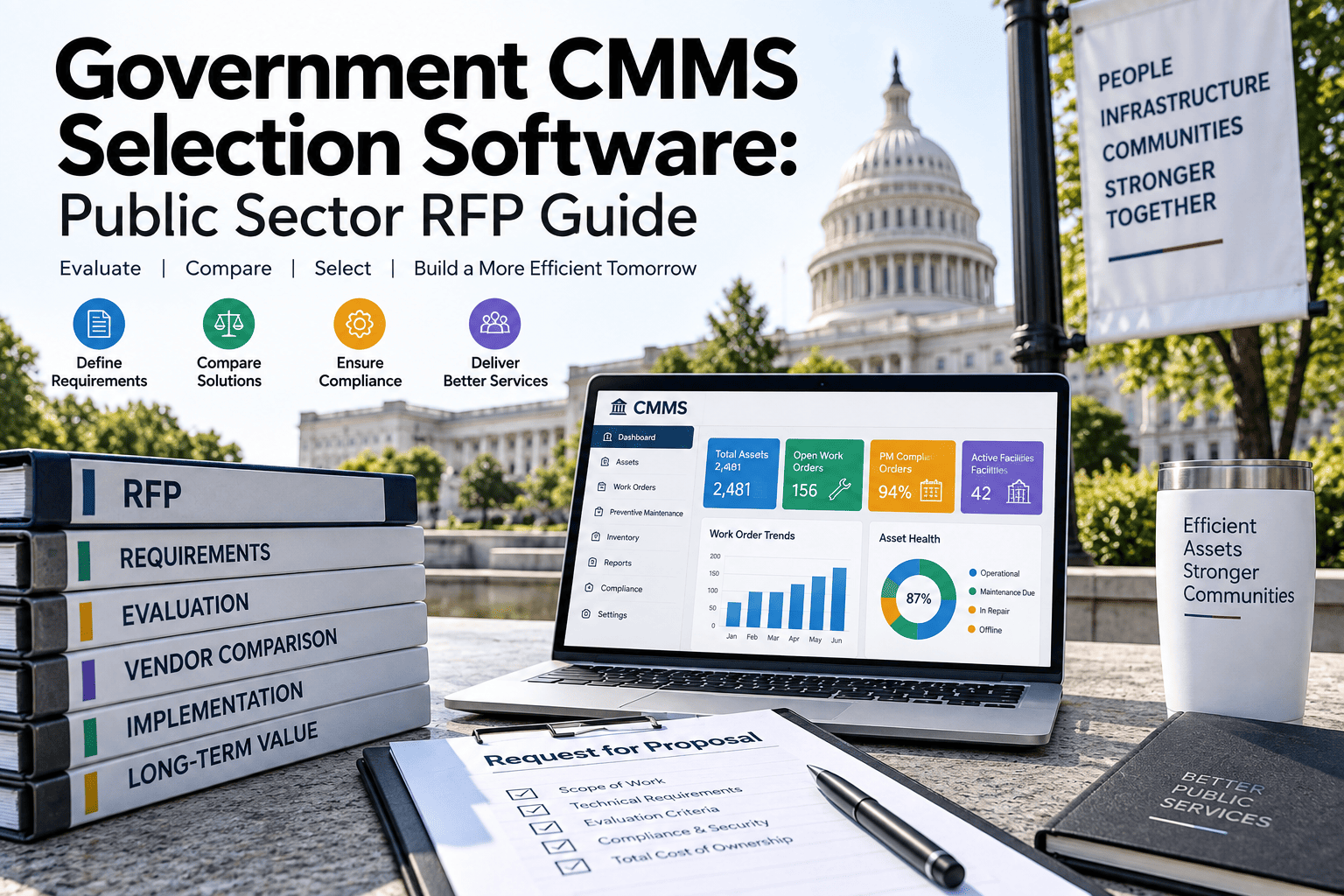
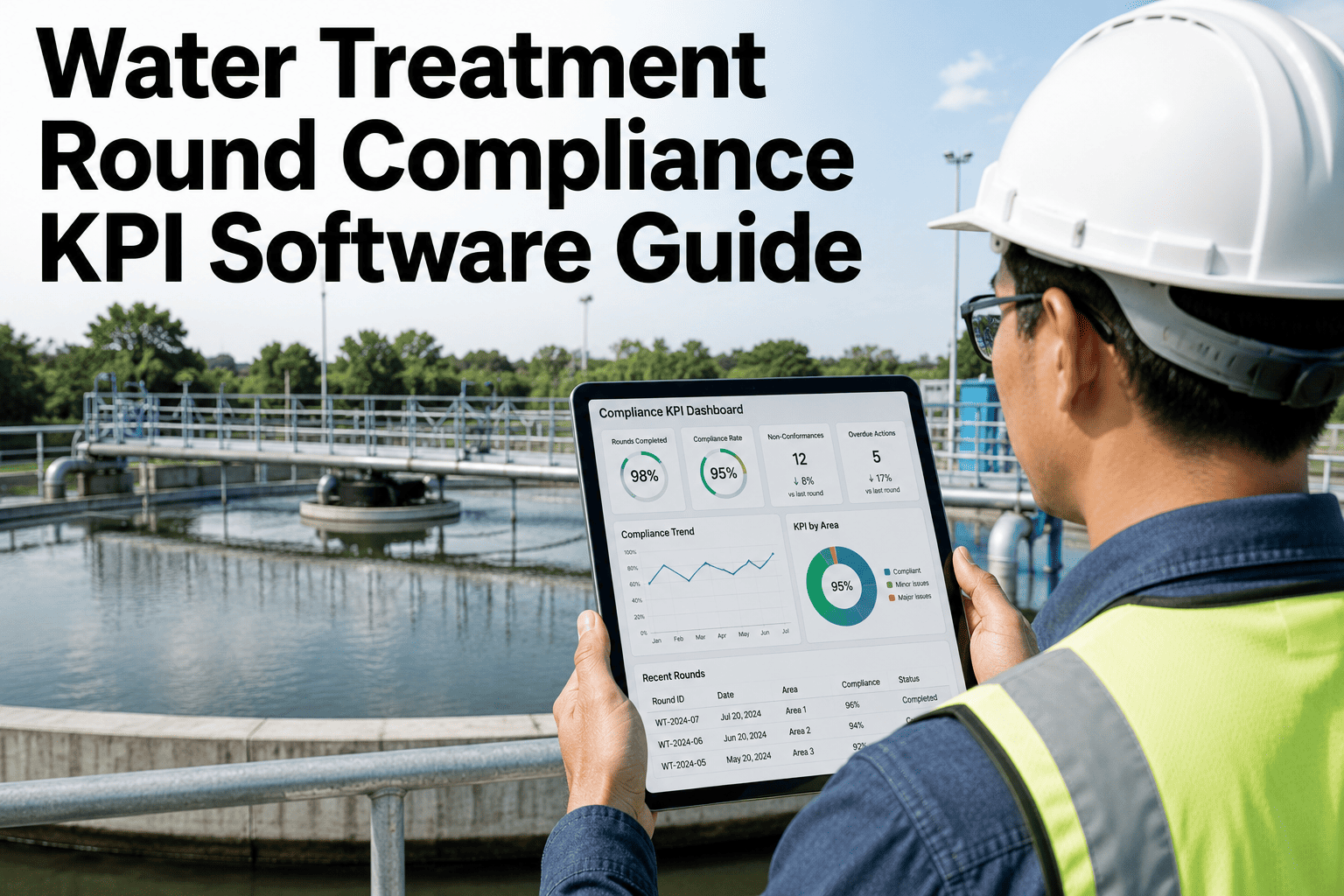
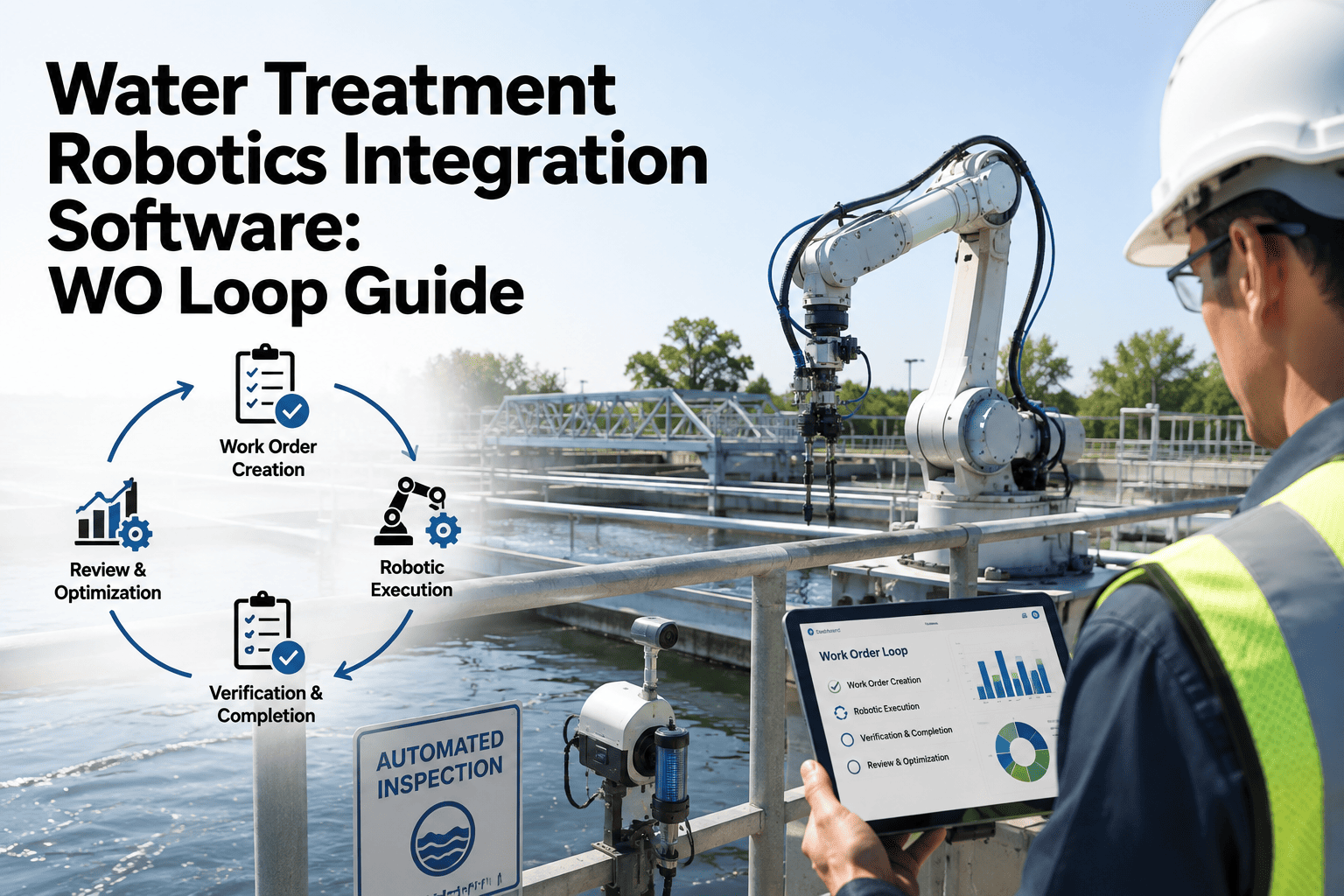
Water treatment plants are adopting automation and robotics faster than any other municipal infrastructure sector — and for good reason.Autonomous sensors monitor turbidity, pH, chlorine residual, and flow continuously — flagging deviations before they become permit violations. The missing piece for most utilities is connecting all of this automation data into a maintenance and compliance management workflow. OxMaint integrates with your automation systems to turn sensor alerts and equipment readings into scheduled work orders, inspection records, and audit-ready compliance documentation — automatically. Book a demo to see the full automation-to-compliance pipeline.
The Four Automation Technologies Transforming Water Treatment Compliance
- Closed-loop dosing systems adjust chlorine, coagulant, and pH correction in real time based on continuous water quality readings
- Eliminates operator measurement error and time-lag between sampling and dosing adjustment
- Automated calibration verification logs satisfy SDWA chemical feed documentation requirements
- OxMaint captures dosing pump calibration PMs and flags deviations from set-point thresholds automatically
- Remotely operated crawlers inspect transmission mains, sedimentation basins, and filter underdrain systems without dewatering or entry
- High-definition camera and sonar produce structural condition reports with defect location coordinates
- Inspection frequency increases from annual to quarterly without additional labour cost
- OxMaint stores robotic inspection reports against each asset record — creating a continuous structural condition history for capital planning
- Online analysers measure turbidity, chlorine residual, pH, TOC, and ammonia continuously at defined monitoring points
- Deviation alerts trigger immediate operator notification and OxMaint work order creation
- Continuous data stream replaces manual grab sampling for routine compliance monitoring at many utilities
- OxMaint tracks analyser calibration schedules and stores QC verification results for regulatory review
- Vibration, temperature, and current sensors on rotating equipment feed AI models that detect degradation patterns weeks before failure
- Predictive alerts generate OxMaint work orders for targeted inspection or part replacement before failure occurs
- Reduces unplanned downtime and eliminates emergency repair premiums for critical treatment equipment
- OxMaint stores condition trend data alongside PM history — building the equipment lifecycle record needed for asset management planning
How OxMaint Connects Automation to Compliance Documentation
Automation generates data. Compliance requires documentation. OxMaint is the bridge — receiving inputs from SCADA, online analysers, and robotic inspection systems and converting every signal into a timestamped, structured maintenance record that satisfies EPA, SDWA, and NPDES audit requirements. Sign up free and connect your first data source in under an hour.
OxMaint vs Competing Platforms — Automation Integration Capability
| Capability | OxMaint | MaintainX | UpKeep | Limble CMMS | IBM Maximo | Hippo (Eptura) |
|---|---|---|---|---|---|---|
| SCADA / IoT sensor integration | Native API | Limited | Limited | Limited | Advanced | No |
| Automated work order from sensor alert | Native | Basic | Basic | Basic | Advanced | No |
| Robotic inspection report storage | Native asset record | File attach only | File attach only | File attach only | Full module | No |
| Analyser calibration PM tracking | Native | Generic PM | Generic PM | Generic PM | Custom | No |
| EPA / SDWA compliance export | One-click PDF | No | No | No | Configurable | No |
| Deployment time | Days | Weeks | Weeks | 1 week | Months | Weeks |
Results Water Treatment Plants Achieve with OxMaint
Frequently Asked Questions
What automation systems does OxMaint integrate with?
OxMaint integrates with SCADA platforms, online water quality analysers, IoT sensor gateways, and robotic inspection systems via REST API, MQTT, Modbus, and BACnet protocols. Common integrations include Wonderware, Ignition, OSIsoft PI, Monnit sensor networks, and robotic inspection platforms from companies such as Xylem and Envirosight. If your system supports standard industrial protocols, OxMaint can receive its data.
Does automated dosing data satisfy EPA chemical feed documentation requirements?
Yes, provided the automated system is properly calibrated and the calibration records are maintained. The Safe Drinking Water Act requires documentation of chemical feed system operation and calibration — not necessarily manual operator logs. OxMaint stores automated dosing system calibration PMs, verification results, and deviation alerts as structured records that satisfy SDWA treatment technique documentation requirements in most state primacy programs.
Can robotic inspection data replace mandatory physical inspections for compliance?
In most jurisdictions, robotic inspection reports from certified operators using calibrated equipment can satisfy the documentation requirements for internal pipe and basin inspection — eliminating the need for confined space entry in many cases. Requirements vary by state and permit condition. OxMaint stores the robotic inspection report, operator certification, equipment calibration record, and inspection findings as a complete compliance package against each asset record.
How does OxMaint handle SCADA alarms that do not require a work order?
OxMaint allows configurable alarm-to-work-order rules. You define which alarm types, threshold levels, and duration conditions trigger automatic work order creation. Informational alerts below action thresholds can be logged without creating a work order — maintaining a data record without generating unnecessary tasks. This keeps your work order queue meaningful and prevents operator alert fatigue from high-frequency nuisance alarms.