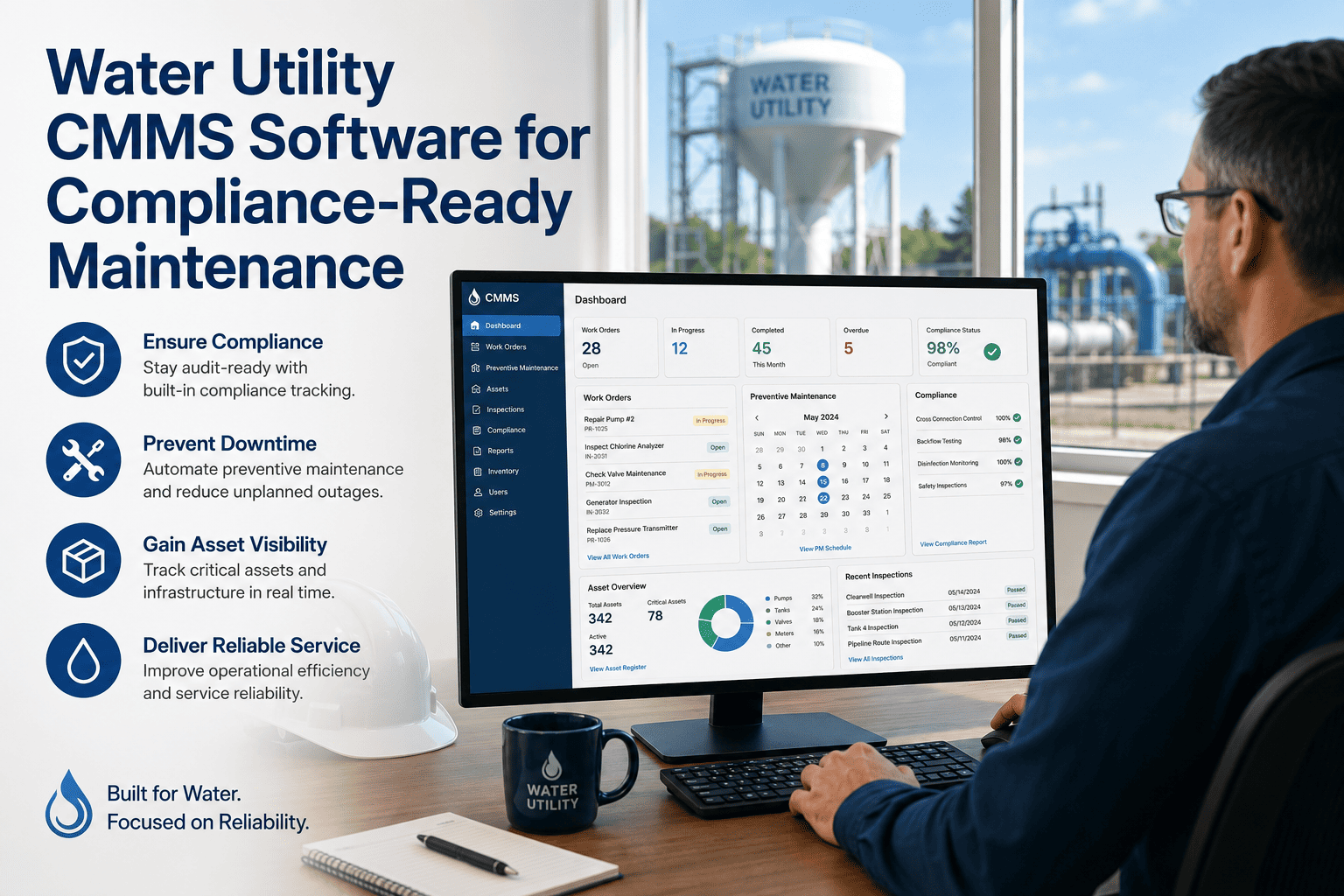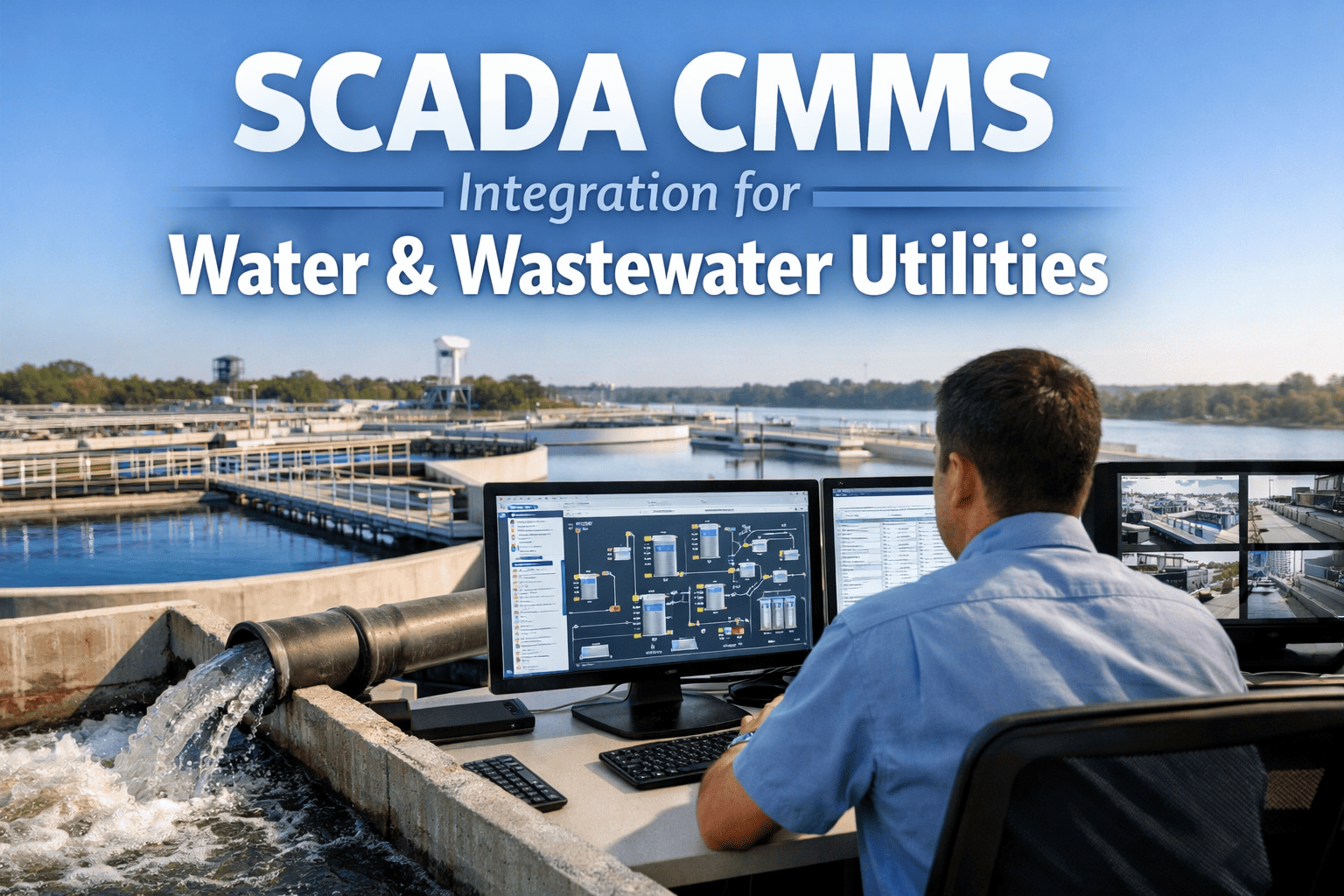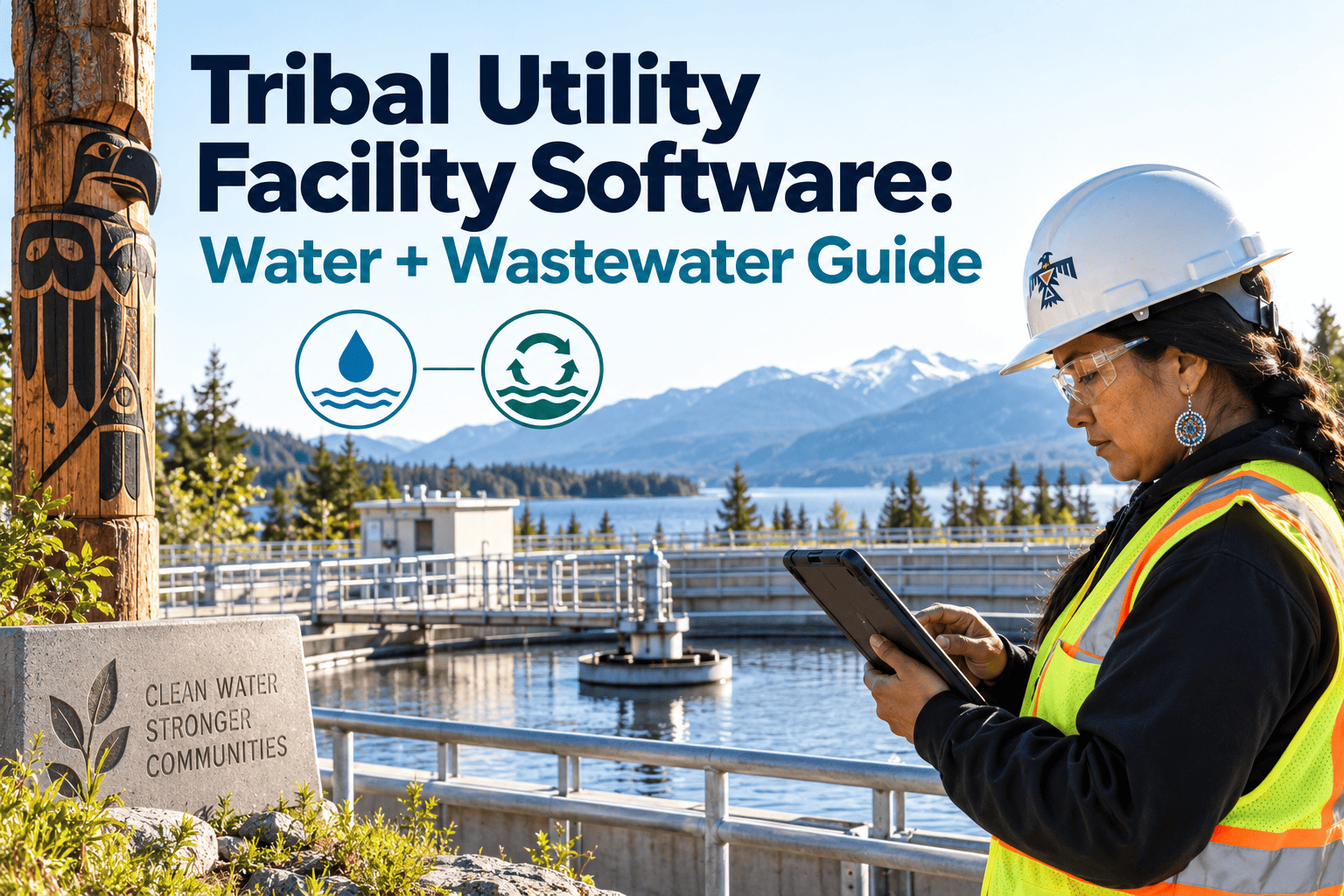
Tribal utility teams often manage drinking water, wastewater, irrigation, and dam safety with limited staff and separate reporting requirements. Paper logs, radio records, and disconnected spreadsheets make inspections and maintenance records difficult to track and retrieve. OxMaint brings these assets into one register built for tribal utility operations, available anytime at app.oxmaint.ai.
Stop Rebuilding Your Compliance Records Every Time A Program Office Calls
Bring your water plant, wastewater system, irrigation network, and dam inspections into one record that is ready whenever BIA, IHS, or your own council asks for it.
One Utility Team, Four Federal Programs
Tribal utilities may work across BIA, IHS, EPA, and state requirements. Understanding how water, wastewater, irrigation, and dam assets connect helps teams manage maintenance and reporting consistently instead of reacting to separate program requests.
Tribal drinking water systems are often supported through the IHS Sanitation Facilities Construction Program. Once built, tribes manage daily operations, making treatment logs, chlorine checks, and filter maintenance important even with limited staff.
Wastewater facilities may receive federal investment based on violations, contamination risk, or failure risk. Accurate condition and maintenance history helps tribes document rehabilitation needs when funding is requested.
BIA irrigation assets include canals, headgates, pumping plants, and delivery structures serving roughly 25,000 users and more than 780,000 acres. Condition and maintenance records support rehabilitation planning and funding requests.
Dams on Indian trust land are managed through the BIA Safety of Dams program using risk-informed inspection and evaluation cycles. Documented inspection schedules support reliable dam safety monitoring.
Built For Every Role Touching Tribal Infrastructure
A missing inspection record can affect audit preparation, funding applications, and field work. OxMaint gives each role access to the same current asset and maintenance record.
Sees open work orders, overdue maintenance, and upcoming inspections across all utility assets from one dashboard.
Pulls condition history and completed maintenance records directly when preparing BIA or IHS funding applications.
Logs chlorine readings, lagoon checks, headgate inspections, and dam instrumentation from a phone at the asset.
Reviews plain-language infrastructure health and compliance summaries to support budget and capital decisions.
Four Programs. One Asset Register. Zero Guesswork At Audit Time.
Walk through how OxMaint organizes water plants, wastewater systems, irrigation assets, and dams under one login, with the inspection records each federal program actually asks to see.
Why Documentation Is Not Optional For Tribal Utilities
The Bipartisan Infrastructure Law directs major funding to tribal communities, including support for tribal dam, water, and sanitation projects. Current condition assessments, inspection records, and maintenance evidence help document infrastructure needs during funding cycles.
Safety of Dams rehabilitation uses inspection and risk analysis, while water and sanitation investments may prioritize systems with documented compliance or failure risks. Organized, current records make it easier to provide condition and maintenance evidence when funding is requested.
How OxMaint Supports Every Tribal Utility Asset
The same six-step workflow covers plant checks, irrigation maintenance, and dam inspections, turning field activity into searchable, reportable records without extra paperwork.
Every water plant, lift station, canal structure, headgate, and dam is tracked as an asset with its program, install date, and condition history in one system.
Recurring tasks such as chlorine testing, lagoon inspections, headgate lubrication, and dam readings are scheduled with automated reminders before they become overdue.
Operators log readings, upload photos, and complete checklists from a phone or tablet, with data syncing when a connection returns.
Leaks, pump failures, and dam anomalies become work orders with location, asset history, and required parts so crews have the right information before dispatch.
Inspection history, condition assessments, and maintenance reports can be generated from completed work orders instead of rebuilt from scattered records before a review.
Early warning checks, periodic reviews, and annual dam inspections are tracked to the required cadence, with reminders and a record of who completed each check.
What Changes When Tribal Utilities Adopt A Unified CMMS
These figures reflect the operational shift described after consolidating water, wastewater, irrigation, and dam safety maintenance in one platform. Key measures include preventive maintenance completion and access to current asset history.
| Operational Metric | Before Unified CMMS | After OxMaint | Change |
|---|---|---|---|
| Time to compile records for a BIA or IHS audit | 3 to 5 days | Under 1 day | -78% |
| Missed preventive maintenance tasks per quarter | 27% | 6% | -78% |
| Dam inspection cycles completed on schedule | 71% | 98% | +27 pts |
| Average work order response time | 2.6 days | 0.9 days | -65% |
| Assets with complete, current condition history | 38% | 92% | +54 pts |
| Operator hours spent on manual recordkeeping weekly | 9.4 hrs | 2.1 hrs | -78% |
Tribal utility teams often manage multiple infrastructure programs with limited staff. Consolidating water, wastewater, irrigation, and dam records can make maintenance history easier to review and provide during site visits and funding discussions.
When records are unified, teams can more easily show asset condition, inspection schedules, and completed maintenance. A single asset register makes this evidence easier to produce when requested.
Frequently Asked Questions
Give Every Water Plant, Wastewater System, Canal, And Dam One Home
See how tribal utility teams use OxMaint to keep BIA and IHS records current, reduce recordkeeping, and provide maintenance evidence during funding discussions.