When a rehabilitation facility loses power, the consequences extend far beyond inconvenience. Patients recovering from strokes depend on powered mobility equipment for therapy sessions. Those with traumatic brain injuries rely on electronic monitoring systems. Ventilator-dependent patients face immediate life-threatening situations. Weather-related power outages have doubled in frequency over the past decade compared to the early 2000s, while $390 billion in deferred maintenance exists across U.S. healthcare facilities—much of it tied to outdated electrical infrastructure. For rehab facilities serving vulnerable populations, emergency power system reliability isn't a compliance checkbox; it's the foundation of patient safety.
NFPA 110, NFPA 99, and CMS emergency preparedness requirements mandate rigorous testing protocols that many facilities struggle to maintain with paper-based systems. Monthly generator tests, transfer switch verifications, and 36-month load bank tests generate documentation that must survive survey scrutiny years later. Facilities that get support for digital compliance tracking discover that systematic testing documentation not only satisfies regulators but also identifies degradation patterns before equipment fails during actual emergencies.
Elevate healthcare uptime using mobile inspections
The gap between regulatory requirements and operational reality often comes down to documentation. Joint Commission standards require generator testing 12 times annually at intervals of 20-40 days, with tests running at minimum 30% nameplate load for 30 continuous minutes. Transfer switches require monthly verification. Every 36 months, Level 1 systems demand extended load tests of at least 4 hours. Missing even one monthly test triggers remediation requirements that can consume resources and attention during survey preparation.
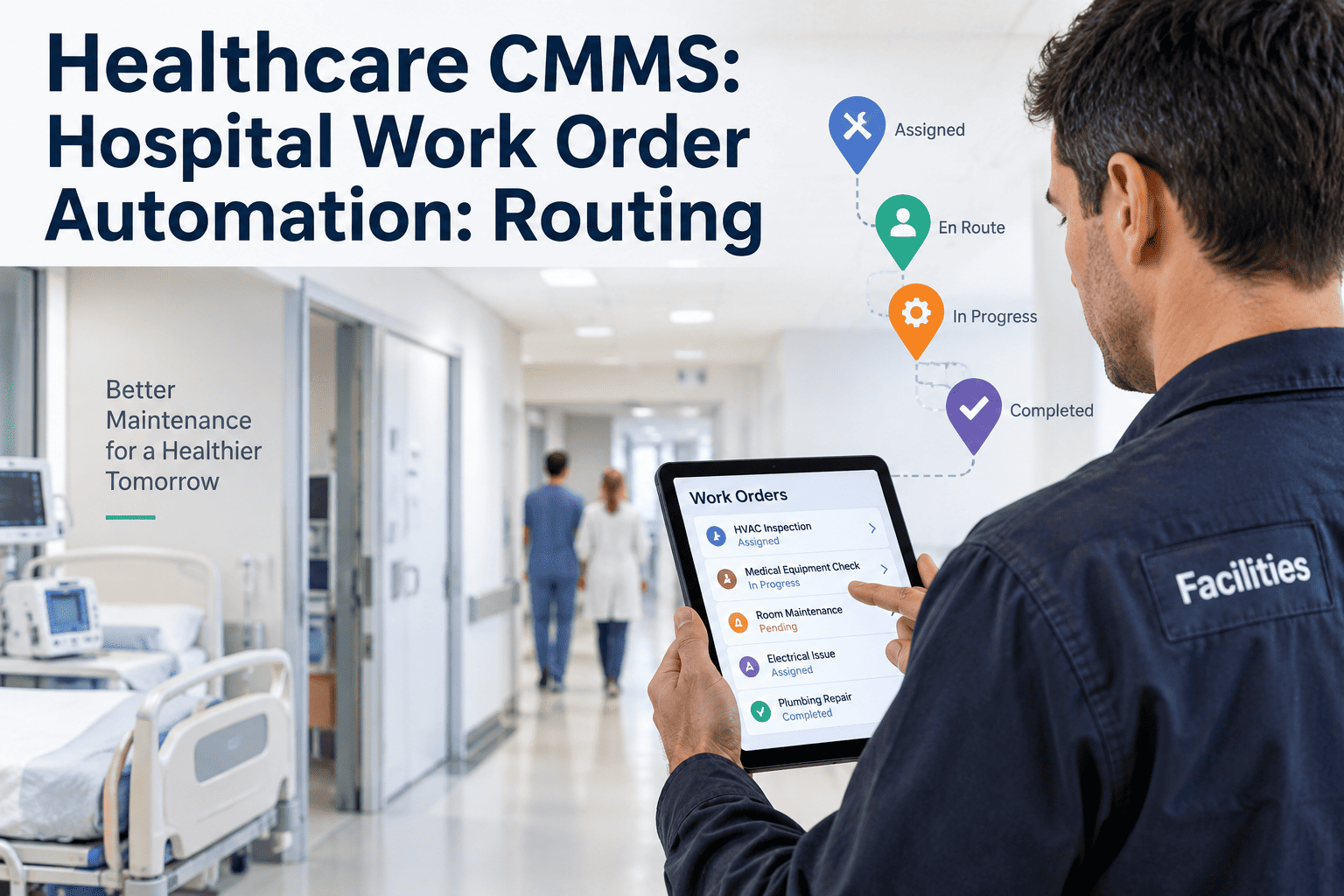
Mobile inspection platforms transform these requirements from administrative burdens into streamlined workflows. Technicians scan generator QR codes, follow guided checklists with required fields, capture timestamped photos of gauge readings, and submit documentation that syncs instantly to cloud storage. Supervisors receive real-time visibility into testing status across all equipment, while automated alerts ensure deadlines don't slip through scheduling gaps. Facilities exploring these capabilities should schedule a demo for mobile inspection workflows to see how digital documentation eliminates compliance anxiety.
From reactive to predictive—a healthcare roadmap with analytics
Traditional maintenance approaches wait for problems to manifest—a failed start during monthly testing, an overheating alarm, or worst case, a generator that won't engage during an actual outage. Predictive maintenance inverts this model by analyzing operational data to identify degradation before failure occurs. Battery conductance trends, fuel consumption patterns, coolant temperature variations, and start-time degradation all provide early warning signals that trained algorithms can detect weeks or months before catastrophic failure.
The transition from reactive to predictive requires systematic data collection—exactly what digital CMMS platforms enable. Every monthly test captures operational parameters that build historical baselines. AI analytics compare current readings against these baselines and against fleet-wide patterns from similar equipment. When anomalies emerge, the system generates predictive work orders that schedule intervention during planned downtime rather than emergency response. Facilities building these capabilities can contact support for AI analytics integration to accelerate their predictive maintenance journey.
Risk Scoring: Prioritizing Critical Equipment
Not all emergency power components carry equal risk. A failed ATS serving life-safety circuits demands immediate response, while a degraded UPS protecting administrative systems may tolerate scheduled remediation. Risk scoring frameworks help maintenance teams allocate limited resources where they matter most, ensuring that inspection frequency, spare parts inventory, and response protocols align with actual patient safety impact.
Digital CMMS platforms automate risk-based prioritization by scoring each asset based on failure probability, failure consequence, and current condition indicators. Work orders automatically inherit priority levels that guide technician response. Dashboard views highlight equipment approaching risk thresholds, enabling proactive intervention before scores escalate. This systematic approach ensures that facilities facing resource constraints make data-driven decisions about where to focus attention. For guidance on implementing risk-based frameworks, book a demo for risk scoring configuration.
Expert Review: Building Survey-Ready Documentation
The most common EPSS survey deficiencies aren't equipment failures—they're documentation gaps. Facilities with functioning generators still receive citations when they can't produce testing records, when intervals exceed 40 days between monthly tests, or when load percentages weren't documented. Digital systems that enforce required fields and timestamp every entry create audit trails that withstand the most rigorous survey scrutiny.
Conclusion: From Compliance Burden to Patient Protection
Emergency power system testing will never be optional for rehabilitation facilities—CMS emergency preparedness requirements, Joint Commission standards, and NFPA codes exist because power failures in healthcare settings can cost lives. But the approach to meeting these requirements is entirely within your control. Paper logbooks vulnerable to damage, manual scheduling prone to gaps, and reactive maintenance that discovers problems during emergencies represent approaches that maximize both compliance risk and patient safety risk.
Digital CMMS platforms transform the same regulatory requirements into systematic workflows that actually reduce administrative burden while strengthening patient protection. Automated scheduling ensures tests happen on time. Mobile inspections capture complete documentation with timestamps and photos. Predictive analytics identify degradation before failures occur. Risk scoring prioritizes resources where they matter most. For rehabilitation facilities serving vulnerable patients who depend on powered equipment for recovery, the investment in digital compliance systems isn't just about passing surveys—it's about ensuring that when the grid fails, your emergency power systems won't.