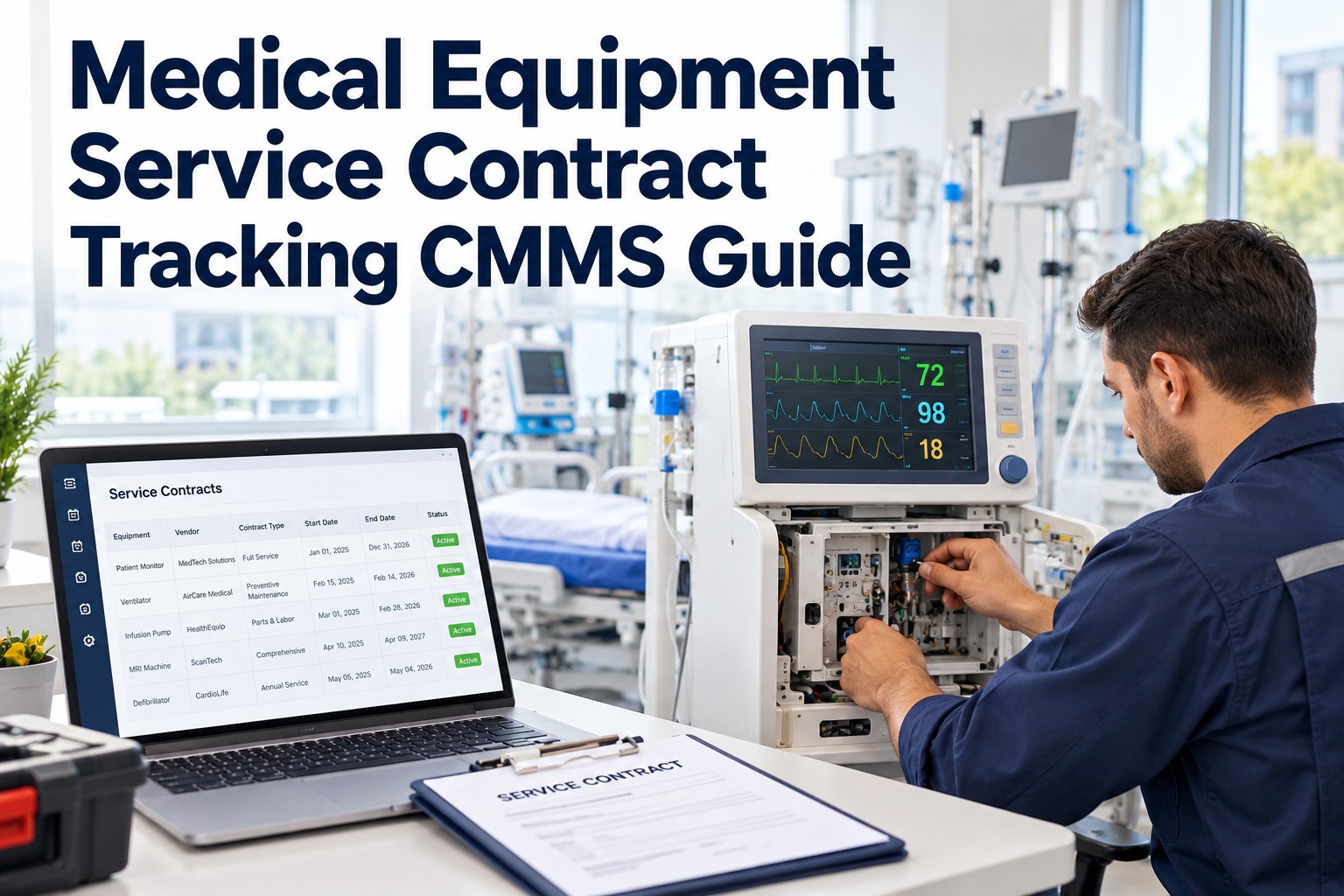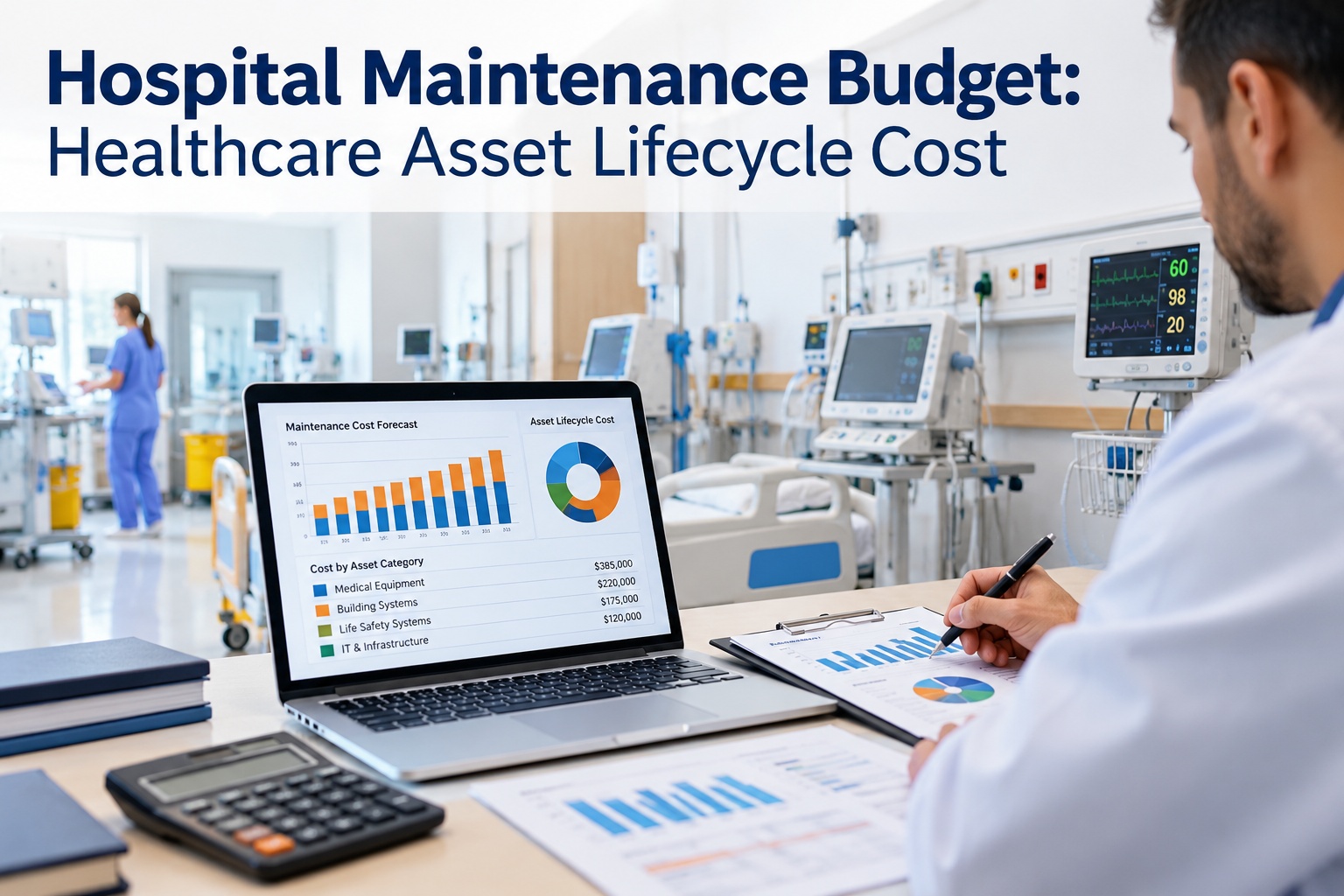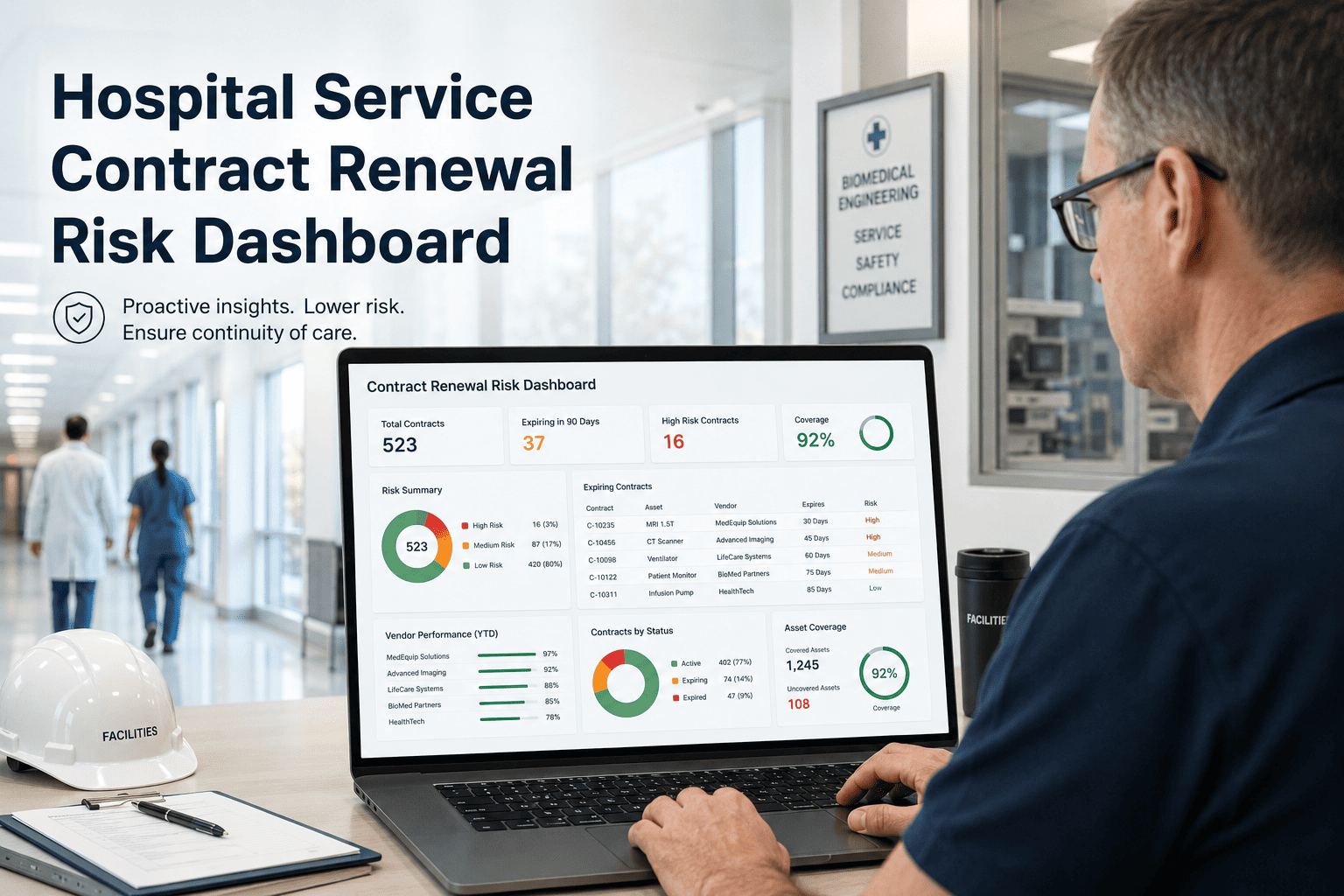
The average hospital manages around 146 active equipment service contracts at any given time, and most renew on autopilot. Nobody flags the contract until thirty days before expiration, by which point the only real decision left is whether to sign the same number again. Industry analysis has found price variance as high as 57% between hospitals paying for the identical full-service contract on the same equipment from the same vendor — money left on the table simply because nobody had the data to negotiate from. OxMaint tracks vendor cost, response time, and repeat failure rate against every contracted asset, so renewal decisions are based on performance history instead of habit.
Renew on Performance Data, Not on the Calendar
Every service contract renewal is a negotiation opportunity disguised as a formality. Without asset-level performance data, procurement teams sign whatever lands on the desk. OxMaint gives you the vendor cost, response time, and repeat-failure history for every contracted asset, so the next renewal conversation starts from evidence instead of inertia.
What a Renewal Decision Should Actually Look Like
| Vendor | Avg Response Time | Repeat Failures (12 mo) | Annual Contract Cost | Renewal Signal |
|---|---|---|---|---|
| Vendor A — Imaging Service | 4.2 hrs | 1 | $42,000 | Renew |
| Vendor B — HVAC Contract | 11.6 hrs | 5 | $38,500 | Renegotiate |
| Vendor C — Biomed General | 6.8 hrs | 2 | $29,200 | Review |
Illustrative scorecard format. OxMaint builds this view automatically from your actual work order, response time, and cost data per contracted asset.
Your next renewal letter shouldn't be the first time you look at the data.
See your own vendor performance scorecard built from your actual contract and work order history.
Four Questions Every Renewal Should Answer
What Healthcare Procurement Leaders Say
Questions Procurement Teams Ask About Contract Renewal
How does OxMaint help compare vendor performance before a renewal decision?
Can OxMaint flag contracts with repeat equipment failures?
How much price variance is typical across hospital service contracts?
Should every piece of equipment carry a full-service contract?
Walk into your next contract negotiation with the data already on your side.
See exactly how every vendor is performing against cost, response time, and repeat failures before you sign anything again.