.png)
A bedside patient monitor in a cardiac ICU that drifts 4 mmHg on NIBP readings — undetected because the last calibration was 14 months ago instead of 12 — creates a clinical decision error that no post-incident review can undo. In 2024, 58 percent of Joint Commission medical equipment management findings cited incomplete preventive maintenance documentation on patient monitoring systems as a contributing factor. The monitors were inspected. The calibrations were performed. The failure was in the retrievable record — between what the biomed technician completed in the field and what was documented in an auditable system when the surveyor arrived. That gap is exactly what Oxmaint closes. Book a demo to see how Oxmaint digitizes patient monitor PM schedules, calibration records, and alarm management documentation across your clinical engineering operation.
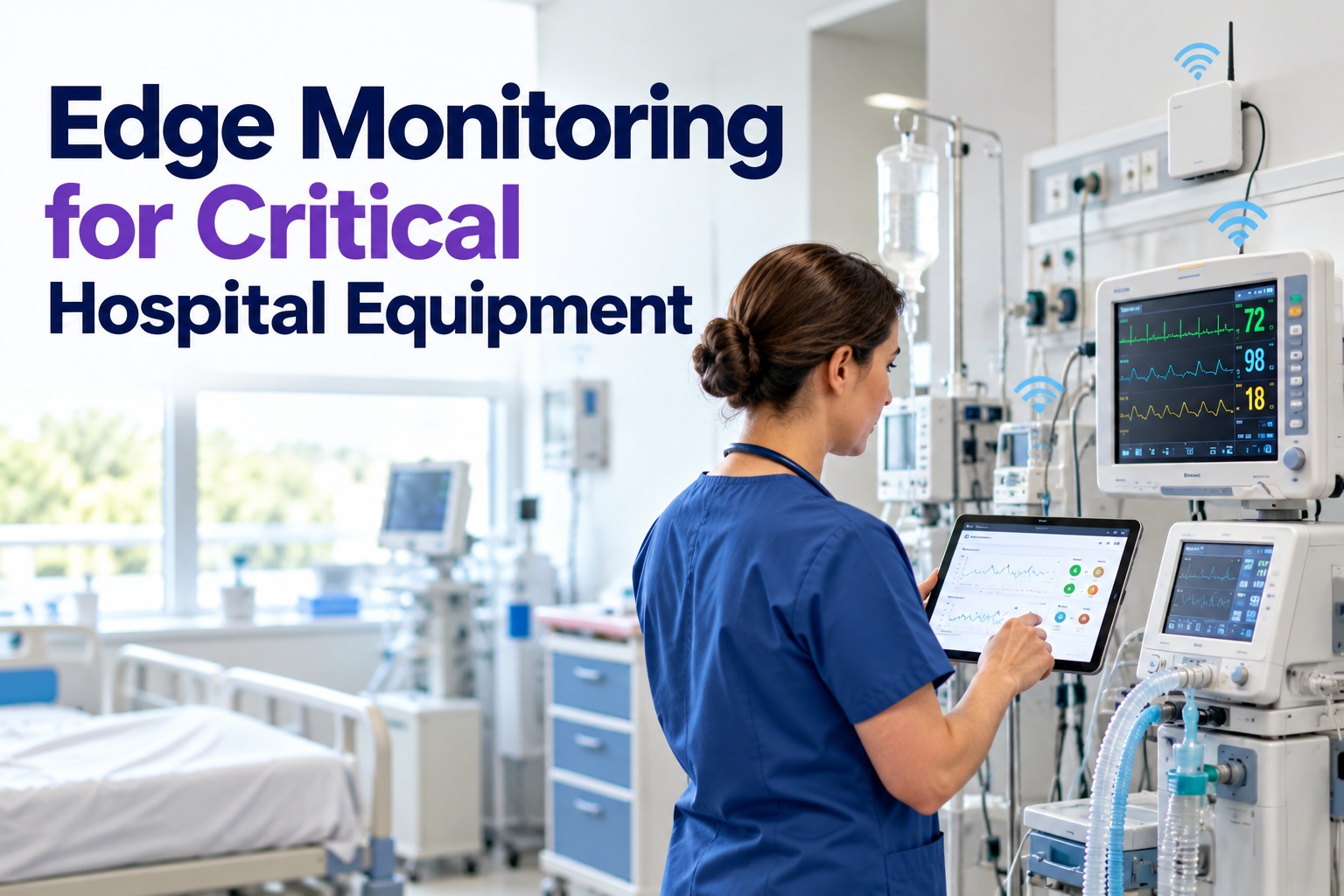
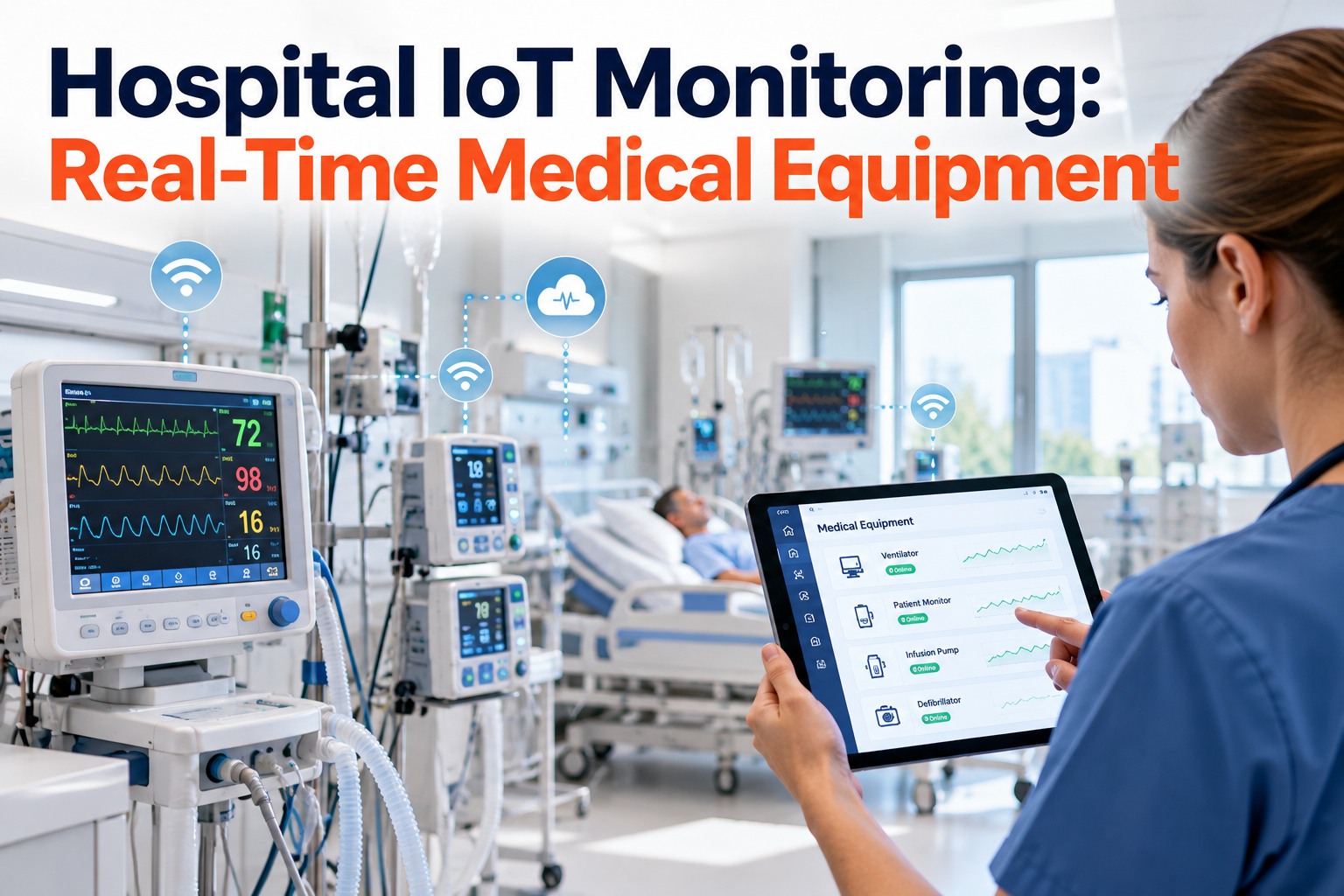
Patient monitoring system maintenance requires documented control of four interdependent areas: bedside monitor PM per manufacturer IFU and IEC 62353 intervals, calibration verification for vital signs parameters (SpO2, NIBP, ECG, temperature, IBP), central station and telemetry infrastructure maintenance, and clinical alarm management documentation per Joint Commission NPSG.06.01.01. Oxmaint digitizes every PM task, calibration record, alarm configuration change, and service event — connecting biomed field execution to auditable compliance documentation automatically.
Four Compliance Areas Where Documentation Failures Create Patient Risk
Bedside monitors in ICU, med-surg, ED, and perioperative areas require documented PM at manufacturer-specified intervals — including electrical safety testing, battery capacity verification, display integrity checks, and module functionality validation. A missed PM interval creates survey liability for every patient monitored on that device after the due date. Oxmaint schedules every PM task per monitor model IFU and flags overdue items before they become survey findings.
SpO2 sensor accuracy, NIBP measurement tolerance, ECG waveform fidelity, temperature probe calibration, and invasive blood pressure transducer verification — each parameter has its own calibration standard and documented acceptance criteria. Paper calibration logs are the most common documentation gap in biomed survey reviews. Oxmaint captures every calibration result digitally — tied to the specific monitor, parameter, and technician.
Central monitoring stations, telemetry receivers, wireless access points, and network switches that carry physiological data all require documented maintenance, firmware updates, and connectivity verification. A central station failure affects every monitored bed on the unit simultaneously. Oxmaint tracks infrastructure PM, firmware currency, and network component service records in the same system as bedside monitor maintenance.
Alarm parameter configuration, alarm limit change documentation, alarm fatigue reduction initiatives, and alarm response time tracking are all Joint Commission National Patient Safety Goal requirements. Every alarm configuration change on a patient monitor must be traceable to a clinical order and documented with timestamp and responsible party. Oxmaint logs alarm parameter changes, tracks alarm event data, and produces alarm management compliance reports for survey readiness.
Every PM. Every Calibration. Every Alarm Change. Documented at the Device — Not After.
Oxmaint captures patient monitor PM completions, calibration results, and alarm configuration changes on mobile — completing documentation at the point of service, not reconstructed before the survey. Start your free trial to see the patient monitoring workflow for your biomed operation.
Implementation Roadmap
Every bedside monitor, transport monitor, central station, telemetry transmitter, and wireless infrastructure component registered with manufacturer, model, serial number, location, and IFU-specified PM intervals. PM task templates built per equipment model — electrical safety, battery test, display check, module validation, calibration verification.
Parameter-specific calibration templates activated for SpO2, NIBP, ECG, temperature, and IBP — with tolerance ranges per manufacturer specification. Alarm configuration change logging enabled. Biomed technicians access PM and calibration tasks via QR-scanned asset tags on each monitor. Book a demo to see calibration capture and alarm tracking for your monitor fleet.
Equipment management dashboard activated — PM currency across all monitors, calibration compliance rates, overdue service tasks, alarm management documentation status, and equipment lifecycle trending. Survey-ready packages exportable for Joint Commission, CMS, and state surveys in under 2 hours.
Oxmaint vs Competing Platforms — Patient Monitor Management
| Capability | Oxmaint | MaintainX | UpKeep | Fiix | Limble | IBM Maximo |
|---|---|---|---|---|---|---|
| Monitor PM per manufacturer IFU | Yes | Generic | Generic | Generic | Generic | Yes |
| Parameter-specific calibration capture | Yes | No | No | No | No | Custom |
| Alarm configuration change logging | Yes | No | No | No | No | Custom |
| Central station and telemetry PM tracking | Yes | Generic | Generic | Generic | Generic | Yes |
| Equipment lifecycle and replacement forecasting | Yes | No | Partial | Partial | No | Yes |
| Joint Commission survey-ready export | Yes | Partial | Partial | Partial | Partial | Yes |
| Deploys in weeks, no consultant | Yes | Yes | Yes | Varies | Yes | No |
Client Results — First Year After Deployment
Before and After Oxmaint
| Documentation Area | Before Oxmaint | After Oxmaint |
|---|---|---|
| Calibration record retrieval for surveyor | 30 to 60 minutes searching binders per monitor | Under 90 seconds — search by device, location, or date |
| PM compliance visibility | Spreadsheet updated monthly — overdue PMs discovered at survey | Real-time dashboard with automated alerts 7 and 1 day before due |
| Alarm configuration change tracking | Not tracked — alarm changes undocumented | Every change logged with timestamp, parameter, and responsible party |
| Battery replacement forecasting | Reactive — batteries replaced after failure | Predictive replacement based on cycle count and capacity test trending |
| Survey preparation time | 2 to 3 weeks assembling paper records | Under 2 hours — automated export from Oxmaint |
| Telemetry infrastructure service records | Managed by IT — disconnected from biomed records | Unified in Oxmaint with bedside monitor PM and calibration data |
From 71% to 99% PM Compliance — in 90 Days
Close the patient monitoring documentation gap before the next survey — not after. Book a demo to see your current compliance gap identified in the first deployment session.
Frequently Asked Questions
Close the Patient Monitoring Documentation Gap Before the Next Survey
Digital PM scheduling, calibration documentation, alarm management tracking, and telemetry infrastructure records — all live in Oxmaint within 4 to 6 weeks, no IT project required. Book a demo with your clinical engineering director and see the full compliance workflow configured for your patient monitoring fleet.