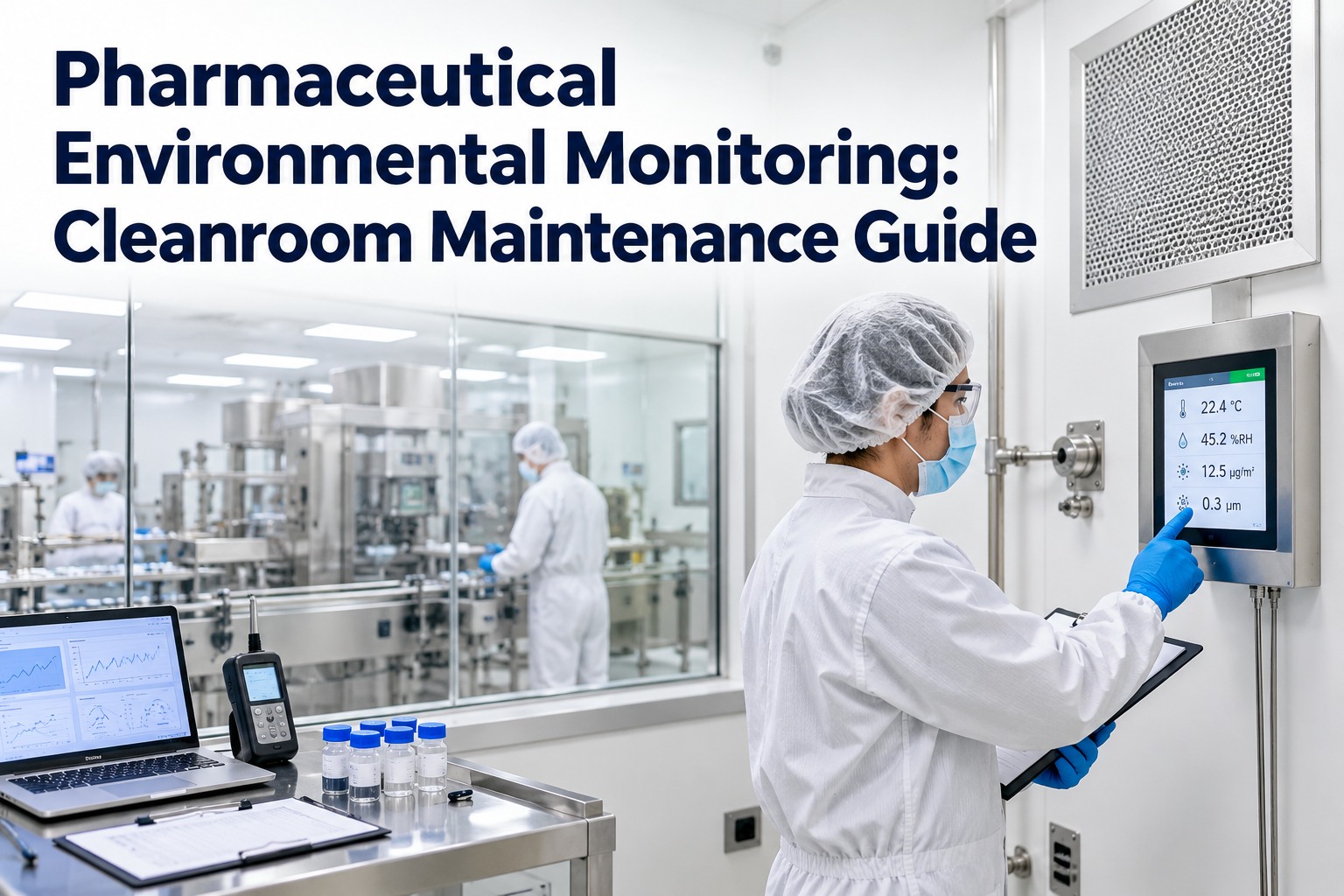
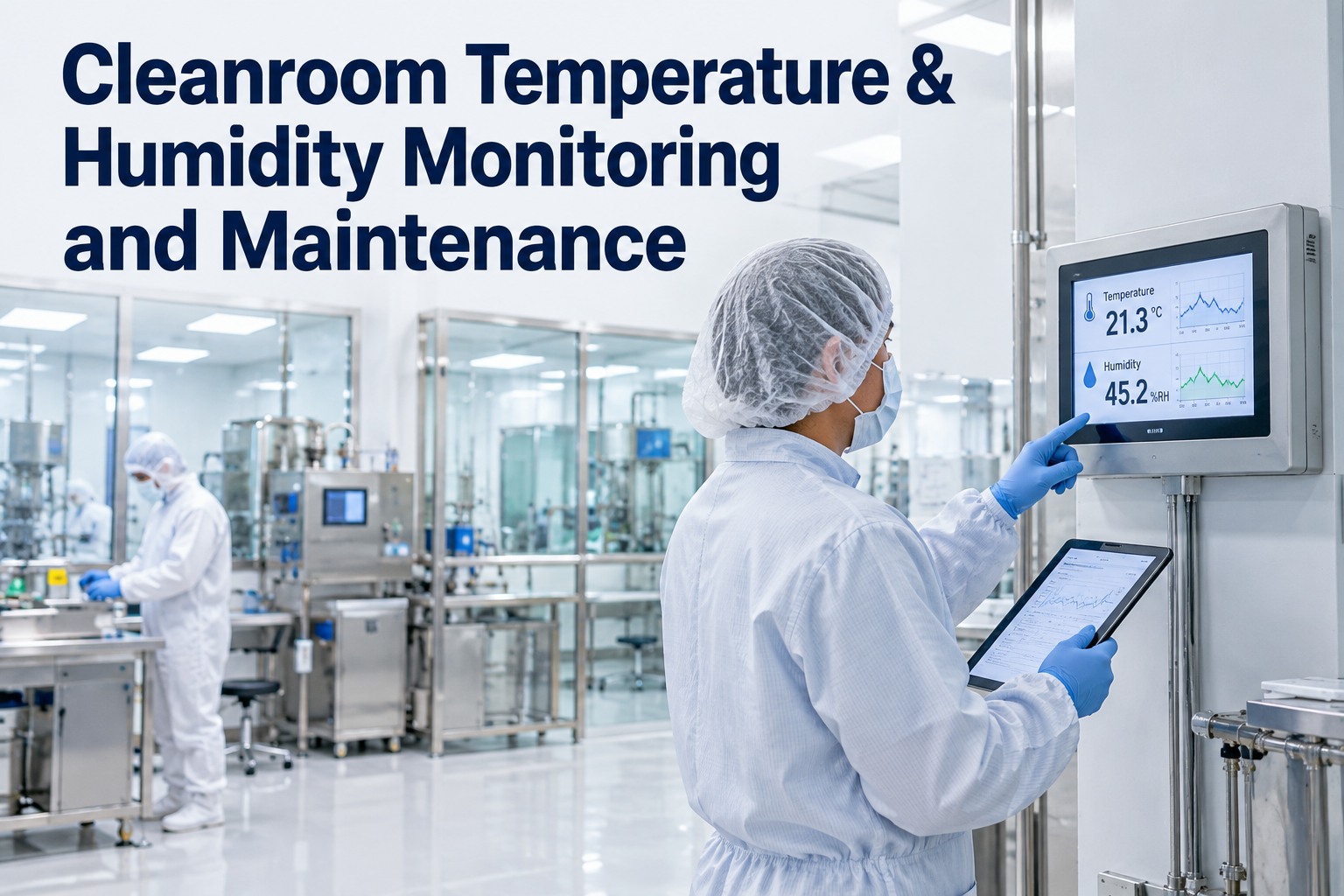
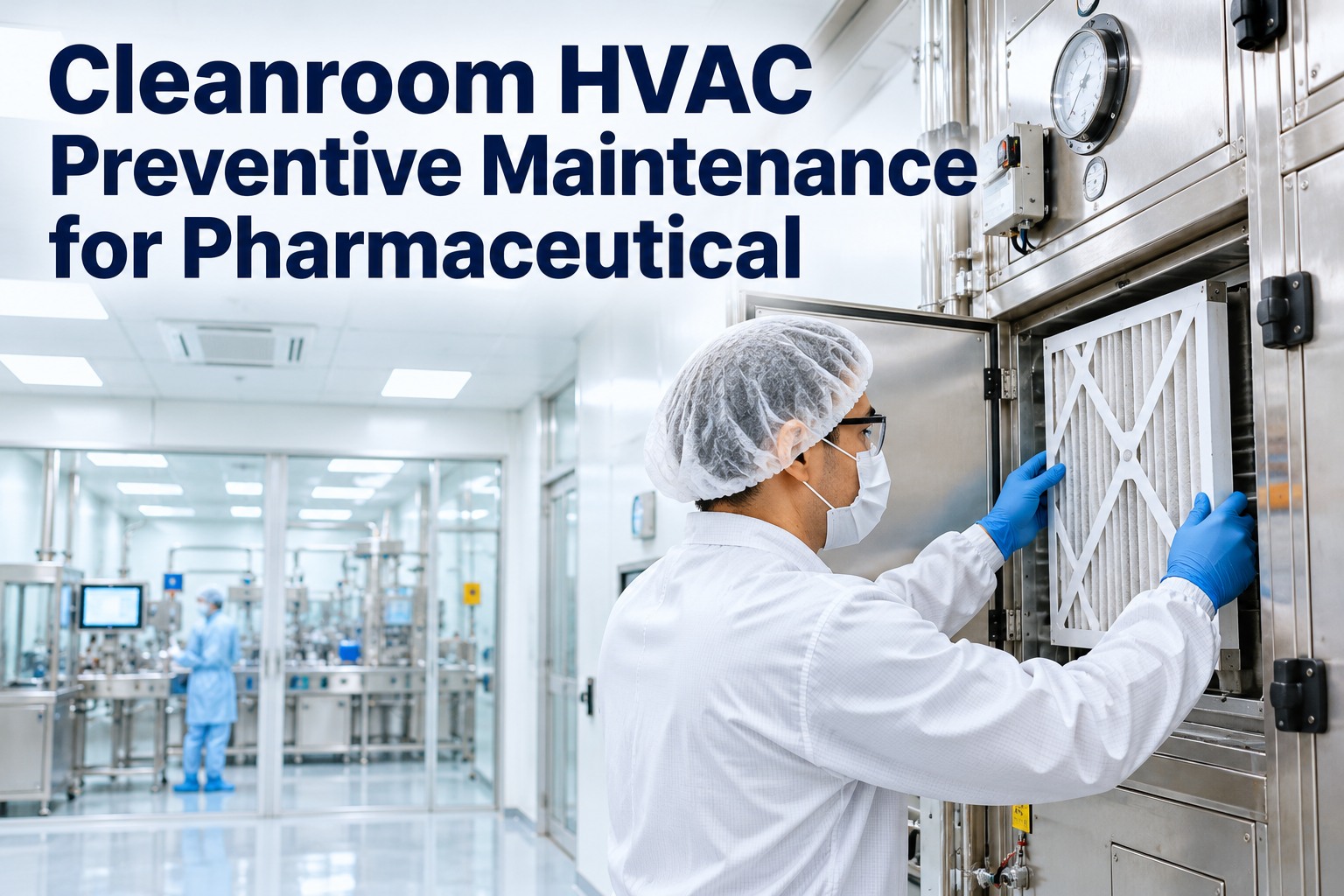
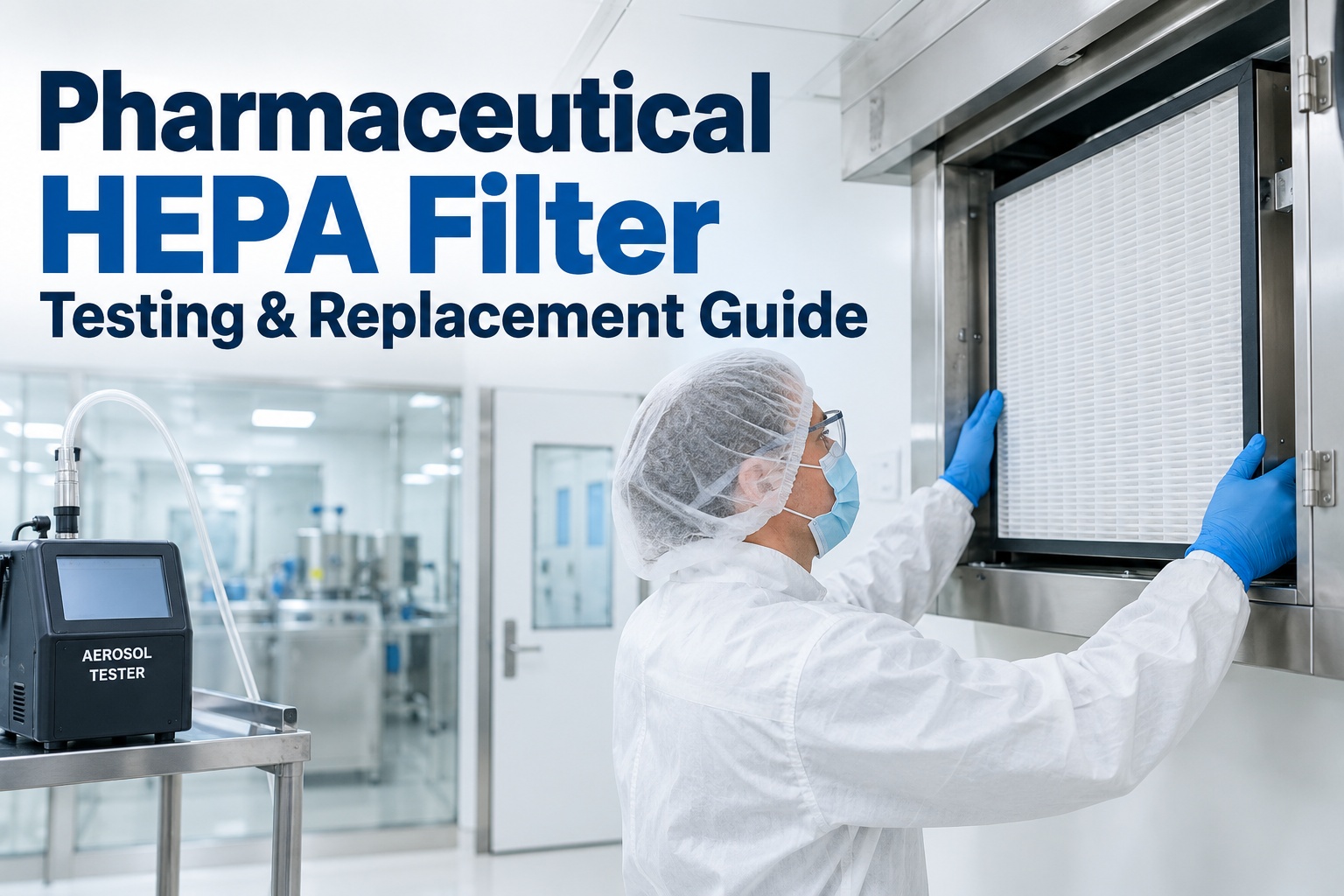
A single undetected HEPA filter integrity breach in a Grade B cleanroom can trigger a batch recall, a regulatory deviation, and a six-week investigation — all from a maintenance gap that costs under $500 to prevent. Pharmaceutical HVAC systems are not utility infrastructure; they are part of the validated manufacturing process. Sign up for Oxmaint to track every filter test, pressure log, and qualification record in one GMP-aligned maintenance system — or book a demo to see it in action.
Why HVAC Maintenance Is a Regulatory Event in Pharma
Every HEPA test result, pressure excursion log, and filter change record is a GMP document — subject to data integrity rules, audit review, and potential regulatory action. FDA inspectors routinely request three to five years of HVAC maintenance records. The revised EU GMP Annex 1 (2022) requires that HVAC maintenance form part of a documented Contamination Control Strategy. Facilities that treat cleanroom HVAC as routine building maintenance consistently fail inspections on documentation grounds, not hardware grounds. Sign up for Oxmaint to build a maintenance record that holds up to that scrutiny.
Cleanroom Grade Requirements at a Glance
Maintenance intervals must match cleanroom grade. A risk-based approach — required by Annex 1 and ICH Q9 — means Grade A and B systems require more frequent testing than Grade C and D. Book a demo to see how Oxmaint assigns maintenance frequency by grade automatically.
AHU Components: What to Inspect and When
Protect downstream HEPA filters from large particle loading. Replace at 70–80% of terminal pressure drop — not on a calendar schedule — to maintain system airflow balance. Sign in to track pre-filter pressure trends automatically.
Final contamination barrier. Integrity-tested by PAO aerosol challenge — acceptance is less than 0.01% penetration. Replacement is triggered by test failure or inability to meet airflow spec, not by age.
Drain pans that accumulate standing water develop biofilm — a direct microbial contamination source for the supply airstream. Semi-annual drain pan inspection and quarterly cleaning are the minimum standard for Grade A/B service AHUs.
Variable frequency drives maintain airflow balance across the pressure cascade. A failing VFD causes pressure differential drift that can break the cascade between grades — the most inspection-cited HVAC deficiency. Book a demo to see cascade monitoring in Oxmaint.
Every HEPA Test and Pressure Log — Structured for GMP Audit
Oxmaint tracks HVAC maintenance by cleanroom grade, generating timestamped, technician-attributed records that FDA and EMA auditors request on day one of inspection.
Pressure Cascade & Environmental Monitoring Schedule
| Parameter | Grade A / B | Grade C / D | Excursion Action |
|---|---|---|---|
| Temperature | 20–24°C ±2°C | 18–26°C ±2°C | Deviation report, batch hold if in-process |
| Relative Humidity | 45–55% RH ±5% | 30–65% RH ±5% | Deviation report, microbial investigation |
| Differential Pressure | 10–15 Pa minimum | 5–15 Pa minimum | Immediate alarm response, CAPA if cascade fails |
| Air Velocity (UDAF) | 0.45 m/s ±20% | Not applicable | Rebalancing, HEPA inspection required |
Frequently Asked Questions
At minimum annually for all grades. Grade A unidirectional airflow zones require testing every six months. The test uses a PAO aerosol challenge — acceptance is less than 0.01% penetration. Testing is also required after installation and after any maintenance that could affect filter integrity. Grade B pass rate must exceed 98%; Grade C/D must exceed 95%. Sign up for Oxmaint to schedule tests by grade with automatic qualification window alerts.
EU GMP Annex 1 and WHO guidelines specify 10–15 Pa between adjacent zones under steady-state conditions with all doors closed. The operating range must not overlap between rooms — overlapping ranges risk flow reversal during normal operation. Pressure recovery after a door-opening event should occur within 15–20 minutes for ISO 7 zones. Both upper and lower alarm limits must be configured in the BMS. Book a demo to see how Oxmaint links BMS alarm events to corrective action work orders.
At 70–80% of terminal pressure drop, not on a fixed calendar. Waiting for 100% loading risks media collapse and bypass, which increases the particle burden on terminal HEPA filters. Weekly pressure drop monitoring with trend tracking gives early visibility to replacement timing. Document the pressure reading and date at each replacement and cross-reference the filter change in the area environmental monitoring record.
Inspectors typically request three to five years of records including HEPA test results with qualification reports, pressure differential trend data with excursion investigations, filter change logs cross-referenced to batch records, AHU maintenance records covering coil and drain pan cleaning, and the Contamination Control Strategy document required under revised Annex 1. All records must be attributable, timestamped, and have an audit trail if held electronically. Sign up for Oxmaint to maintain all records in a single audit-ready repository.
Your Next GMP Inspection Will Ask for Your HVAC Records First
Build the documentation program before the inspection window. Oxmaint tracks every HEPA test, pressure excursion, filter change, and AHU inspection — structured for FDA and EMA audit from day one.