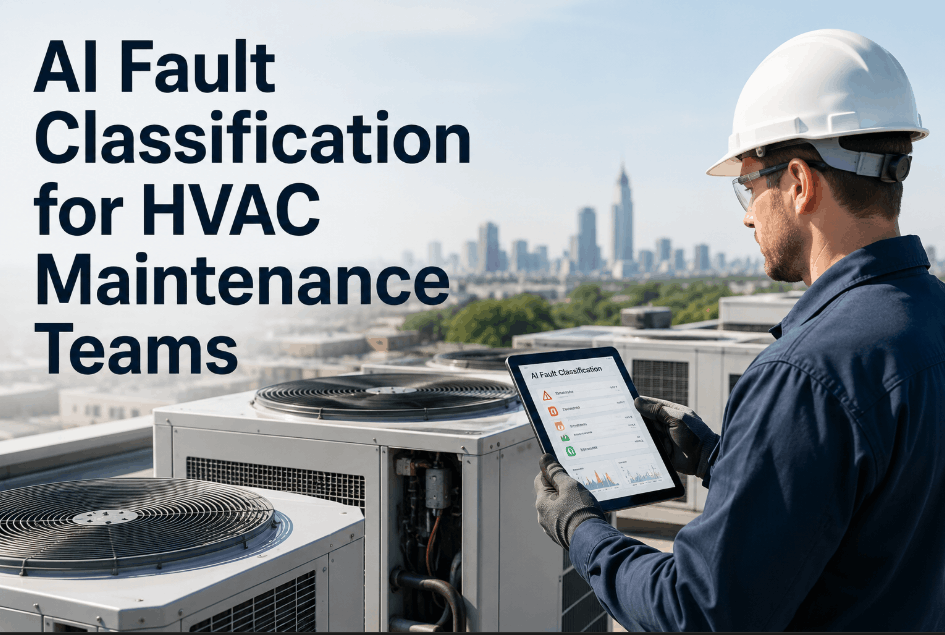
HVAC maintenance teams drown in alarm noise — thousands of fault events per week across chillers, AHUs, and rooftop units, with no structured way to separate critical failures from nuisance trips. Without AI fault classification, technicians treat every alarm reactively, waste time on repeat dispatches, and miss the pattern-level signals that precede equipment failure. Facilities that Sign Up Free on Oxmaint can map HVAC alarms, fault symptoms, and historical fix records into a unified classification layer — enabling maintenance teams to prioritize intelligently and act before failures escalate. For operations teams managing complex building portfolios, Book a Demo to see how Oxmaint's fault intelligence engine connects historical maintenance data to predictive work order generation.
Oxmaint maps HVAC fault patterns to historical fix data so your team routes the right technician with the right parts to the right asset — every time.
6 Ways AI Fault Classification Changes How HVAC Maintenance Teams Respond
AI fault classification is not just alarm filtering — it connects symptom patterns, fault codes, and technician history into a structured diagnostic layer that drives faster, more accurate maintenance decisions. Teams that Sign Up Free on Oxmaint gain access to fault classification rules linked directly to their HVAC asset hierarchy and work order history.
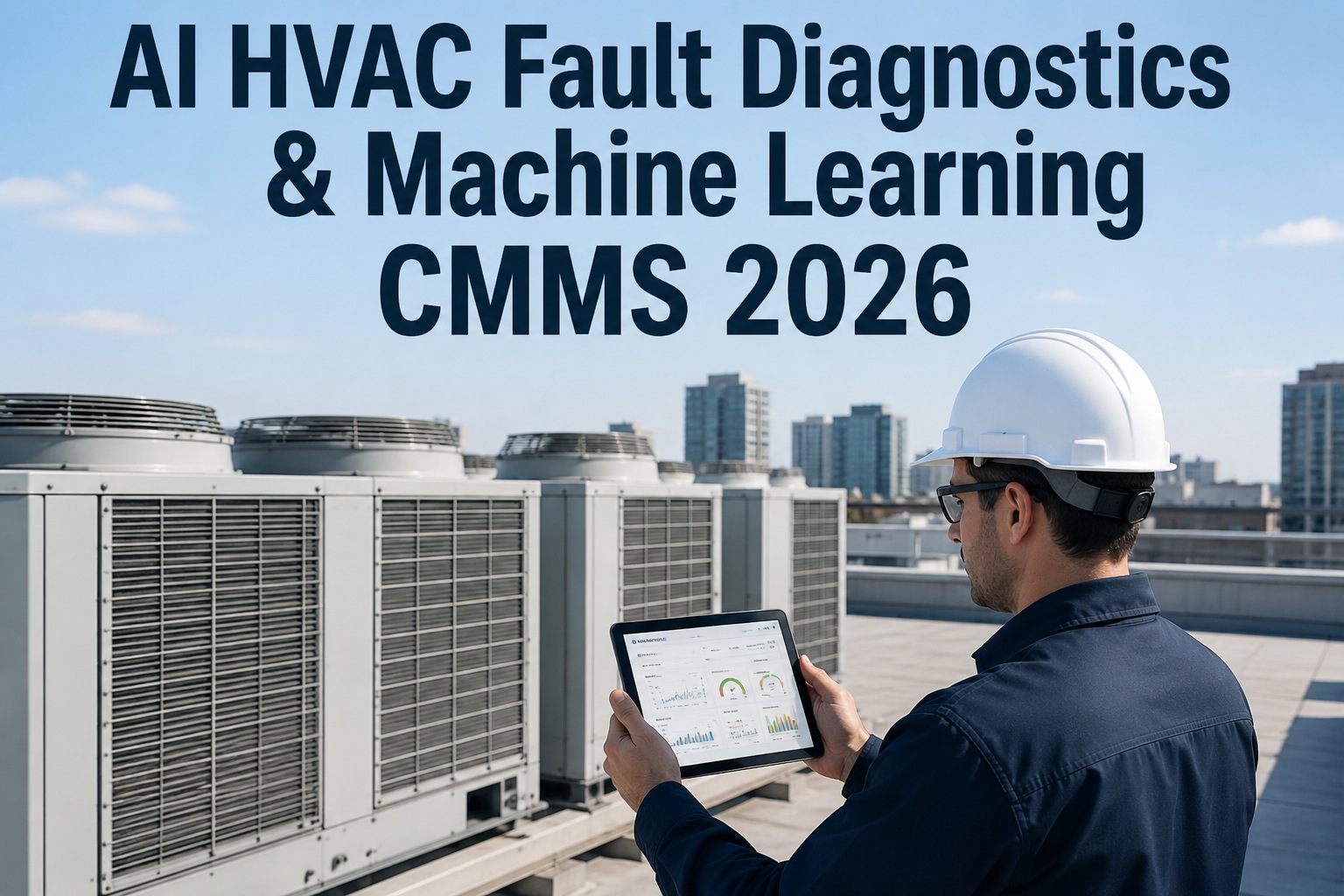
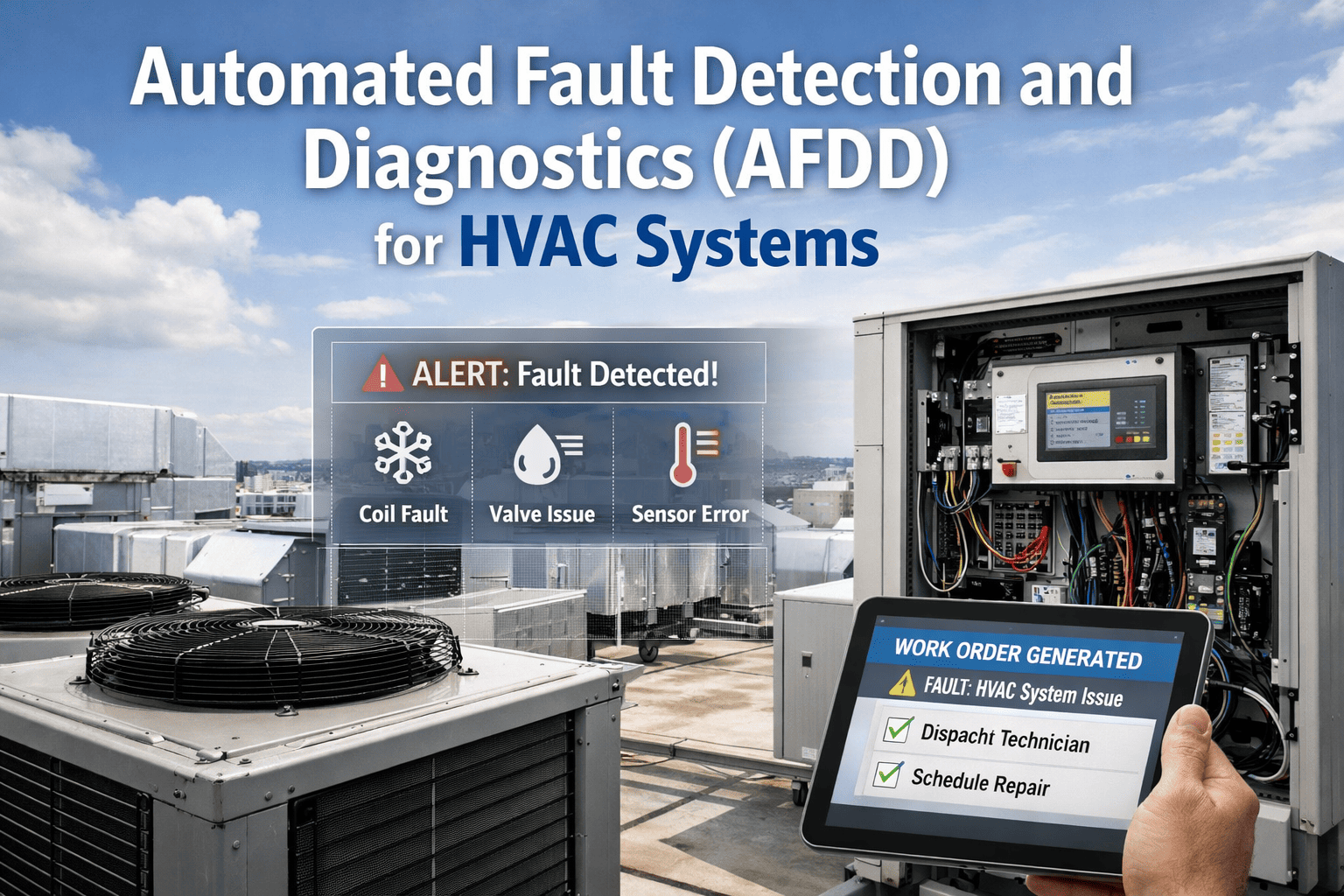
AI classifies recurring alarm sequences across HVAC assets to identify fault signatures — distinguishing nuisance trips from genuine equipment degradation before dispatch decisions are made.
Shared symptom clusters across chillers, AHUs, and rooftop units surface cross-asset fault patterns invisible in single-unit monitoring, enabling fleet-level reliability decisions.
Classification models trained on technician repair records recommend the most statistically successful corrective actions for each fault type — reducing diagnostic time at the asset.
Each classified fault receives a severity score based on equipment criticality, fault recurrence rate, and operational impact — so maintenance teams prioritize by business risk, not alarm timestamp.
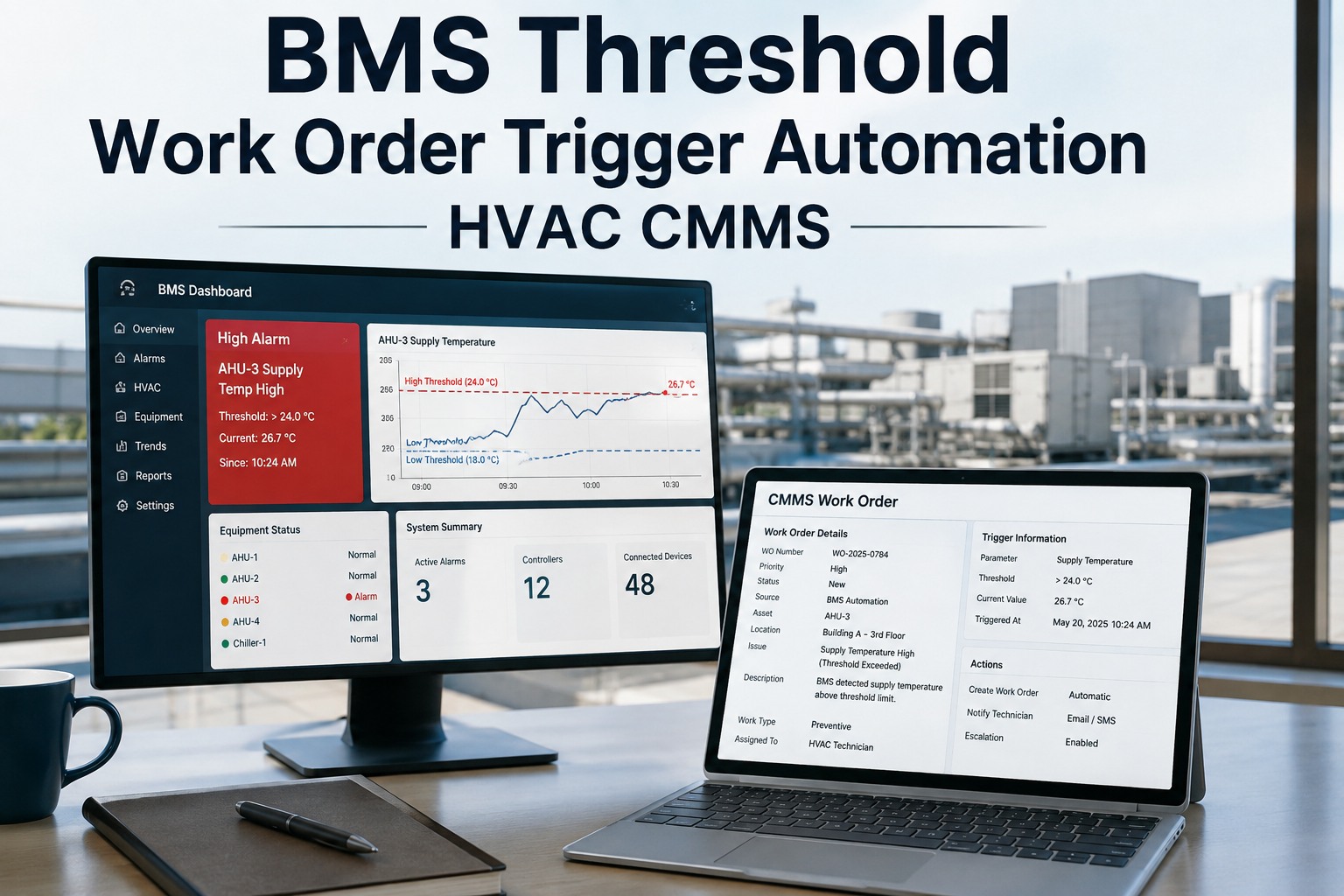
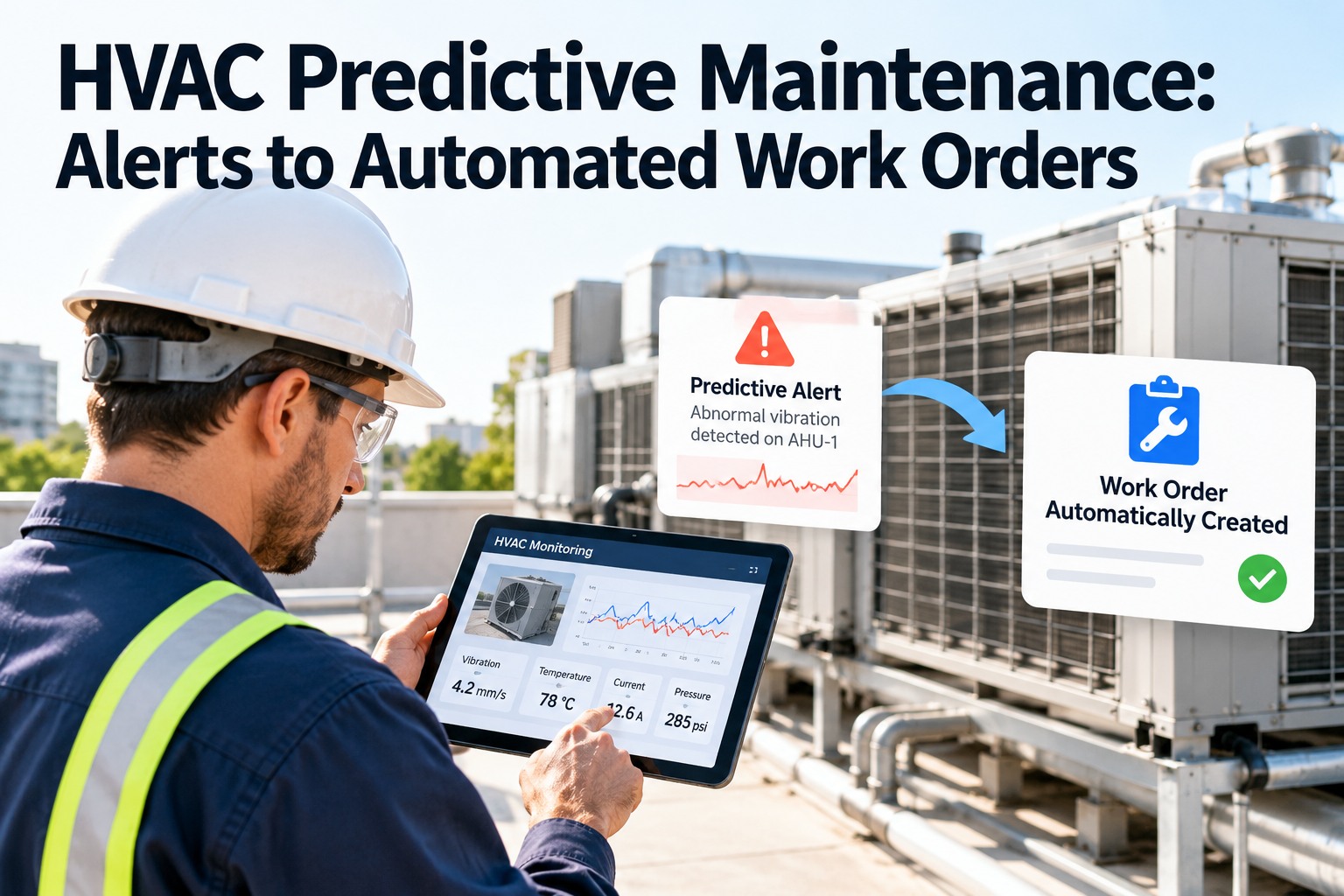
Classified faults automatically generate work orders with fault type, recommended action, and required parts pre-filled — eliminating manual dispatch coordination and reducing response lag.
As technicians close work orders with actual findings, the classification layer learns — improving fault prediction accuracy across assets and maintenance cycles over time.
AI Fault Classification: HVAC Fault Types, Data Inputs, and Maintenance Outputs
Effective fault classification requires mapping the right data inputs to each HVAC fault category. Use this reference to audit your current diagnostic coverage and identify where Oxmaint's fault intelligence layer can close gaps. Facilities with reactive-only alarm programs are encouraged to Book a Demo to see fault classification working against live building data.
| Fault Category | Primary Data Input | Classification Signal | Maintenance Output | Priority |
|---|---|---|---|---|
| Compressor Degradation | Runtime hours, amp draw, suction pressure | Deviation from baseline operating envelope | Predictive replacement work order | Critical |
| Refrigerant Leak Signature | Superheat, subcooling, delta-T trends | Progressive refrigerant loss pattern | Leak inspection and recharge WO | Critical |
| Filter / Coil Restriction | Static pressure differential, airflow sensors | Pressure rise above classified threshold | Filter replacement or coil cleaning WO | Important |
| Controls / Sensor Fault | Sensor variance, setpoint deviation logs | Out-of-range reading vs. physical measurement | Sensor calibration or replacement WO | Important |
| Fan / Motor Bearing Wear | Vibration data, current signature, noise logs | Anomalous vibration signature pattern | Bearing inspection and lubrication WO | Important |
| Nuisance / Intermittent Trip | Alarm frequency, reset logs, technician notes | High-frequency low-severity alarm pattern | Controls review, no dispatch required | Routine |
| Seasonal Performance Drift | Efficiency metrics, setpoint compliance history | Seasonal baseline deviation trend | Scheduled tune-up or calibration WO | Routine |
How HVAC Maintenance Teams Deploy AI Fault Classification Without a Data Science Team
Most AI fault classification implementations fail because they require data science resources that maintenance teams do not have. Oxmaint's approach connects existing BMS alarm feeds, work order history, and technician records to a pre-built classification layer — no custom model development required. Facilities can Sign Up Free and connect fault classification rules to their HVAC asset register in the first session.
- BMS alarm feeds mapped to HVAC assets in the Oxmaint asset hierarchy
- Fault classification rules configured from historical work order data
- Severity scoring applied per fault type based on equipment criticality
- Classified faults generate pre-populated work orders automatically
- Technician findings feed back into classification model on WO closure
- Fault trend reports surface repeat failure patterns across asset fleet
ROI of AI Fault Classification: Response Speed, Equipment Life, and Technician Efficiency
Per-user SaaS pricing with no infrastructure overhead. Most facilities connect fault classification to their HVAC asset hierarchy within 30–45 days using Oxmaint's no-code configuration tools.
Pre-classified faults with recommended corrective actions reduce diagnostic time at the asset and eliminate back-and-forth between technicians and supervisors before dispatch.
Historical fix correlation ensures technicians arrive with the right parts and procedure — cutting the repeat dispatch rate on misdiagnosed faults that drain labour budget.
Early fault detection from pattern classification catches degradation before it causes secondary damage — protecting compressors, coils, and controls from cascading failures.
Nuisance fault classification filters low-priority alarms from the work queue — letting maintenance teams focus attention on faults that carry real equipment and occupant risk.
Every closed work order improves the classification model — compounding diagnostic accuracy across the HVAC fleet as operational data accumulates over maintenance cycles.
Oxmaint gives HVAC maintenance teams alarm-to-classification intelligence, automated work order generation, and fault trend analytics — go live without a data science team.
AI Fault Classification for HVAC — Questions Maintenance Teams Ask
Effective classification uses BMS alarm feeds, runtime data, sensor readings, and historical work order records. Oxmaint normalises these inputs from existing building systems without requiring custom data pipelines.
Classified faults automatically generate pre-populated work orders with fault type, severity, recommended action, and asset context — eliminating manual dispatch steps and reducing response lag.
Yes. Nuisance patterns are identified through alarm frequency and reset log analysis, and separated from genuine fault signatures — reducing noise without suppressing critical alerts.
Oxmaint's classification layer updates from technician findings on work order closure — building a site-specific fault intelligence model that improves diagnostic accuracy across maintenance cycles.
Most facilities connect fault classification rules to their HVAC asset hierarchy within 30–45 days using Oxmaint's no-code configuration tools and existing BMS and work order data.
Oxmaint gives maintenance teams structured fault classification, automated work order execution, and continuous diagnostic improvement — no data science team required.
.png)