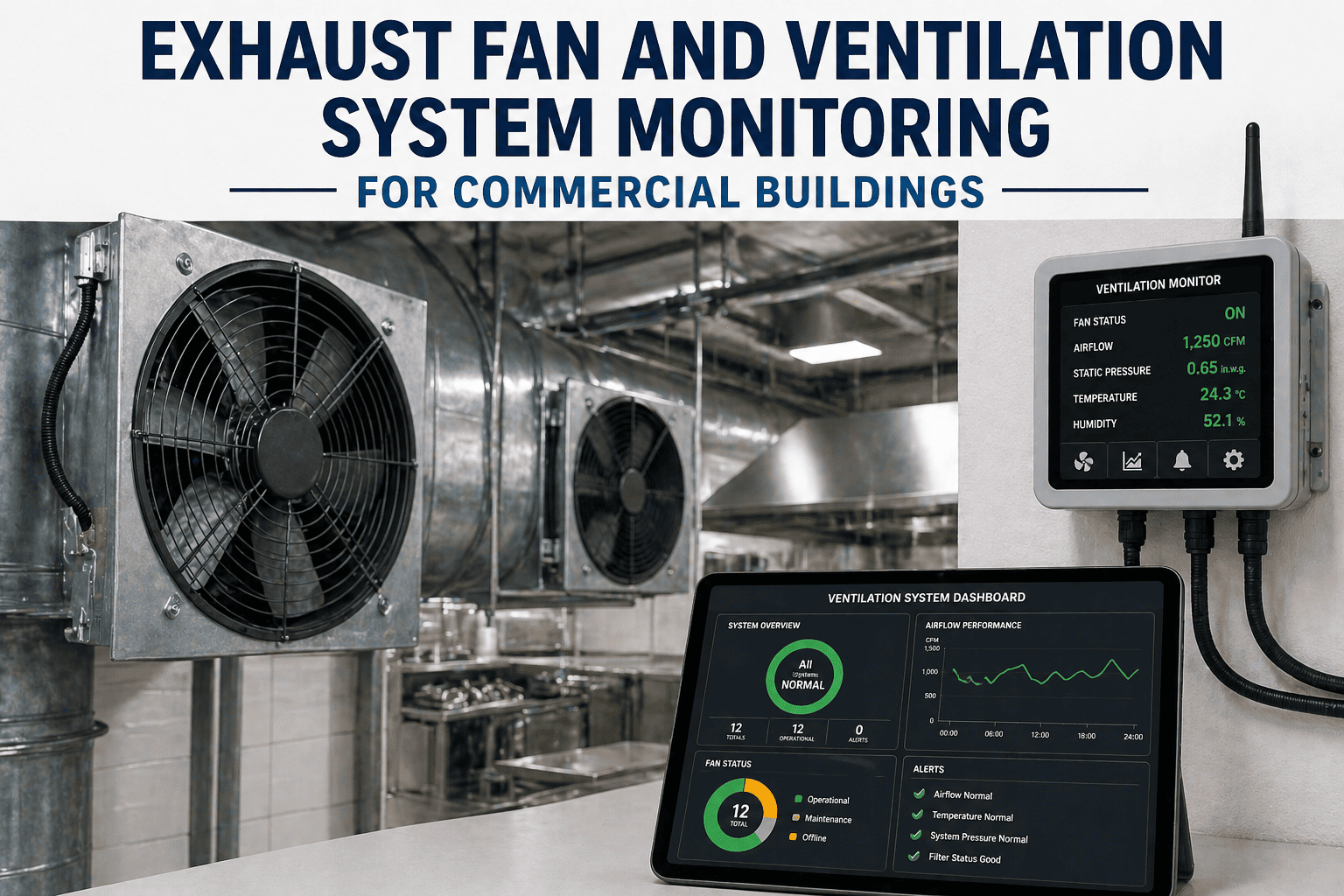
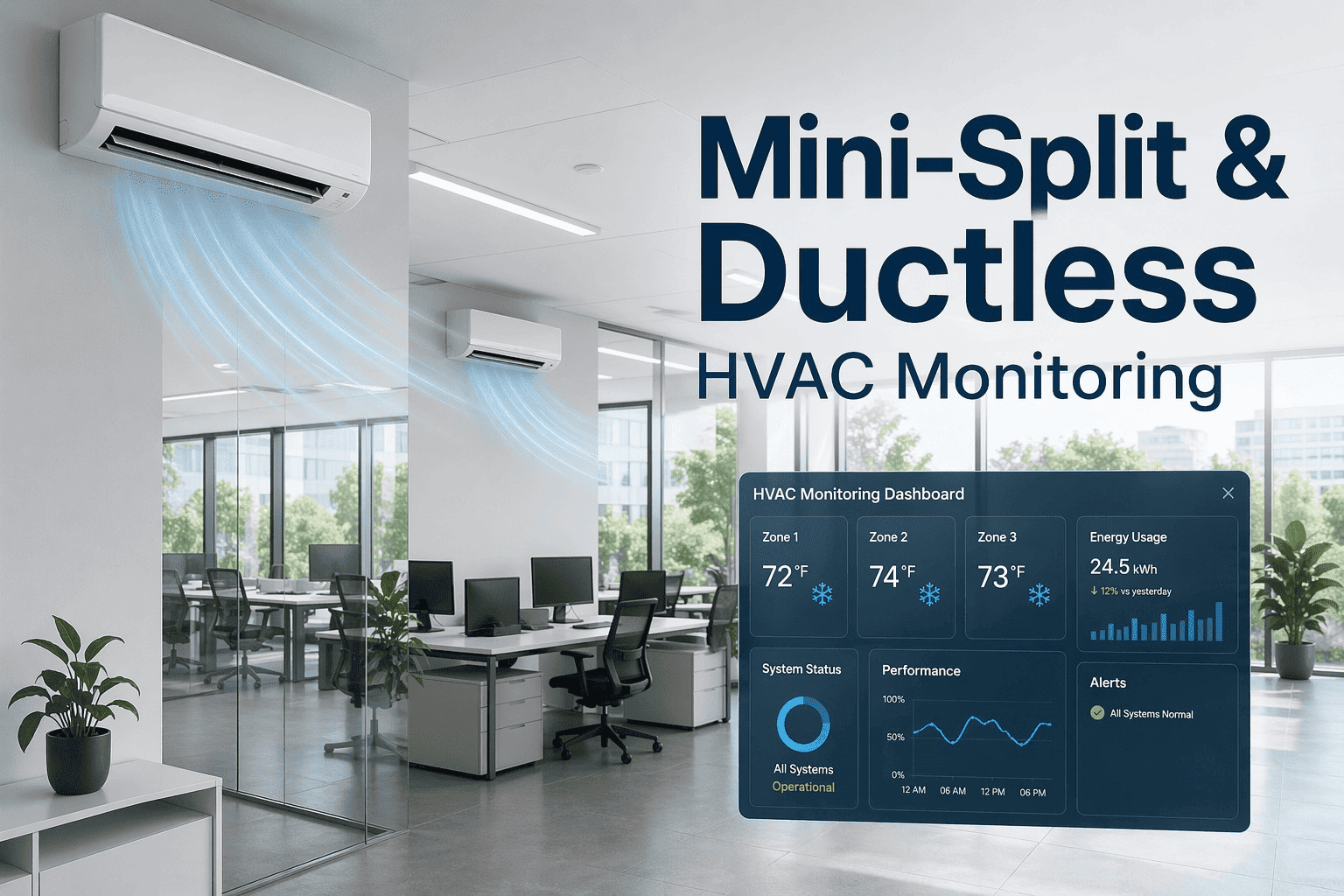
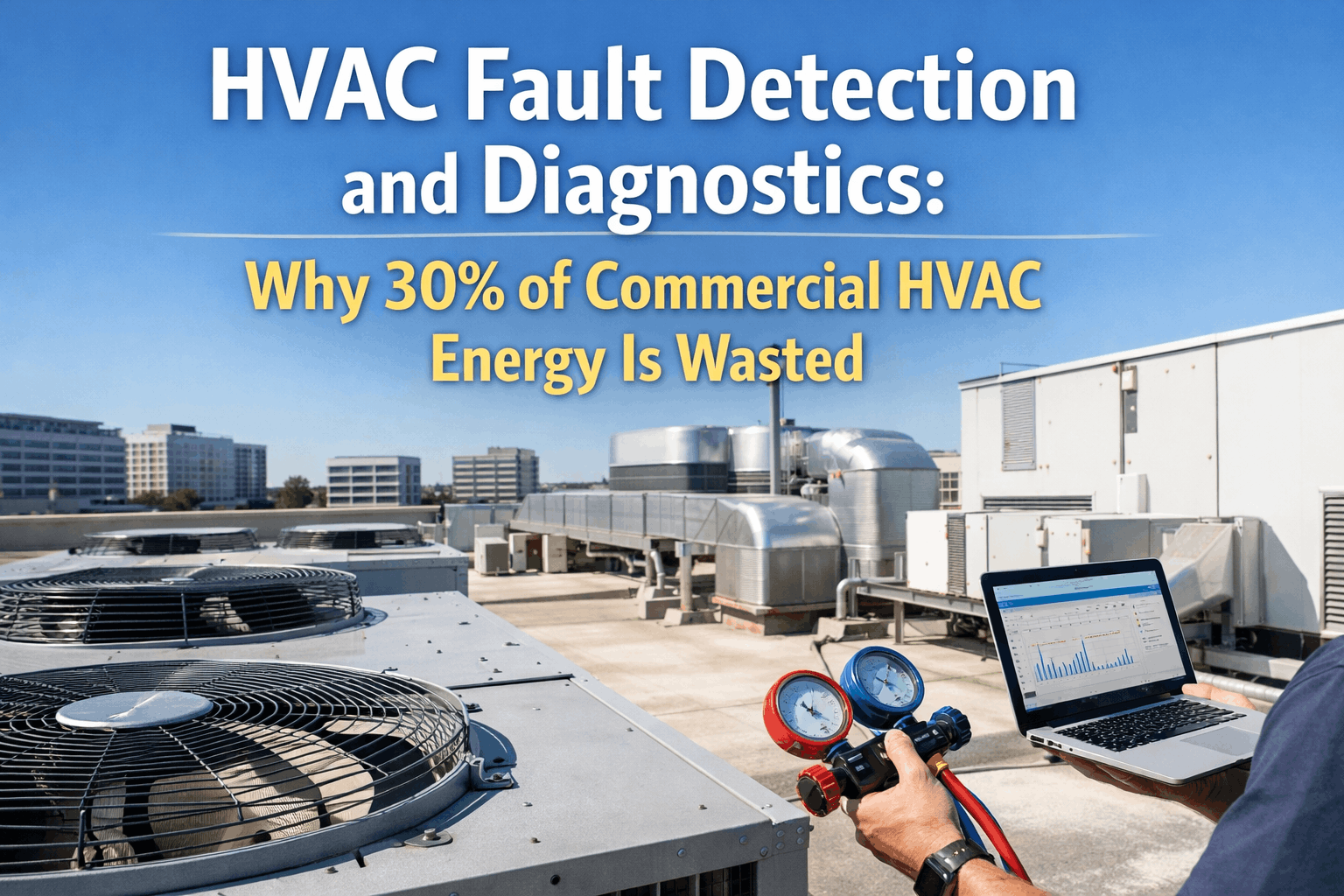
Air handler energy drift is one of the most common and least visible sources of energy waste in commercial buildings — developing gradually through airflow degradation, fan efficiency decline, coil fouling, and controls drift until the cumulative performance gap is large enough to register in utility costs or occupant complaints. Unlike sudden equipment failures, energy drift in air handling units goes undetected for months or years because each incremental loss is too small to trigger alarms yet the compounding effect on building energy budgets is significant. Sign Up Free to schedule AHU inspection work orders, log performance readings, track filter condition, and build the maintenance history needed to identify energy drift patterns across your commercial building HVAC systems in OxMaint CMMS. From single-building facilities to multi-site commercial portfolios, OxMaint structures air handler maintenance so energy drift is caught through scheduled inspection data rather than discovered through energy bill analysis. Book a Demo to see how commercial building maintenance teams use OxMaint to manage AHU performance tracking and energy efficiency maintenance programs.
Catch Air Handler Energy Drift Before It Becomes Energy Waste
Schedule AHU inspections, log airflow and static pressure readings, track filter and coil condition, and monitor fan performance — all linked to asset history in OxMaint CMMS.
Air Handler Energy Drift Analysis Checklist for Commercial Buildings
Use this checklist to identify, document, and correct energy drift conditions in commercial building air handling units before cumulative losses become significant operating cost burdens.
Establish Baseline Airflow and Static Pressure Readings at Commissioning or Last Known Good State
Energy drift analysis requires a reference point. Record design or commissioning airflow volumes, supply static pressure, and fan amperage for each AHU as baseline values against which future readings are compared. Sign Up Free to create AHU performance baseline records and link them to scheduled inspection work orders in OxMaint.
Schedule Filter Condition Inspections at Pressure Drop Intervals, Not Calendar Dates
Calendar-based filter replacement ignores actual loading conditions — high-occupancy or high-particulate environments foul filters faster than low-density spaces. Inspect and replace based on measured pressure drop across filters against design specifications rather than fixed monthly schedules.
Measure Supply and Return Airflow Against Design Values Quarterly
Airflow degradation from duct leakage, damper drift, or fan belt wear develops incrementally. Quarterly airflow measurements at key supply and return points reveal cumulative drift before comfort complaints occur. Book a Demo to see how OxMaint tracks AHU airflow measurement data across commercial building maintenance programs.
Inspect Cooling and Heating Coil Surface Condition Semi-Annually
Coil fouling from dust, biological growth, or corrosion is the leading driver of AHU capacity loss and energy waste. Inspect coil face velocity, appearance, and differential pressure across coils every six months — cleaning when fouling reduces airflow more than 10% from baseline.
Verify Fan Belt Tension and Condition on Belt-Drive Units
Worn or loose belts on belt-drive AHU fans cause slippage, reducing airflow output while fan motor energy consumption remains unchanged — a direct energy efficiency penalty. Sign Up Free to add belt inspection tasks to AHU PM checklists in OxMaint and track belt replacement history per unit.
Check Variable Frequency Drive Programming and Setpoints Against Design Intent
VFD setpoint drift — from unauthorized overrides, control system updates, or sensor recalibration — causes AHUs to run at higher speeds than necessary, consuming excess fan energy. Verify VFD minimum and maximum speed settings against original commissioning documentation annually.
Calibrate Airflow and Temperature Sensors That Feed BAS Control Loops
Inaccurate sensor readings cause building automation systems to issue incorrect control signals — running fans longer, overcooling spaces, or failing to modulate outside air dampers properly. Verify sensor calibration accuracy against field measurements annually. Book a Demo to see how OxMaint manages sensor calibration PM schedules across commercial HVAC asset portfolios.
Inspect Outside Air and Return Air Damper Operation and Sealing
Dampers that fail to fully close allow uncontrolled outside air infiltration — increasing heating and cooling loads during extreme weather. Verify damper blade seating, actuator operation, and blade seal condition during seasonal maintenance inspections.
Measure Fan Motor Amperage and Compare Against Design and Nameplate Values
Fan motor amperage trending above nameplate current while airflow output declines signals mechanical resistance from fouling, belt issues, or bearing wear. Track motor amperage at each inspection and flag deviations greater than 10% from baseline for investigation.
Check Drain Pan Condition and Condensate Drain Functionality
Clogged condensate drains cause drain pan overflow — damaging insulation, promoting biological growth on coils, and creating humidity control failures that increase latent cooling loads. Inspect drain pan cleanliness and verify condensate flow at every coil inspection. Sign Up Free to add drain pan inspection to AHU maintenance checklists in OxMaint with photo documentation capability.
Compare Current AHU Energy Consumption Against Prior Year Same-Season Baseline
Year-over-year energy consumption comparison by AHU or air handler zone reveals performance drift that equipment inspections alone may miss. Consumption increases above 10% same-season warrant equipment-level investigation before drift compounds further.
Document All AHU Performance Readings With Timestamps for Trend Analysis
Isolated readings provide a snapshot; timestamped series reveal trends. Log every airflow, static pressure, temperature differential, and amperage reading with date and unit identifier to enable drift rate calculation over time. OxMaint captures inspection data in timestamped work orders linked to each AHU asset record.
AHU Energy Drift Is a Data Problem as Much as a Maintenance Problem
OxMaint connects AHU inspection schedules, performance data capture, filter and coil maintenance history, and asset-level trend tracking — giving commercial building teams the evidence to identify energy drift before it accumulates into significant waste.
Frequently Asked Questions: Air Handler Energy Drift in Commercial Buildings
What is air handler energy drift?
Air handler energy drift is the gradual decline in AHU performance efficiency — through airflow loss, coil fouling, fan degradation, and controls drift — that increases energy consumption and reduces conditioning capacity without triggering fault alarms or obvious operational failures.
What causes energy drift in commercial building AHUs?
The main causes are filter loading, coil fouling, fan belt wear or slippage, VFD setpoint drift, sensor calibration error, damper sealing failure, and bearing degradation — most of which develop gradually and are only detectable through scheduled measurement and comparison against baseline values.
How does OxMaint help identify AHU energy drift?
OxMaint structures AHU maintenance through scheduled inspection work orders with performance data capture fields — allowing maintenance teams to log and compare airflow, static pressure, and amperage readings over time to identify drift trends before they result in significant energy waste.
How often should commercial building AHUs be inspected for energy drift?
Filters should be checked monthly or by pressure drop threshold. Fan, belt, coil, and damper inspections should occur quarterly. Sensor calibration and VFD setpoint verification should be conducted annually or whenever building automation anomalies are detected.
What is the financial impact of uncorrected AHU energy drift?
Depending on building size and AHU count, uncorrected energy drift typically adds $0.08–$0.22 per square foot annually to energy costs — with larger buildings and multi-unit portfolios experiencing proportionally greater cumulative financial impact over a 2–3 year drift period.
Stop Air Handler Energy Drift Before It Costs You
OxMaint gives commercial building maintenance teams the AHU inspection scheduling, performance data tracking, maintenance history, and asset-level analytics to identify and correct energy drift systematically — not reactively.