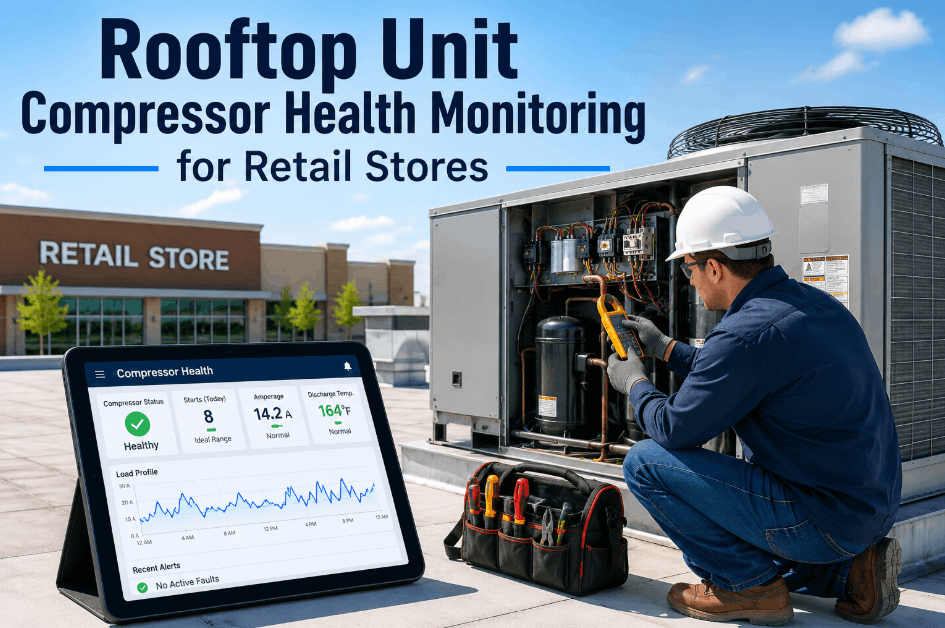
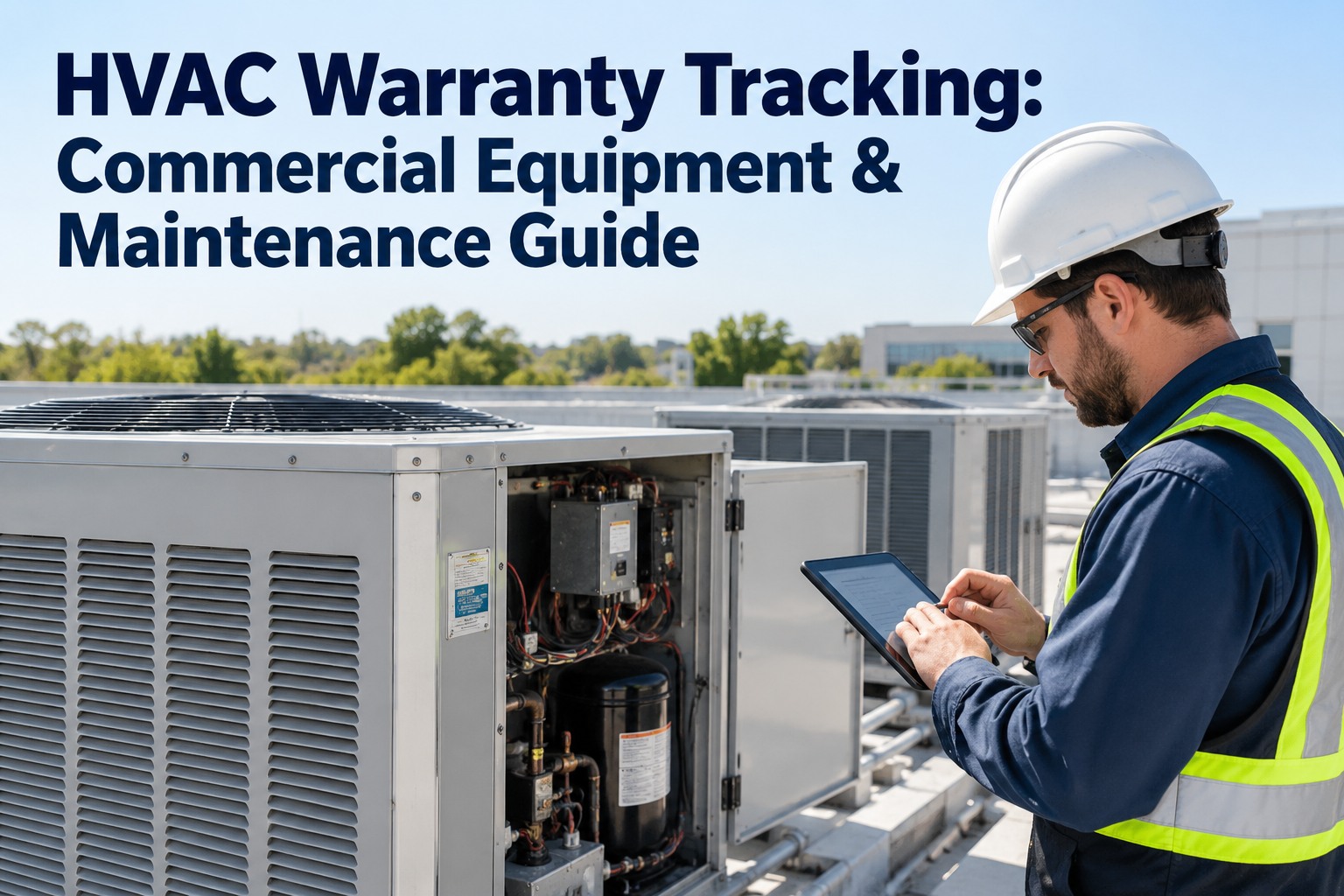
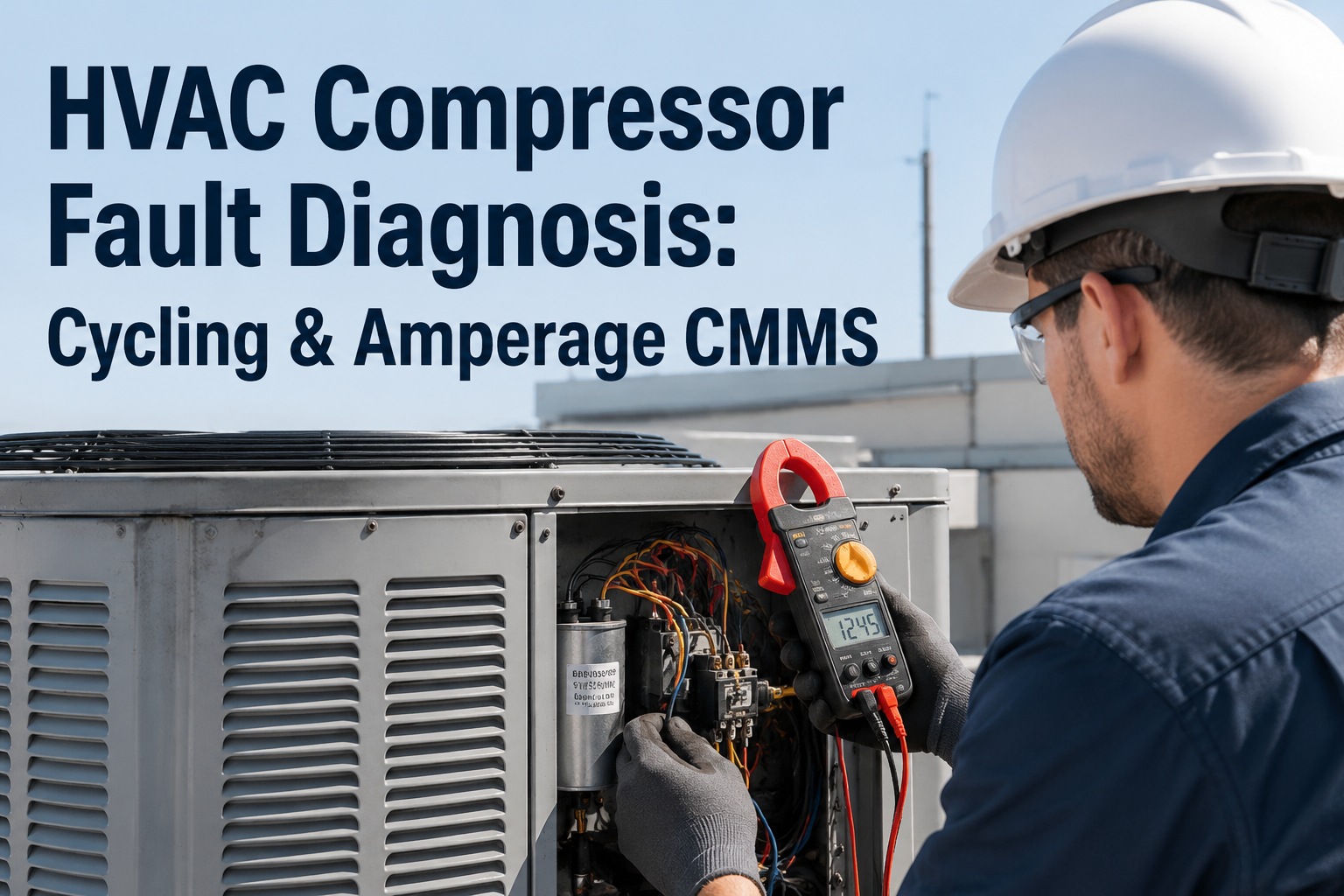
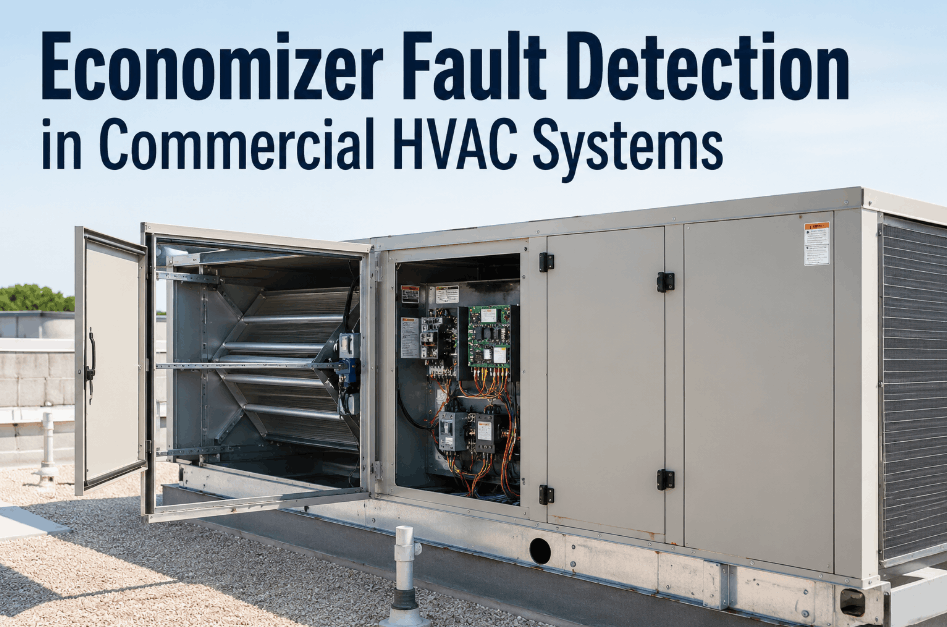
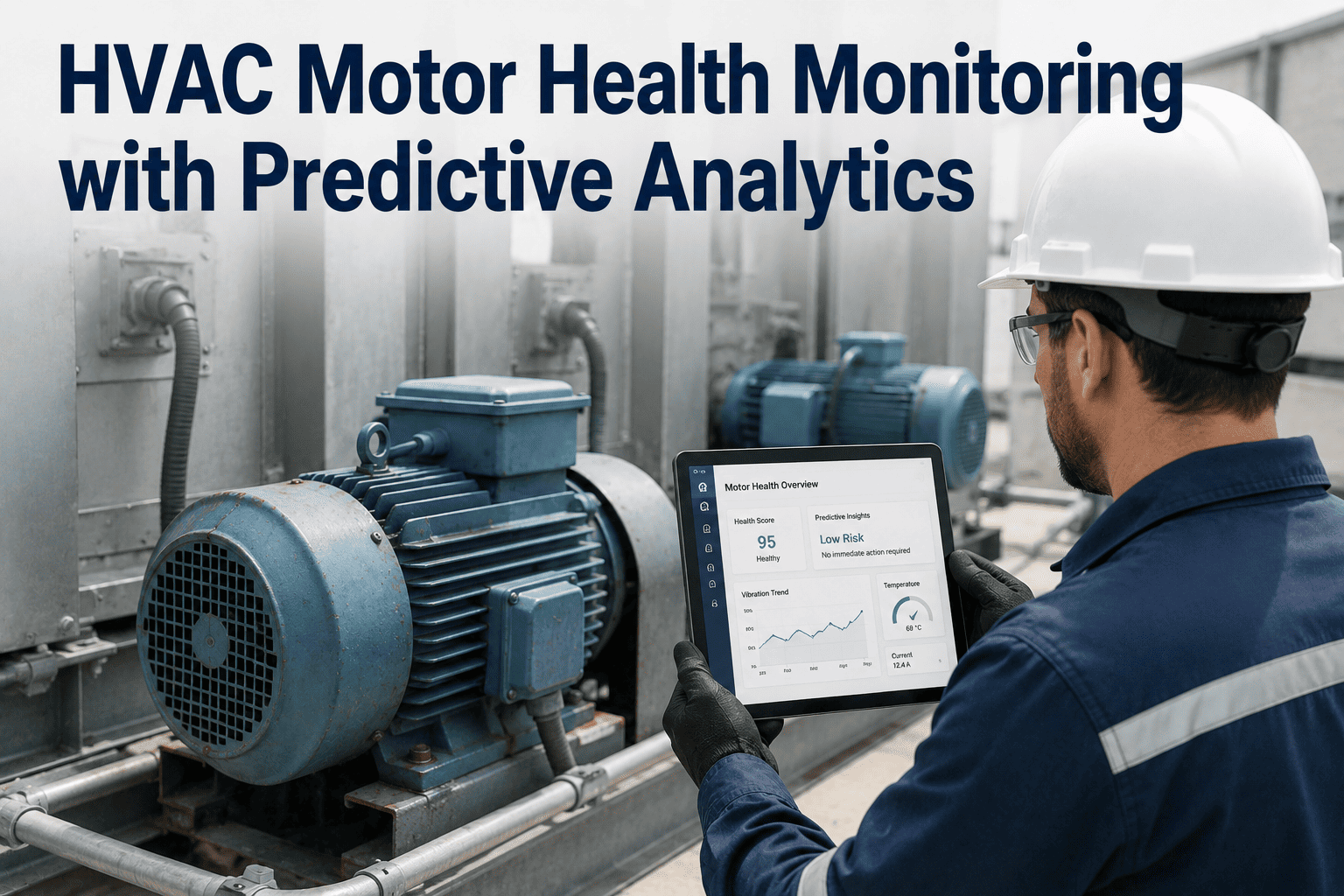
Rooftop unit compressor failures in retail stores are among the most disruptive and costly HVAC events a facilities team can face — combining lost sales from uncomfortable trading conditions, refrigerant release liability, and emergency service costs that are several times higher than planned replacement. Monitoring compressor starts, amperage, and discharge behavior provides early warning of mechanical degradation weeks before failure — at a cost measured in technician hours, not emergency service calls. Facilities teams using Sign Up Free with Oxmaint schedule compressor health check tasks, amperage baseline comparisons, and discharge pressure verification as structured preventive maintenance — catching problems during planned visits rather than during Saturday trading hours. Rooftop units serving retail spaces operate under cycling loads, high ambient temperatures, and infrequent maintenance attention that together accelerate compressor wear faster than HVAC applications in other sectors. Book a Demo to see how Oxmaint structures RTU compressor health programs for retail facility portfolios.
ROOFTOP UNITS · COMPRESSOR HEALTH · RETAIL STORES · HVAC MONITORING · 2026
Rooftop Unit Compressor Health Monitoring for Retail Stores
Track RTU compressor starts, amperage trends, and discharge behavior to detect mechanical degradation early — protecting retail comfort, avoiding emergency service costs, and extending compressor service life.
3–5×Higher cost of emergency compressor replacement vs. planned replacement during scheduled service
4–6 wkTypical lead time for early fault detection before compressor failure with amperage trend monitoring
20–30%Compressor life extension achievable through cycling control optimization and maintenance discipline
$8K+Average emergency RTU compressor replacement cost at a single retail location including downtime impact
4 Key Compressor Health Indicators for Retail RTU Monitoring
Rooftop unit compressor health in retail environments degrades through four measurable pathways — abnormal amperage, excessive starts, discharge pressure deviation, and suction superheat variation. Oxmaint structures monitoring tasks around all four, giving retail facilities teams early warning at each scheduled visit rather than discovering failures through store manager complaints. Sign Up Free to configure RTU compressor health inspection schedules in Oxmaint.
Amperage Trend Monitoring
Primary Indicator
Compressor amperage draw that is trending upward relative to the established baseline at the same ambient and load conditions indicates increasing mechanical resistance — valve wear, bearing degradation, or refrigerant contamination. Comparing amperage to the documented baseline at each service visit identifies drift months before failure. A 15% rise above baseline at equivalent conditions warrants immediate investigation.
Start Count and Short Cycling
Lifecycle Driver
Compressors in retail RTUs serving variable-occupancy spaces are particularly vulnerable to short cycling — where thermostat differentials are too narrow, oversized equipment satisfies load quickly and restarts repeatedly. Each start subjects the compressor to locked-rotor current and oil return stress that accumulates as wear. Tracking start counts and minimum cycle time compliance at service visits identifies cycling problems before they translate to compressor failure.
Discharge Pressure and Temperature
Refrigerant Health
Discharge pressure and temperature that are trending high indicate condenser fouling, refrigerant overcharge, or non-condensable gas contamination — all conditions that raise compressor discharge temperature and accelerate valve and motor winding degradation. Discharge superheat above 50°F over ambient at the same operating conditions is an early warning indicator that warrants condenser cleaning and refrigerant circuit inspection.
Suction Superheat Variation
Refrigerant Circuit
Suction superheat that has shifted from its established baseline — either too high (indicating low refrigerant or metering device restriction) or too low (indicating flood-back risk) — signals refrigerant circuit changes that affect compressor reliability. Documenting suction superheat at each service visit builds the trend history that distinguishes seasonal variation from fault conditions requiring intervention.
RTU Compressor Health Monitoring Schedule — Retail Implementation
Daily
BAS or connected thermostat alert monitoring, store temperature complaint log review, short-cycling alert review where monitoring is installed
Monthly
Remote amperage data review (where monitoring is installed), thermostat setpoint verification, supply air temperature check against design, filter status review
Quarterly
On-site amperage measurement and baseline comparison, discharge pressure and superheat check, start count review, refrigerant circuit visual inspection, condenser coil condition check
Semi-Annual
Full refrigerant circuit inspection, compressor oil acid test (semi-hermetic units), metering device operation verification, economizer damper operation, full electrical connection inspection
Annual
Compressor health trending report vs. baseline, condenser and evaporator coil cleaning, full refrigerant charge verification, controls calibration, cycling control setpoint optimization
Predictive
Planned compressor replacement scheduling based on amperage trend analysis, age, and run hours — replacing units on planned schedule before failure rather than after service disruption
Retail-Specific Compressor Risk Factors — What Makes RTUs Harder
Retail HVAC environments create compressor stress conditions that are more severe than most commercial applications. High door traffic, variable occupancy, and aggressive cooling setpoints combine with rooftop exposure and infrequent access to accelerate mechanical degradation. Book a Demo to see how Oxmaint tracks RTU compressor health history and schedules condition-based work orders across multi-store retail portfolios.
High Ambient Rooftop Exposure
Discharge Stress
Retail rooftop temperatures regularly exceed 130°F in summer, pushing condensing temperatures and discharge pressure above design limits even when the refrigerant circuit is properly charged. Annual condenser coil cleaning before peak season is the most direct protection against ambient-driven compressor stress.
Cycling from Door Traffic
Mechanical Wear Driver
Retail stores with high customer door traffic experience frequent load pulses that trigger compressor cycling at rates far exceeding design assumptions. Optimizing thermostat differential and ensuring minimum off-time lockout is respected are the most effective cycling wear reduction actions available without equipment change.
Deferred Maintenance Accumulation
Portfolio Risk
Retail facilities with large RTU counts and distributed service providers frequently have inconsistent service histories — creating invisible deferred maintenance accumulation that only becomes visible at failure. Oxmaint centralizes service records across all units and all service providers, giving portfolio managers full visibility into which units are overdue for critical health checks.
Unmonitored Overnight Operation
Early Warning Gap
Retail stores operate HVAC for hours before and after trading hours, with no staff present to notice developing faults. Connecting RTUs to a monitoring system — even a basic connected thermostat — that alerts facilities teams to temperature excursions closes the overnight visibility gap that allows minor faults to develop into compressor failures before the next service visit.
Monitor Compressor Health. Protect Retail Comfort Before It Fails.
Oxmaint's preventive maintenance scheduling automates RTU compressor health check intervals, amperage baseline tracking, and discharge condition verification — so retail facilities teams catch degradation early across every store in the portfolio.
Frequently Asked Questions — RTU Compressor Health Monitoring
What are the earliest signs of RTU compressor degradation in retail stores?
Rising amperage above the established baseline at the same ambient conditions is typically the earliest measurable indicator — appearing weeks before performance complaints or fault codes. Secondary indicators include increased discharge temperature and shorter run cycles at full load.
How do I establish a compressor amperage baseline for comparison?
Document compressor amperage at a known ambient temperature, load condition, and suction/discharge pressure during a healthy service visit. Record this as the unit's baseline. All subsequent amperage readings should be compared to the baseline at equivalent conditions — not to nameplate specifications.
Does Oxmaint support multi-store RTU tracking and health history?
Yes. Oxmaint tracks individual RTU asset records, service history, amperage baselines, and inspection findings across unlimited retail locations — giving portfolio facilities teams centralized visibility into compressor health trends across every store.
How does short cycling affect compressor life in retail RTUs?
Each start subjects the compressor to locked-rotor current and delayed oil return that accumulates as bearing and valve wear. Compressors experiencing more than 8–10 starts per hour are operating outside design parameters and will have significantly shortened service life without cycling control intervention.
When should a retail RTU compressor be replaced proactively rather than reactively?
When amperage trend analysis, age, and run hours indicate high near-term failure risk, planned replacement during a low-trading period is almost always cheaper than emergency replacement. Oxmaint planned replacement work orders document the decision basis and schedule replacement before the failure occurs.
Track RTU Compressor Health. Keep Every Store Comfortable.
Oxmaint structures RTU compressor amperage tracking, discharge health checks, and cycling control audits across your entire retail portfolio — turning compressor monitoring from a reactive response into a planned, documented program.