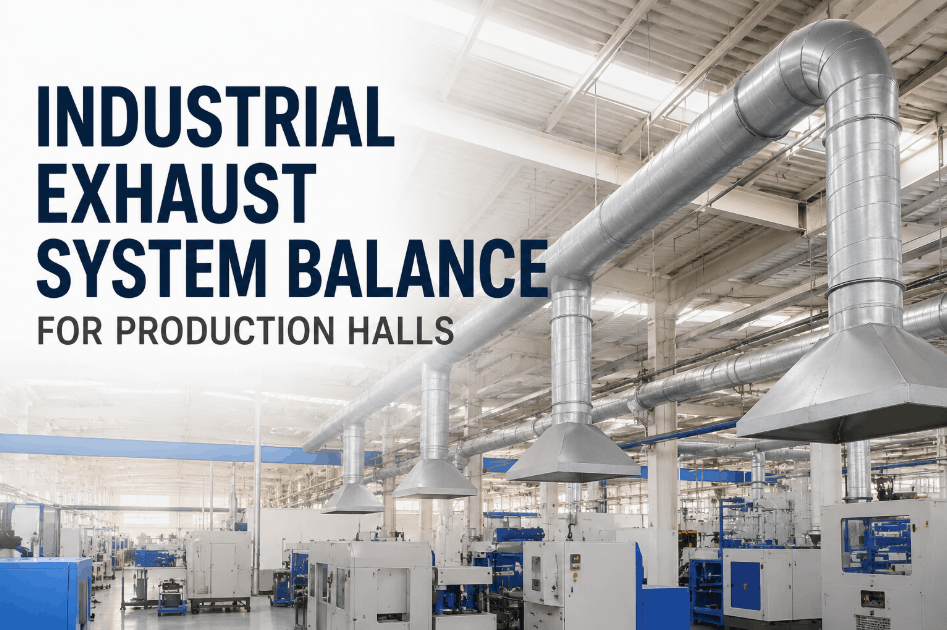
Industrial exhaust system balance is a critical safety and performance factor in production halls. When airflow across exhaust zones falls out of sync, facilities face rising contamination risk, odor migration, and process instability — all of which directly impact worker safety and throughput. Sign Up Free on Oxmaint and start managing your exhaust system inspections, airflow verification logs, and maintenance schedules in one centralized platform built for plant operations teams.
What Causes Exhaust Imbalance in Production Halls
Production halls accumulate airflow imbalances over time due to equipment additions, layout changes, and filter degradation. Book a Demo to see how Oxmaint helps operations teams schedule airflow audits before imbalances create safety incidents or process disruptions.
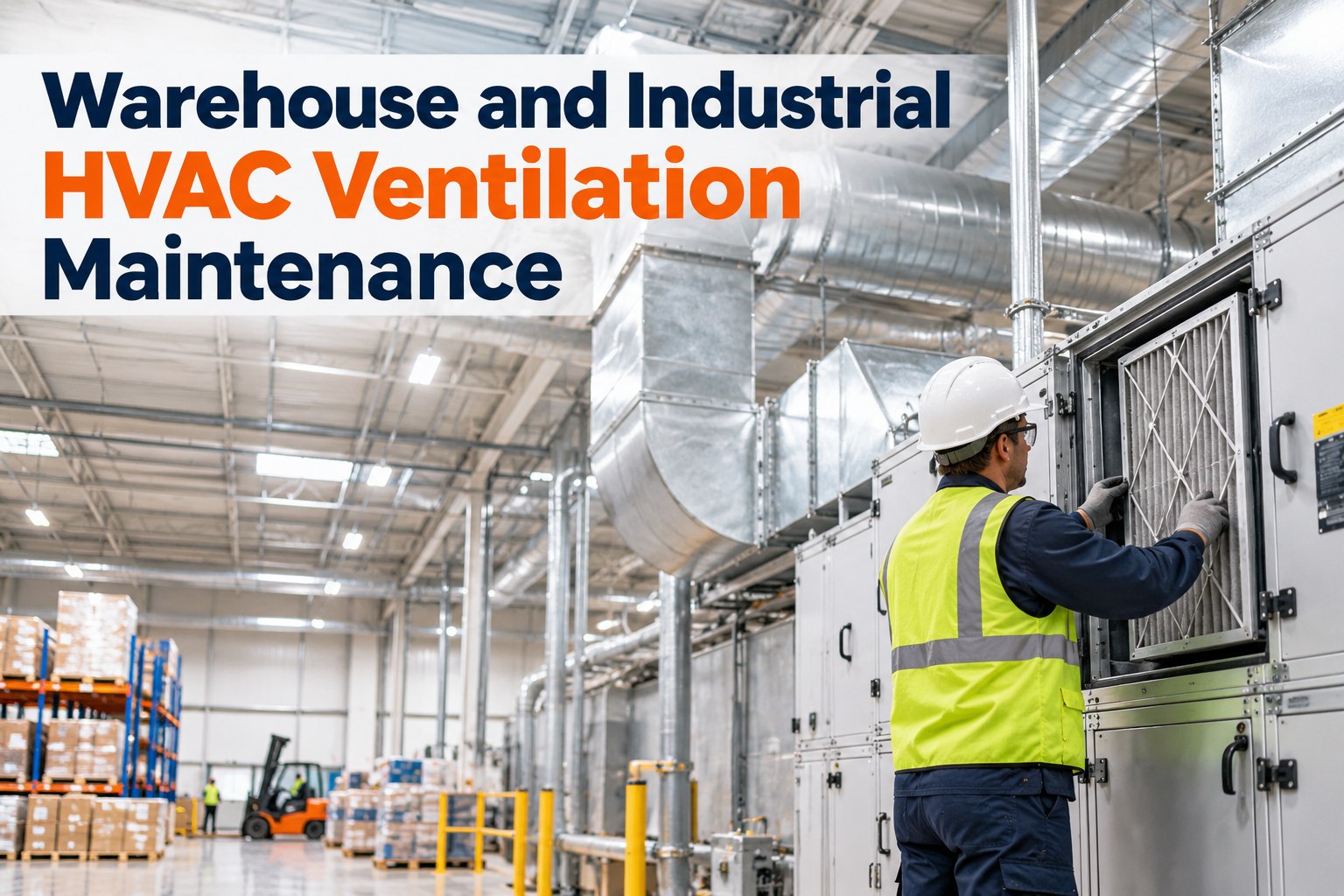
Clogged filters reduce exhaust pull across zones, creating negative pressure differentials that push contaminated air into adjacent areas. Scheduled filter checks are the first defense against systemic imbalance.
Worn fan blades, bearing failures, and belt slippage reduce exhaust fan output below design specs — often without triggering alarms until airflow measurements are taken during a formal balance audit.
Leaks from corroded duct joints or debris accumulation divert exhaust volume away from intended discharge points, directly reducing capture efficiency at process emission sources.
Production floor reconfigurations — adding machinery, relocating process lines — alter exhaust demand without corresponding system adjustments. These changes accumulate into significant balance deficits over equipment cycles.
Exhaust Balance Verification: Methods and Metrics
| Verification Method | What It Measures | Recommended Frequency | Key Output Metric | Risk If Skipped |
|---|---|---|---|---|
| Pitot Tube Traverse | Duct velocity pressure and volume flow | Annual or post-modification | CFM per zone vs. design spec | Undetected capacity loss |
| Smoke Pencil / Tracer Test | Airflow direction and capture zone integrity | Semi-annual for critical zones | Capture velocity at hood face | Contaminant migration |
| Static Pressure Monitoring | System resistance and filter condition | Continuous or monthly manual | Differential pressure vs. baseline | Late filter change detection |
| Fan Curve Analysis | Fan operating point vs. design curve | Annual | RPM, amperage, and airflow correlation | Oversized or undersized operation |
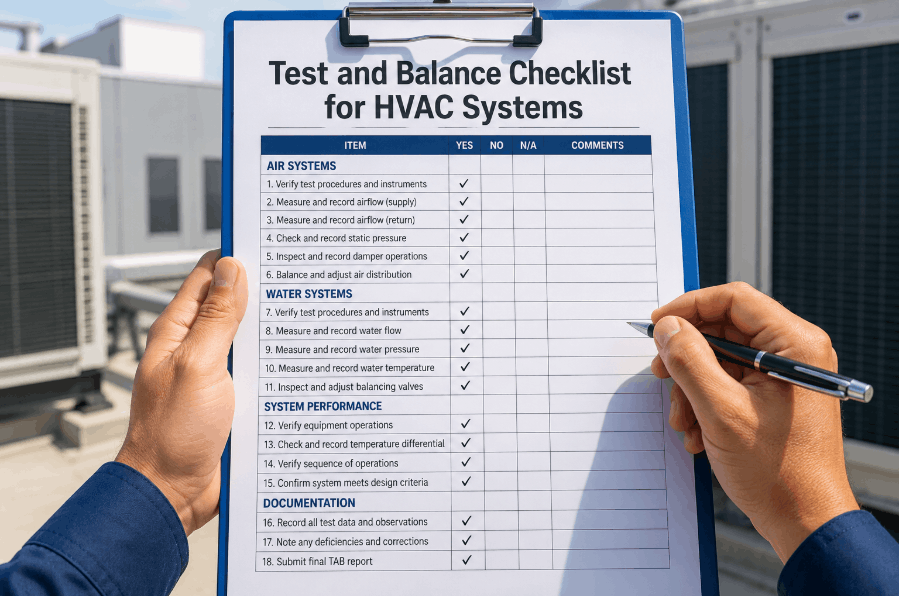
| Air Balance Report (TAB) | Full system flow balance across all zones | Post-installation, every 3–5 years | Zone-by-zone CFM distribution | Systemic imbalance accumulation |
Safety and Process Stability Impacts of Poor Exhaust Balance
Under-exhausted zones allow process fumes, dust, and particulates to migrate into adjacent work areas. Regulatory exposure limits can be breached before symptoms appear, creating both health and compliance risk.
Production halls with chemical, solvent, or thermal emission sources depend on exhaust balance to contain odors at the source. Imbalanced systems allow odor penetration to offices, break rooms, and adjacent tenancies.
Welding, coating, and precision assembly processes require stable airflow at the work surface. Exhaust imbalance creates turbulence that degrades process quality and increases defect rates — often misattributed to material or process variables.
Managing Exhaust System Maintenance with Oxmaint
Oxmaint's CMMS platform gives plant operations teams the structure to move from reactive exhaust repairs to scheduled verification cycles. Sign Up Free to register your exhaust assets, build preventive maintenance schedules, and document airflow test results in a single searchable system.
Register All Exhaust Assets in a Central Registry
Add fans, hoods, ducts, filters, and dampers to Oxmaint with zone assignments, design specs, and installation dates. Asset-level records give technicians the context needed to identify deviations during inspections.
Schedule Airflow Verification Tasks as Recurring PMs
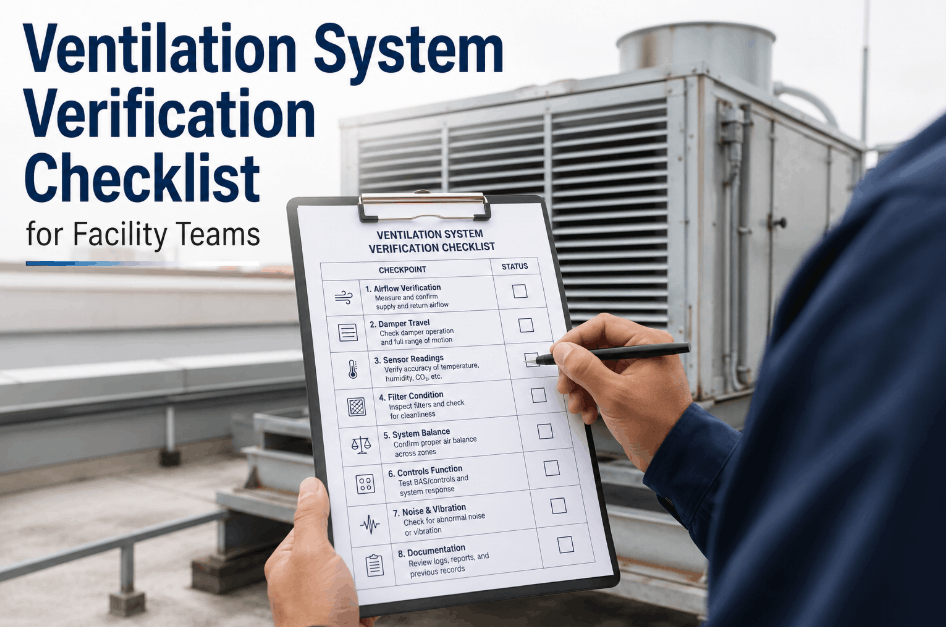
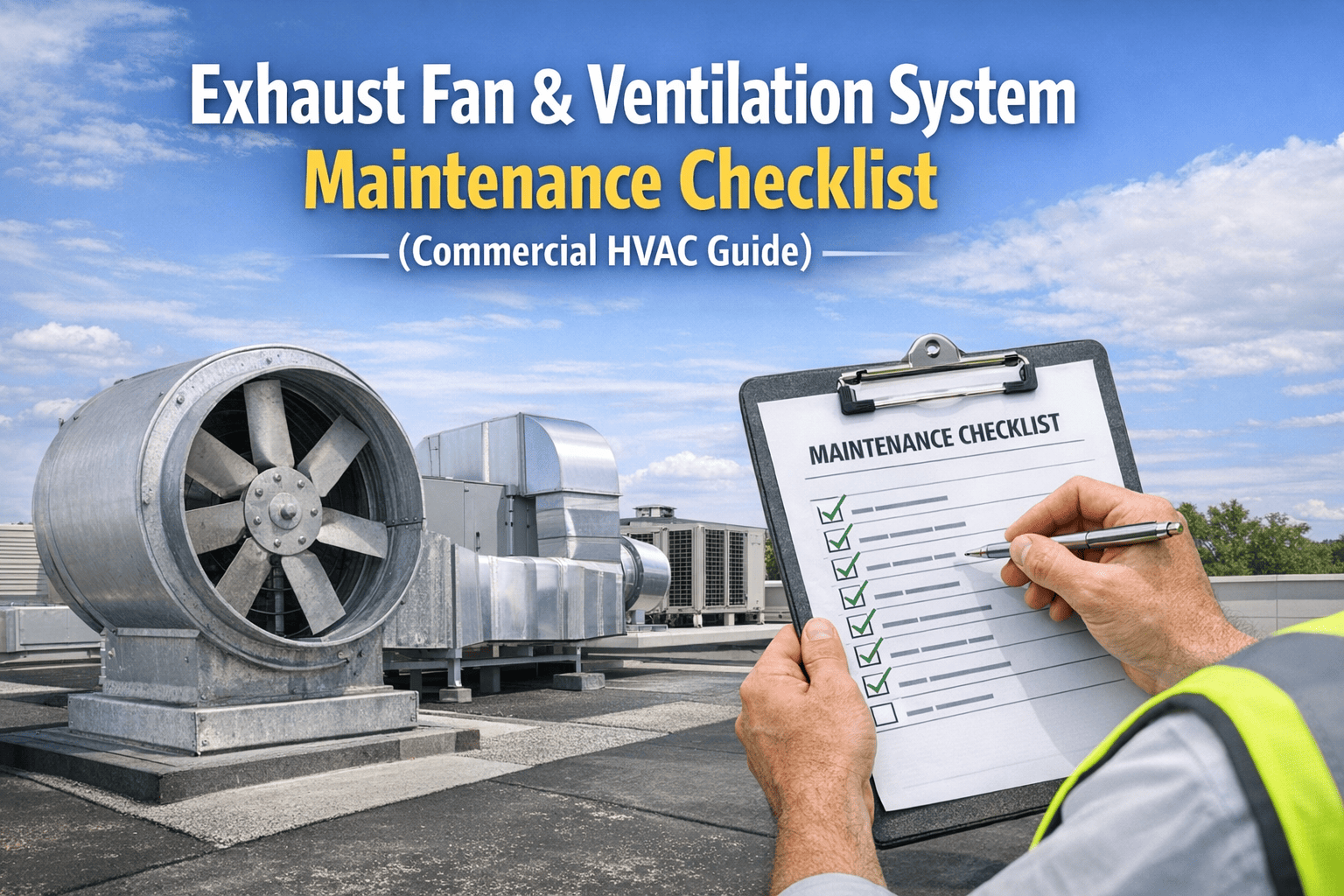
Build scheduled work orders for pitot traversals, smoke tests, and static pressure checks into Oxmaint's PM calendar. Recurring schedules ensure verification tasks don't slip during busy production periods.
Log Airflow Readings Against Design Baselines
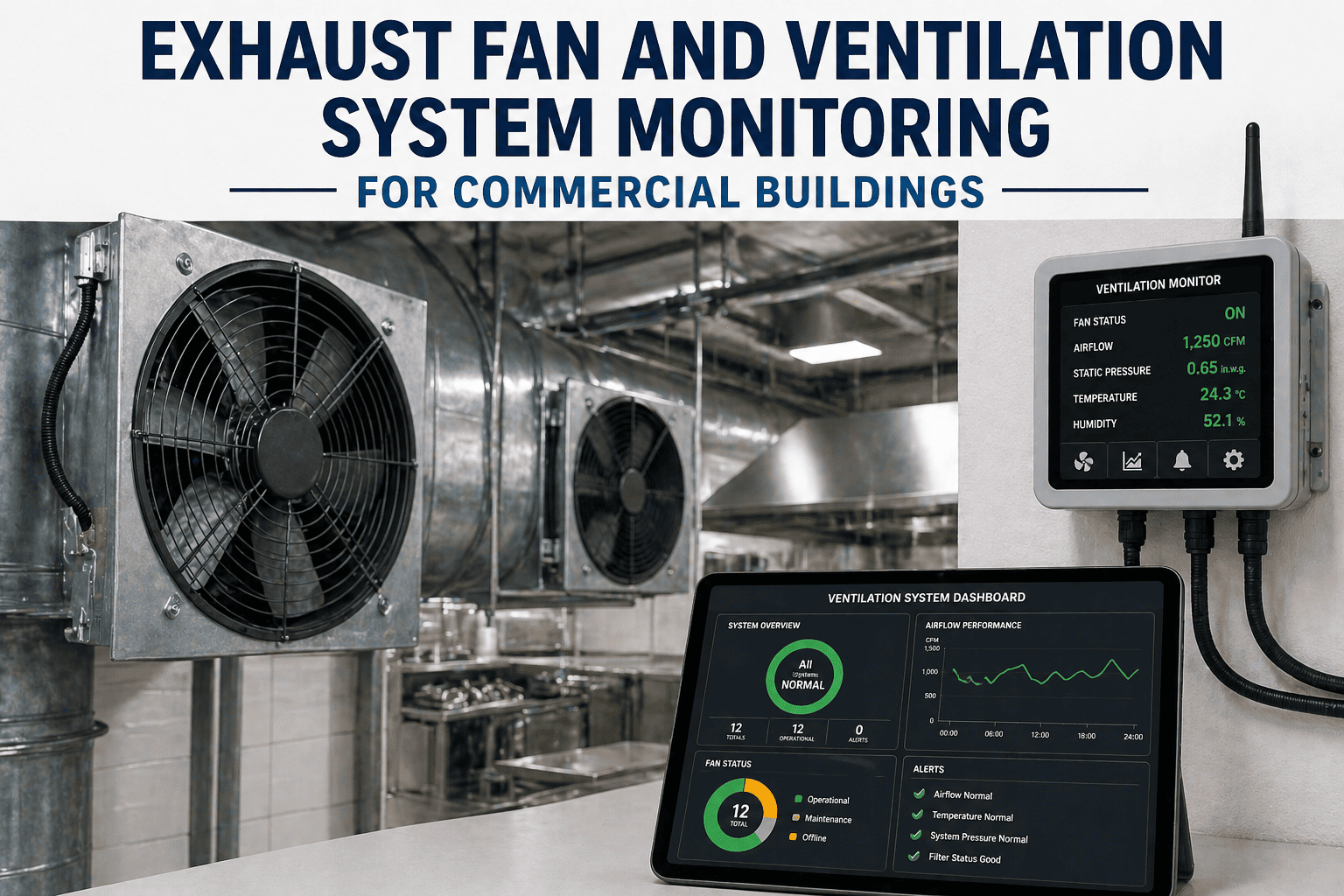
Record measured CFM and static pressure values in Oxmaint work orders against design-spec benchmarks. Trend data across inspection cycles highlights zones drifting toward imbalance before failures occur.
Link Corrective Work Orders to Balance Findings
When inspections reveal filter blockage, fan degradation, or duct leaks, generate corrective work orders directly from the inspection record. Closed-loop tracking ensures findings translate into completed repairs.
Audit Compliance Documentation for Regulatory Reporting
Oxmaint's maintenance history provides the documented evidence trail for air quality compliance audits, OSHA inspections, and insurance reviews — replacing manual binder records with searchable digital logs.