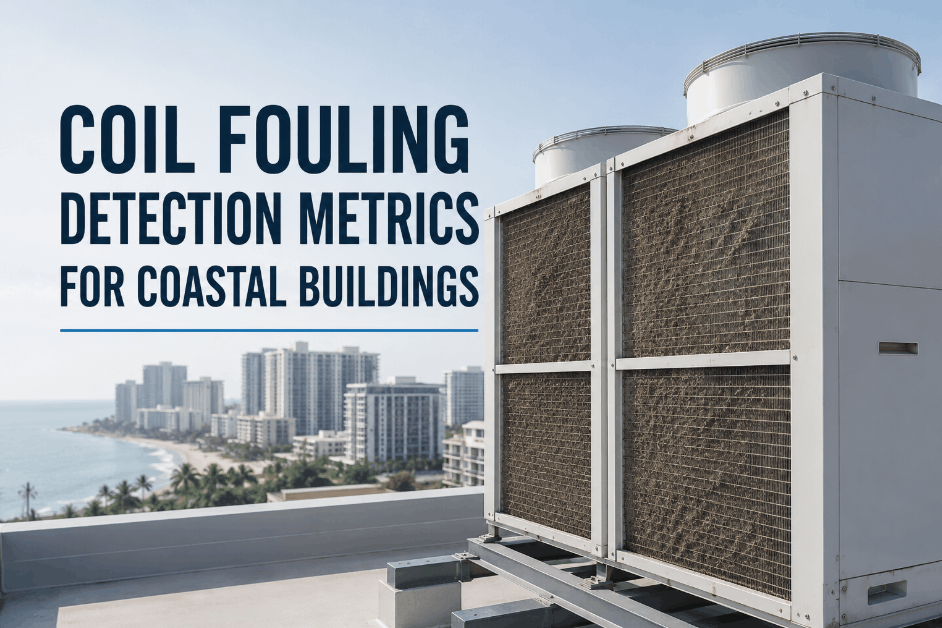
Coil fouling in coastal buildings moves faster and causes more damage than in inland facilities. Salt-laden air accelerates corrosion, grime adhesion, and heat transfer degradation on both evaporator and condenser coils — often cutting HVAC system efficiency significantly before any alarm triggers. Sign Up Free on Oxmaint to register your coastal HVAC assets, log coil inspection findings, and schedule cleaning interventions before fouling drives energy costs and repair frequency higher.
Why Coastal Environments Accelerate Coil Fouling
Standard coil maintenance intervals designed for inland facilities significantly underestimate fouling rates in coastal zones. Book a Demo to learn how Oxmaint helps coastal facility teams adjust PM frequencies based on documented fouling data rather than generic manufacturer schedules.
Airborne salt particles carried by coastal winds deposit on fin surfaces and bond to existing grime, forming a thermally resistive layer that directly reduces heat transfer coefficient across the coil face.
Salt exposure combined with humidity creates electrochemical conditions that pit aluminum fins and copper tubes. Formicary corrosion from organic acid exposure creates pinhole leaks that are difficult to detect without close inspection.
Coastal humidity supports rapid biofilm colonization on coil surfaces. Biofilm layers trap particulates and create additional airside resistance, compounding the fouling rate beyond what salt deposition alone would produce.
Coastal fin deterioration rates can be two to three times higher than inland equivalents. Degraded fins trap more debris and reduce airflow through the coil face, reducing both capacity and efficiency simultaneously.
Coil Fouling Detection Metrics: What to Measure and When
| Fouling Metric | Measurement Method | Coastal Inspection Frequency | Threshold for Action | System Impact |
|---|---|---|---|---|
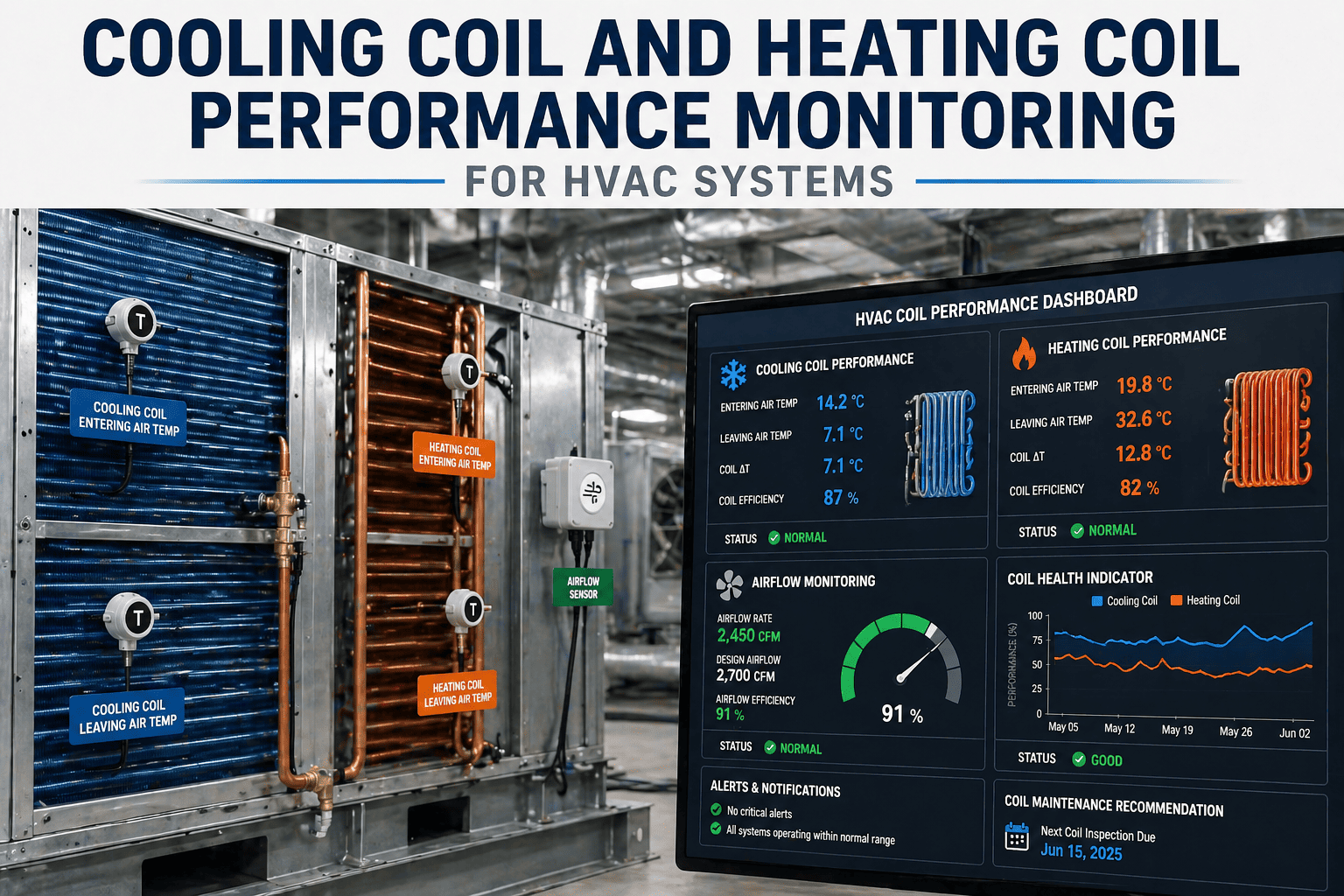
| Coil Approach Temperature | Entering/leaving air temperature differential | Monthly trend logging | >10% deviation from clean baseline | Capacity reduction and compressor overload |
| Airside Static Pressure Drop | Differential pressure across coil face | Monthly monitoring | >15% above clean coil design value | Reduced airflow and fan energy increase |
| Refrigerant Subcooling / Superheat | Gauge readings at service ports | Quarterly or service visits | Outside design range by >5°F | Compressor stress and efficiency loss |
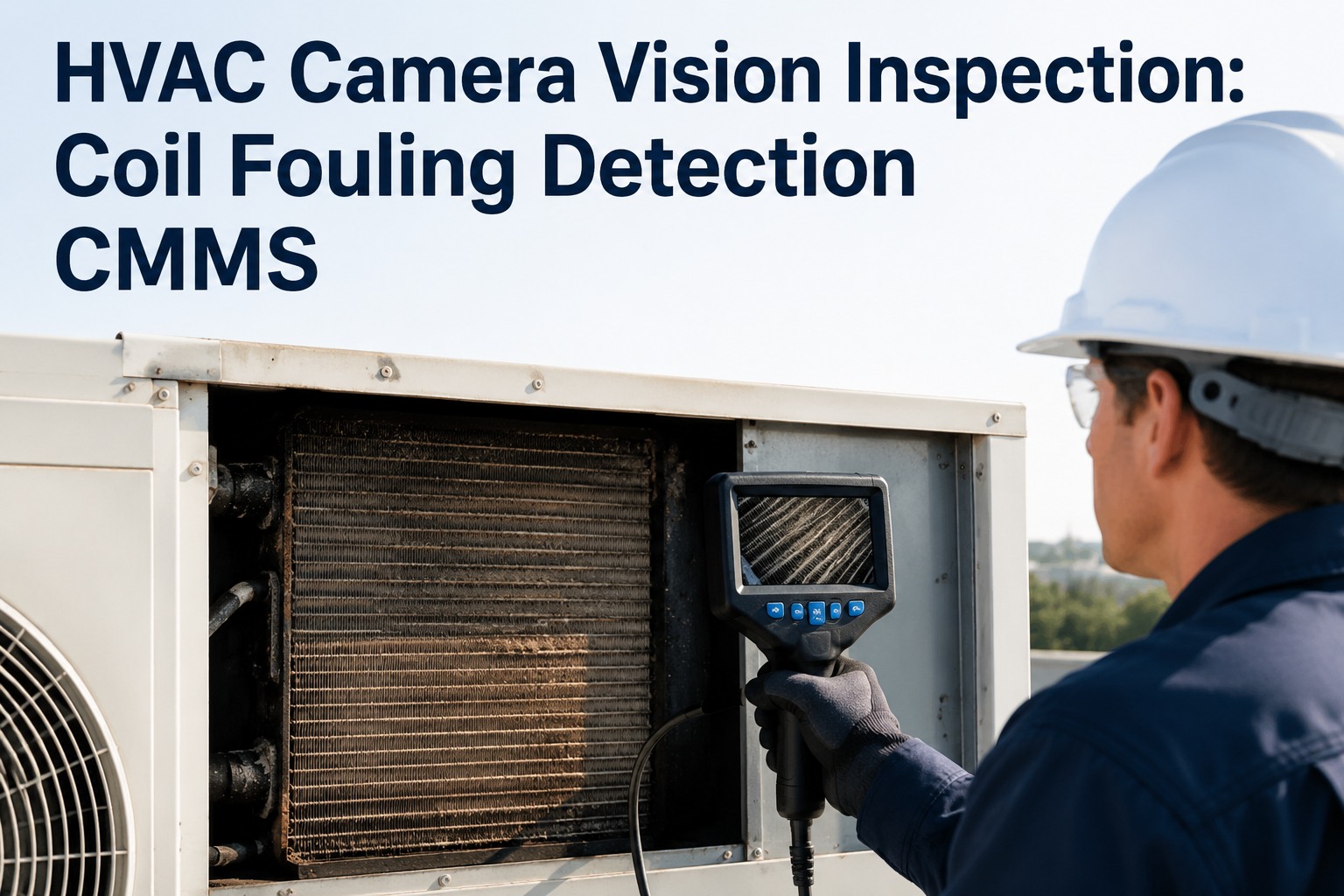
| Visual Fouling Score | Direct inspection with standardized scale | Bi-annual minimum for coastal | Score ≥3 on 5-point scale | Cleaning trigger and corrosion risk flag |
| kW per Ton (System EUI) | Energy monitoring against baseline | Continuous or monthly review | >8% degradation from clean baseline | Operating cost increase and capacity loss |
Fouling Severity and Recommended Response Tiers
Surface particulate accumulation with no visible corrosion or fin damage. Routine coil cleaning at next scheduled PM visit restores performance. Log findings in Oxmaint to track rate of fouling accumulation between cycles.
Salt-bonded deposits with early fin discoloration and measurable approach temperature increase. Requires chemical coil cleaning within 30 days plus application of coil coating or sacrificial anode protection.
Visible fin corrosion, blocked coil sections, and significant performance degradation. Requires immediate cleaning, corrosion assessment, and evaluation of coil replacement versus continued remediation based on remaining useful life.
Using Oxmaint to Build a Coastal Coil Maintenance Program
Facilities teams managing coastal HVAC assets need documented fouling histories to make defensible decisions about cleaning frequency, coil coating investment, and replacement timing. Sign Up Free on Oxmaint to build inspection templates, capture fouling scores, and trend coil performance data across your entire coastal portfolio.
Register Coil Assets with Proximity and Environment Tags
Add each coil to Oxmaint with its distance from the shoreline, coil material, and coating status. Environment tagging enables accelerated PM schedules for highest-exposure assets automatically.
Build Fouling Inspection Checklists with Scored Fields
Create Oxmaint inspection templates that capture visual fouling scores, approach temperature measurements, and static pressure readings in structured fields — replacing unstructured technician notes with comparable data across visits.
Set Coastal-Specific PM Frequencies
Adjust coil inspection intervals in Oxmaint based on documented fouling rates — not manufacturer defaults. Coastal assets with high fouling scores should trigger more frequent cleaning work orders to prevent compounding degradation.
Track Performance Metrics Against Clean Baselines
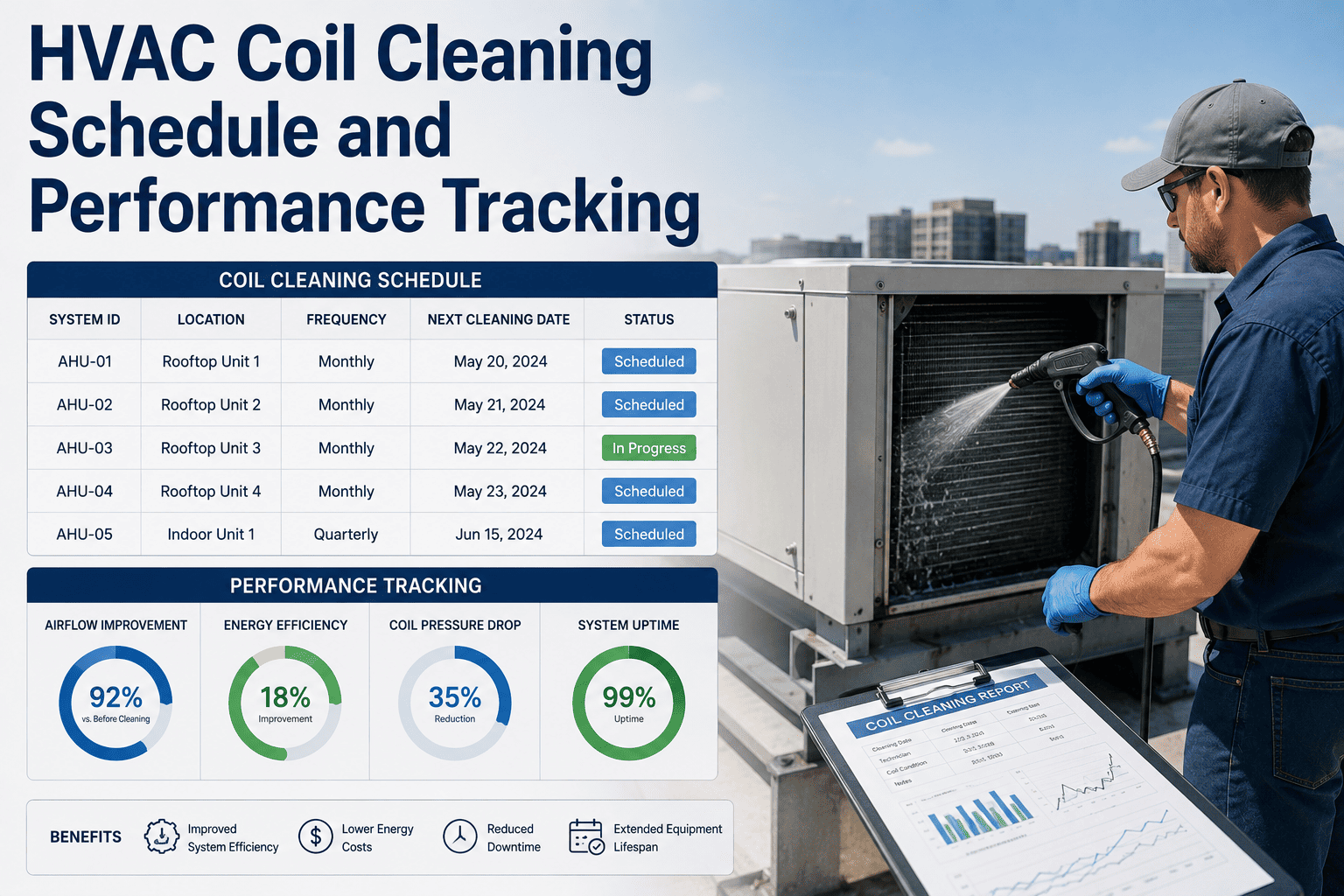
Log approach temperature and static pressure readings in Oxmaint against the baseline values recorded after each cleaning. Trend deviations signal when the next cleaning is needed before performance degradation becomes operationally significant.
Build a Coil Replacement Decision Record
Oxmaint's asset history accumulates the fouling scores, cleaning records, and performance trends needed to justify coil replacement or coating investment to building owners — replacing anecdotal recommendations with documented condition data.