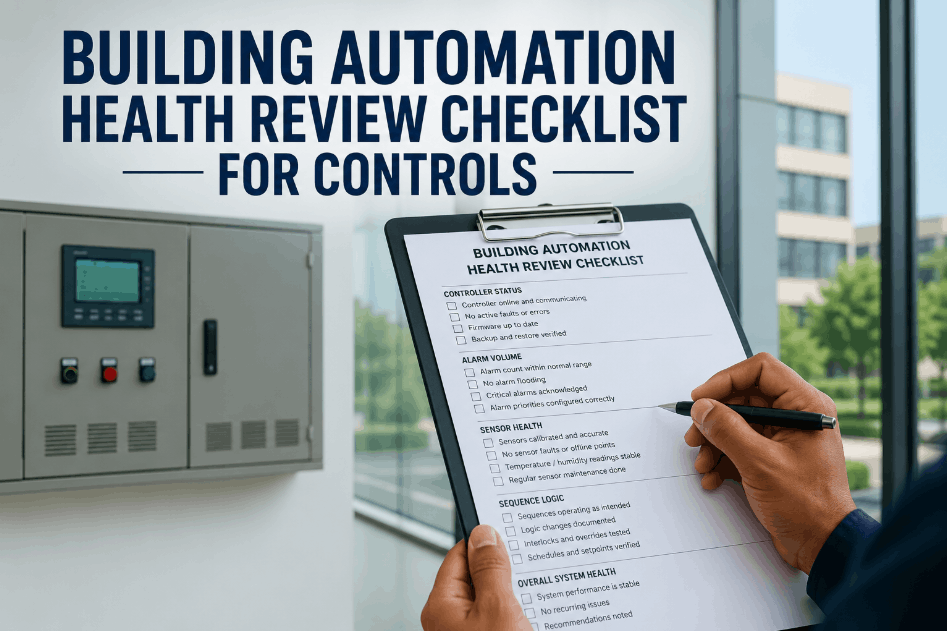
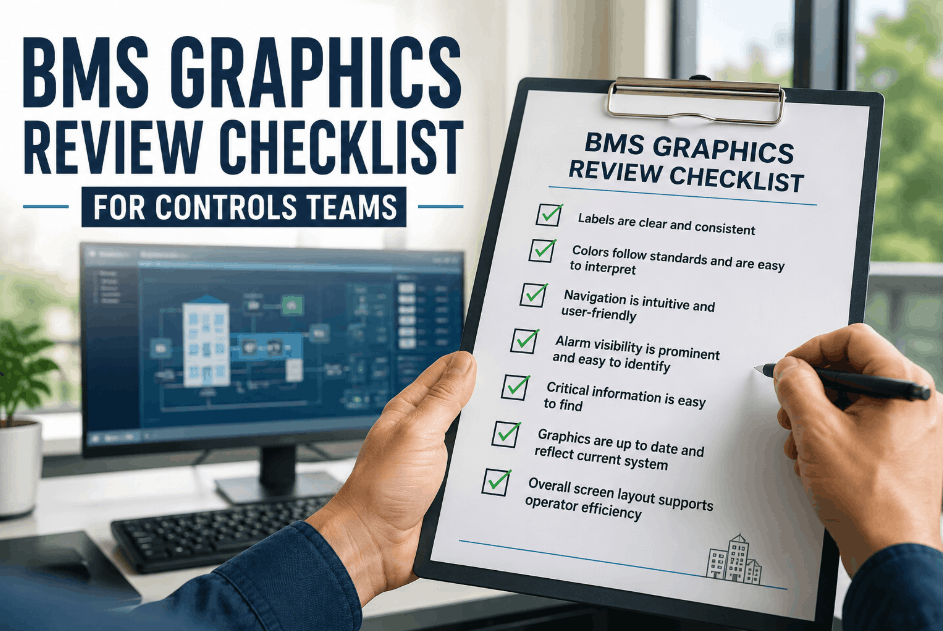
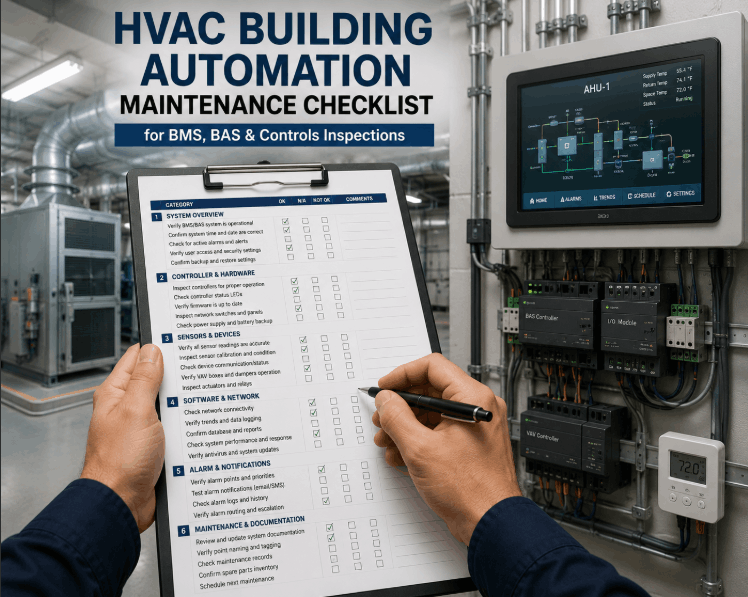
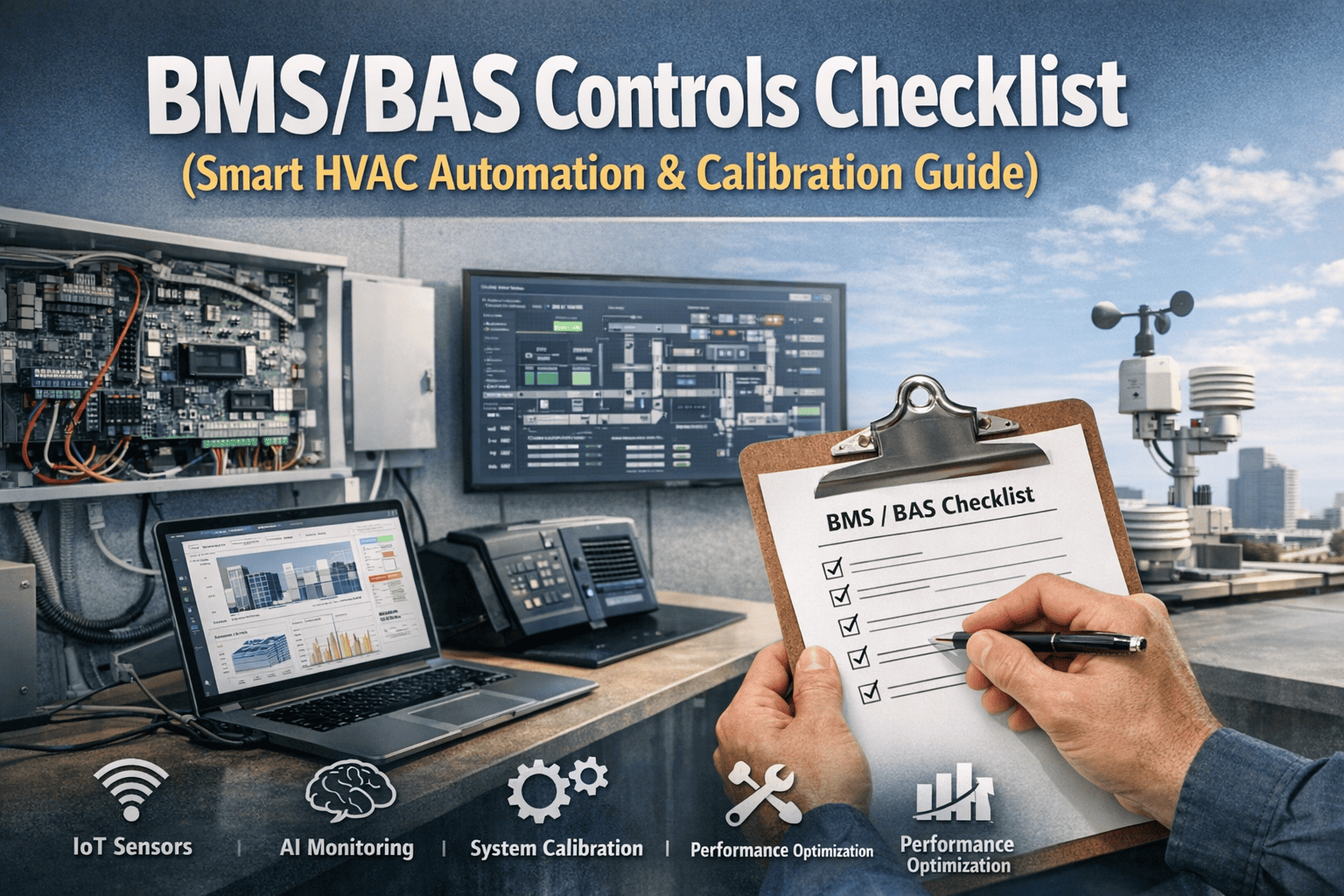
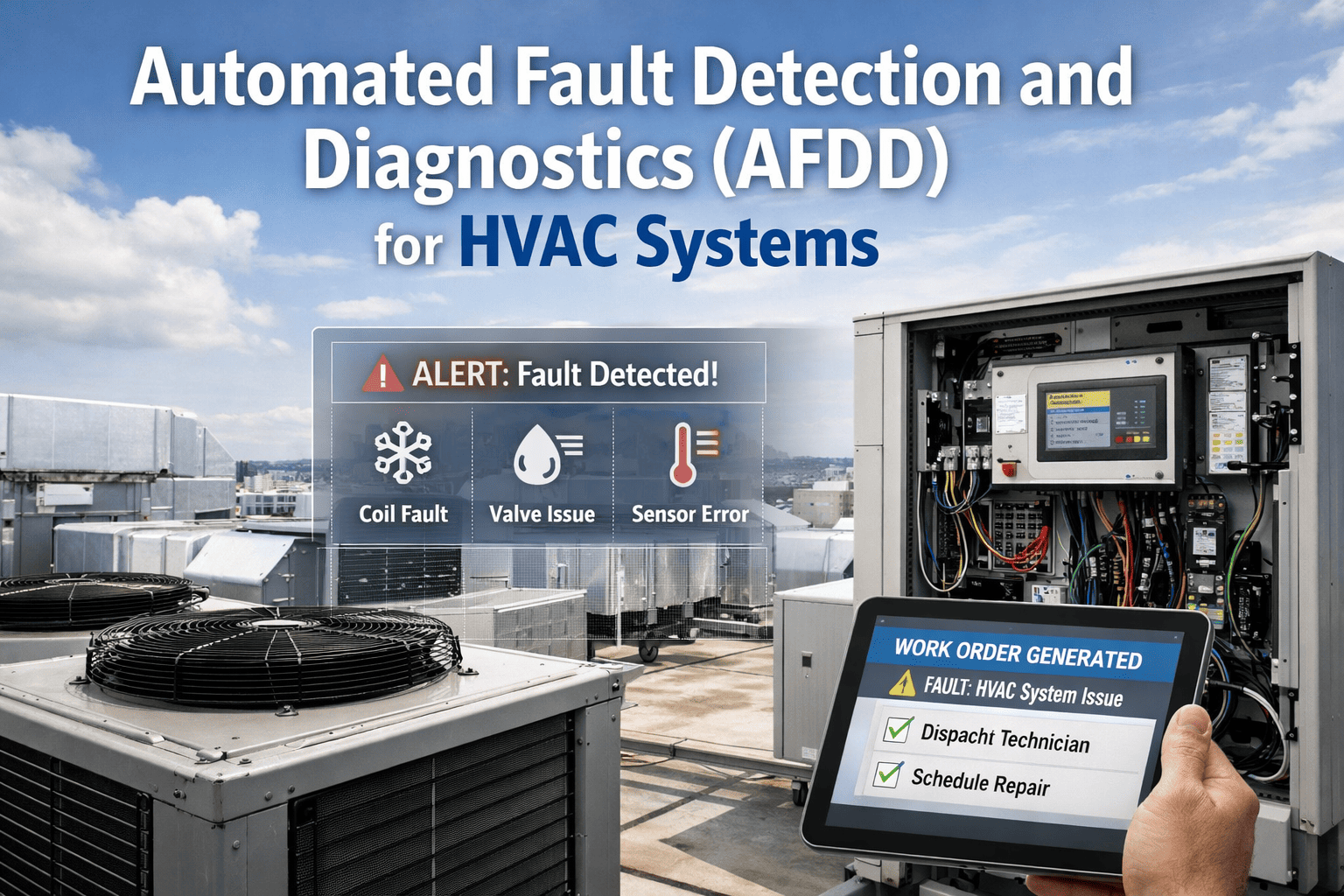
A building automation health review checklist exists because controls teams rarely notice a system drifting out of tune until alarm volume spikes or a sensor has been reading wrong for weeks. Checking controller status, alarm volume, sensor health, and sequence logic on a fixed cadence catches that drift before it turns into comfort complaints or wasted energy. Sign Up Free on Oxmaint to log controller status, alarm counts, and sensor calibration findings against every BAS point for planning. Book a Demo to see how Oxmaint turns a building automation health review into a structured, recurring audit instead of a once-a-year scramble.
Catch BAS Drift Before It Becomes a Comfort Complaint
Review controller status, alarm volume, sensor health, and sequence logic on a fixed schedule.
1. Controller Status and Network Health
A controller offline or stuck in a fault state can quietly affect a whole zone before anyone notices the symptom.
2. Alarm Volume and Configuration Review
When alarm volume climbs, real issues get buried under noise that the team has learned to ignore.
3. Sensor Accuracy and Calibration
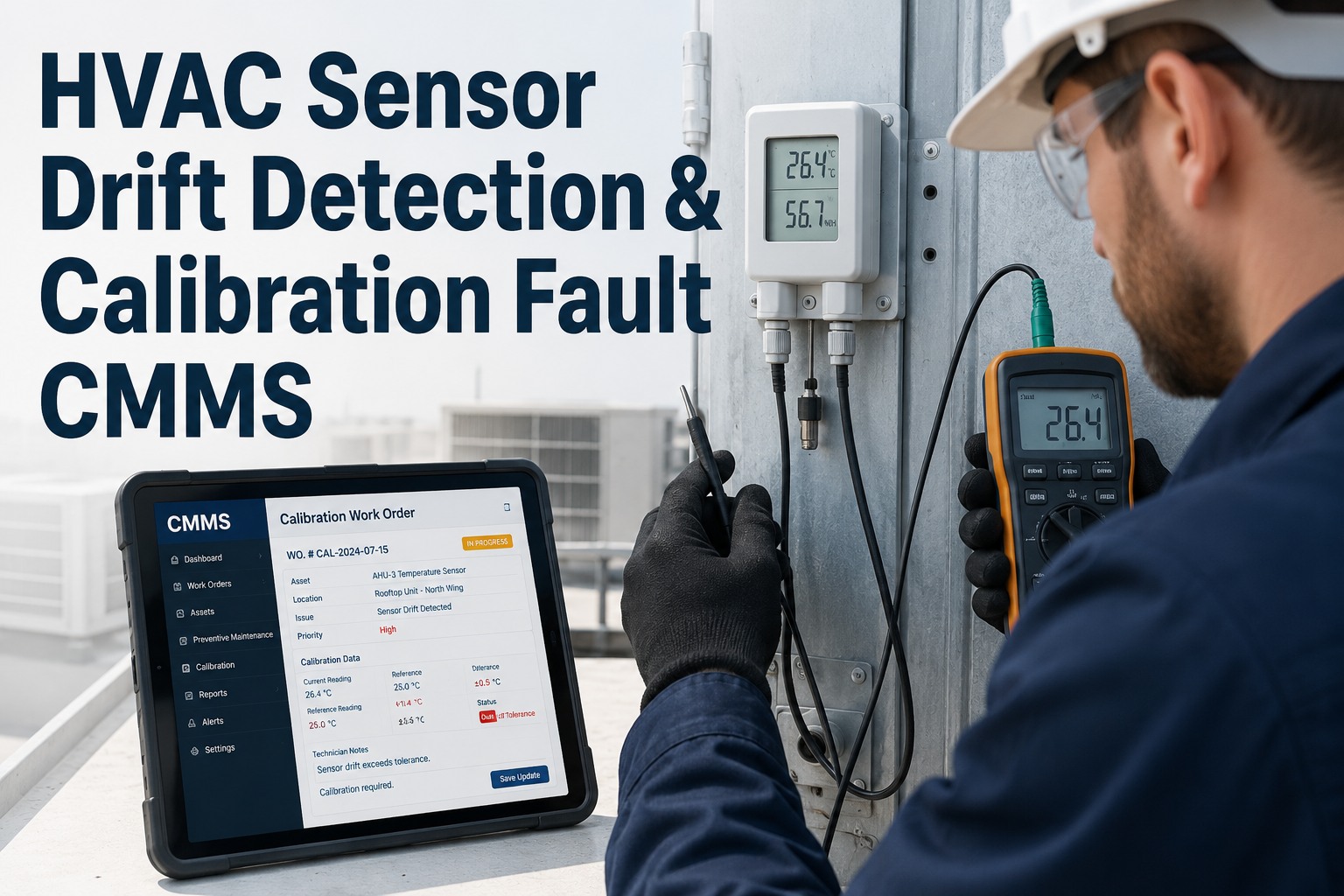
A drifting sensor doesn't trigger an alarm — it just quietly feeds the wrong number into every downstream decision.
Replace the Annual Scramble With a Structured Cadence
Oxmaint logs controller, alarm, sensor, and sequence findings against every BAS asset on a recurring schedule.
4. Sequence of Operations and Failsafe Logic
Sequences get modified for one-off requests and rarely get reverted, leaving logic quietly out of sync with as-built intent.
Frequently Asked Questions — Building Automation Health Review
1. What is a building automation health review checklist?
It's a structured audit covering controller status, alarm volume, sensor calibration, and control sequence accuracy to keep a BAS performing as intended.
2. Why does rising alarm volume matter for BAS performance?
A growing number of nuisance alarms buries genuine faults in noise, and teams often start ignoring alarms altogether once the volume becomes unmanageable.
3. How is sensor drift typically detected?
Spot-checking sensor readings against a calibrated reference device and reviewing trend logs for flatlined or stale values are the most common detection methods.
4. How often should a building automation health review be performed?
A quarterly or semi-annual review works for most portfolios, with high-impact items like sensor calibration and failsafe testing checked more frequently.
5. How does Oxmaint support building automation health reviews?
Oxmaint logs controller status, alarm patterns, sensor calibration findings, and sequence changes against every asset, then tracks the review on a recurring schedule.
Ready to Run a Structured BAS Health Review?
Oxmaint connects controller, alarm, sensor, and sequence data into one recurring review across your controls portfolio.