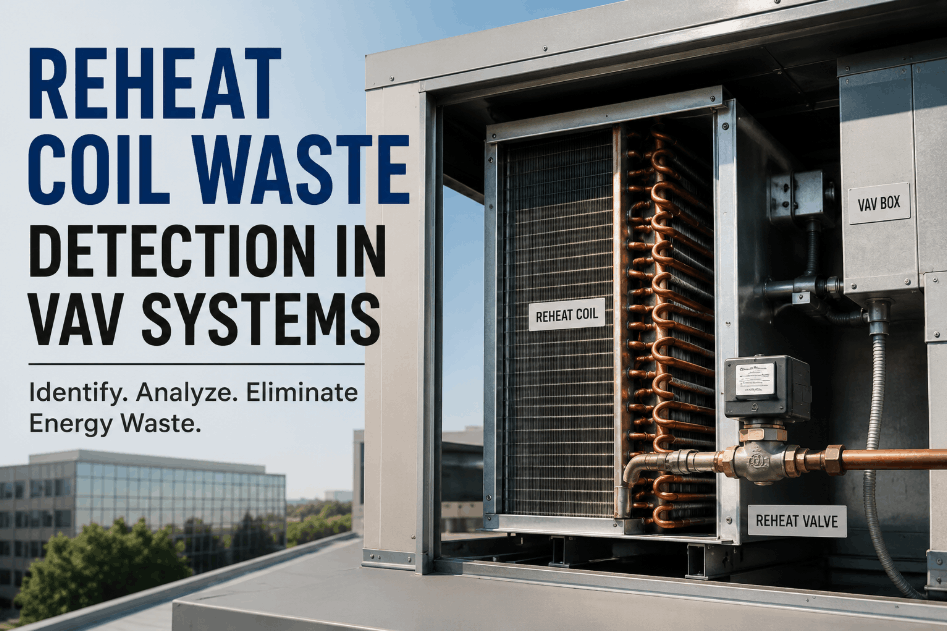
Reheat coil waste hides inside VAV zones in plain sight — a valve sitting slightly open, a minimum airflow setpoint set too high, or a damper and reheat valve fighting each other quietly burns energy without ever triggering an alarm. When valve position, supply air temperature, and zone damper position are never compared side by side, reheat waste keeps accumulating behind comfort that looks perfectly normal. Maintenance and controls teams using Sign Up Free on OxMaint can log VAV zone inspections, track reheat valve and damper readings together, and build a structured detection record that exposes avoidable energy loss zone by zone. Structured reheat coil verification turns VAV diagnostics into system-wide thermal efficiency.
Why Reheat Coil Waste Is Easy to Miss in VAV Systems
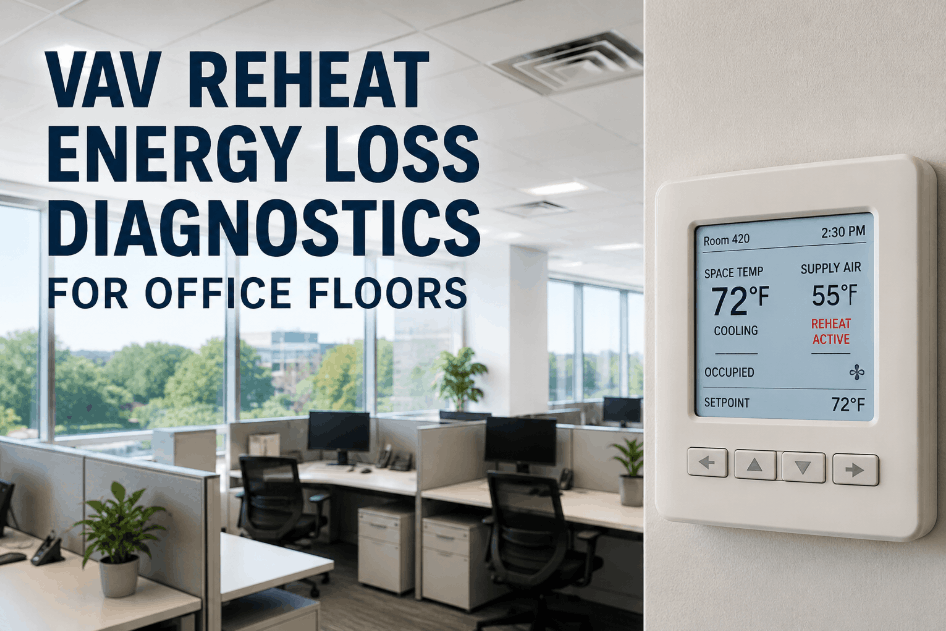
A VAV box can appear to be operating normally — zone temperature on setpoint, no fault codes — while its reheat valve is partially open and its damper is simultaneously delivering cooled air, wasting both heating and cooling energy at once. Book a Demo to see how OxMaint captures valve position, supply air temperature, and damper readings together so this kind of hidden waste becomes visible instead of invisible.
Six Dimensions of Reheat Coil Waste Detection
A complete reheat waste detection program covers more than a single valve check. It connects minimum airflow settings, valve and damper correlation, and zone comfort outcomes into one VAV performance picture. Sign Up Free on OxMaint to begin capturing VAV diagnostic data by zone and build the verification baseline your controls team depends on.
Minimum Airflow Setpoint Verification
Minimum airflow set above actual zone load forces unnecessary reheat to maintain comfort. Logging minimum airflow settings against design load in OxMaint identifies zones where the setpoint itself is driving the waste.
Valve Position and Damper Position Correlation
Comparing reheat valve position against zone damper position at the same point in time reveals whether the box is heating and cooling simultaneously. OxMaint work orders capture both readings together for direct correlation.
Simultaneous Heating-Cooling Detection
When supply air is being cooled centrally and reheated locally in the same zone, both systems are working against each other. Logging supply air and reheat output together in OxMaint flags this condition for correction.
Supply Air Reset Effectiveness
Supply air reset strategies that raise central air temperature during low-load periods reduce reheat demand across the system. OxMaint tracks reset schedule effectiveness against actual reheat valve activity by zone.
Stuck or Leaking Reheat Valve Identification
A valve that fails to fully close continues to add heat even when the zone calls for cooling. OxMaint's inspection management tools capture valve seat condition and leak-by readings to catch this before it is misattributed to control issues.
Zone Comfort and Energy Outcome Linkage
Reheat correction is only successful if comfort holds while energy use drops. OxMaint's analytics and reporting tools link valve adjustments to zone temperature stability and energy trend data, confirming the fix actually worked.
Reheat Waste Benchmarks by VAV Box Configuration
Waste risk and detection complexity vary by VAV box type and zone configuration. Comparing your actual valve and airflow profile against configuration-specific benchmarks identifies where setpoint corrections and valve service deliver the highest energy impact. Book a Demo to explore how OxMaint tracks VAV diagnostic work orders alongside building automation maintenance in one platform.
| VAV Box Configuration | Primary Waste Driver | Typical Verification Interval | Waste Risk | OxMaint Maintenance Lever |
|---|---|---|---|---|
| Single-Duct Reheat VAV | Minimum airflow set too high for load | Annual + load change events | High | Minimum airflow setpoint tracking |
| Series Fan-Powered VAV | Continuous fan operation masking reheat overuse | Bi-annual verification | Medium–High | Valve and damper correlation logs |
| Parallel Fan-Powered VAV | Fan cycling interaction with reheat staging | Bi-annual verification | Medium | Simultaneous heat-cool detection records |
| Dual-Duct VAV | Hot and cold deck mixing inefficiency | Seasonal + recommission events | High | Supply air reset effectiveness tracking |
| Perimeter VAV with Radiant Assist | Reheat and radiant system overlap | Seasonal verification | Medium–High | Zone comfort and energy outcome linkage |
How Undetected Reheat Waste Compounds Building Energy Risk
Reheat waste does not stay isolated to one zone. It compounds through wasted heating and cooling energy, valves misdiagnosed as control failures, excess airflow demand, and drift that goes uncorrected for years. Book a Demo to see how OxMaint connects VAV diagnostic data with building maintenance scheduling, or Sign Up Free to start tracking your own zones before the waste compounds further.
Building a Reheat Waste Detection Program with OxMaint
Register VAV Boxes with Design Airflow and Reheat Specifications
Create a complete VAV asset register in OxMaint with box type, design minimum airflow, reheat coil capacity, and zone assignment. This foundation lets every later diagnostic compare against documented design intent.
Log Diagnostic Work Orders with Valve and Damper Data
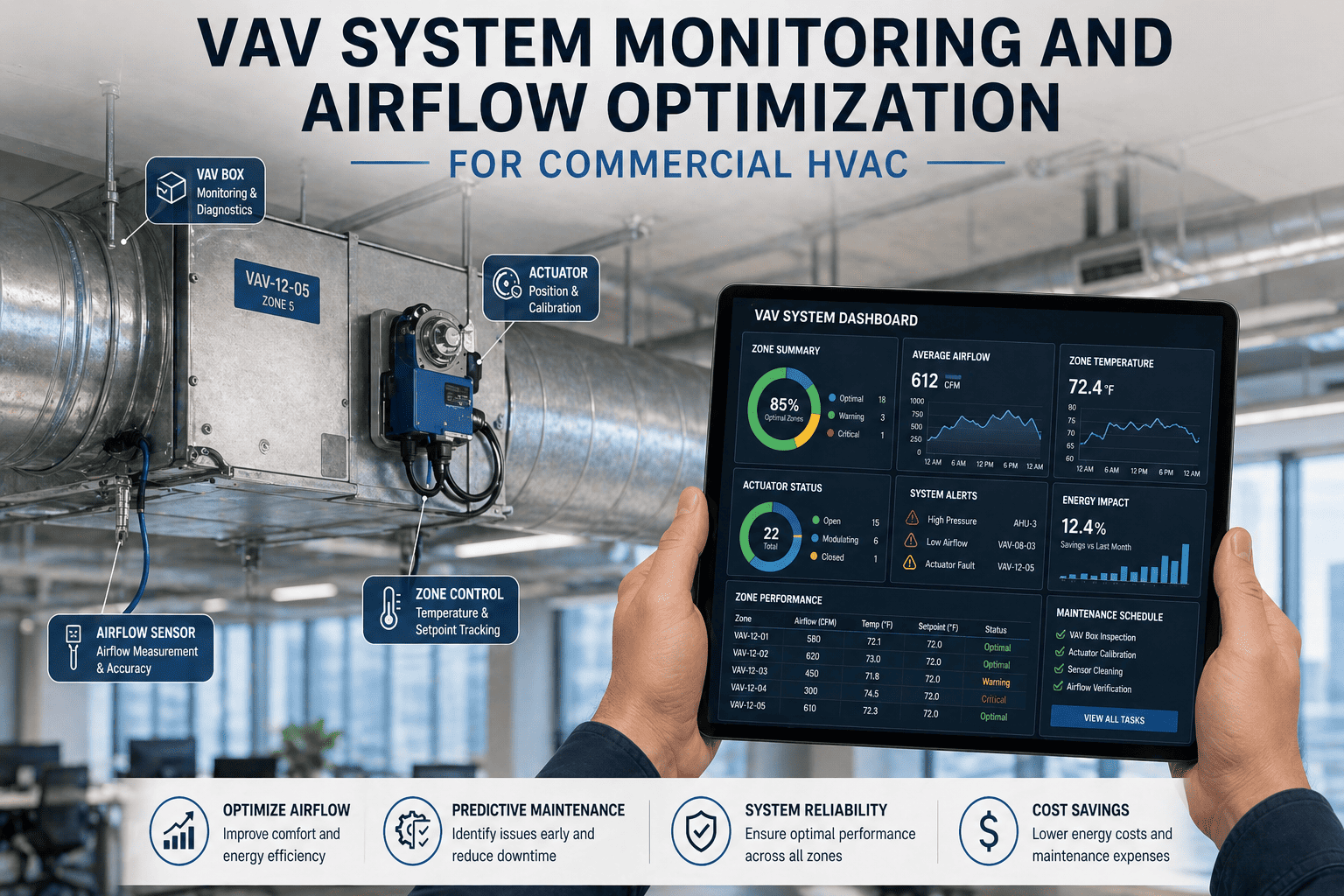
Capture valve position, damper position, supply air temperature, and minimum airflow setting at every inspection as a structured OxMaint work order. Structured records replace one-off spot checks with searchable, trend-ready data.
Establish Waste Detection Benchmarks by VAV Configuration
Use OxMaint reporting tools to analyze diagnostic history and set waste thresholds by box type and zone classification. Benchmark targets replace guesswork with documented performance standards.
Configure Simultaneous Heat-Cool Alerts
Set valve and damper correlation thresholds in OxMaint that trigger alerts when a zone shows signs of simultaneous heating and cooling. Automated alerts give controls teams visibility before waste accumulates further.
Report Reheat Performance Trends Across Zones and Seasons
Use OxMaint dashboards to track valve activity, minimum airflow accuracy, and energy outcomes across zones and seasons. Turn VAV diagnostic data into facility energy reporting without manual aggregation.
Frequently Asked Questions: Reheat Coil Waste Detection
What causes reheat coil waste in VAV systems?
Reheat waste typically comes from minimum airflow setpoints set above actual zone load, stuck or leaking reheat valves, or zones experiencing simultaneous heating and cooling without anyone noticing.
How can I tell if a VAV zone is heating and cooling at the same time?
Comparing reheat valve position against zone damper position at the same moment reveals simultaneous operation — if both are active together, the zone is wasting energy fighting itself.
How does OxMaint help detect reheat coil waste?
OxMaint logs valve position, damper position, and supply air data together by zone, then benchmarks the readings against design specifications to surface waste patterns that single-point checks would miss.
Why are stuck reheat valves often misdiagnosed?
A valve that will not fully close produces symptoms similar to a thermostat or sensor fault, so technicians often replace the wrong component before identifying the valve as the real cause.
How often should VAV reheat diagnostics be performed?
Annual verification suits most systems, with bi-annual checks recommended for fan-powered boxes and additional reviews after major load or schedule changes. OxMaint automates this scheduling.